|
A project by Universitat de València
Organised by the Department for Culture and Equality, UV
With cooperation from López Piñero Institute of History
of Medicine and Science
Scientific committee: Joaquín Guillem, José Ramón
Bertomeu, Àlvar Martínez and Pedro Ruiz (coord.)
Technical coordination: Norberto Piqueras and Maite
Ibáñez
Medicine, science and technology are social activities.
Their development responds to a series of rules and
values typical of specific historic contexts. In fact,
throughout history, the knowledge of nature has been
inscribed into a set of relationships with other social,
political and cultural forms, and has contributed to
shaping individual and collective existence.
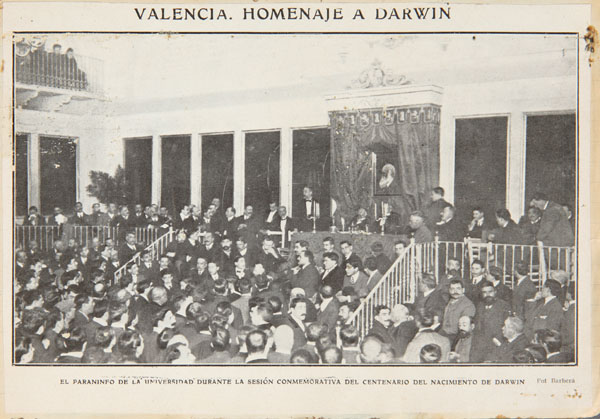
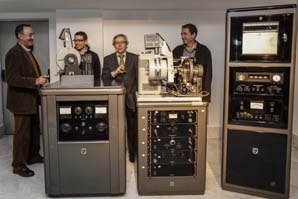
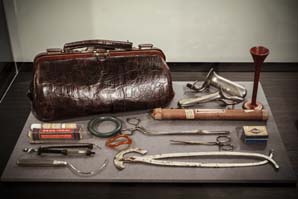
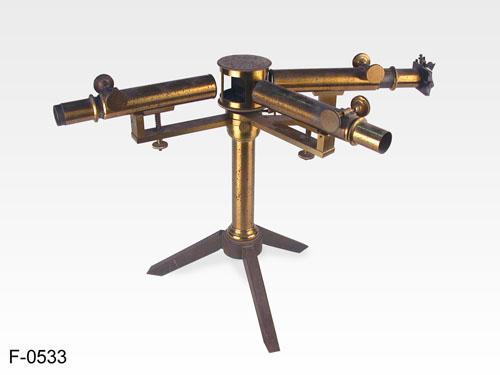
The exhibition gives some examples of how medicine,
science and technology have transformed modern
societies. The questions raised allow visitors to delve
into a number of aspects connected to knowledge
production and medical and scientific practice. To begin
with, the exhibition addresses the difficulty in
defining science practitioners and the importance of
contributions by amateur scientists. Then, it introduces
power relations between experts and lay people, the role
of expert knowledge standing out in the development of
modern societies via its links with justice, public
health and risk management. It also shows how the
development of science incorporates political,
ideological and social dimensions, and explores the
question of how diseases suffered by the Valencian
population along history prompted available resources to
be pooled. Lastly, it touches upon gender issues such as
the obstacles to women’s professionalization and the
devaluation of activities mainly done by them. |