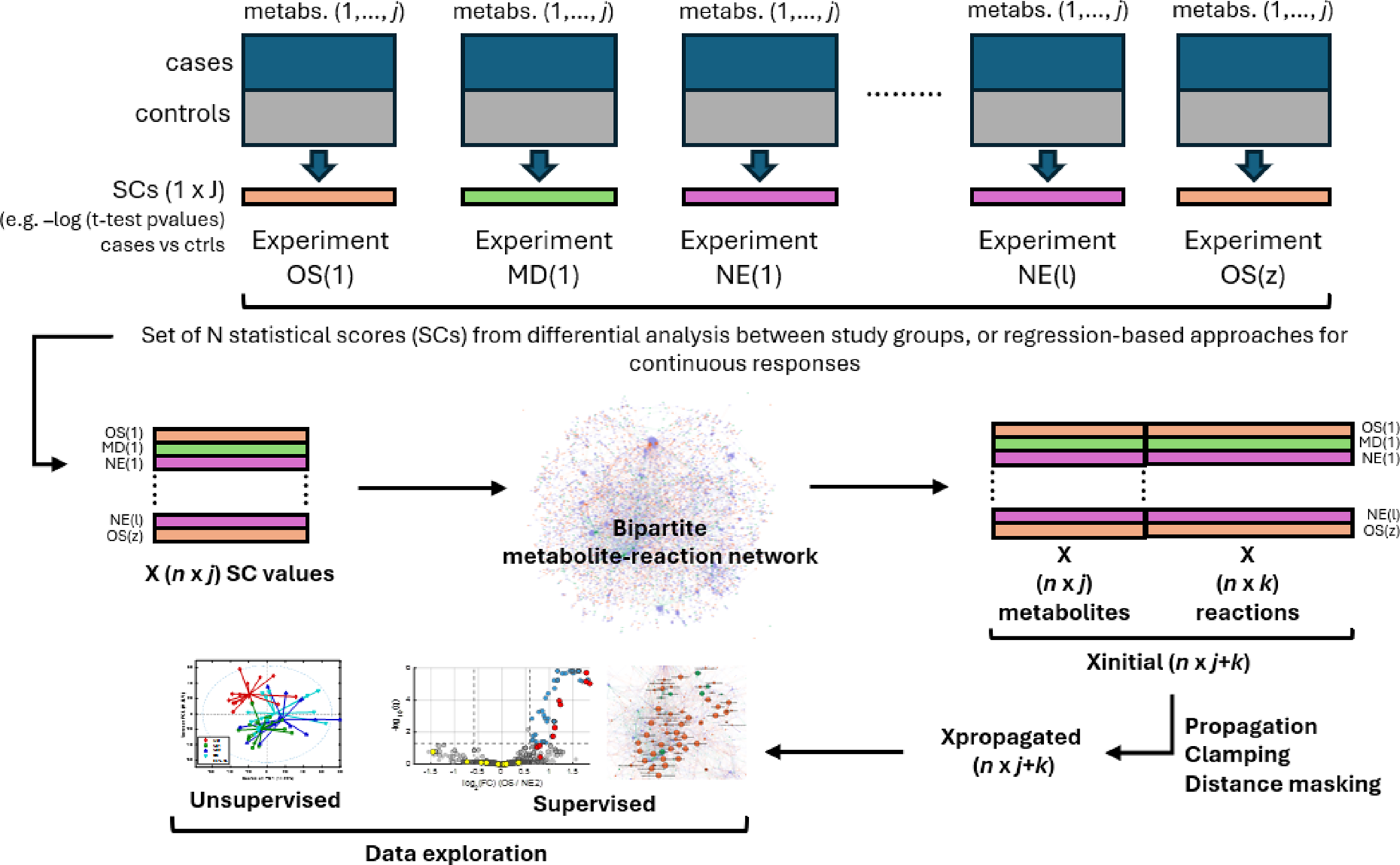
Figure 2: Kuligowski et al., Metabolomics (2026). CC BY-NC-ND 4.0.
New publication in Metabolomics: exploring metabolic networks
We’re pleased to share our new open-access paper, Network propagation in bipartite metabolite–reaction graphs for metabolomic data exploration, published in Metabolomics, with contributions from David Pérez-Guaita and Francesc Albert Esteve-Turrillas, in collaboration with Guillermo Quintás and Julia Kuligowski. The study uses a network linking metabolites and biochemical reactions to extend statistical information from measured metabolites to connected regions of the metabolic network. Evaluated using simulated and experimental data, the approach complements pathway analysis and helps identify candidate metabolites for further investigation. It offers a useful way to generate new hypotheses when metabolomic coverage is incomplete.
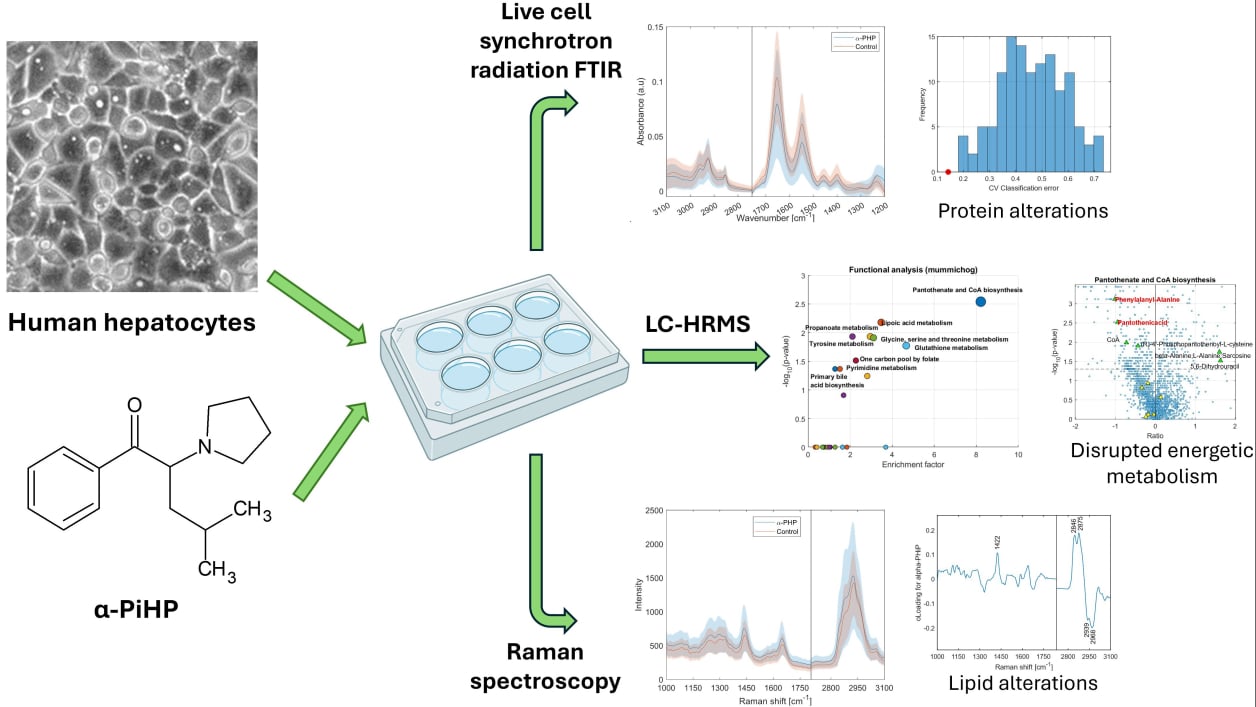
We’re excited to share our recently published work: Multimodal spectroscopy study of hepatic cells response to the synthetic cathinone α-PiHP
July 20, 2026
In this paper, recently published in Analytical Chemistry, we integrate live-cell synchrotron radiation Fourier transform infrared spectroscopy (SR-FTIR), Raman spectroscopy, and liquid chromatography–high-resolution tandem mass spectrometry (LC–HRMS/MS) to investigate in vitro the metabolic effects of α-PiHP in hepatic cells. DOI
Participation in Chemometrics in Analytical Chemistry
July 6, 2026
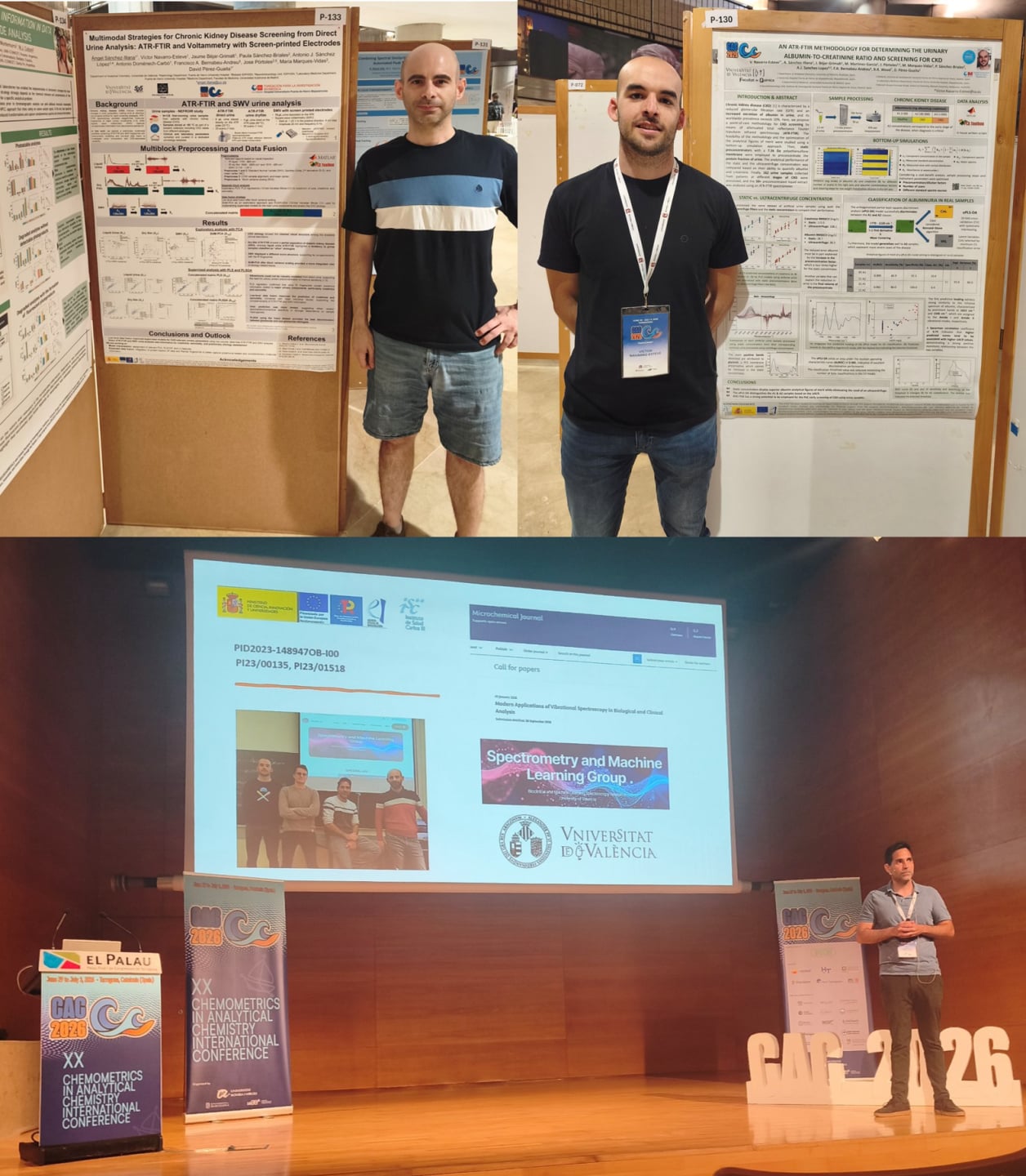
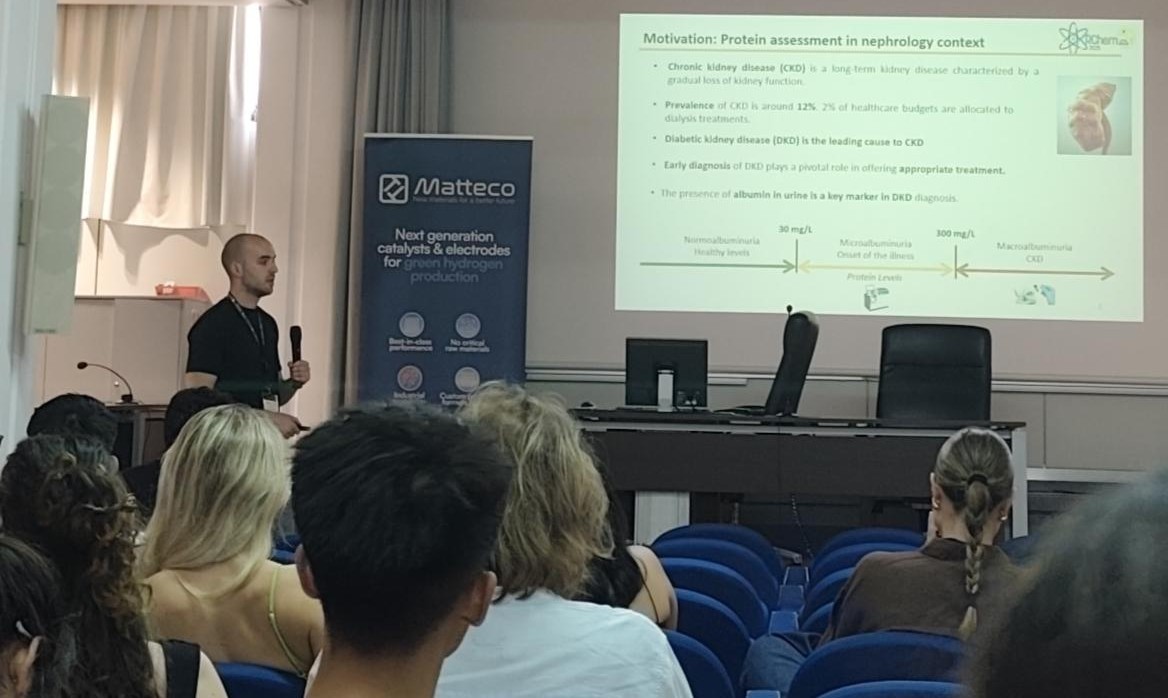
Last week, Dr. Ángel Sánchez Illana, Dr. David Pérez Guaita and PhD student Víctor Navarro Esteve presented their work at the XX Chemometrics in Analytical Chemistry international conference. An oral communications was delivered: "Enhancing vibrational spectroscopy-based diagnosis through in silico
modelling and data augmentation". Moreover, two posters were presented: "Multimodal strategies for chronic kidney disease screening from direct urine analysis: ATR-FTIR and voltammetry with screen-printed electrodes" and "An ATR-FTIR methodology for determining the urinary albumin-to-creatinine ratio and screening for CKD".
We’re excited to share our recently published work: Enhancing Vibrational Spectroscopy-Based Diagnosis through Bottom-Up Modeling: The Case of Infrared Absorption Spectrum of Urine
April 29, 2026
This paper presents a simulation-based framework for generating and validating spectroscopic diagnostic models using mixture-based spectral simulations, illustrated through infrared urine analysis for diagnosing diabetic kidney disease (DKD). We adopt a bottom-up approach, using a priori biological information related to the disease under investigation to construct a synthetic spectral model of liquid urine, enabling the prediction of diagnostic performance using only literature-derived parameters. Experimental variables, including the protein preconcentration device, measurement time, and instrument settings, were virtually simulated and optimized, generating large and diverse data sets that capture representative ranges of experimental and patient conditions. The resulting data sets were then used to construct machine learning models for predicting albumin and creatinine concentrations. These models obtained with the bottom-up methodology were experimentally validated by comparing with models built with real urine samples, obtaining no significant differences in the analytical figures of merit. The proposed approach eliminates the need for resource-intensive empirical data sets and enables systematic performance prediction and exploration of critical parameters, facilitating rapid, application-specific optimization of vibrational spectroscopy workflows. DOI
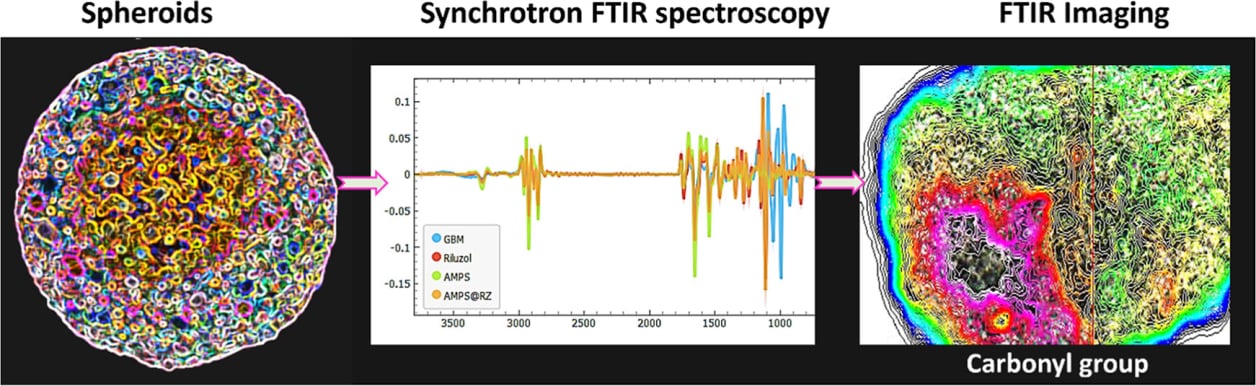
We’re excited to share our recently published work: 3D Glioblastoma Molecular Responses to Carbon Dot–Delivered Riluzole Probed by Synchrotron FTIR
April 28, 2026
This paper demonstrates the capability of SR-FTIR microspectroscopy and imaging combined with multivariate analysis to resolve treatment-induced molecular responses in 3D tumor models while discriminating nontumoral controls. DOI
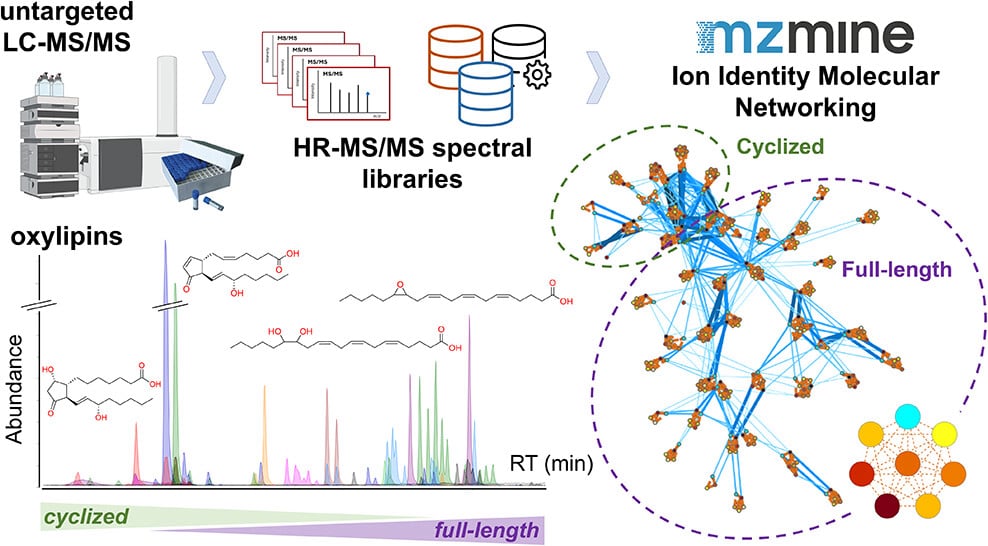
We’re excited to share our recently published work: Decoding the Oxylipin Chemical Space Using Ion Identity Molecular Networking
April 27, 2026
This paper establishes a high-quality MS/MS spectral library from 67 commercially available oxylipin standards using LC-MS data obtained in data-dependent acquisition mode. Overall, this study establishes IIMN as a robust bioinformatic tool for decoding oxylipin diversity and provides a successful strategy for mapping their chemical space, characterizing them within samples, and discovering novel mediators in biological matrices. DOI
InfraMed Alliance Kick-off meeting
April 20, 2026
This week, we attended the IR workshop organized by the InfraMed Alliance. We are proud to be part of this exciting initiative, which aims to bring advances in infrared photonics into medical practice as rapidly as possible.
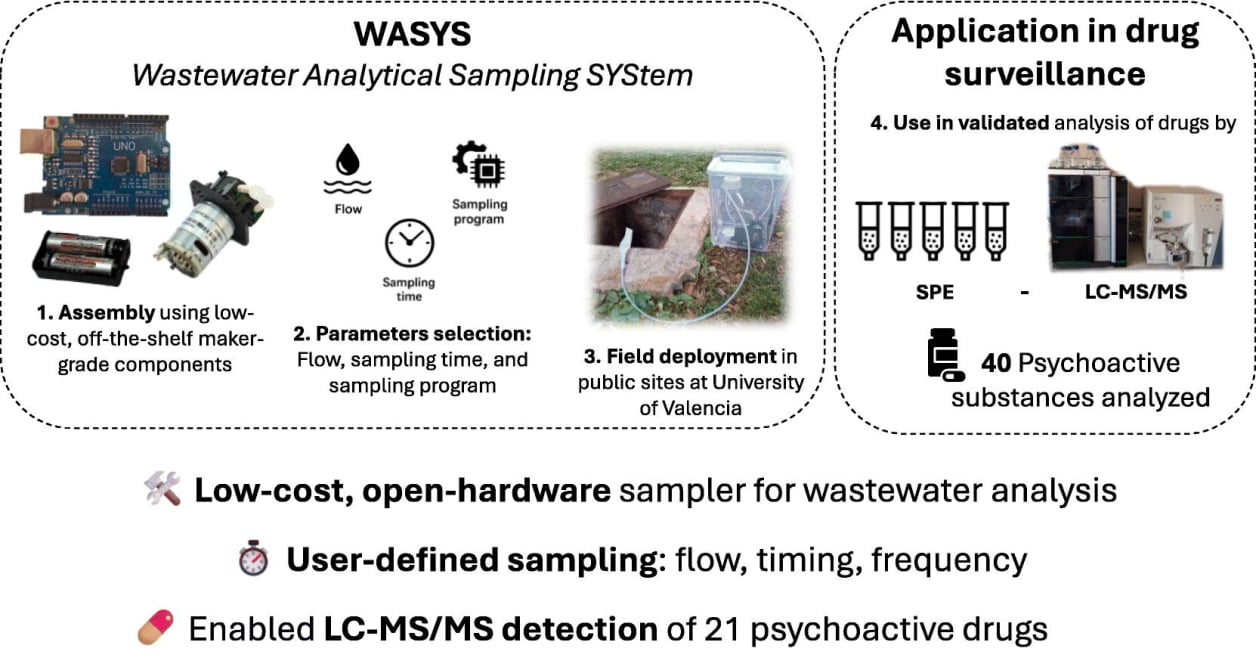
We’re excited to share our recently published work: WASYS: A low-cost composite sampling system for wastewater drug surveillance
April 17, 2026
This paper presents a low-cost, open-source hardware device designed for composite sampling of wastewater in drug surveillance applications. The system integrates a tuneable peristaltic pump controlled by an Arduino-compatible board, a sample collection reservoir, and a lithium-ion battery system, enabling autonomous operation in space-constrained sewer environments. The collected samples were analyzed using a validated LC-MS/MS method targeting 40 psychoactive substances. A total of 21 compounds were detected, including high-frequency pharmaceuticals as well as illicit drugs. These results confirm that WASYS is a reliable and scalable solution for a straightforward wastewater-based drug monitoring. Furthermore, its modular architecture allows future integration of environmental or analytical sensors, opening pathways for broader applications in real-time wastewater surveillance. DOI
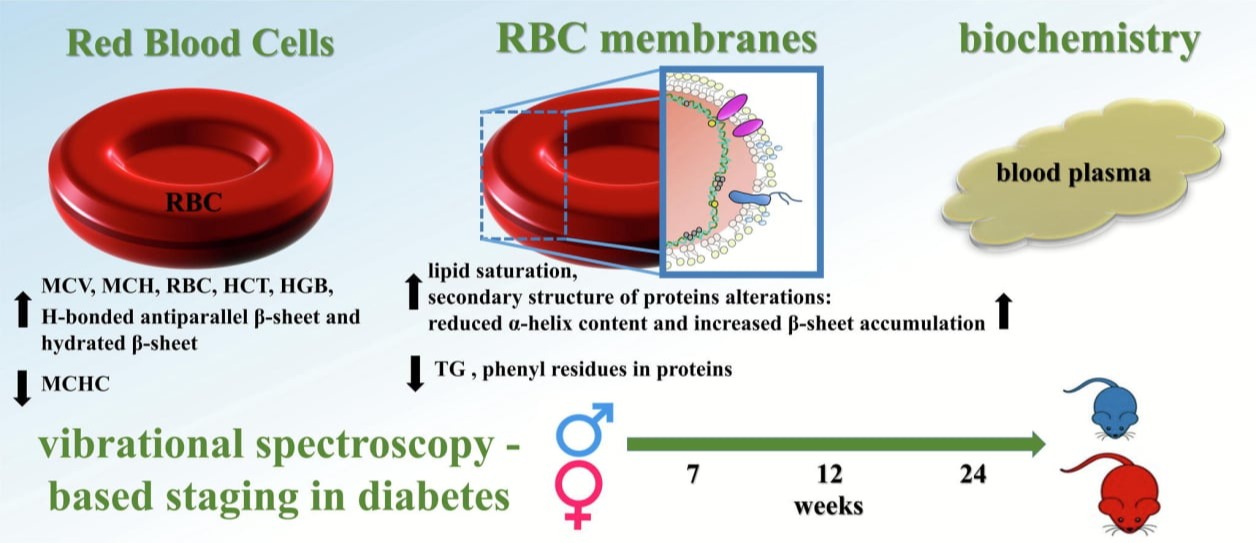
We’re excited to share our recently published work: Next-generation diabetes diagnostics: spectrochemical staging of red blood cells using vibrational spectroscopy
January 25, 2026
This paper demonstrates how vibrational spectroscopy enables non-invasive, molecular-level profiling of diabetes-induced RBC alterations, revealing sex- and age-dependent signatures of disease progression. Multivariate analysis of FT-IR and Raman spectra reliably distinguished diabetic and control RBC profiles, confirming the presence of robust, disease-specific molecular patterns. Integration with hematological and biochemical parameters further validated the diagnostic relevance of this label-free, non-invasive approach. Structural protein analysis revealed a consistent decline in α-helical content and an increase in β-sheet and β-turn structures, reflecting protein misfolding and aggregation, particularly in older diabetic females. Alterations in disulfide bonding, hydrated β-sheets and H-bonded antiparallel β-sheets highlighted oxidative stress-mediated membrane destabilization. DOI
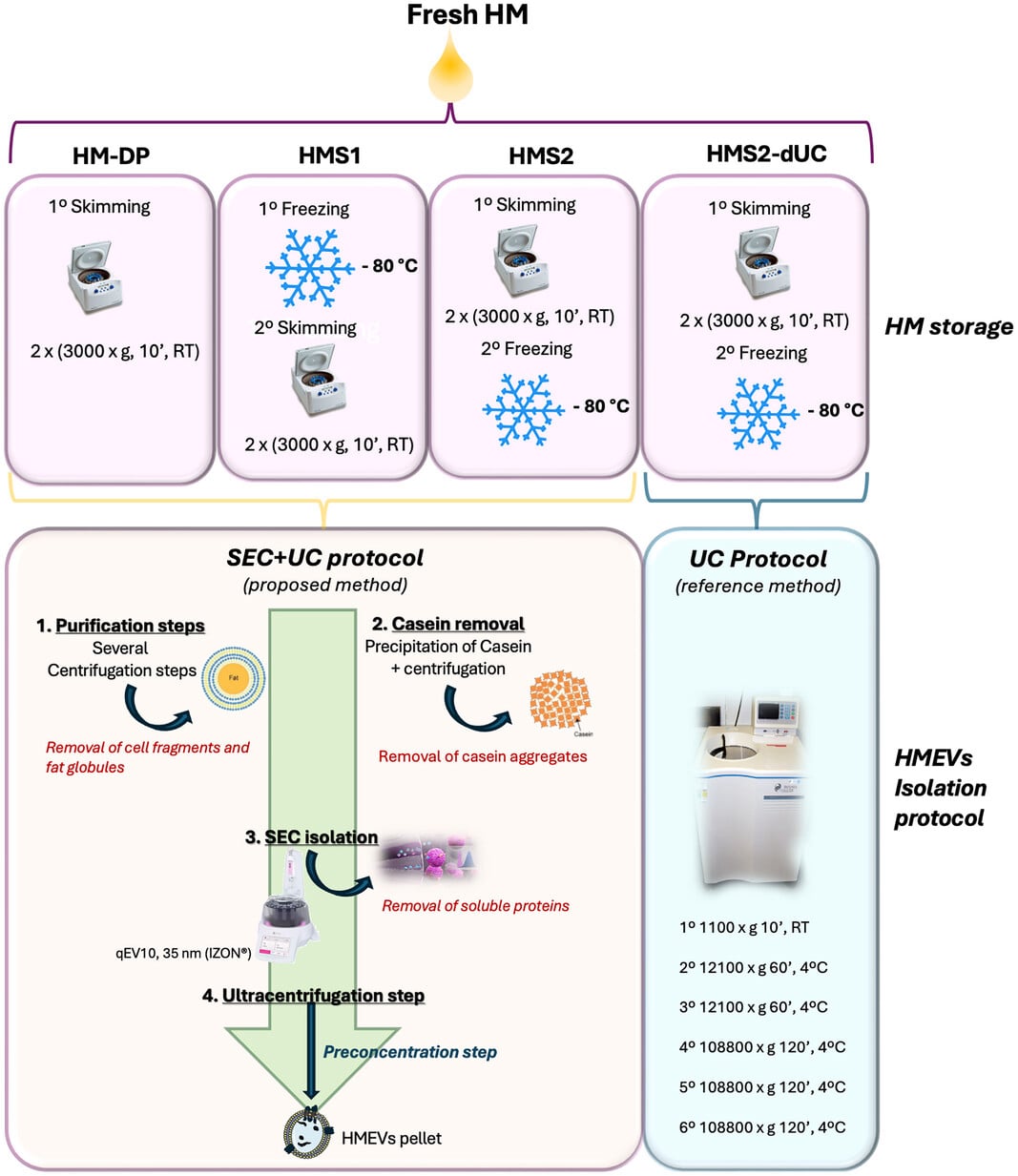
We’re excited to share our recently published work: Workflow for the Isolation and Characterisation of Human Milk Extracellular Vesicles (HMEVs) and Their Inflammatory Biomarker Profile
January 23, 2026
This paper presents an optimised workflow for comprehensive oxylipin profiling in HMEVs. HMEVs were isolated via size-exclusion chromatography and ultracentrifugation, followed by characterisation using attenuated total reflectance–Fourier transform infrared spectroscopy, Western blotting, Exoview immunocapture, tunable resistive pulse sensing and transmission electron microscopy. Cryolysis with liquid nitrogen was employed for vesicle lysis before targeted oxylipin quantification using ultra-performance liquid chromatography–tandem mass spectrometry. The analysis of 10 human milk samples revealed 9,10-DiHOME, 12,13-DiHOME and 11,12-EET as the most abundant oxylipins. This refined pipeline enables in-depth oxylipin profiling in HMEVs and serves as a robust platform for future in vitro and in vivo investigations into EV-mediated lipid signalling. DOI
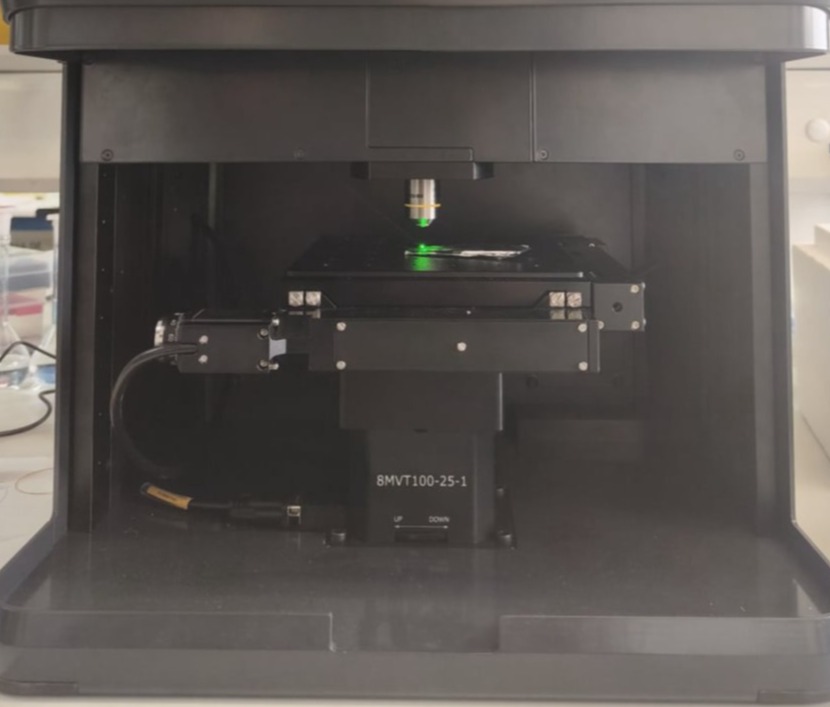
Acquisition of Raman microscope
January 20, 2026
We are excited to announce a new addition to our research group: an RG confocal Raman microscope, fully compatible with our 532 nm and 785 nm spectrometers. This new instrument will play a key role in some of our most ambitious research projects, and we look forward to unlocking its full potential.
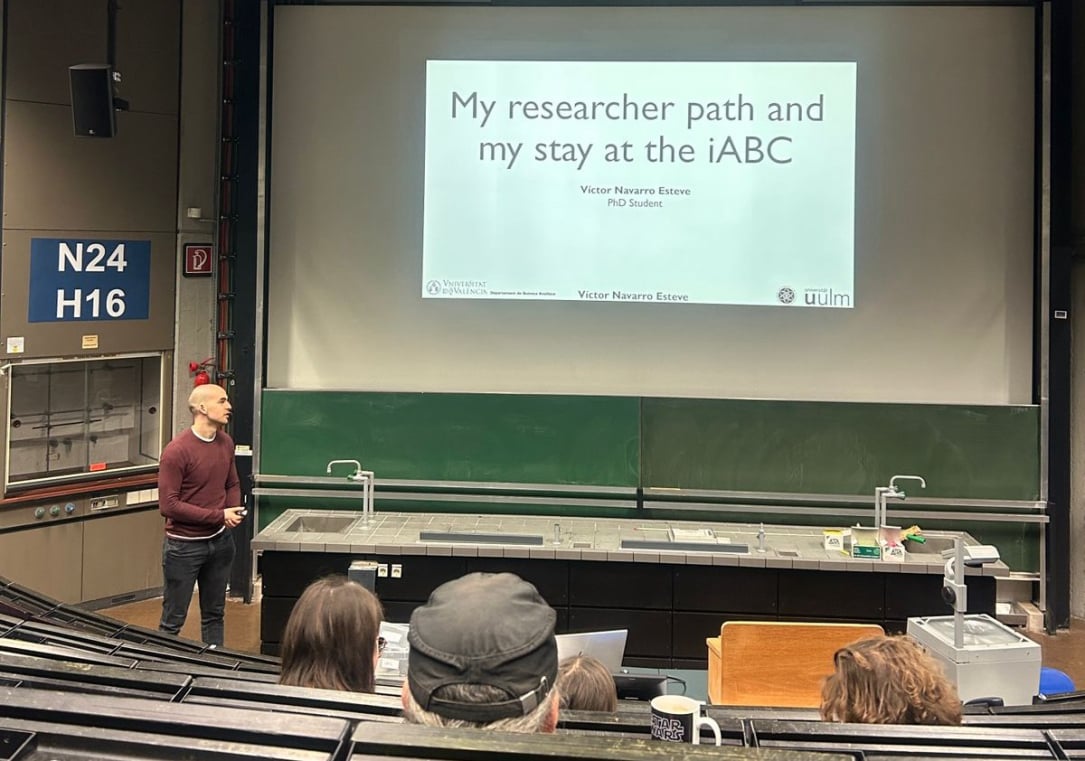
Stay at Ulm University
January 19, 2026
Our PhD student Víctor Navarro Esteve just came back from Ulm University, where he has been for four months working at the Institut of Analytical and Bioanalytical Chemistry under supervision of Dr. Boris Mizaikoff and Dr. Gabriela Flores. Welcome back Víctor!
Visit to professor Xia Yu's group, at Beihang University
December 21, 2025
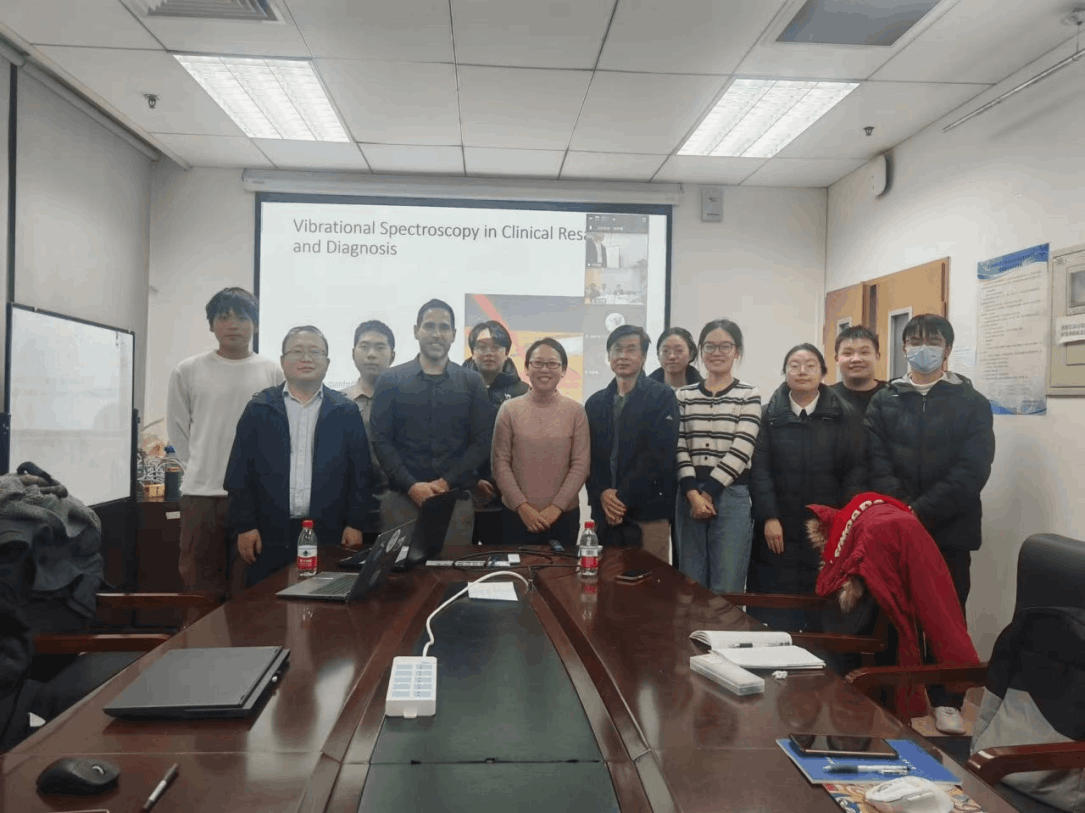
During his visit to China for ICAVS13, our research group leader, David Pérez-Guaita had the opportunity to present some of our work to professor Xia Yu's group, at Beihang University. Thanks a lot to professor Yu for the nice guided visit to the University Museum! Hopefully nice collaborations coming.
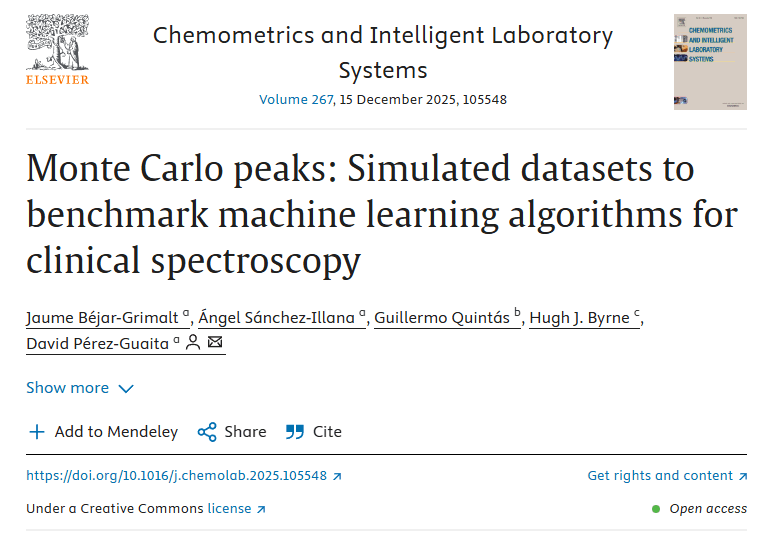
We’re excited to share our recently published work: Monte Carlo peaks: Simulated datasets to benchmark machine learning algorithms for clinical spectroscopy
December 17, 2025
This paper presents a simulation-based framework for generating fully synthetic infrared and Raman spectral datasets to benchmark machine learning methods. Using Monte Carlo simulations of Lorentzian bands, the approach reproduces realistic spectral challenges such as overlapping markers, non-discriminant features, instrumental noise, interferences, and varying sample sizes without relying on experimental data or chemical structures. The framework is used to systematically compare spectral marker identification strategies within PLS-DA models. It also benchmarks multiple machine learning algorithms using both linear and non-linear markers. The main findings are validated with real infrared spectra from human blood serum and saliva, demonstrating the framework’s value as a flexible sandbox for evaluating data analysis and model interpretability in vibrational spectroscopy. DOI
Participation in the Euroanalysis 2025
September 12, 2025
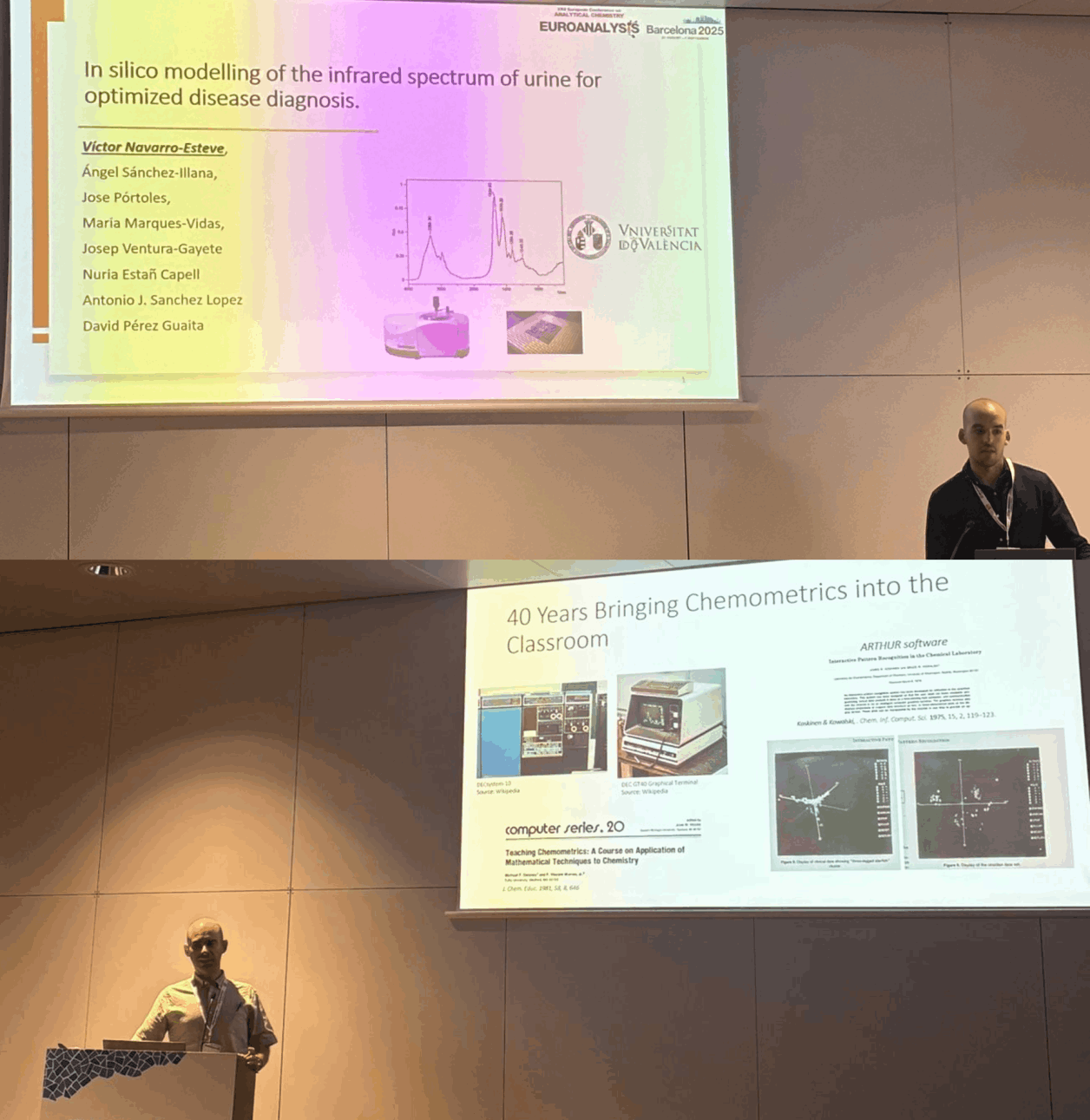
Last week, Dr. Ángel Sánchez Illana and PhD student Víctor Navarro Esteve presented their work at the XXII European Conference on Analytical Chemistry. Two oral communications were delivered: "In silico modelling of the infrared spectrum of urine for optimized disease diagnosis" and "Integrating computational thinking and machine learning into analytical chemistry education: a hands-on strategy using visual and script-based tools". Moreover, two posters were presented: "Large-scale non-targeted LC-HRMS/MS workflow for the profiling of oxylipins and co-extracted metabolites in human urine: application to 491 samples using MzMine and molecular networking" and "Multimodal study of α-PiHP toxicity on hepatic cells".
Participation in the YRChem2025
June 16, 2025
Last week, our PhD student Víctor Navarro Esteve presented the oral communication "Optimization of diabetic kidney disease diagnosis through the in silico infrared spectrum of urine" in the 5th Workshop for Young Researchers in Chemistry.
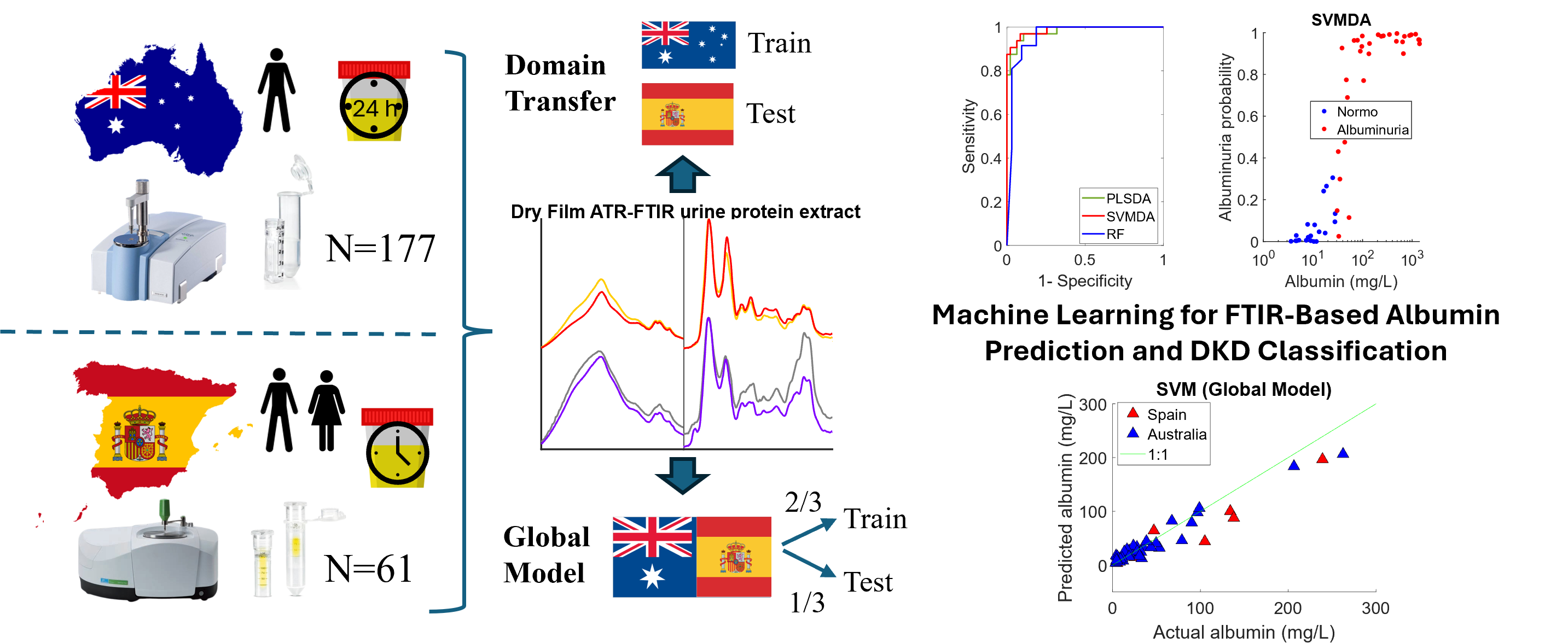
We’re excited to share our recently published work: Towards a global model for Diabetic kidney disease screening using ATR-FTIR
June 06, 2025
This study aims to assess the ability of a FTIR methodology to establish DKD diagnostic models applicable across diverse populations, instruments and experimental conditions worldwide. Results evidence that the spectral markers found in the IR spectra, based on signals arising from albumin and other glycoproteins, have proven to be robust, minimizing the effects of population and instrument variability. doi
International reference guide on oxilipins, fatty acid oxidation products that regulate key physiological processes
May 20, 2025
A research team from 70 institutions, led by Cardiff University (United Kingdom) and the University of Wuppertal (Germany), and including Ángel Sánchez Illana from the University of Valencia (UV), has developed a guide of best practice recommendations for the analysis of oxylipins using liquid chromatography coupled with mass spectrometry (LC-MS/MS). The work was published on Tuesday in the journal Science Signaling.
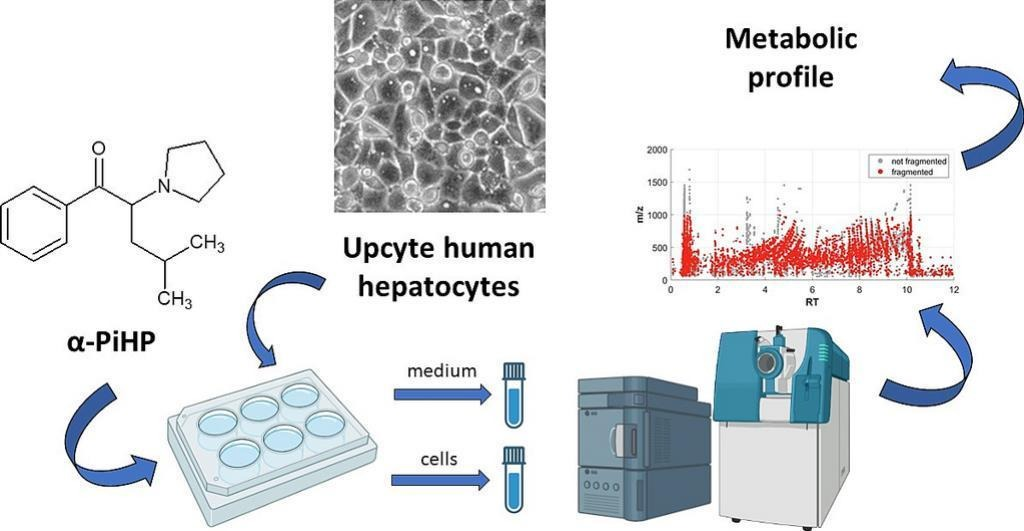
We’re excited to share our latest collaborative work with researchers from IIS La Fe, recently published in the Microchemical Journal:
May 20, 2025
This study presents an automated, data-driven workflow for exploring drug metabolism in Upcyte human hepatocytes, focusing on α-pyrrolidinoisohexiophenone (a synthetic cathinone). Our approach reveals metabolic differences that may be linked to individual-specific profiles—highlighting the potential of combining high-content metabolomics with automated analysis to better understand inter-individual variability in drug metabolism. doi
Participation in the mzmine Community Meeting
May 7, 2025
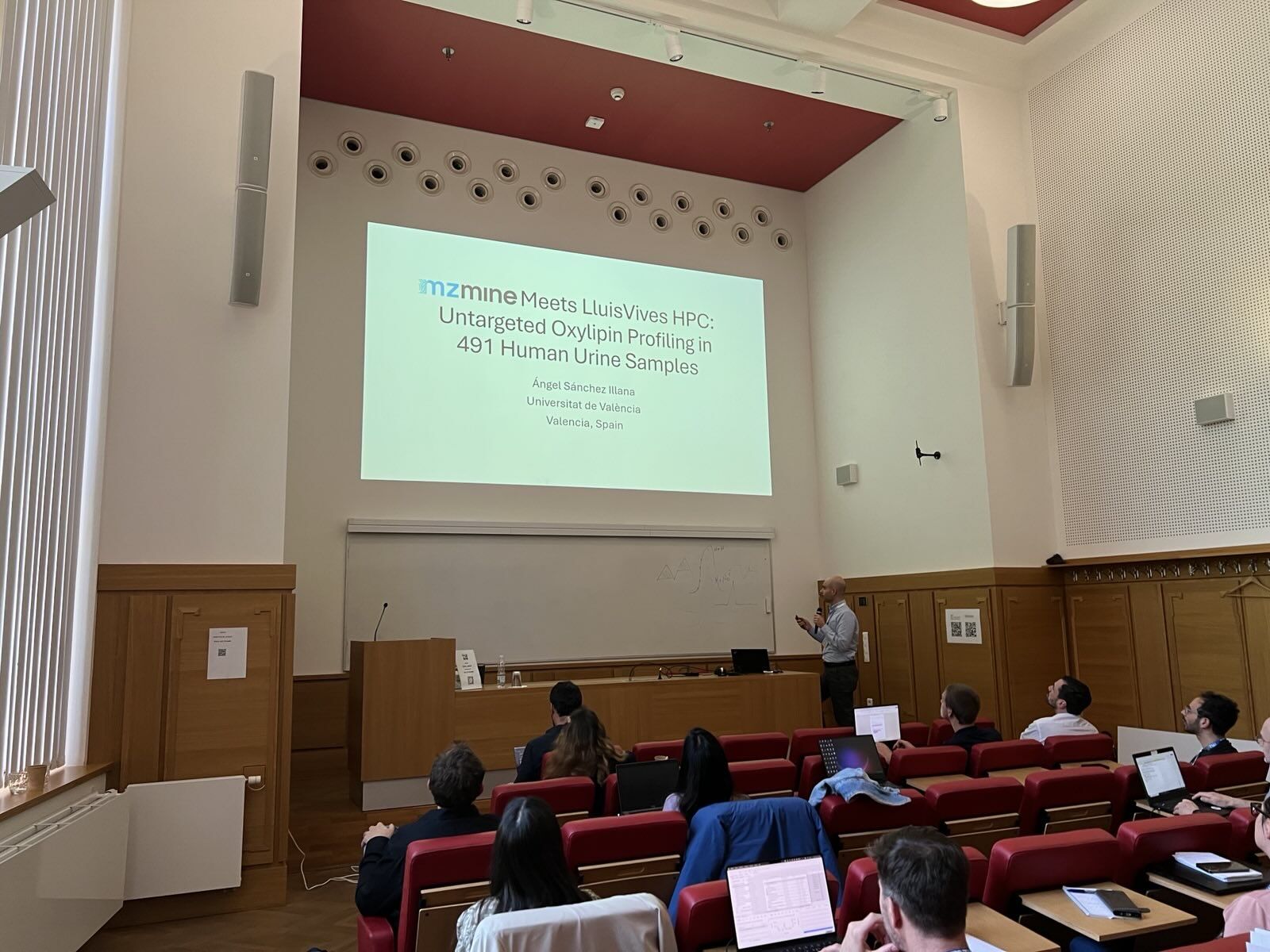
Dr. Ángel Sánchez Illana delivered a community talk at the mzmine Community Meeting, held at the Institute of Organic Chemistry and Biochemistry (IOCB) in Prague. This international event brought together mzmine developers, experienced users, and newcomers to exchange knowledge, explore new features, and foster collaborative development of the open-source platform. In his talk, titled "mzmine Meets LluisVives HPC: Untargeted Oxylipin Profiling in 491 Human Urine Samples", Ángel shared insights from our group's integration of high-performance computing (HPC) with mzmine for large-scale untargeted metabolomics, highlighting computational strategies and challenges encountered when processing hundreds of LC-MS datasets.
The new Spectrometer Alpha II from Bruker has arrived
October 16, 2024
We're excited to announce the arrival of our newest instrument, the Alpha II Spectrometer from Bruker, a compact FT-IR spectrometer with a footprint the size of a laptop. We are looking forward to analyse new samples both in an out of the lab!
SPEC2024
June 5, 2024
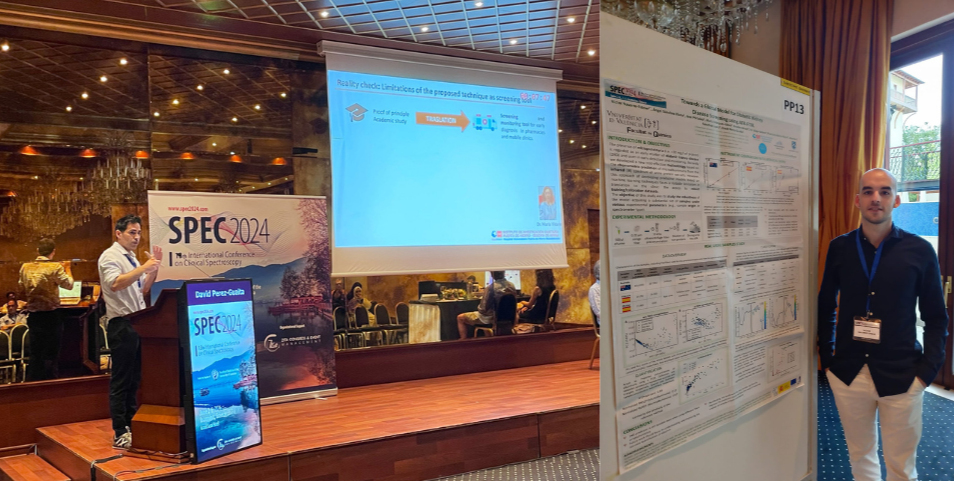
We had the pleasure to assist to the SPEC 2024 where Víctor presented his poster about the development of a global model fir CKD diagnosis using ATR-FTIR and David Perez Guaita talked about spectroscopy based urine screening in the Data science session.
Visit to the ALBA synchrotron
April 27, 2024
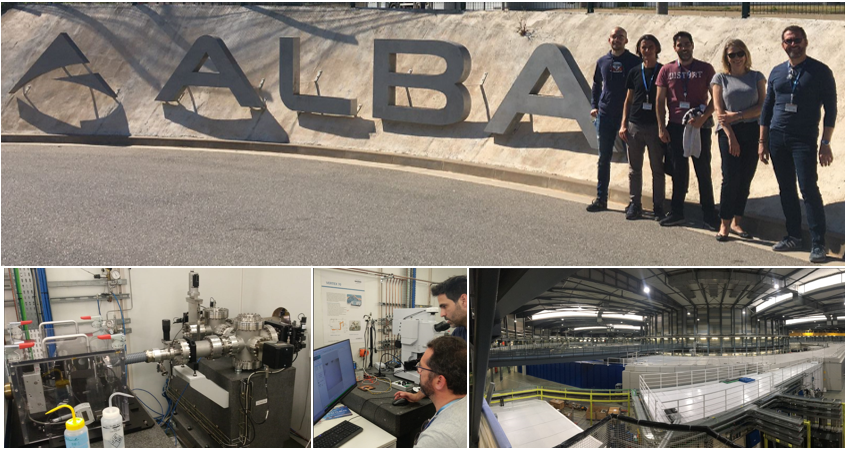
Great experience at the ALBA synchrotron to dig into NPS toxicity in cells using IR light. Thanks heaps to Tanja and the funding from
@AgEInves. Stay tuned for the scoop!
David Pérez Guaita has received the Young Scientist Award at ICAVS
September 2, 2023
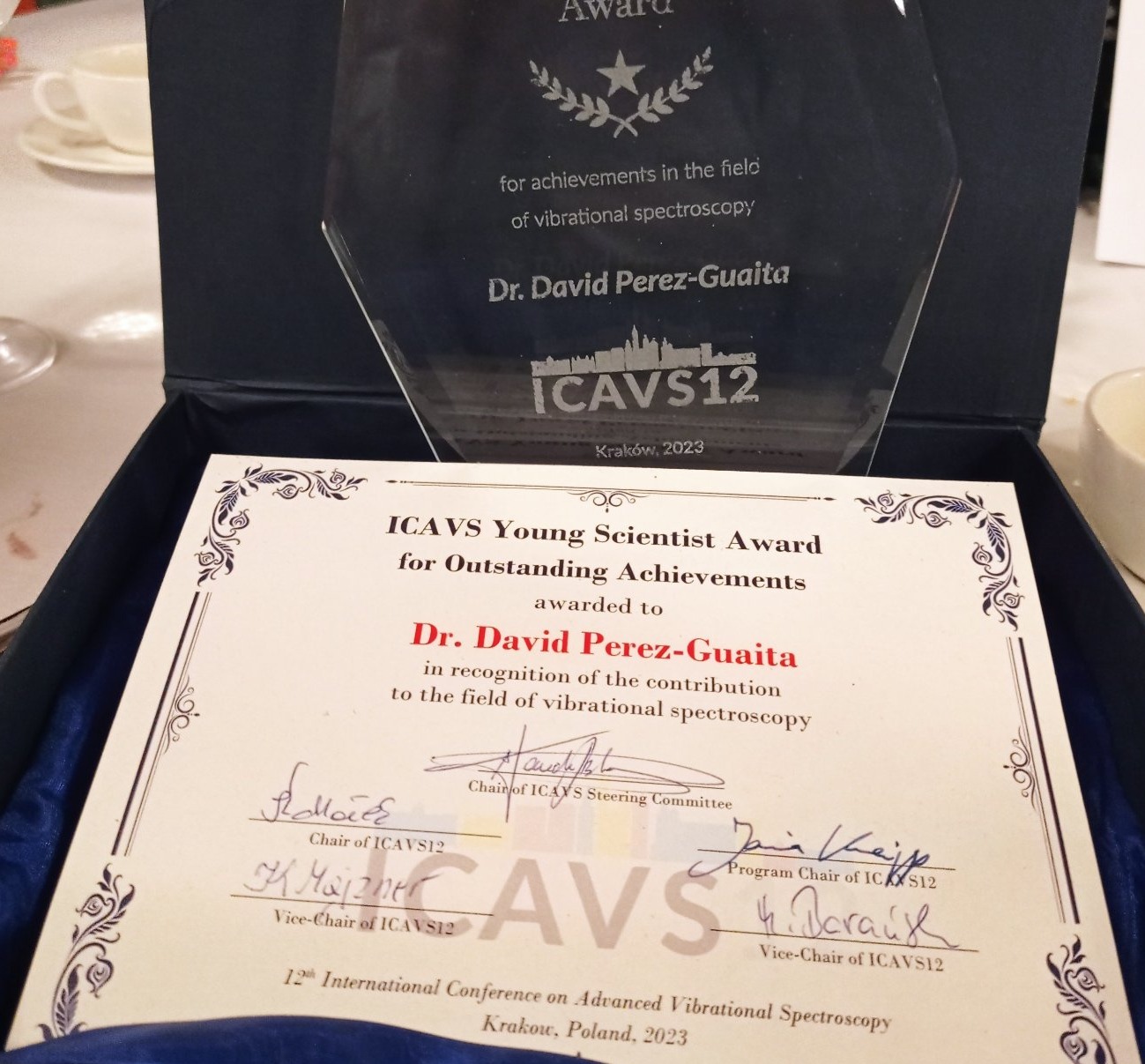
We are pleased to announce that in the ICAVS 2023 held in Krakow David received an award for its contribution as young researcher to the field of vibrational spectroscopy.