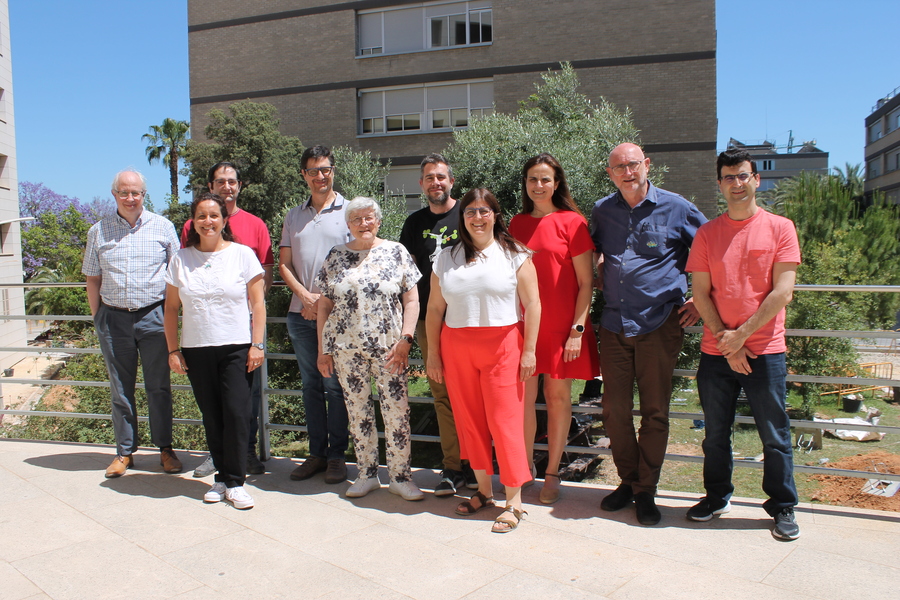
The MODELIC and ScienceFlows research groups form the Universitat de València, in collaboration with the Nanosens research group from the Universitat Politècnica de València, will carry out a project to raise awareness of the risks associated with chemical submission, both opportunistic and intentional
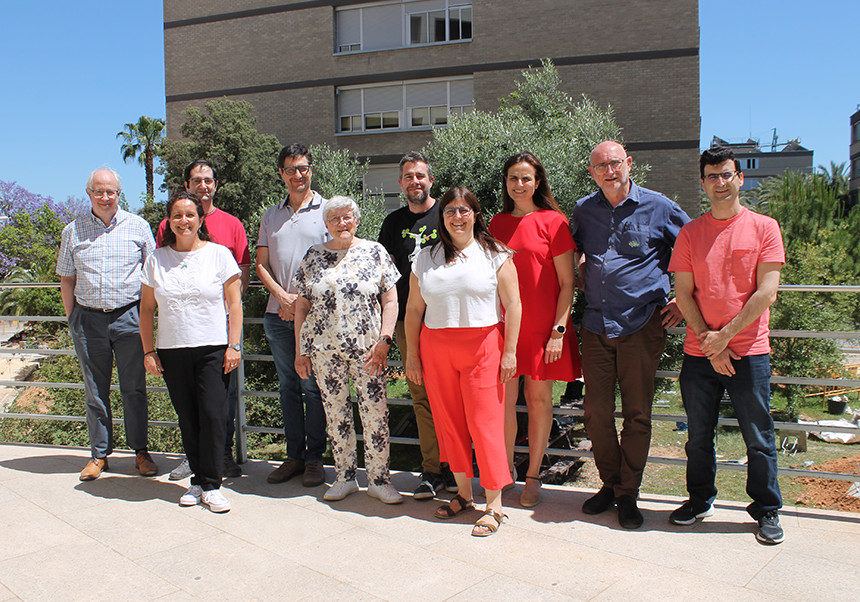
The MODELIC and ScienceFlows research groups at the Universitat de València, together with the Nanosens research group at the Universitat Politècnica de València, have launched the VSAFE project. Over the next 18 months, the consortium will pursue two main objectives: to develop rapid GHB detection kits for use by the general public, healthcare professionals and law enforcement agencies, and to raise public awareness of the risks associated with both intentional and opportunistic chemical submission.
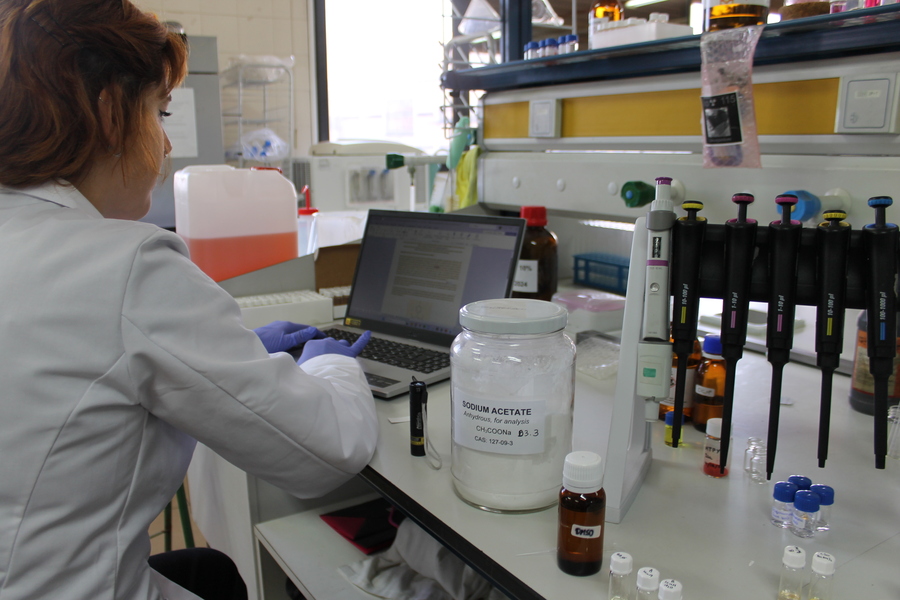
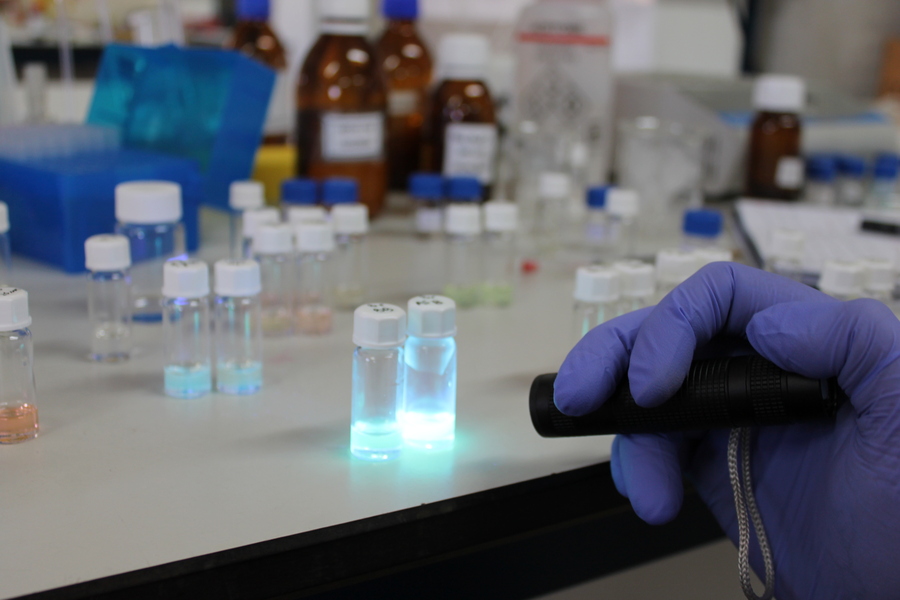
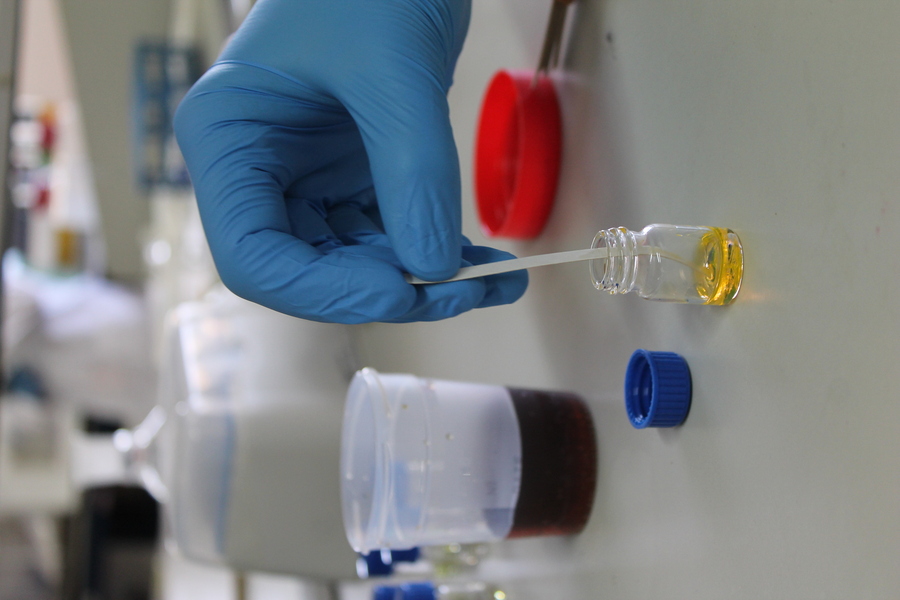
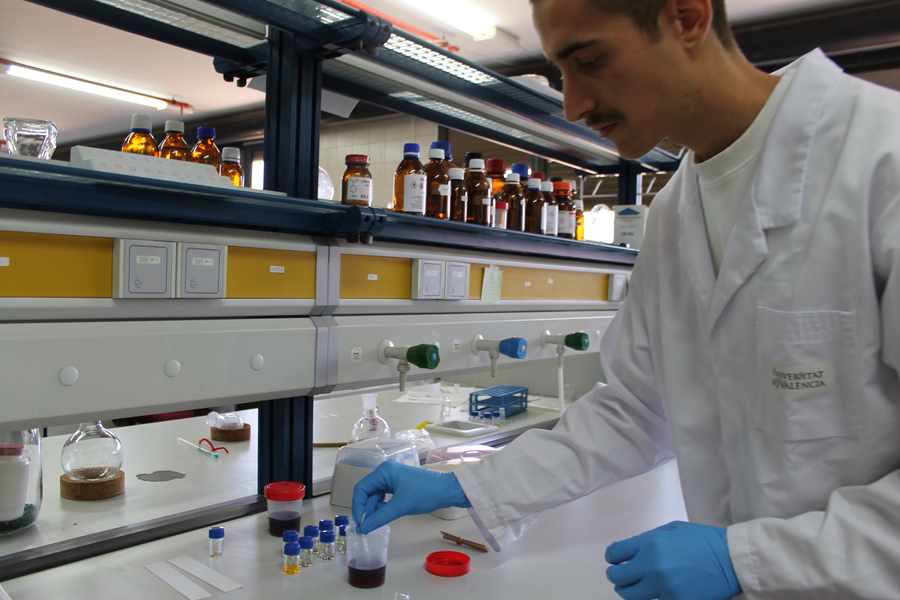
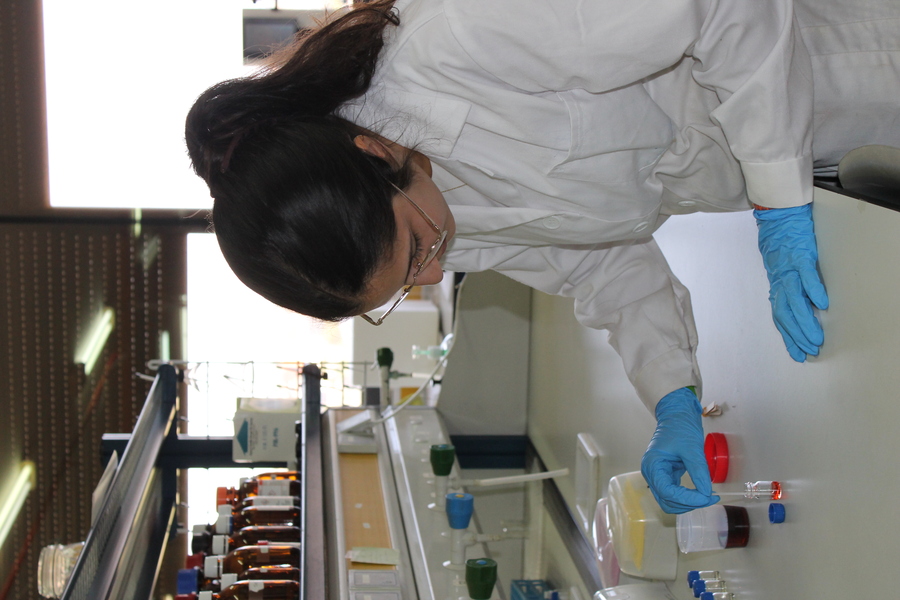
VSAFE builds on the results of the Nosum project, developed by the MODELIC and ScienceFlows research groups, during which a rapid GHB detection kit was created. The prototype was tested by more than 200 university students, whose feedback and recommendations have informed the improvements that will be incorporated into the new generation of VSAFE detection kits.
Following the successful completion of Nosum, which focused on developing a rapid GHB detection kit for drinks, the MODELIC, ScienceFlows and Nanosens research teams will continue their work on preventing chemical submission and increasing public awareness. VSAFE also responds to the concerns and needs identified through the participation of more than 1,000 people in a survey on perceptions of chemical submission, as well as 381 participants in a series of public workshops. As a result, the project will not only improve GHB detection in beverages but will also extend this technology to saliva and urine testing. One of the key recommendations emerging from the workshops was the need for a detection device that is both easy to use and discreet. In response, the MODELIC and Nanosens research groups, both members of the Institute for Molecular Science (IDM), have designed wearable detection wristbands inspired by those commonly used at music festivals. The wristbands incorporate a small testing window where users can place a drop of a drink if they suspect it has been tampered with. A colour change indicates the possible presence of GHB.
Detection kits for saliva and urine
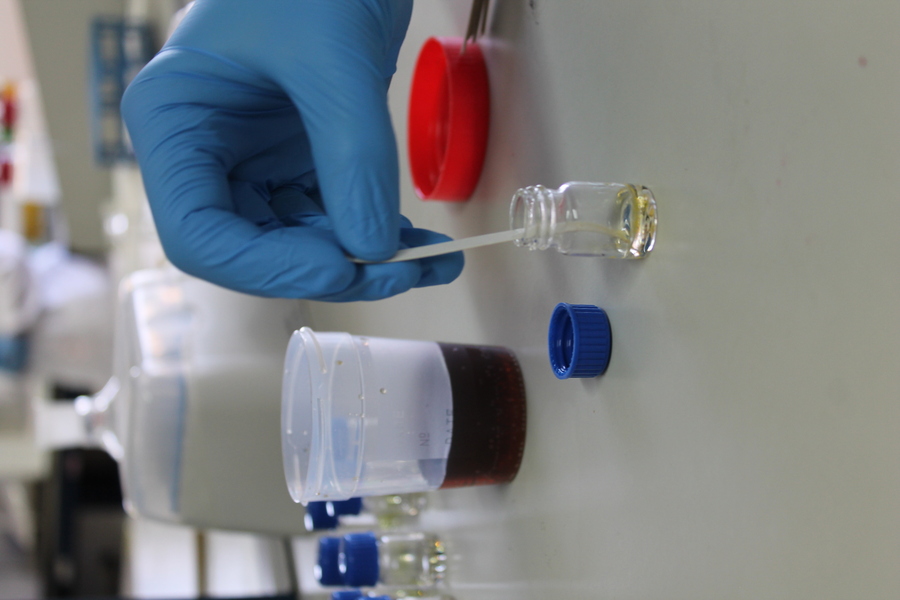
In addition to the drink-testing device, the project will develop GHB detection kits for saliva and urine, specifically designed for use by law enforcement agencies and healthcare services.
The saliva test will enable non-specialist professionals, including police officers and other security personnel, to identify suspected cases of chemical submission rapidly and activate victim protection protocols without delay. The urine test, meanwhile, aims to support healthcare professionals by improving screening procedures and facilitating the timely activation of appropriate clinical protocols.
Mapping the risk of chemical submission
The ScienceFlows research group will also develop a risk map to identify areas where chemical submission is more likely to occur. This tool will support the strategic distribution of detection wristbands and rapid testing kits. Working in collaboration with local authorities and civil society organisations, the project will combine the distribution of these materials with awareness-raising, prevention and response campaigns.
The project's preventive approach addresses not only premeditated or mixed chemical submission, where an offender deliberately adds drugs to a victim's drink to impair their capacity to respond, but also opportunistic chemical submission, in which an offender exploits the vulnerability of someone who has voluntarily consumed alcohol or other substances.
To this end, VSAFE will work closely with public institutions and media organisations to provide reliable information, particularly for young people, on how to reduce risks and, above all, how to respond in cases of suspected chemical submission.
VSAFE objectives
The social dimension of VSAFE has been designed to ensure that its awareness-raising, prevention and detection activities respond to the needs of its main target groups: young people, particularly women.
During the coming academic year, drink-testing kits will be distributed in locations identified as presenting a higher risk of chemical submission. Together with the risk map and an extensive communication and outreach strategy, this initiative aims to provide citizens with practical tools to prevent incidents and to respond quickly when necessary.
Rapid action is essential because the substances commonly used in chemical submission are metabolised quickly, making their detection increasingly difficult as time passes. In addition, victims often experience disorientation, memory loss or memory gaps, which may delay reporting for several days or prevent them from reporting the incident altogether. One of the main challenges in these cases is obtaining evidence that chemical submission has occurred.
In many cases, experts identify situations of opportunistic chemical submission, where offenders take advantage of a victim's state of intoxication to commit an assault. Since alcohol or other substances have been consumed voluntarily, these cases are particularly difficult to prove and are often further complicated by victims' feelings of guilt, which may discourage them from reporting the incident.
Funded by the Spanish Ministry of Health
The VSAFE project has received €95,173 in funding through the Spanish National Plan on Drugs (Plan Nacional sobre Drogas) and has a total duration of 24 months.