.svg)



UV and UNAM organise a meeting to deal with climate catastrophes from science and international cooperation
- Marketing and Communication Service
- Maria Magdalena Ruiz Brox
- November 28th, 2025
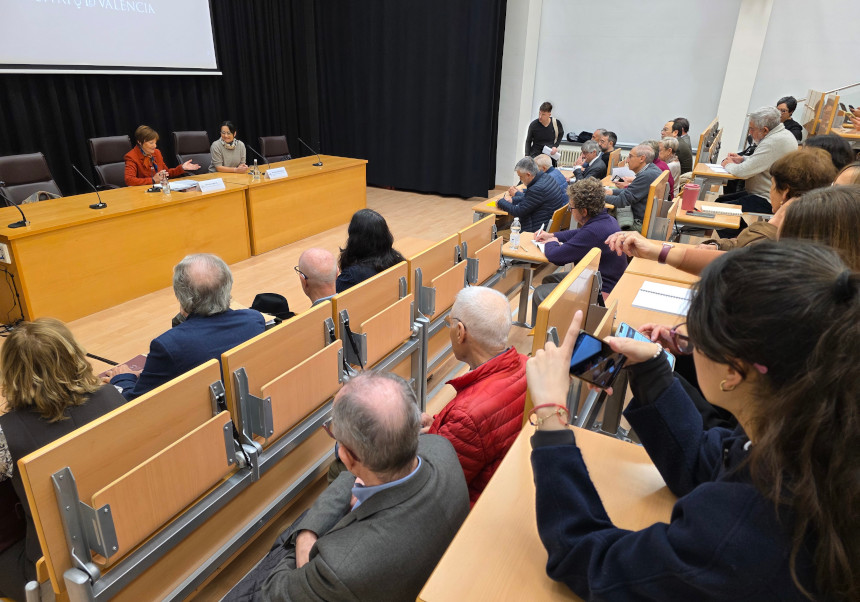
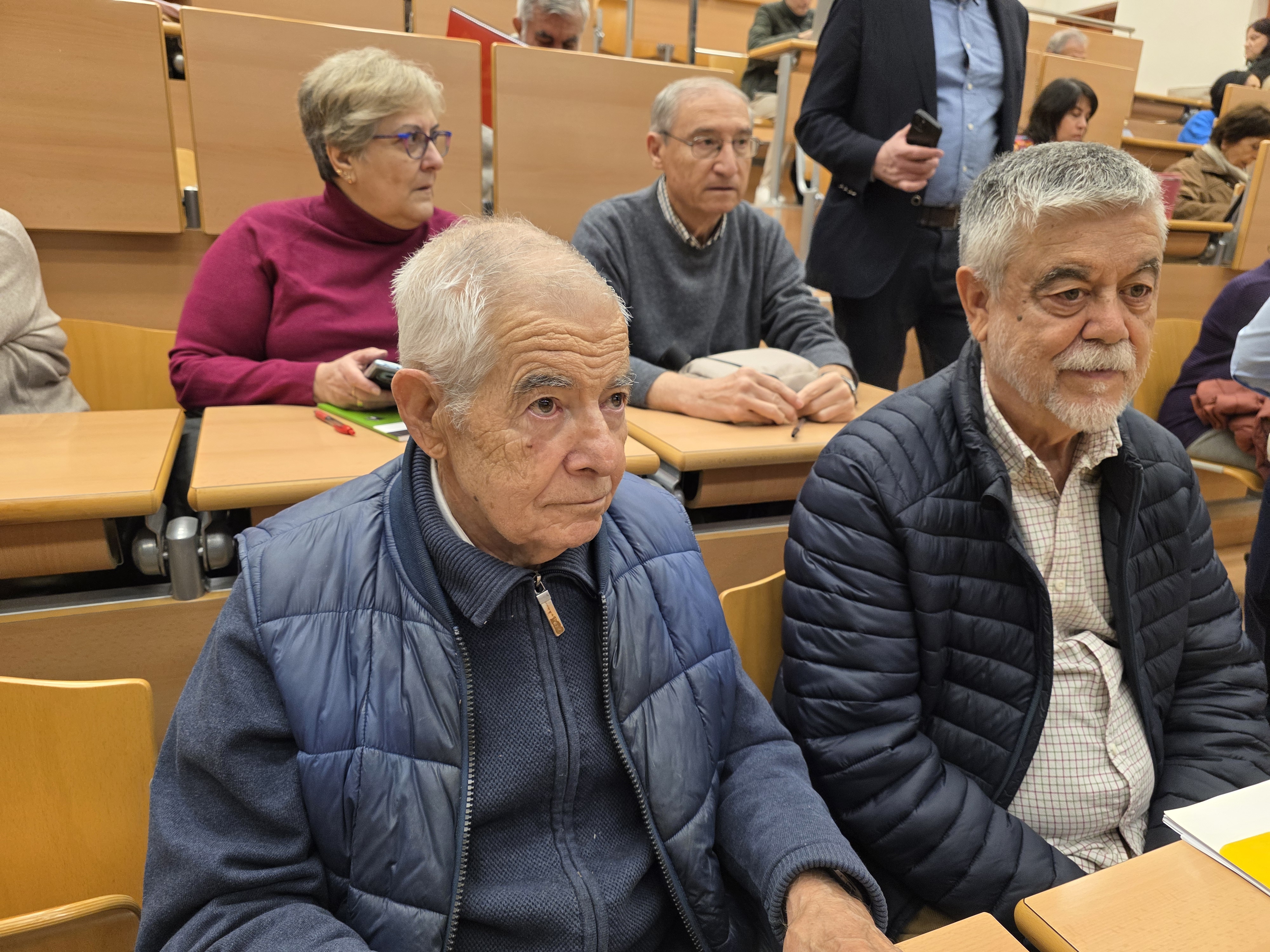
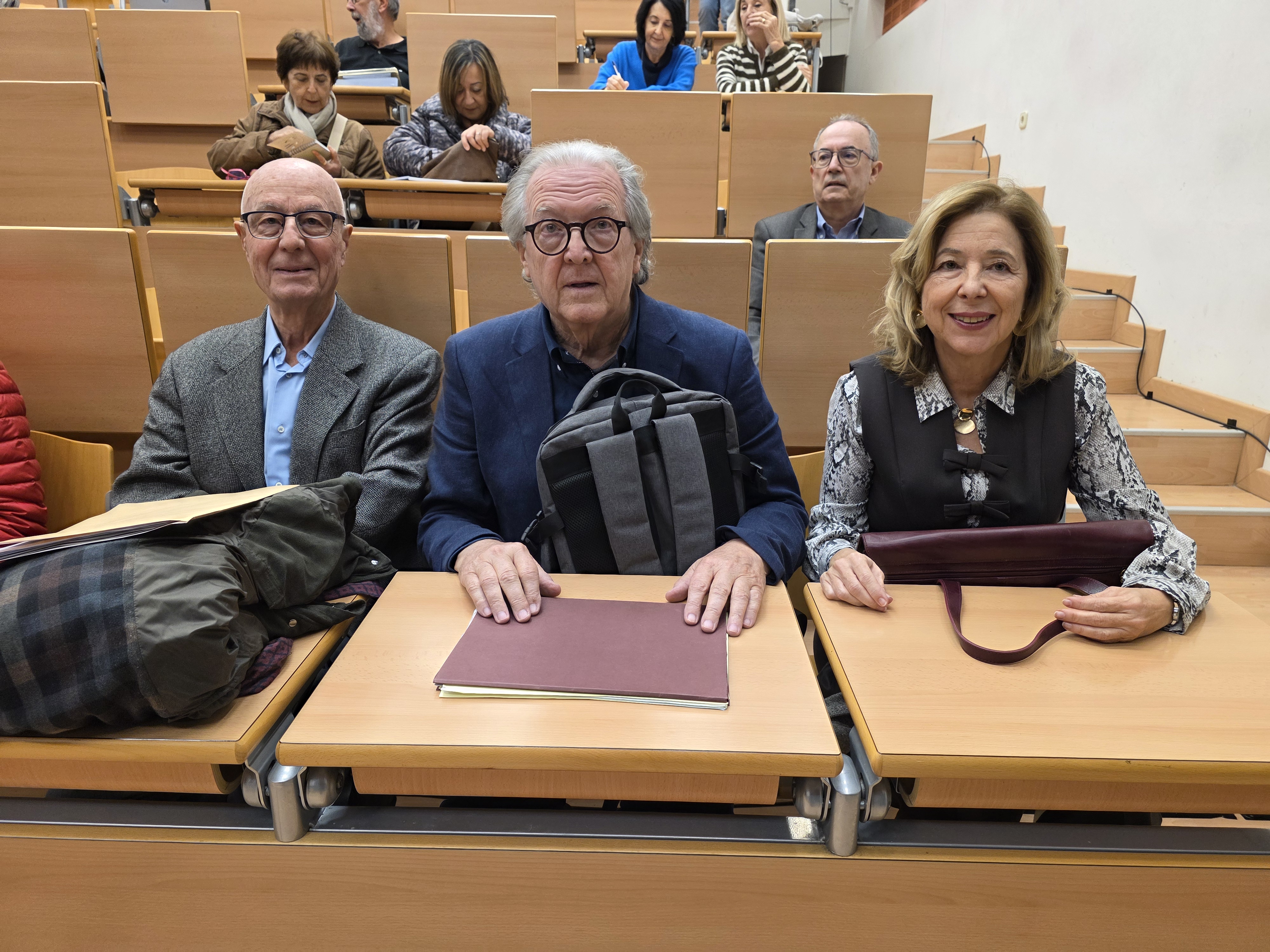
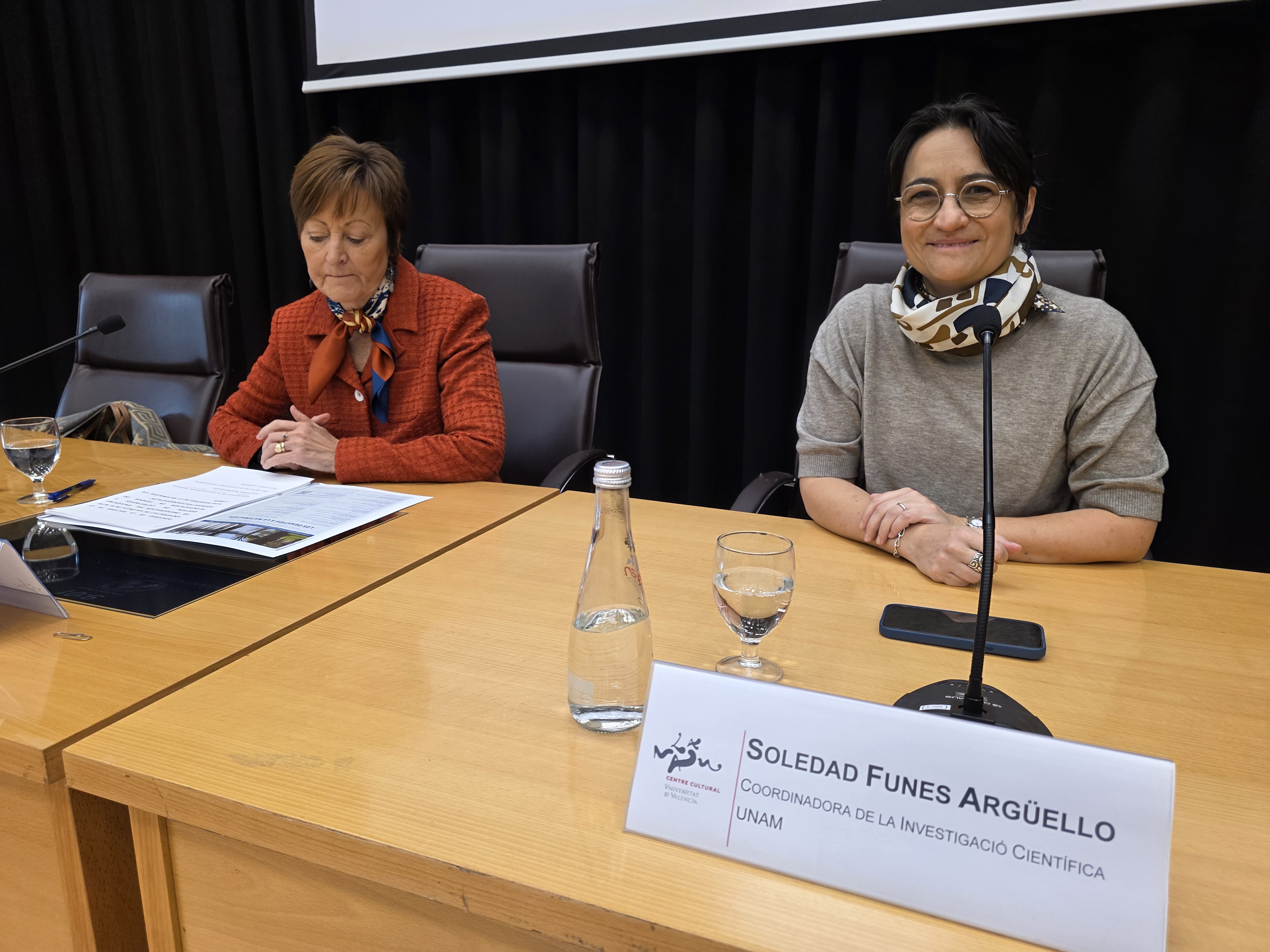
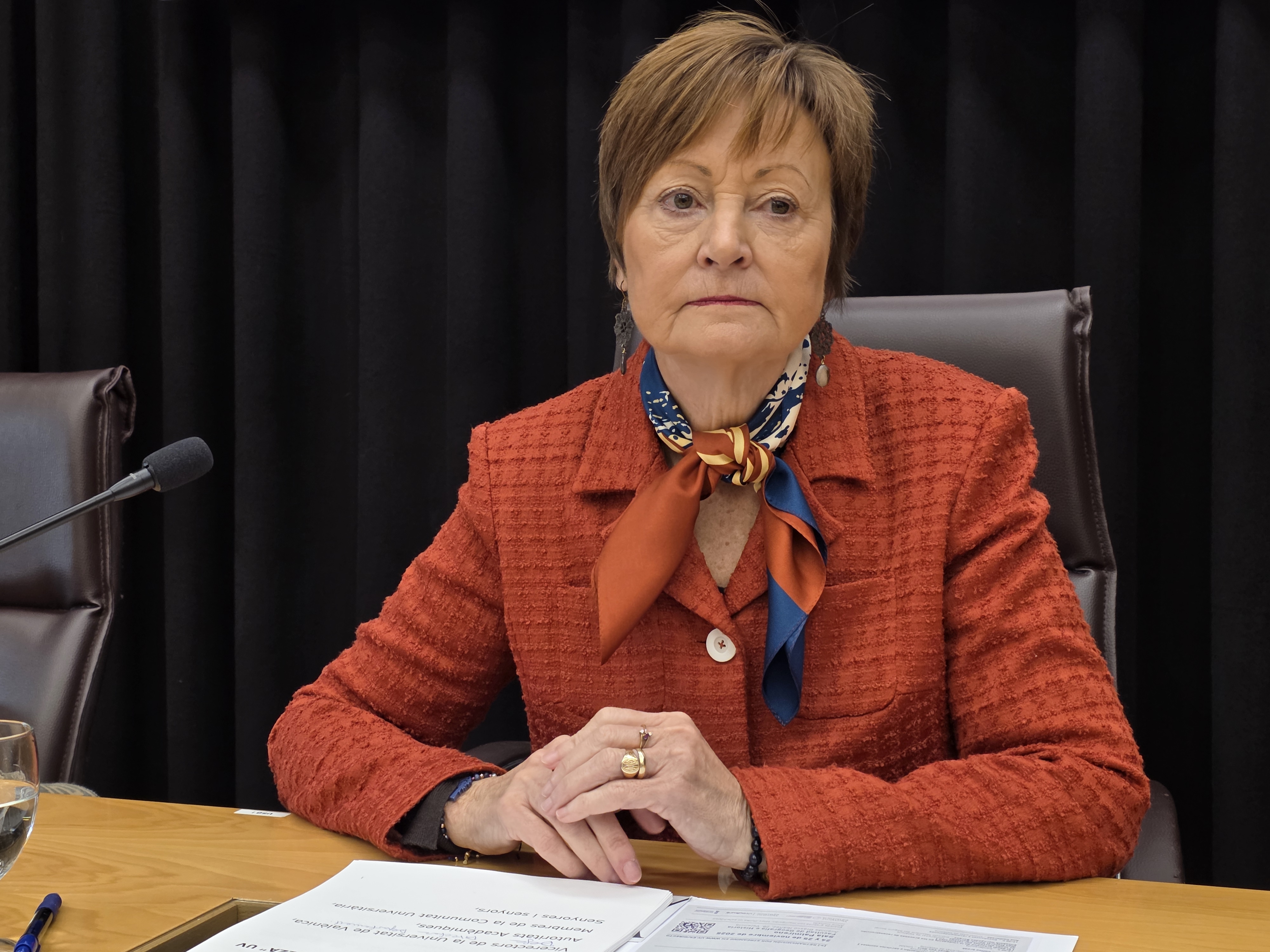
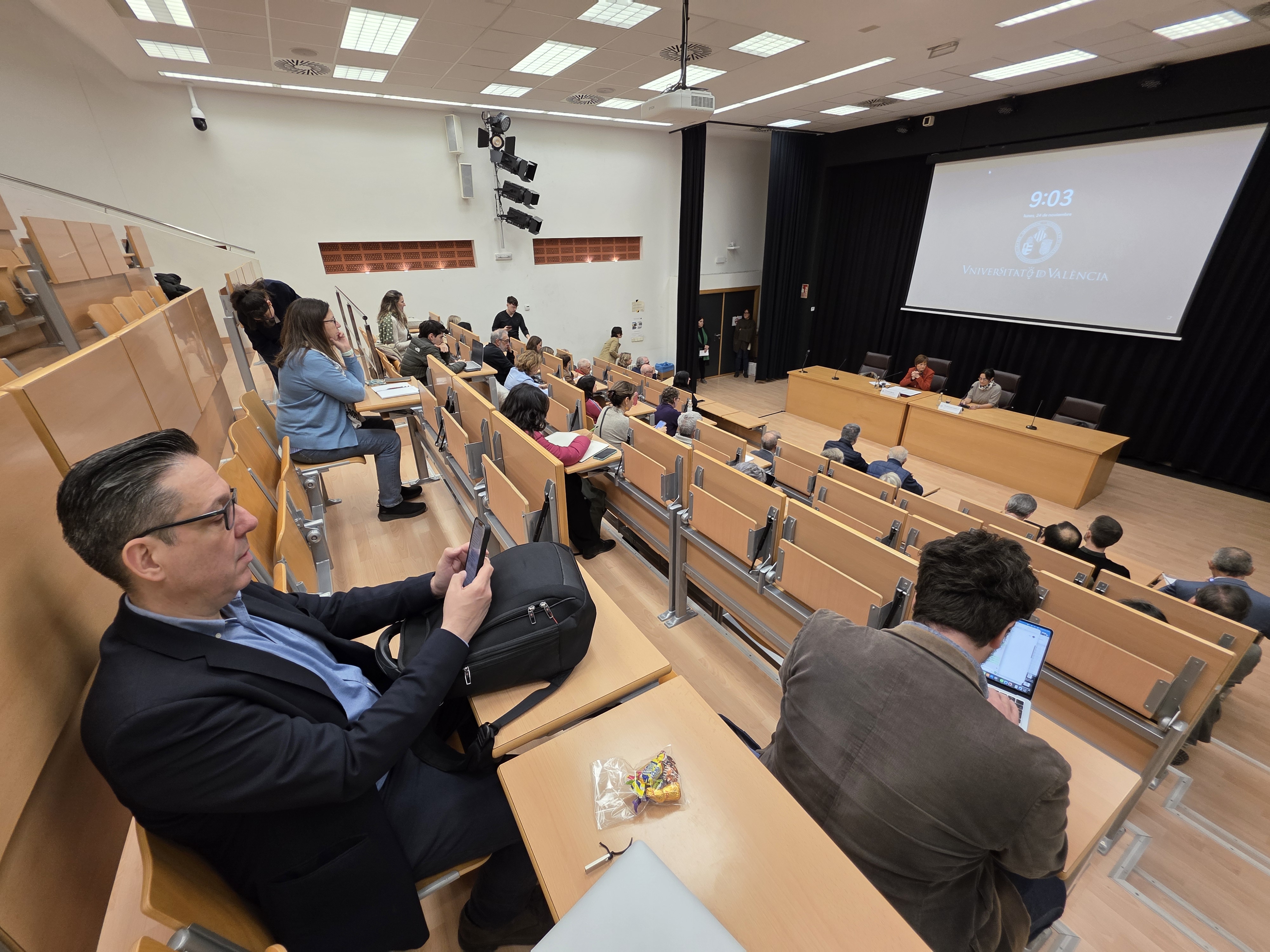
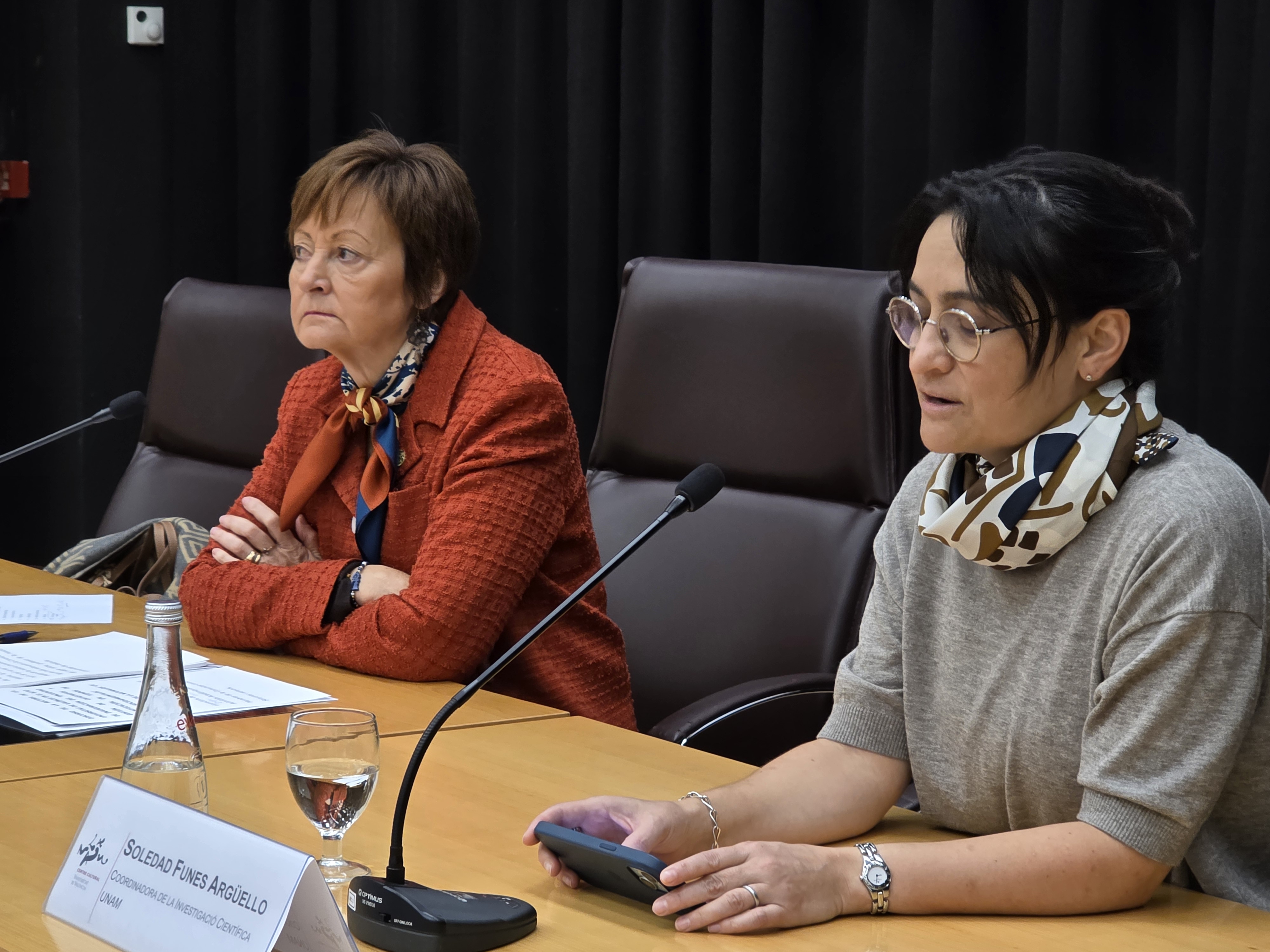
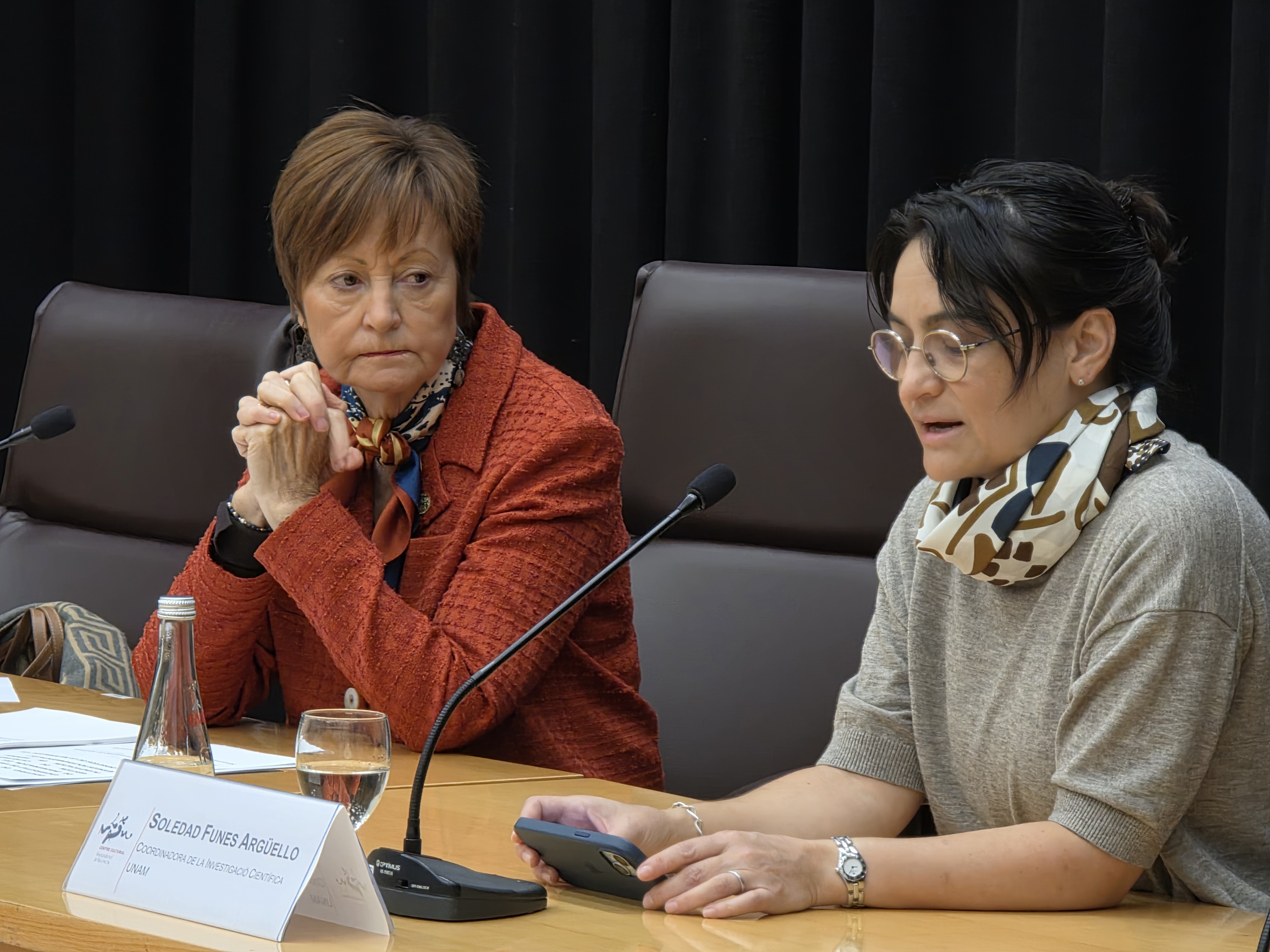
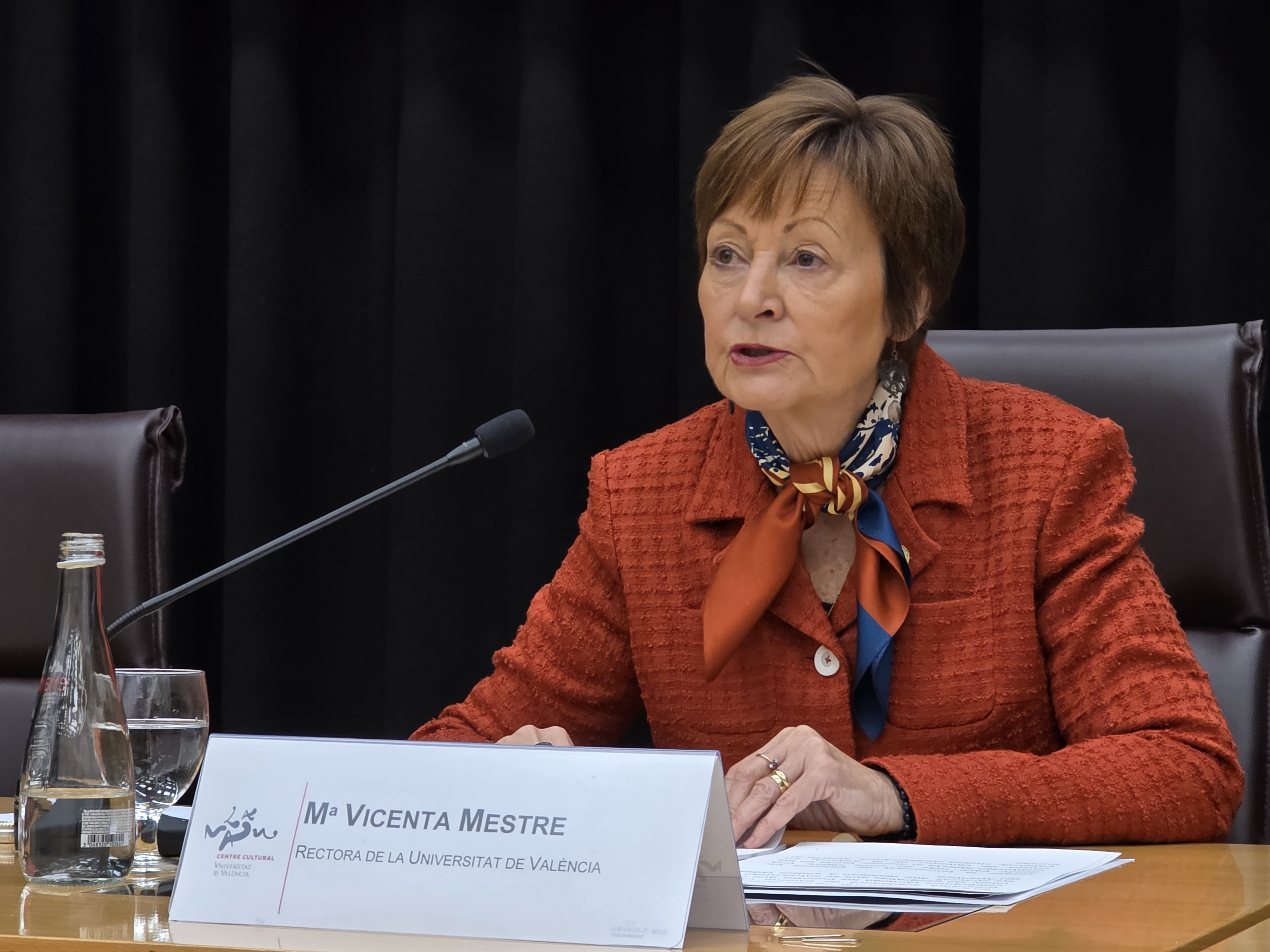
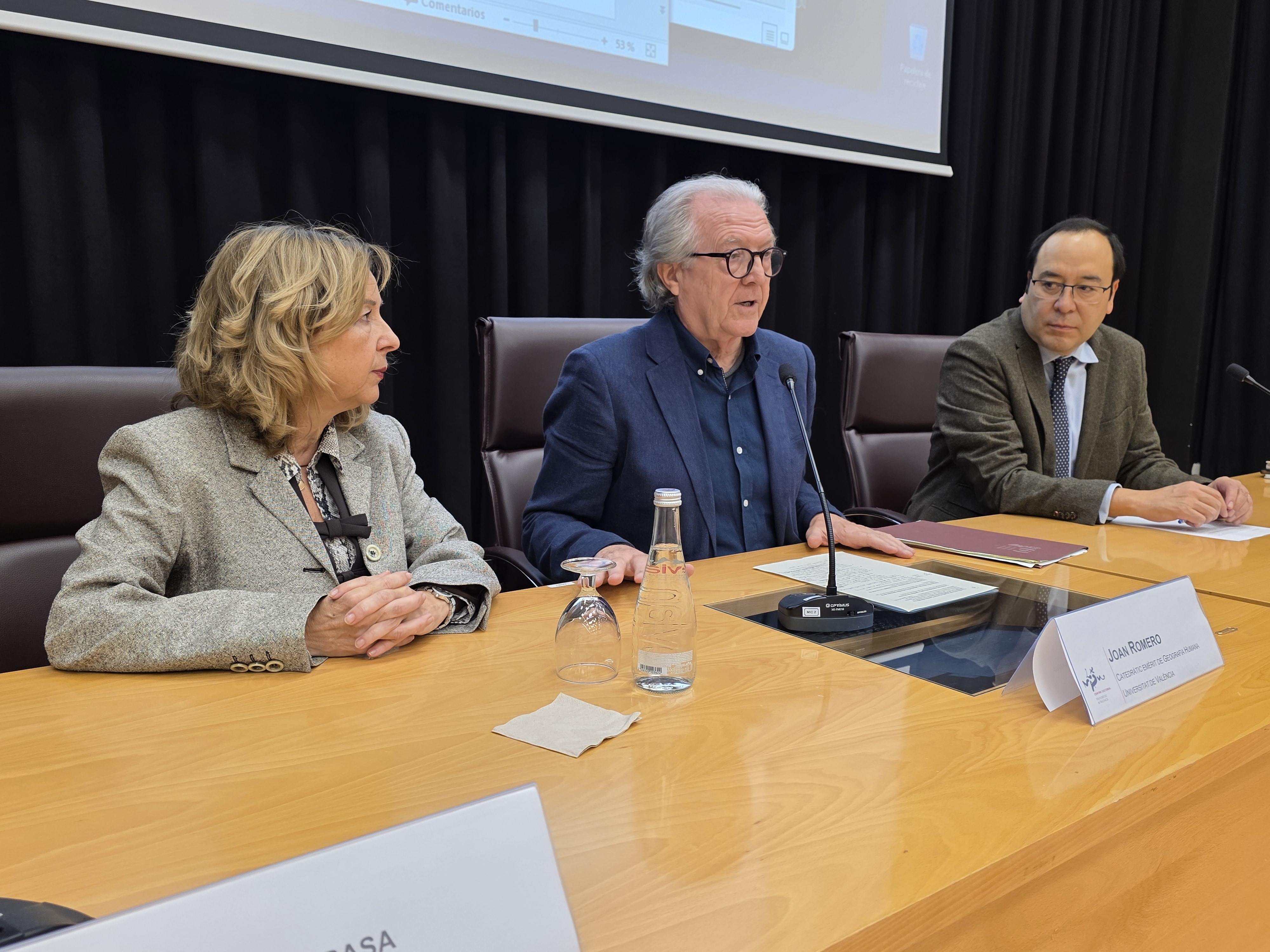
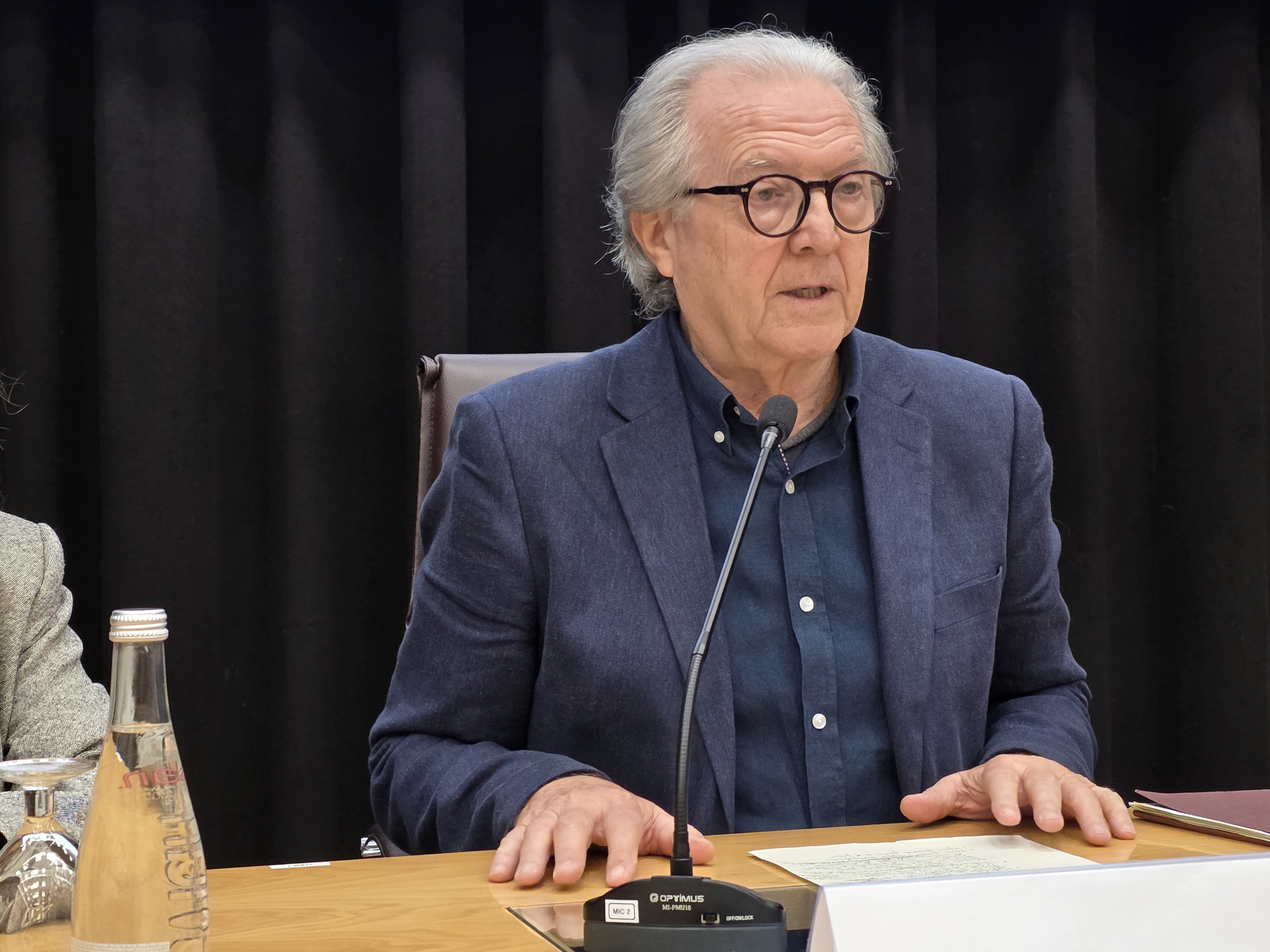
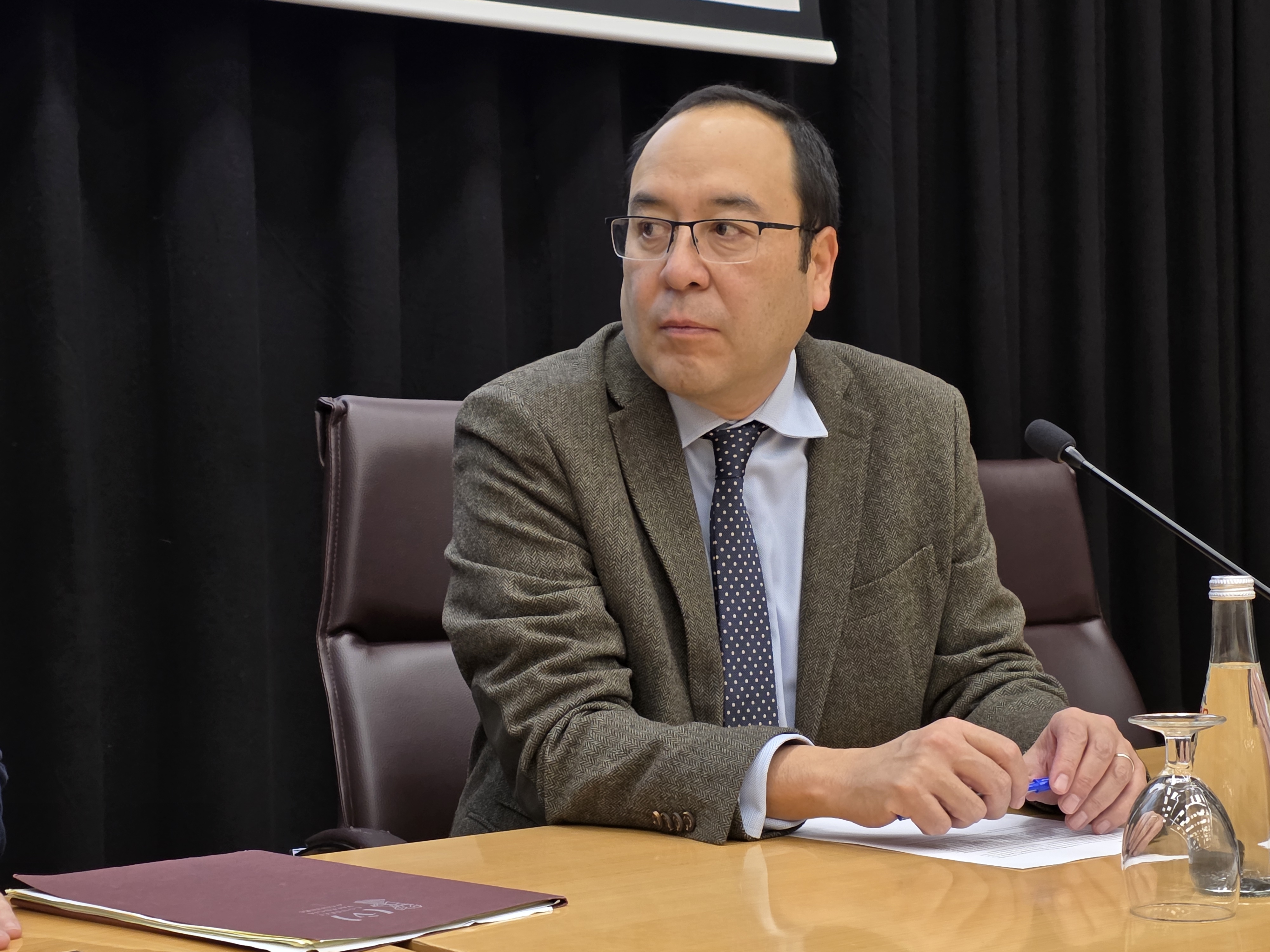
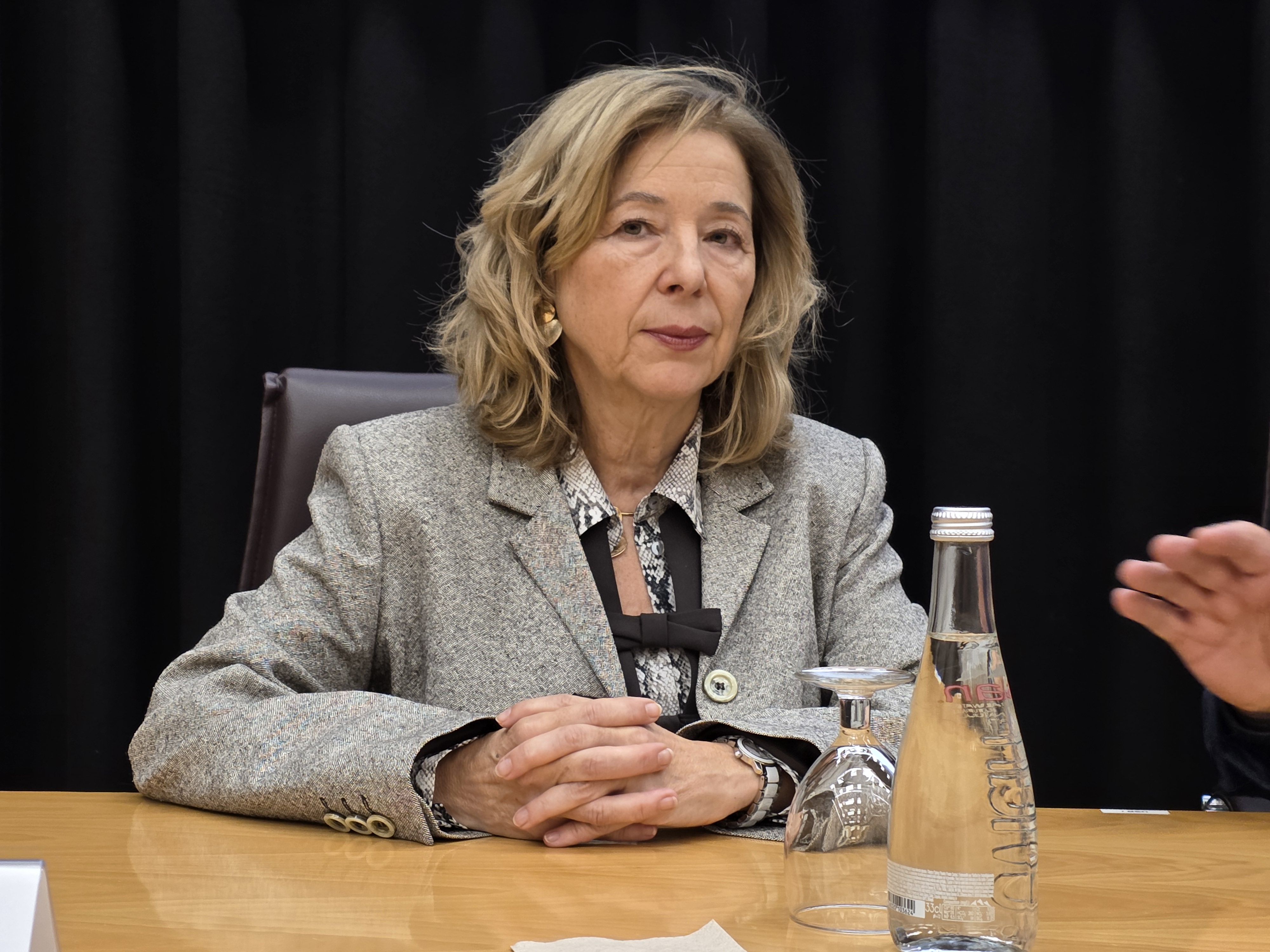
Inauguració de la trobada sobre els desafiaments de la natura a la UV.
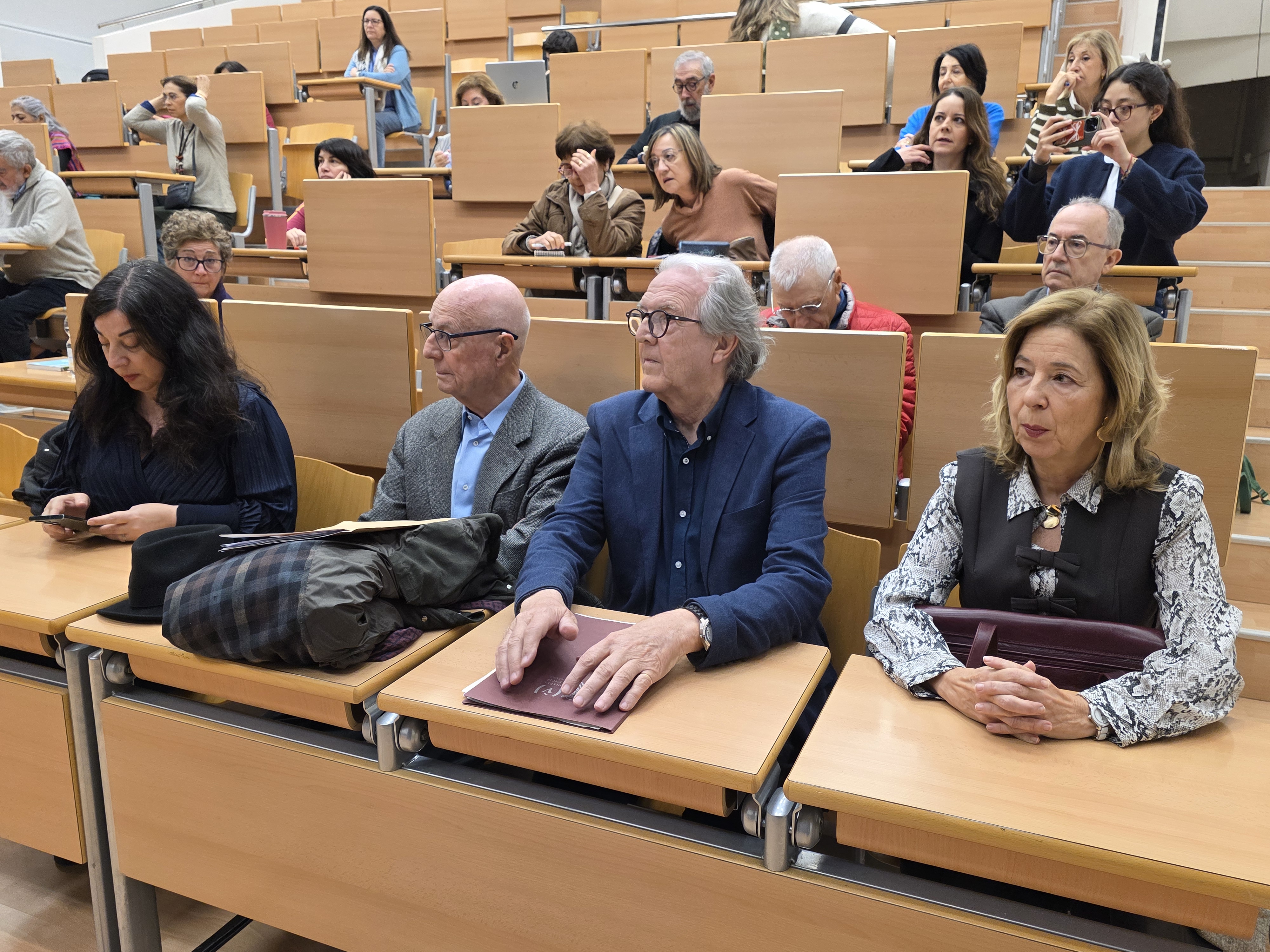
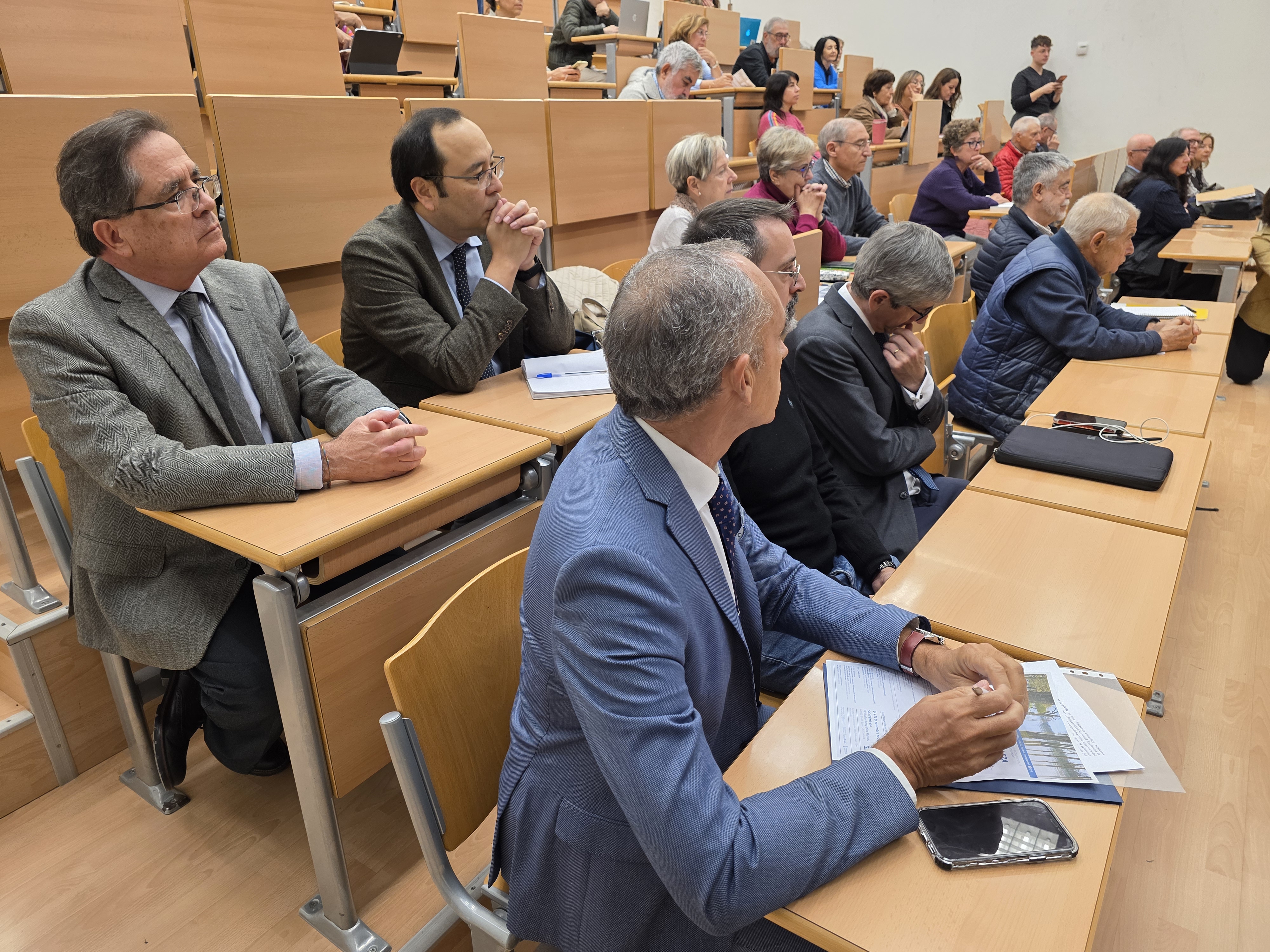
On 24 and 25 November, the Universitat de València (UV) and the Universidad Nacional Autónoma de México (UNAM) brought together around 20 specialists to analyse how to manage catastrophes in times of climate change. The international meeting, which took place at the Faculty of Geography and History, had emphasised the role of science, education and cooperation before Ibero-American socioenvironmental risks that affect directly to communities.
The meeting The challenges of nature. Catastrophe Management and Planning in Times of Climate Change in the Mediterranean, organised by the UV and the UNAM within the framework of the Chair for Climate Change, Territory and Environmental Risks in the Mediterranean and Culture on Campus (UV Culture), gathered for two days specialists from both institutions, both the CSIC and the territorial entities like the Fundació Horta Sud. All the speeches agreed on the same point: climate change is no longer a hypothesis, now it is a certainty supported by broad scientific consensus.
During these two days, different lectures pointed out that, before an increase in the intensity and frequency of extreme phenomena, it is urgent that governments integrate academic knowledge into public planning.
The Principal of the UV, Maria Vicenta Mestre, and the coordinator of the UNAM Scientific Research, Soledad Funes Argüello, inaugurated the conferences marked by the comparative perspective: the DANA that affected València in 2024 and the Mexico City's earthquakes in 1985 were presented as traumatic episodes that allow us to understand shared vulnerabilities.
Funes reminded us that, even though the events that took place in México happened 40 years ago, "the scars remain", and she emphasised the resilience capacity and empathy of the affected communities. She also mentions other recent disasters, such as the forest fires in Castile and León and Galicia (2022) or the hurricane Otis in Acapulco (2023) to claim "the role of scientific knowledge in societies marked by socioeconomic inequalities and institutional weaknesses".
Moreover, the Principal pointed out the historical similarities between Valencia and Mexico City: both were founded on river islands, and therefore, exposed to risks. She also put in value the long collaboration between the UV and the UNAM regarding research, mobility and cultural projects, including the audio-visual links between TV-UNAM and UV Communication and that made it possible to follow this meeting via streaming across the Atlantic and to recover it in the following days in the UV YouTube Channel.
During their speeches, both expressed their gratitude and remembered the Principal of the UNAM, Leonardo Lomelí, who finally could not make it to the conferences.
A coordinated action plan for strong climate governance
The conferences highlighted the urgent need for strong climate governance, coordinated and multidisciplinary, able to effectively incorporate scientific knowledge into public policies. It was emphasised that administrations, from a state to a local level, must incorporate academic evidence to develop adaptation and mitigation plans with regional, metropolitan and urban scope and upgrade water management, reorganise the territory from sustainability criteria, protect ecosystems and reinforce city resilience.
Emphasis was also placed on reviewing the emergency protocols and moving towards transparent governance, with institutional loyalty and State vision. Alongside the technical work, the importance of education, public communication and citizen participation in preparing societies for extreme phenomena and profound environmental transformations was stressed, so that climate literacy and risk management are steadily incorporated into the education system and social deliberation mechanisms. All these guidelines are considered applicable to any territory exposed to the risks associated with global warming, alteration of precipitation patterns, environmental degradation or accelerated urbanisation models.
Images gallery
Categories: Cultura , Conferències i debats
Other News