The year 2025, which marked the celebration of the 15th anniversary of the POLIBIENESTAR Institute, has been especially significant for ScienceFlows. Over the past months, the group has strengthened its research lines, expanded its team through the incorporation of new researchers, consolidated its international projection, and generated results with academic, institutional and social impact.
Strategic projects and scientific leadership
One of the most relevant milestones of the year has been the launch of two new competitive research projects—one funded by the European Commission and the other by the Spanish State Research Agency—which will shape ScienceFlows’ research agenda in the coming years: SCitizen and CONFIDES. Both projects reinforce the group’s focus on citizen participation in science, the social perception of science, and science communication in contexts of crisis or emergency.
The project SCitizen: Science with Citizens, funded by the Horizon Europe programme (Marie Skłodowska-Curie Actions), examines the relationship between science, technology and citizenship, with particular attention to the social perception of science and to mechanisms of citizen participation in scientific processes. The project is led by Elena Dènia, a postdoctoral researcher currently affiliated with the Australian National University, a partner institution within the consortium. Within the framework of SCitizen, representations of scientific participation in popular culture are also analysed, with the aim of better understanding collective imaginaries regarding the role of citizens in knowledge production.
In turn, CONFIDES: Public Perception and Post-COVID-19 Science in Spain: Trust and Disinformation in Vaccines, Climate Change and Artificial Intelligence, funded by the Spanish Ministry of Science, Innovation and Universities, analyses the evolution of citizens’ perceptions of science communication since the pandemic. The project compares the results of the CONCISE citizen consultation (2019) with new data collected in 2025, incorporating the impact of disinformation, rumours and conspiracy theories, as well as a new thematic axis focused on artificial intelligence.
Citizen consultations and public participation
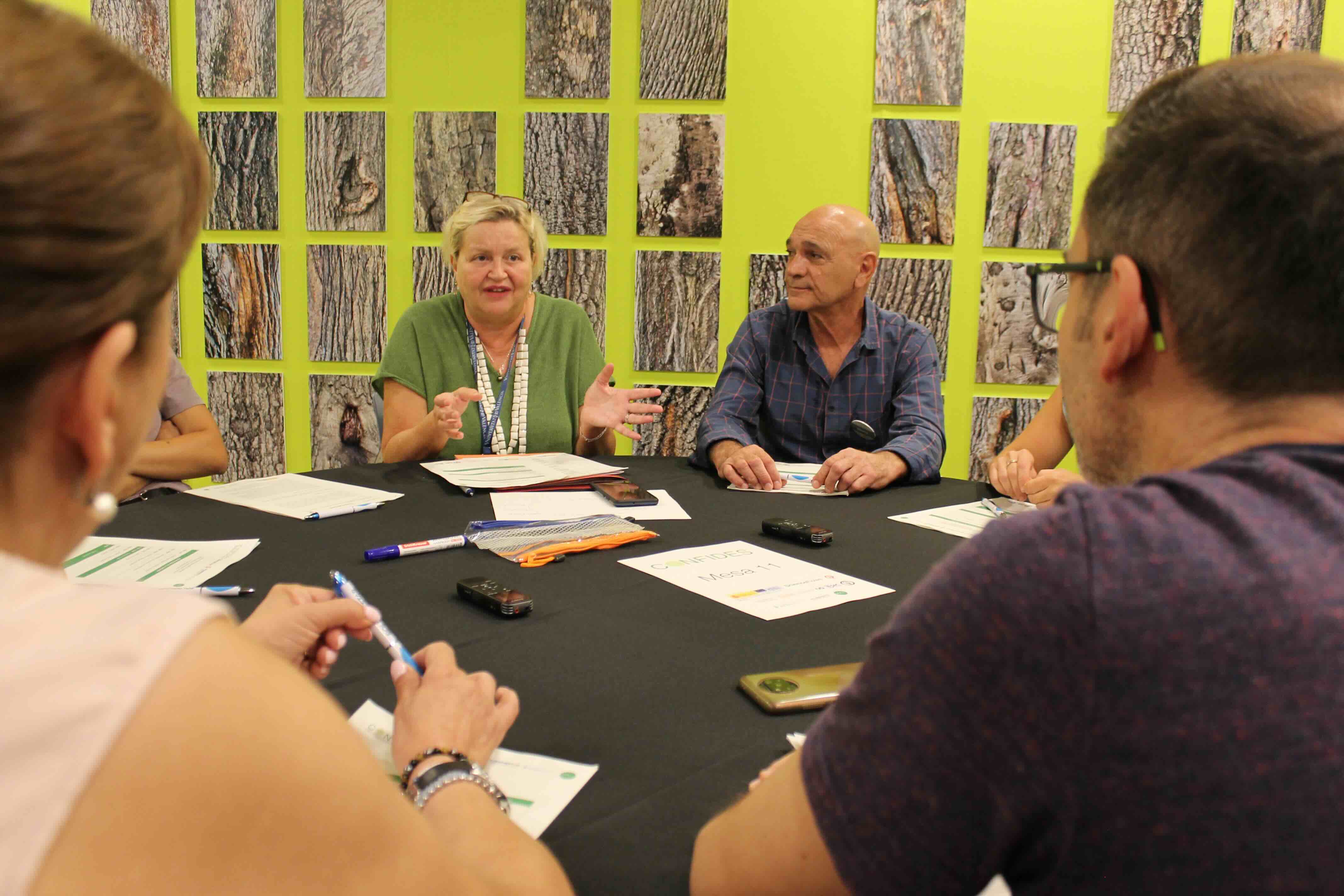
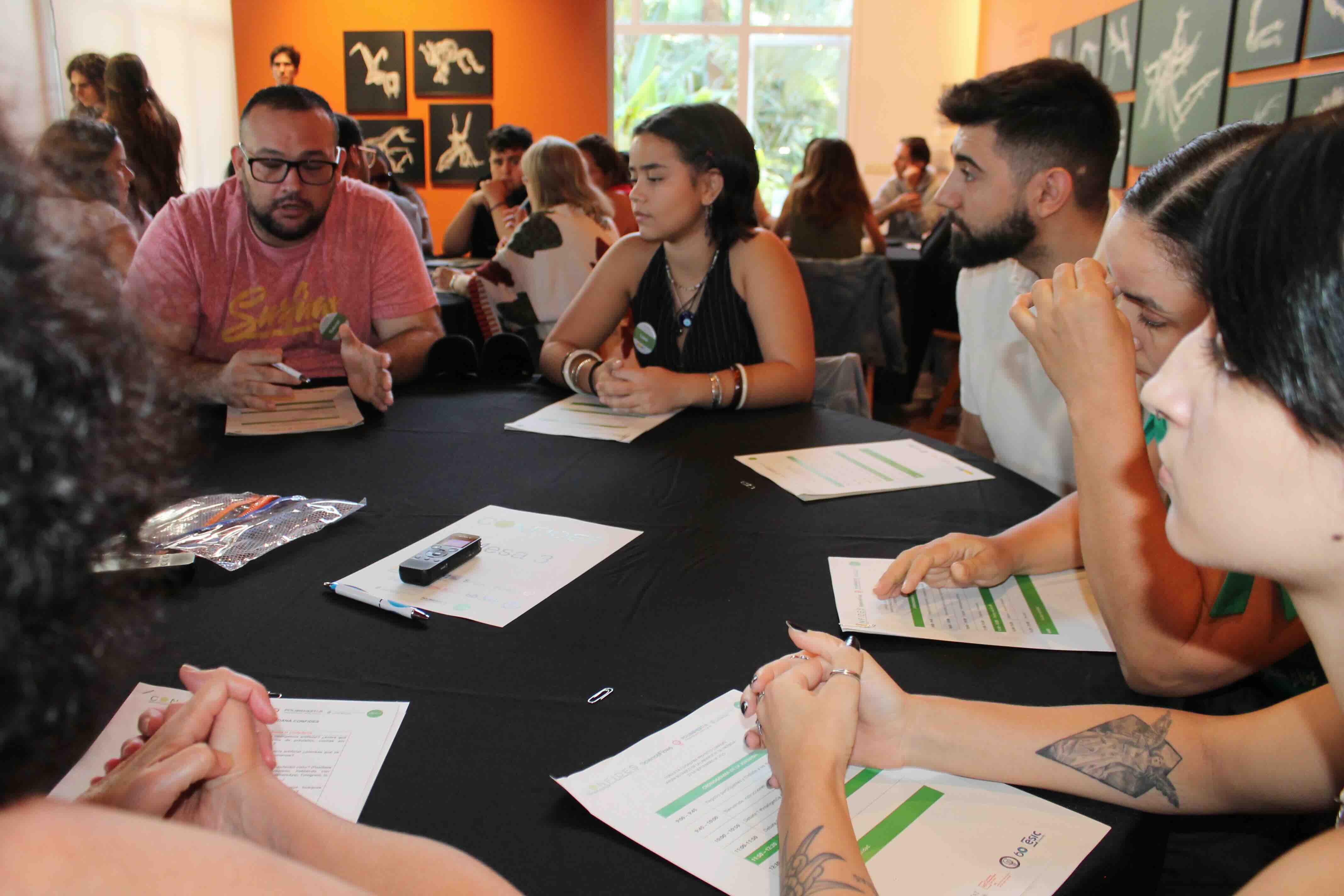
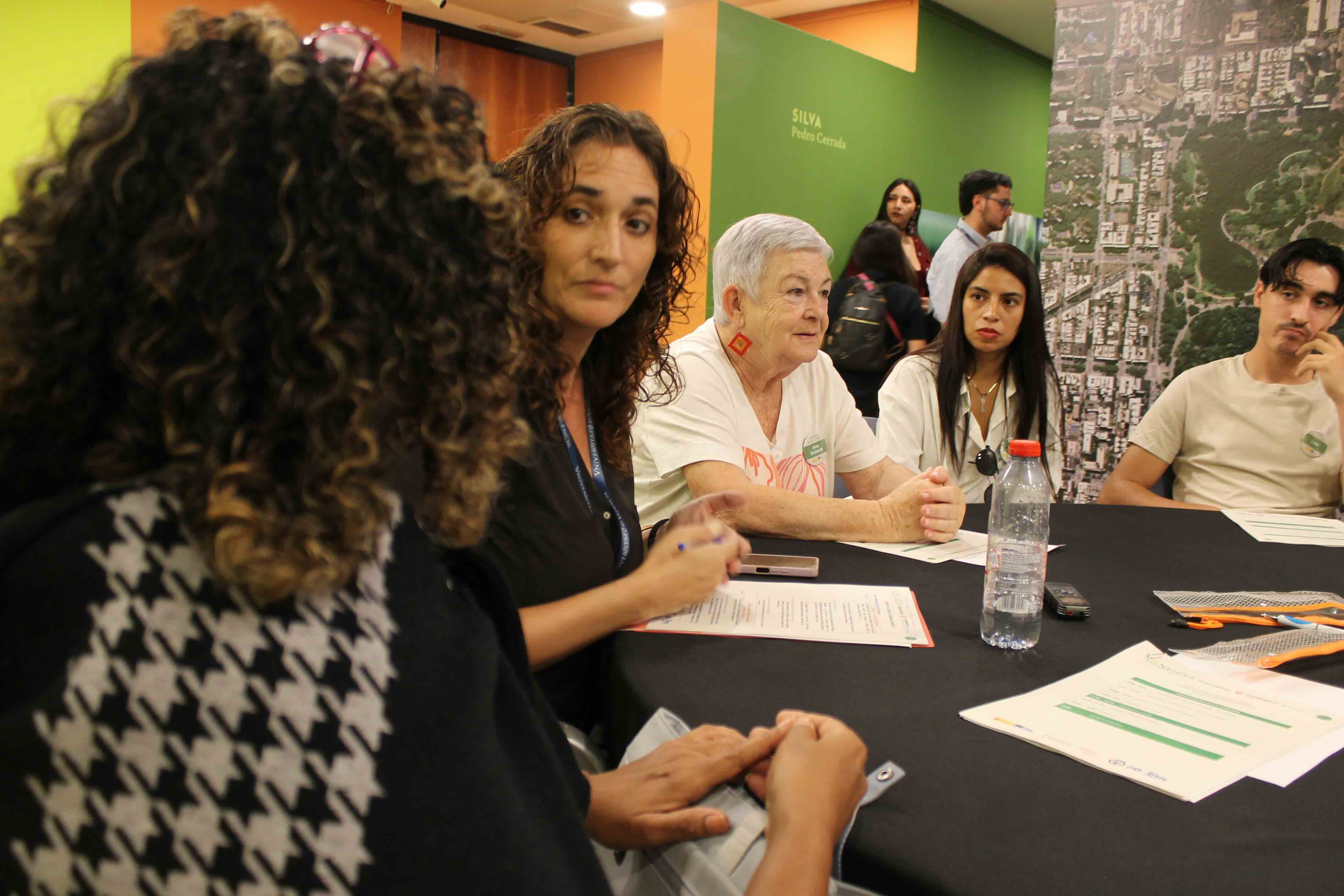
The CONFIDES citizen consultation, held on 27 September 2025, constitutes the core empirical component of the project. A total of 118 participants were selected from the original CONCISE sample, allowing the research team to collect more than 45 hours of recordings. This material will enable analysis of which information channels and sources generate greater trust, as well as the arguments used to deny climate change or the effectiveness of vaccines, with the goal of formulating recommendations to improve public science communication.
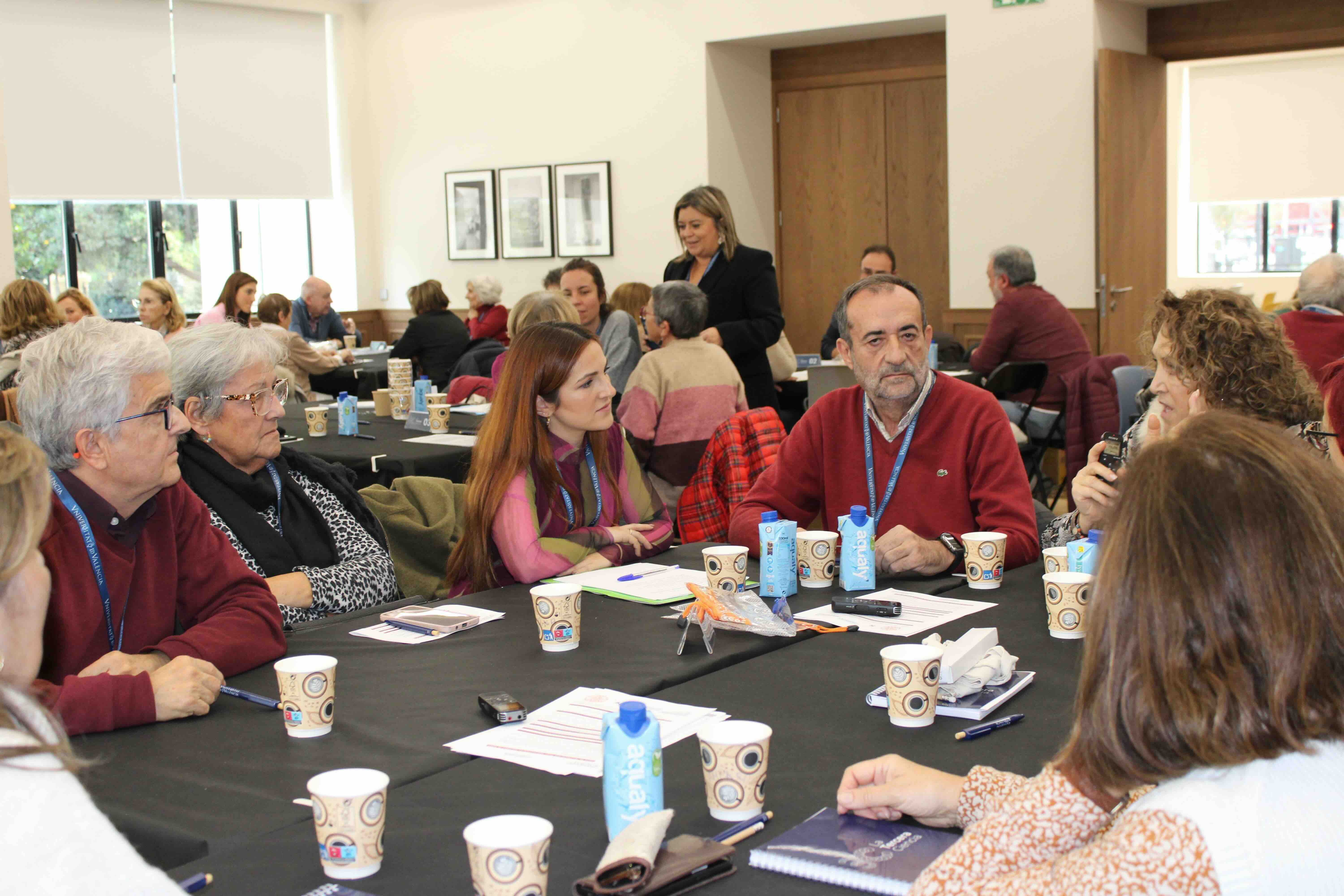
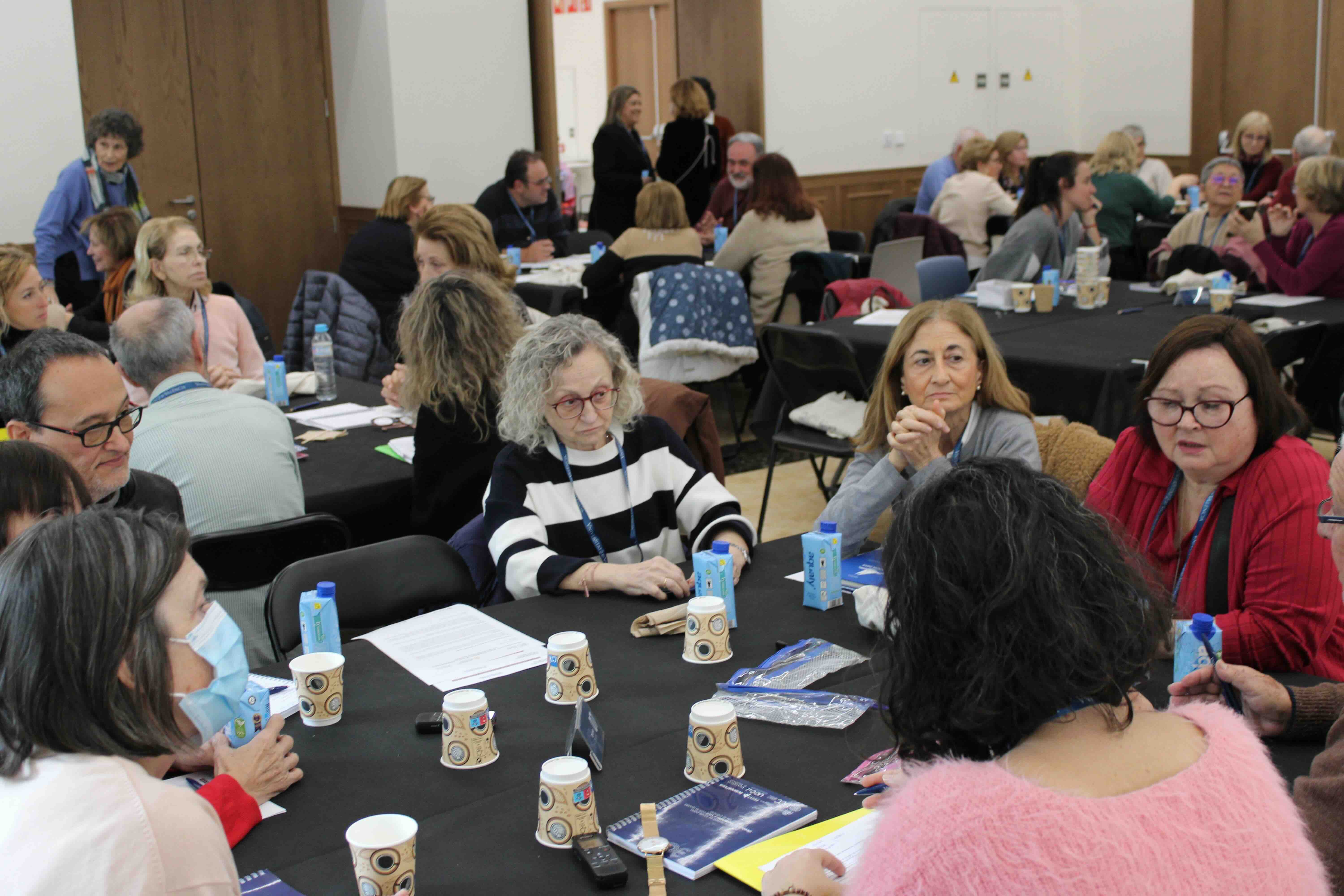
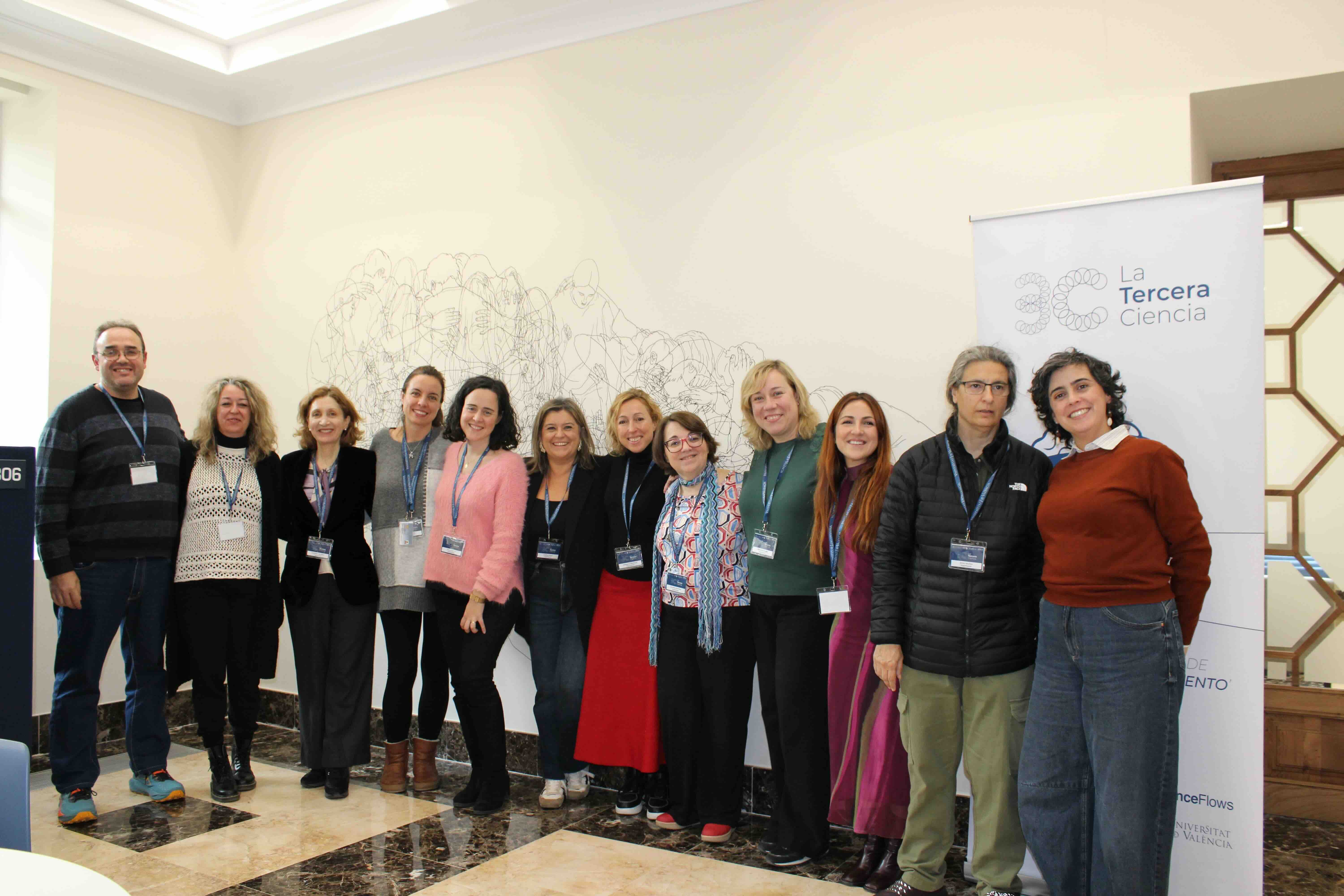
In addition, ScienceFlows participated in the citizen consultation of the La Tercera Ciencia project, in collaboration with the Scientific Culture Unit of the University of Murcia and the Scientific Culture and Innovation Unit of the University of Valencia. Funded by FECYT, this project combines science outreach activities aimed at people over the age of 65 with research into their perceptions of science communication. The first research findings will be published in the coming months.
Resultats de recerca i transferència de coneixement
Within the framework of IBERIFIER Plus, ScienceFlows continued to assess the degree of implementation of Commitment 17 of the Code of Practice on Disinformation, which requires major digital platforms to promote media literacy from July 2025 onwards. Throughout the year, three reports were published analysing initiatives developed by Meta (Facebook and Instagram), Microsoft (Bing and LinkedIn), Google (Google Search and YouTube) and TikTok.
The results reveal a highly uneven application of the commitment and a declining trend in compliance with the requirements established by the Digital Services Act (DSA), evidencing a lack of sustained engagement by some platforms.
 Likewise, within the framework of the COALESCE project, the policy brief “Boosting the Science Communication Ecosystem in Europe – full steam ahead” was published, coordinated by Isabel Mendoza (University of Valencia) and Joana Magalhães (Science for Change). The document synthesises the main recommendations of the eight projects funded under the SwafS-19 programme and highlights, among other aspects, the need to professionalise science communication and integrate it into research career pathways. COALESCE concluded the year with a review meeting aimed at defining upcoming milestones, including the launch of a European platform of competencies in science communication and public participation.
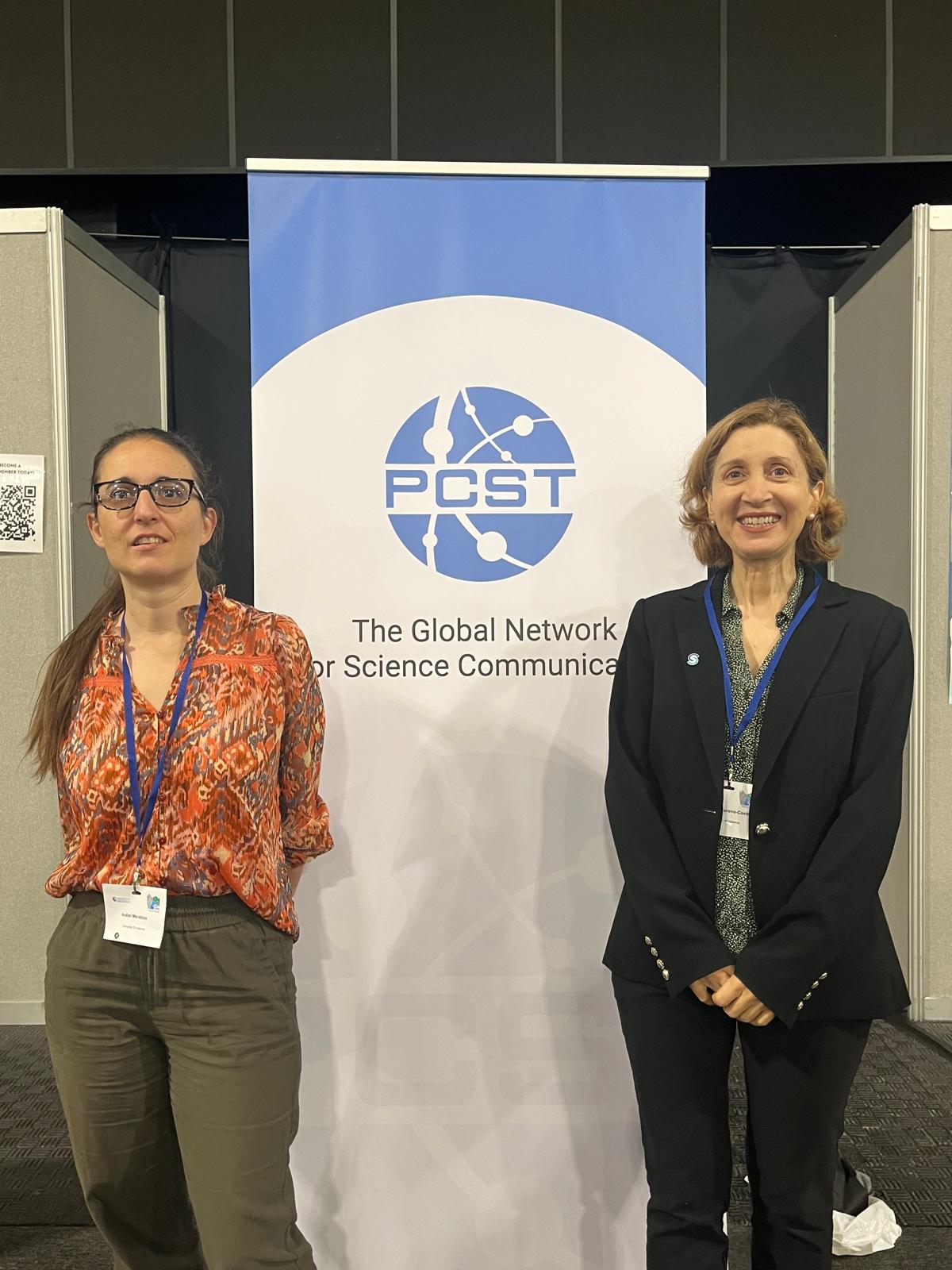
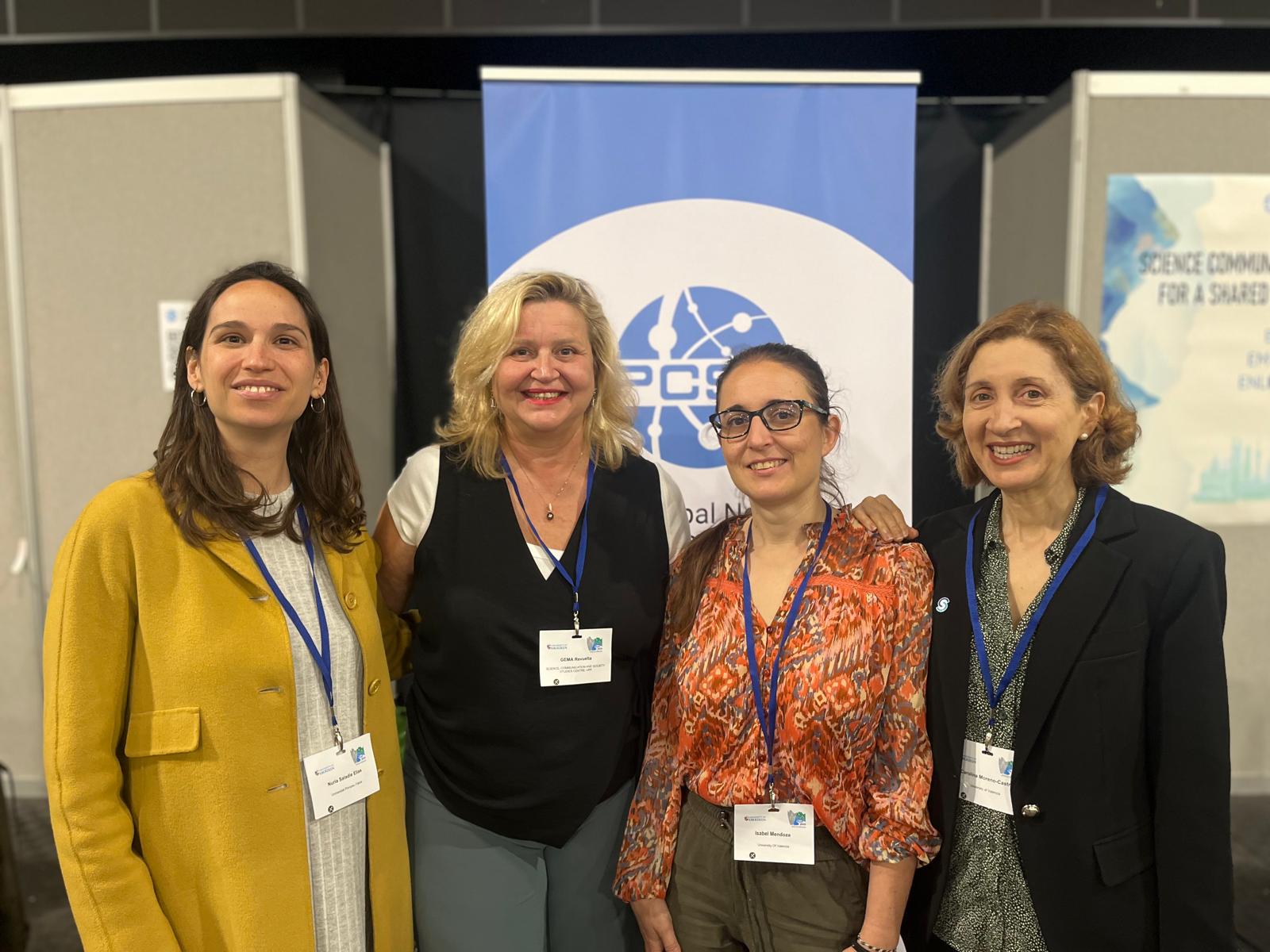
The principal investigator of ScienceFlows, Carolina Moreno, and researcher Isabel Mendoza participated in the international conference PCST 2025 (Public Communication of Science and Technology), held in Aberdeen (United Kingdom), one of the leading international forums in research on public communication of science. Their participation forms part of the group’s internationalisation strategy and its commitment to critical analysis of contemporary challenges in science communication, particularly in contexts of controversy, disinformation and citizen engagement.
Risk communication and climate crisis
The impact of the October 2024 DANA in Valencia has continued to be a focus of research throughout 2025. In this context, Carolina Moreno, principal investigator of ScienceFlows, published an article in the journal Estudios sobre el Mensaje Periodístico analysing the role of the press as a public service during the crisis, highlighting criteria such as clarity, speed, reach and informational neutrality.
Complementarily, in collaboration with the National Institute of Public Communication of Science and Technology (INCT-CPCT / Oswaldo Cruz Foundation – Fiocruz, Brazil), a comparative study was conducted on social media debates surrounding the DANA in Valencia and the floods in Rio Grande (Brazil), published in Observatorio (OBS*). This research analyses the circulation of emotions and meanings in public debates on climate-related disasters.
Team, research stays and international networks
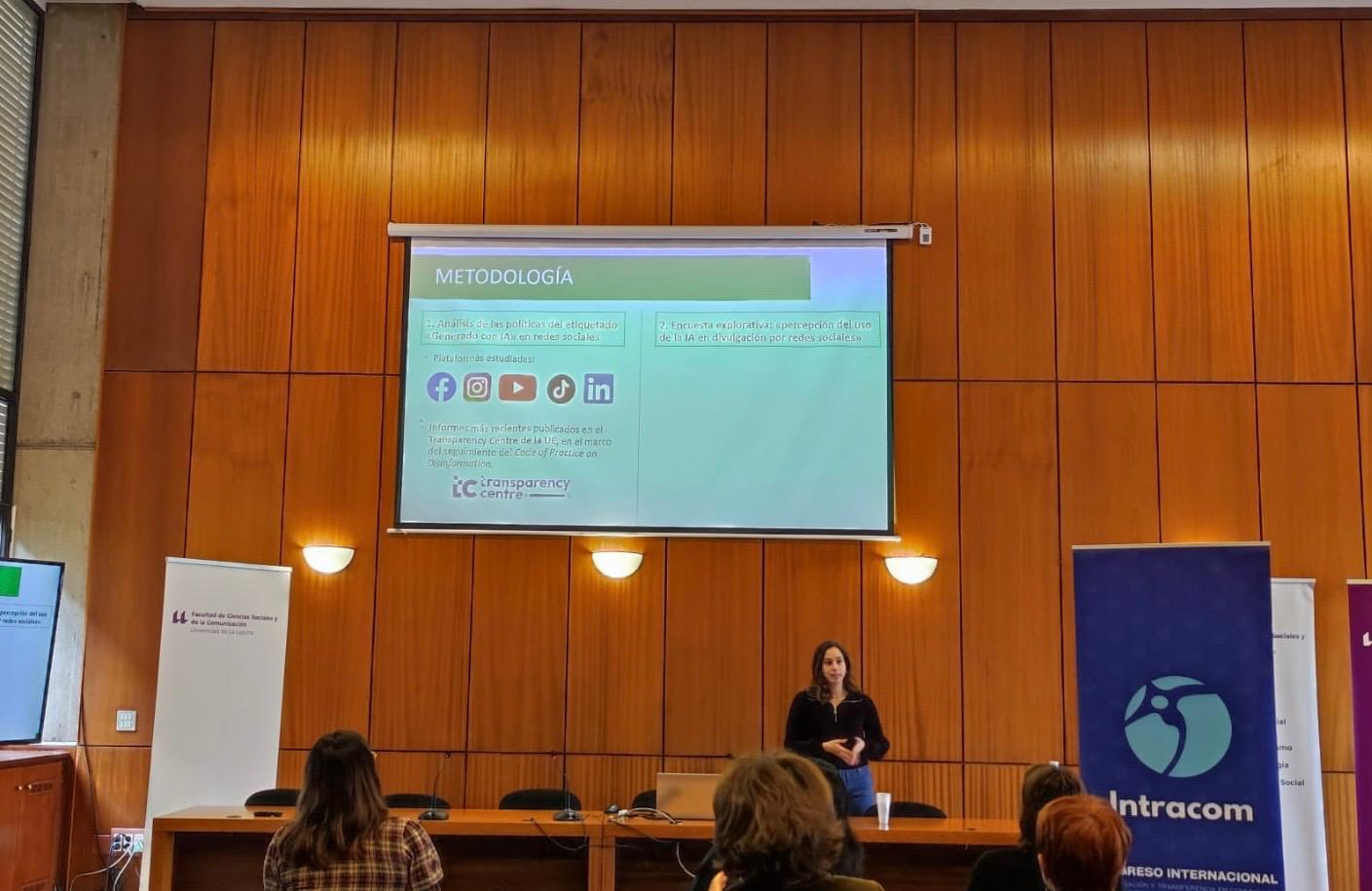
In 2025, ScienceFlows strengthened its team with the incorporation of Núria Falcó, a predoctoral researcher in the CONFIDES project (University of Valencia), whose research focuses on public perceptions of science and disruptive technologies such as artificial intelligence. Drawing on data from the citizen consultation, she presented the project’s first results at the INTRACOM 2025 conference.
The group also hosted four international visiting researchers: Ígor Waltz (National Institute of Public Communication of Science and Technology – Oswaldo Cruz Foundation, Rio de Janeiro, Brazil), Juliana Bulhôes (National Institute of Public Communication of Science and Technology – Oswaldo Cruz Foundation, Rio de Janeiro, Brazil), Noemí Crescentini (University of Naples Federico II, Italy) and Gabriela Villen (State University of Campinas – UNICAMP, São Paulo, Brazil). The outcome of their research stays at the POLIBIENESTAR Institute will be published shortly in collaboration with the ScienceFlows team.
Throughout the year, international research networks were further strengthened, particularly with Brazil and Chile, through participation in projects such as «Fluxos globais de desinformação científica» and «Desinformação Científica no Brasil», led by the National Institute of Public Communication of Science and Technology (Brazil).
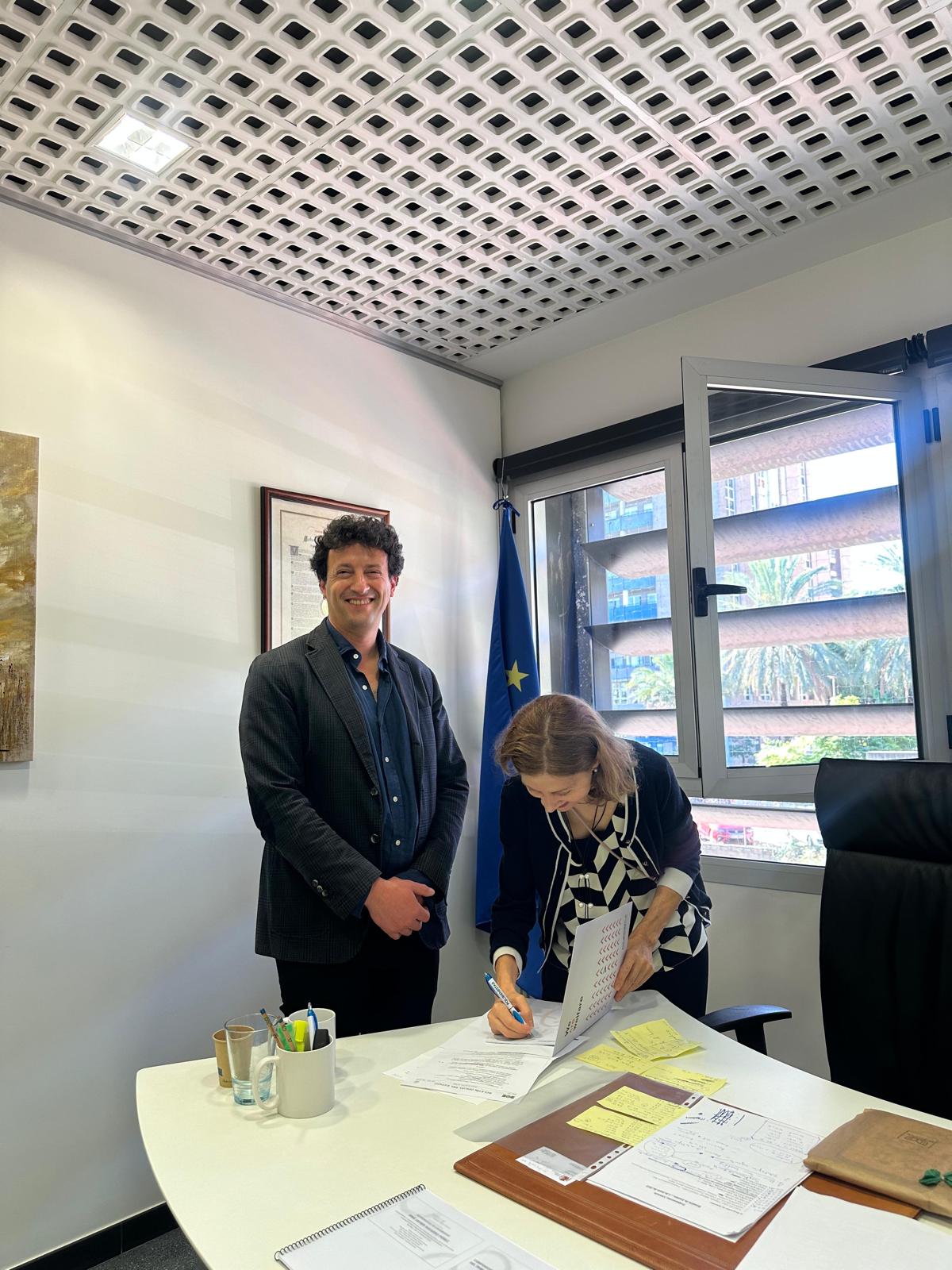 In September 2025, ScienceFlows hosted a delegation of Chilean colleagues, including Claudio Broitman, Director of the School of Journalism at Universidad Andrés Bello; Teresa Vernal, Associate Professor at the same institution; Edward Patricio Leiva, PhD student at Universidad Andrés Bello; and Gladys Hayashida Soiza, Professor at the University of Antofagasta. The visit facilitated the signing of a framework agreement between Universidad Andrés Bello and the University of Valencia, as well as discussions on academic exchange and staff and student mobility between both institutions.
Finally, Paula von Polheim, a predoctoral PhD candidate, has completed her FPU training period and will soon defend her doctoral dissertation entitled Critical Study of Food Communication in Digital Environments: Media, Influencers and Fact-Checkers.
Activitats institucionals
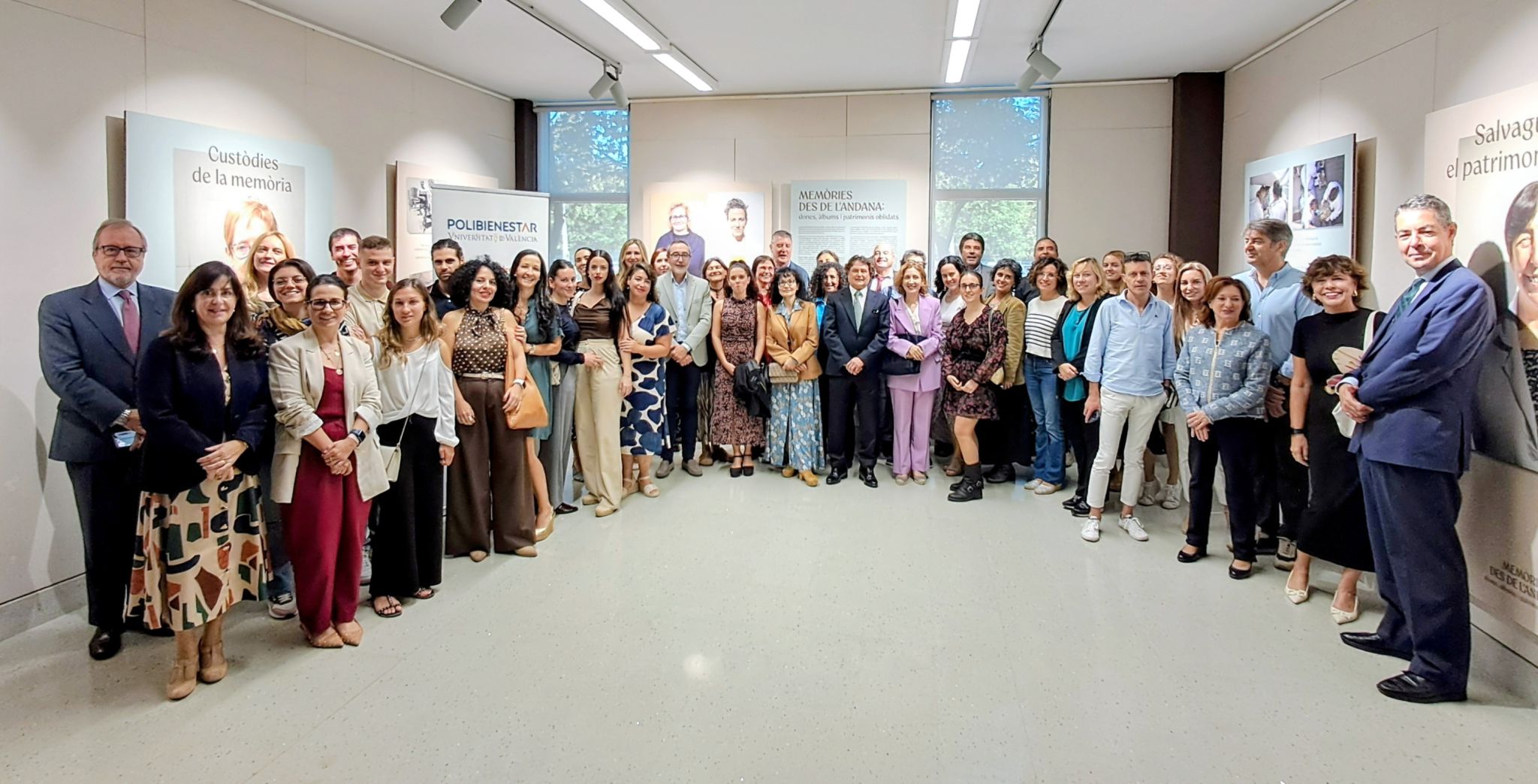 The 15th anniversary of the POLIBIENESTAR Institute was another key milestone of the year. The central event featured the participation of Mavi Mestre, Rector of the University of Valencia, who served as master of ceremonies; José Esteban Capilla, Rector of the Polytechnic University of Valencia; Carmen Lázaro, Vice-Rector for Culture, Languages and Society at the Jaume I University of Castellón; Jordi Garcés, Director of the POLIBIENESTAR Institute; and Juan Cruz Cigudosa, Secretary of State for Science, Innovation and Universities of the Government of Spain. All highlighted the institute’s contribution to a university committed to society. In this context, Carolina Moreno delivered a keynote lecture on disinformation and quality of life, emphasising the need for citizens to have access to a reliable information ecosystem as a foundation for social well-being.
Launch of the new ScienceFlows web
Since September 2025, all ScienceFlows content has been available on a new website hosted within the institutional domain of the University of Valencia, improving stability, security and accessibility for both the academic community and the public.