The Youth Chair of the Universitat de València continues progressing in the development of the European project Skills Maps (Erasmus+ KA220-YOU), an international initiative oriented to identify and strengthen the competences that professionals who work with teenagers and young people need in a society of constant transformation.
The Youth Chair of the Universitat de València continues progressing in the development of the European project Skills Maps (Erasmus+ KA220-YOU), an international initiative oriented to identify and strengthen the competences that professionals who work with teenagers and young people need in a society of constant transformation.
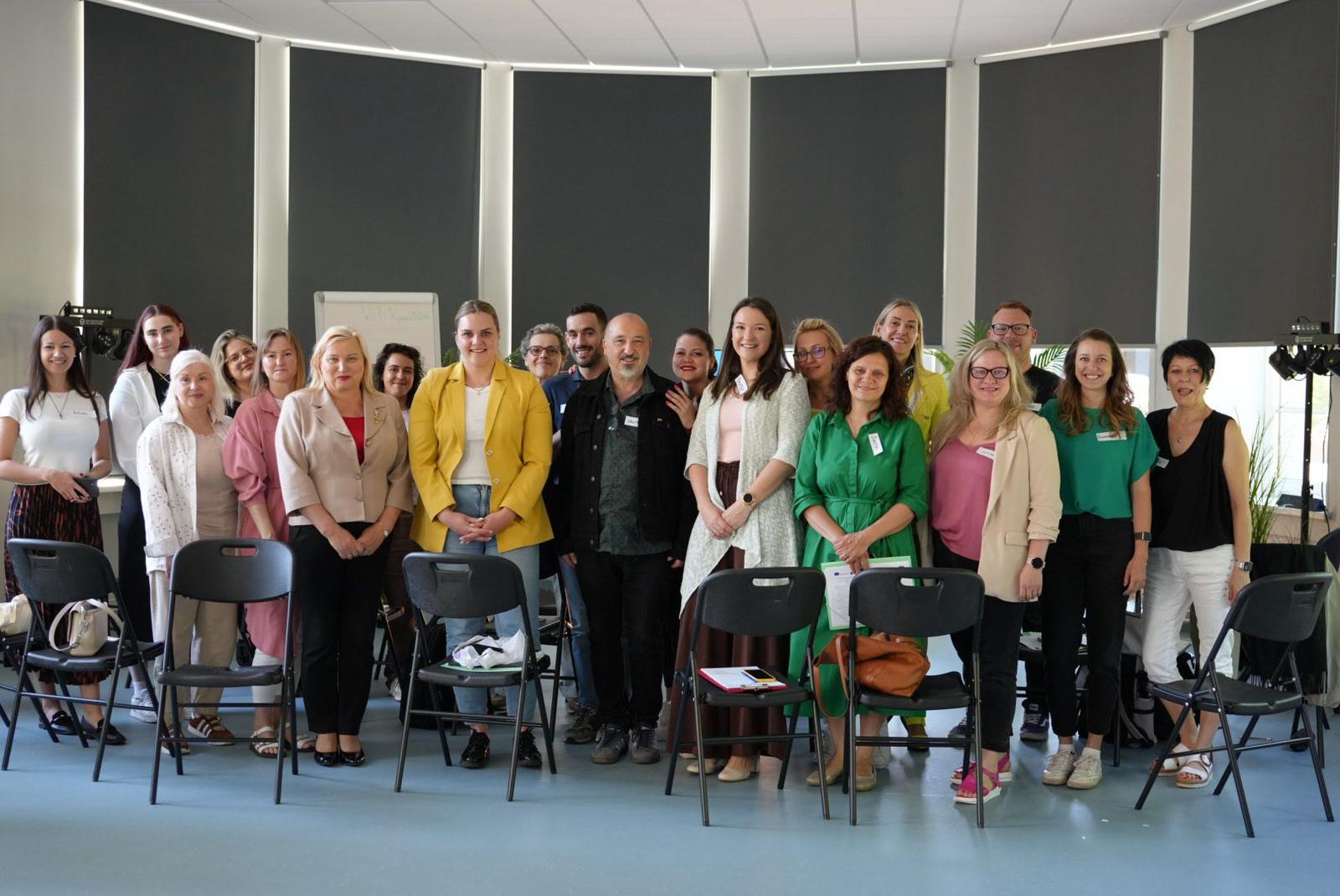
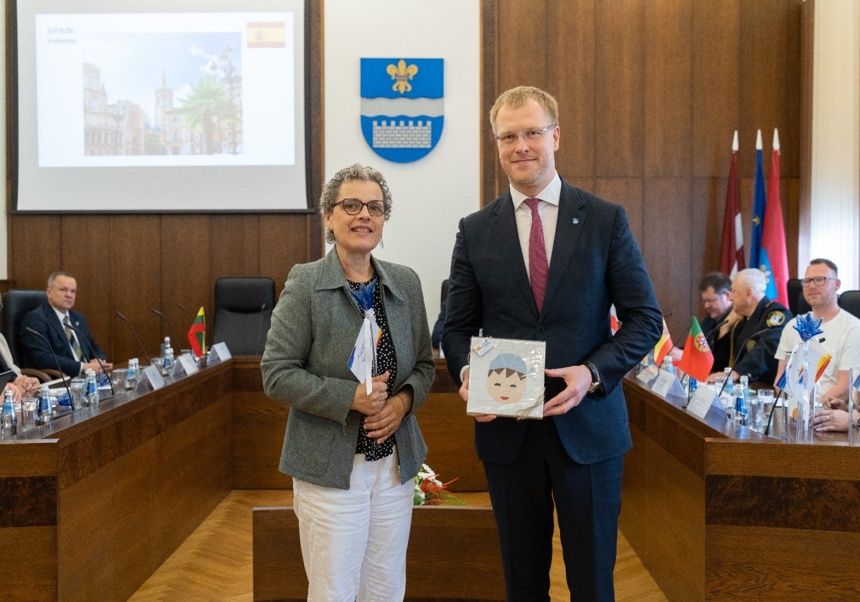
Recently, the project team met in Daugavpils (Latvia) in the framework of the second transnational meeting, along with the partner organisations of Matosinhos (Portugal), Köthen (Germany), Daugavpils (Latvia) and the Safor region (Valencia). The meeting served to share advances that had been done so far, and to keep building the tools that will shape the final results of the project collaboratively.
As a result of the developed work during the last months for the teams of Portugal, Germany, Latvia and Valencia, the project already has a first draft of a competency map aimed at professionals who develop their work with teenagers and young people, as educators, teachers of secondary school, professionals of second opportunity programmes, social educators, and social workers, along with other socio-educational profiles.
One of the most innovative elements of the project has been the active incorporation of young people voices in the process of construction of the competency map. Several young groups of different educational and communal contexts have participated as experts, by providing their vision on the competences that they consider more important for the professionals that support them. Students of secondary school, professional training, second opportunity programmes and users of services and programmes directed to young people have participated.
Their contributions have resulted particularly valuable, since they have allowed to incorporate to the project the perspective of those who personally live the educational, communal and supportive processes that these professionals develop.
During the meeting, necessary competences and micro-competences were also explored in order to face three big challenges that directly affect young people and current society: digital transformation, climate change, and the construction of more inclusive societies. The partners of the project agreed on highlighting the necessity of counting with shared frameworks, common languages, and practical tools that help professionals to solve these challenges.
Beyond the final results –a competency map and a practical guide for their implementation–, the project stands out for its collaborative and international methodology, which allows to put into dialogue different contexts, professional experiences and European youth realities.
In the following months, the project will publish the first results, that will be available for open access and can be used by professionals, organisations, and institutions interested in reinforcing the quality of socio-educational work with teenagers and young people.
From the Youth Chair of the Universitat de València, we will continue working so knowledge, youth participation, and international cooperation can contribute to improve supporting tools for new generations.