EmotIN-CAN is a longitudinal project that analyzes the interaction between emotional states (depression, anxiety, fatigue) and the immune response in breast cancer patients. The goal is to evaluate emotional evolution during the six months following diagnosis and its association with biological markers (cytokines, cortisol) and treatment response. The project employs an innovative translational approach, combining digital monitoring via a mobile app, clinical interviews, and gene expression analysis (RNAseq), integrating expertise from psychobiology, immunology, and oncology.

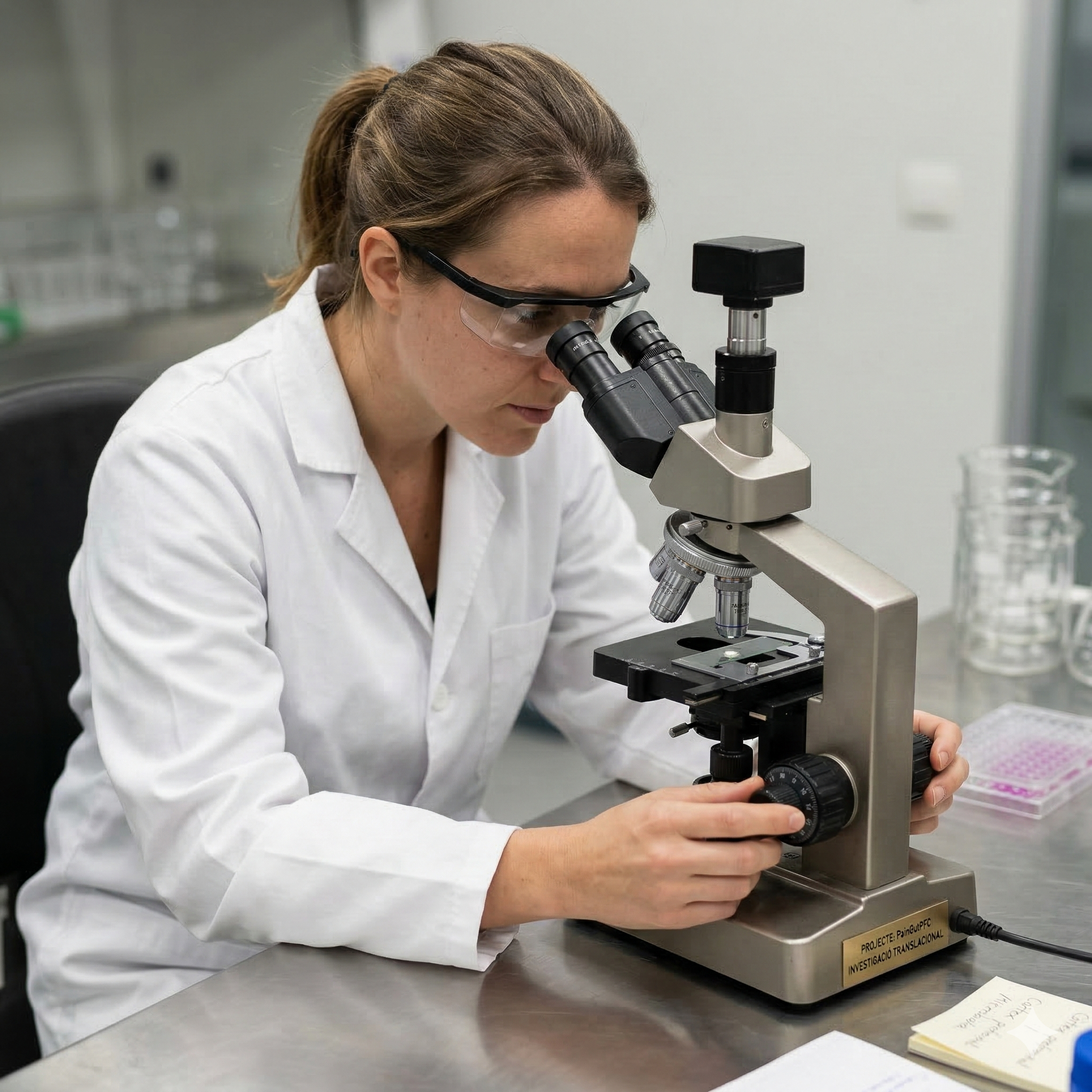
Chronic pain often accompanies neuropsychiatric conditions, impacting patient well-being, and worsening prognosis. The gut-brain axis, autonomic nervous system and alterations in some brain areas have emerged as crucial in pain chronification. Studies in rodents and humans reveal significant neuroadaptations within the mesocorticolimbic system fostering the emerge of negative affective states and cognitive deficits that promote maladaptive behaviours, such as compulsive alcohol consumption, and predicting pain chronification. Pilot research indicates sex-dependent glial alterations induced by pain within the mesocorticolimbic system potentially linking inflammation, glutamate neurotransmission, and behavioural changes. Interestingly, all these brain alterations are connected to gut by means of vagal afferences. Our hypothesis suggests that chronic pain disrupts vmPFC-NAc function via glial alterations, affecting cognitive and emotional behaviours, with sex-specific effects on alcohol consumption. Chronic pain (inflammatory, nociplastic and/or central sensitization) disrupts the gut-brain axis through the vagal pathway, exacerbated by alcohol consumption. This imbalance intensifies vmPFC-NAc alterations, perpetuating pain and its comorbidities. Understanding these brain-body mechanisms could identify chronic pain patient phenotypes as potential biomarkers, providing targeted psychological and gut microbiota interventions for pain management and associated comorbidities.
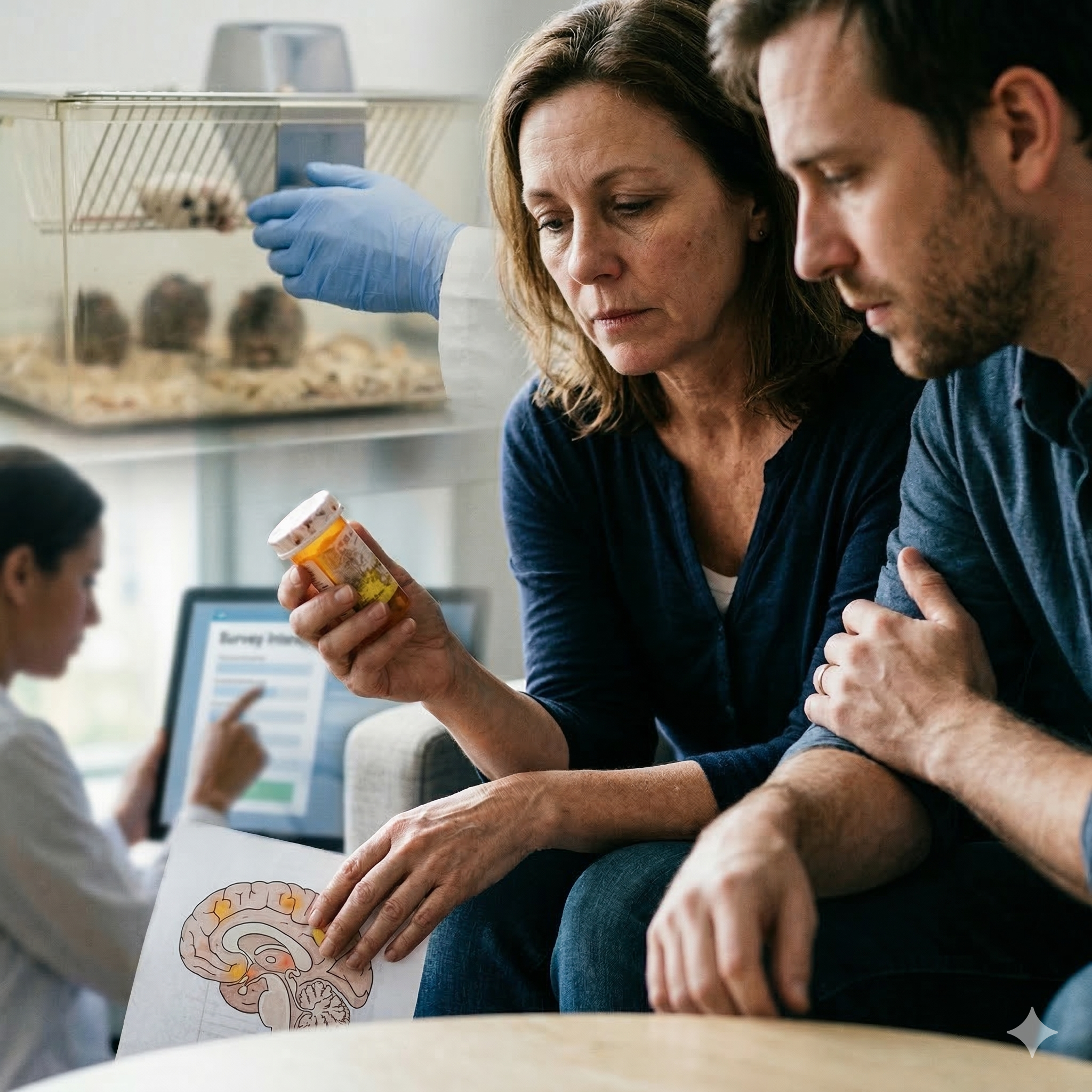
This project, in its human component, analyses how difficulties in emotional regulation are associated with the risk of problematic opioid and alcohol use in patients with chronic pain, also considering the role of anxiety, depression and decision-making. It builds on previous findings from the team showing a strong relationship between negative emotionality and aberrant opioid use, and raises the need to identify psychological risk and protective factors in this population. To this end, a sample of 150 chronic pain patients from hospitals in the province of Valencia will be studied, assessing emotional regulation, affective symptomatology, resilience, coping strategies, substance use patterns and decision-making variables, with particular attention to gender differences. From an applied perspective, the project seeks to generate evidence to enable the design of more effective and gender-sensitive preventive and therapeutic interventions, aimed both at improving emotional well-being and reducing the risk of problematic opioid use and compulsive alcohol consumption in people with chronic pain.
This project arises from the need to better understand the psychobiological factors that increase vulnerability to risk behaviours in a social context marked by rising anxiety, depression and other negative affective states following the pandemic. It focuses on the role of negative affectivity, understood as a stable tendency to experience negative emotions, and its relationship with risk behaviours relevant to mental health, such as drug use or suicidal behaviour. In particular, the project examines how acute stress modulates decision-making in individuals with negative affectivity, with the aim of identifying behavioural risk profiles. To this end, it combines an experimental stress induction paradigm using the Trier Social Stress Test with a risk decision-making task, the Iowa Gambling Task, also incorporating physiological measures such as vagal tone, electrodermal activity and cortisol. The project pays special attention to the role of gender, given its influence on the stress response and decision-making processes, and aims to provide useful knowledge for understanding the neurobiological mechanisms involved and guiding future preventive and therapeutic strategies.

1