The REWAISE project presented some of its results at the 19th IWA World Conference on Anaerobic Digestion (IWA AD19), held in Valencia from 9 to 13 June
The REWAISE project, co-funded by the EU under the H2020 SC5-04-2019 call, is a major initiative involving four European water supply companies aimed at implementing technological innovations and new methods of water management. REWAISE has a network of living laboratories spread across Europe in three different climate zones (Mediterranean, Atlantic and continental) to test technological innovations in real-world water environments, with the aim of developing specific solutions that are subsequently implemented using a common methodology. The project has launched several pilot projects to address key issues in improving the efficiency of water management.
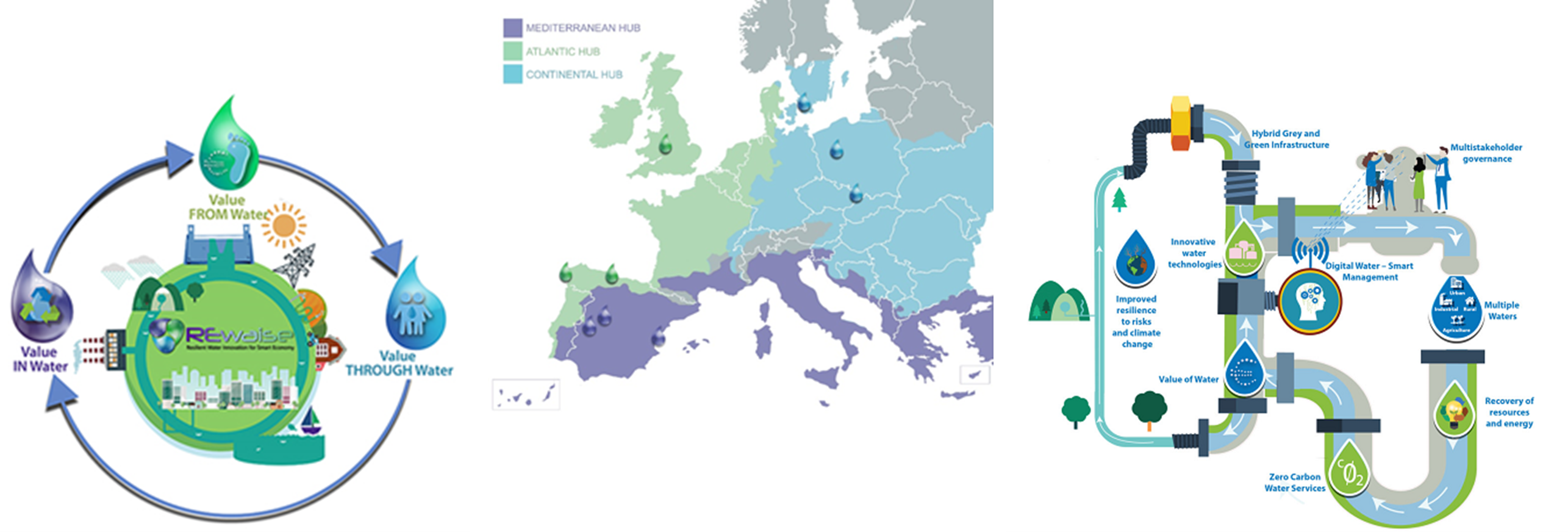
Concept and Implementation of the Rewaise Project
Among these pilot projects is the demonstration plant for anaerobic membrane bioreactor (AnMBR) technology, located at the El Bobar wastewater treatment plant (Almería, Spain), the operation and monitoring of which have been addressed in the project involving Aqualia (project coordinator) and the University of Valencia (one of the 25 project partners).
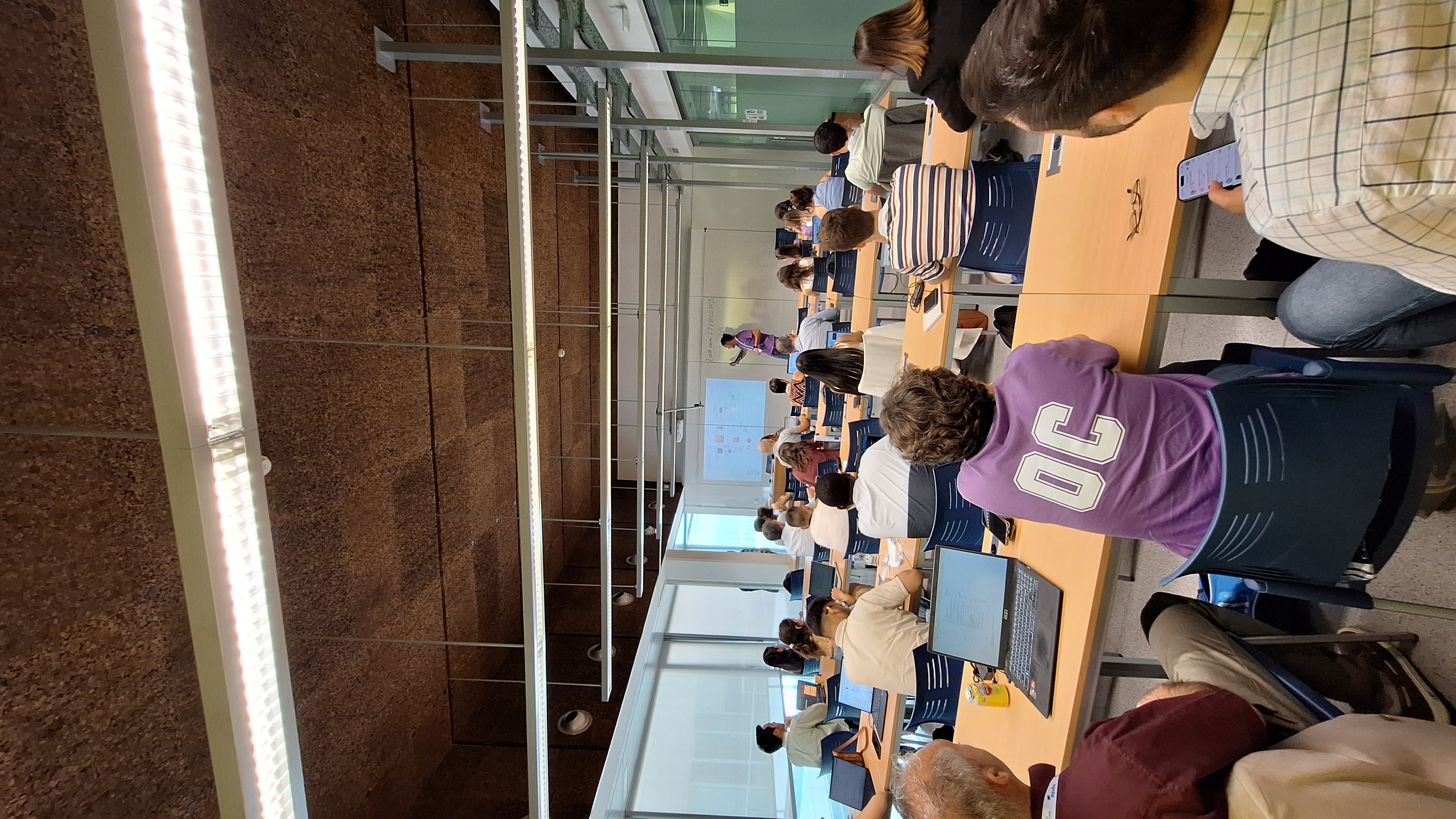
REWAISE’s participation in IWA AD19 began with the organisation of a thematic workshop on AnMBR technology on 9 June at the ETSE-UV facilities. The workshop, entitled "Conventional anaerobic treatment in transition: lessons learnt and future opportunities", was attended by 40 participants from 15 countries.
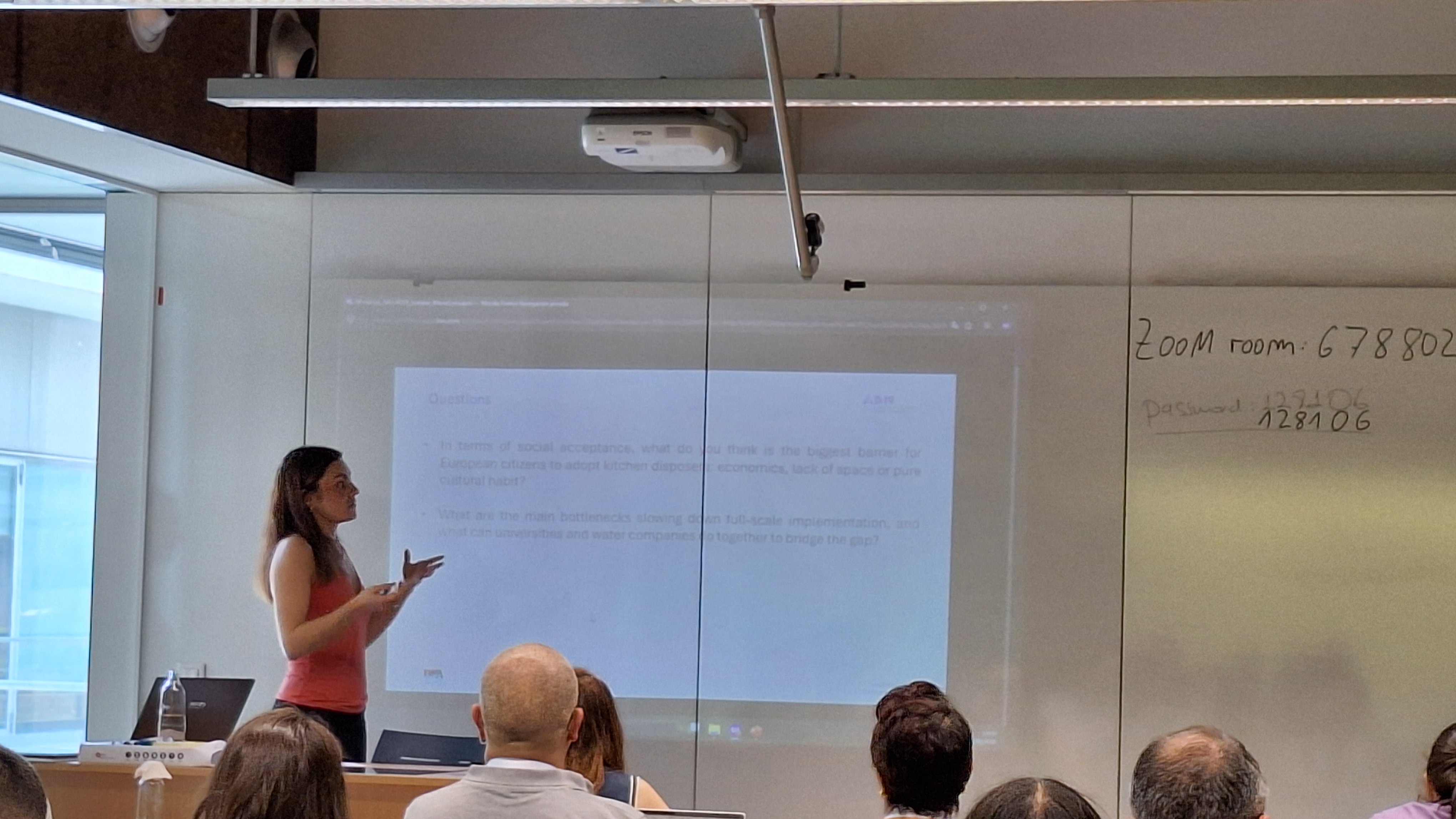
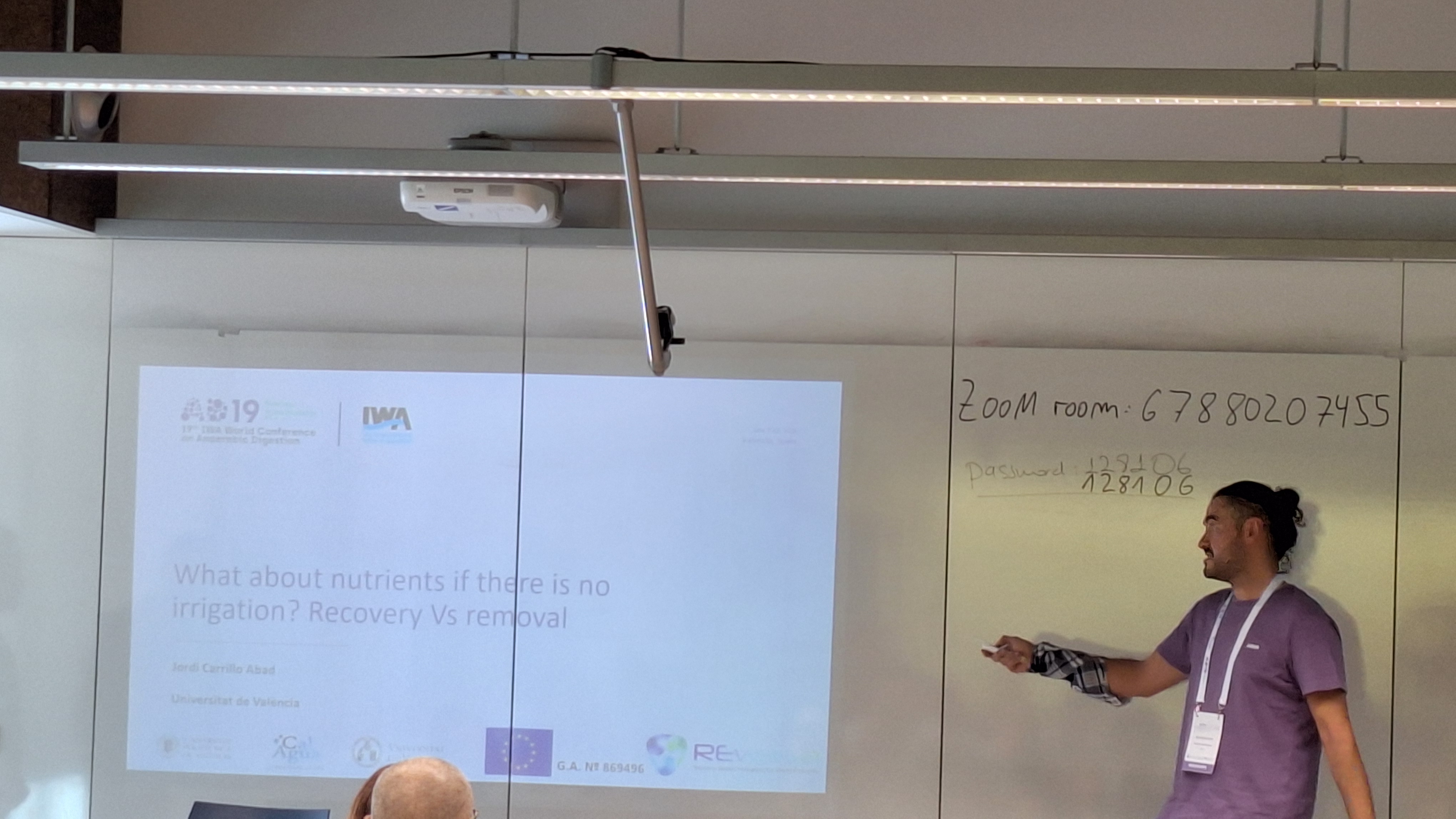
During the workshop, led by Zouhayr Arbib (Aqualia) and Joaquín Serralta (Polytechnic University of Valencia), the various speakers (see programme) presented a range of cutting-edge solutions for the anaerobic treatment of wastewater in the main process line, as well as parallel processes for water and nutrient recovery, and strategies for improving biogas production. In direct relation to the REWAISE project, Marta Elvira (Aqualia) presented the capabilities that an AnMBR system can offer for treating urban wastewater, showcasing results from the operation of the AnMBR demonstration plant in Almería which demonstrate the system’s ability to produce water with characteristics suitable for fertigation, whilst complying with the reuse requirements set out in current legislation (Directive (EU) 2024/3019), EU Regulation 2020/741, Royal Decree 1085/2024). For his part, Jordi Carrillo (University of Valencia presented the technologies (electrodialysis, membrane contactors, crystallisation) that could be applied to the effluent from an AnMBR to recover nitrogen and phosphorus in the form of commercial fertilisers in cases where these nutrients cannot be directly reused via fertigation.
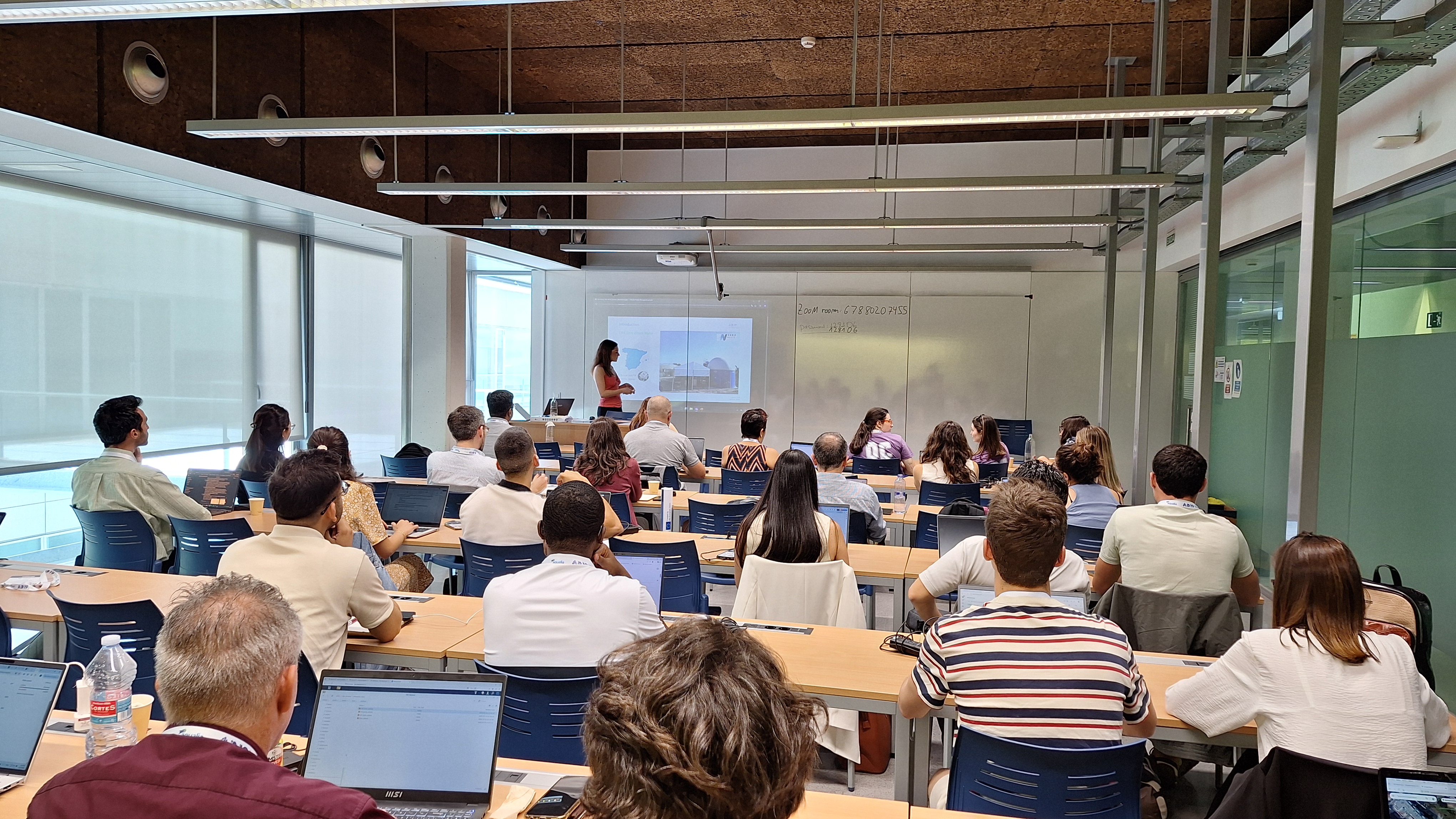
Presentation on the Rewaise project at the AD19 Workshop by Marta Elvira of Aqualia
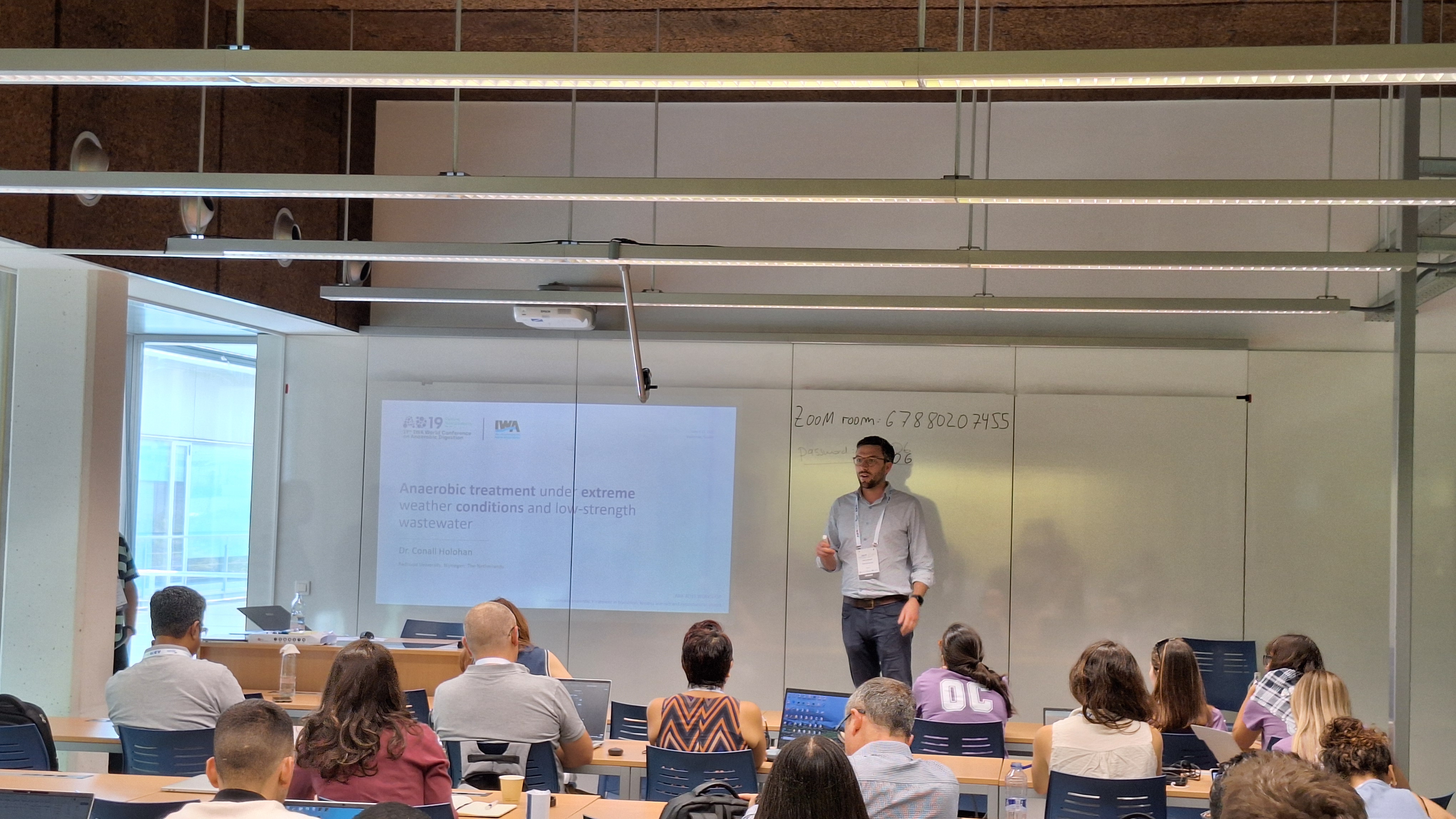
AnMBR systems are proposed as an alternative to the most widely used main-line treatment processes to date, such as the granular bed reactors known as Upflow Anaerobic Sludge Blanket (UASB) reactors. Conall Holohan (Radboud University), Marc Arpad (Federal University of Mato Grosso do Sul) and Fernado Magalhães (Federal University of Rio Grande do Sul) presented results on the operation of UASB systems in the treatment of urban wastewater in both cold climates (northern Europe) and warm climates (Brazil), describing the main drawbacks faced by these systems, including emissions of dissolved methane in the effluents produced – a problem common to AnMBR systems.
Finally, Raúl Muñoz (University of Valladolid) discussed how to approach the energy utilisation of biogas generated during the anaerobic treatment of wastewater, with a view to enabling WWTPs to achieve energy self-sufficiency or energy neutrality, as stipulated by the new European legislation (Directive (EU) 2024/3019). This energy utilisation was considered from the perspective of either the direct combustion of biogas or the upgrading of that biogas to produce economically more attractive products such as biomethane, bioplastics or ectoine, amongst others.
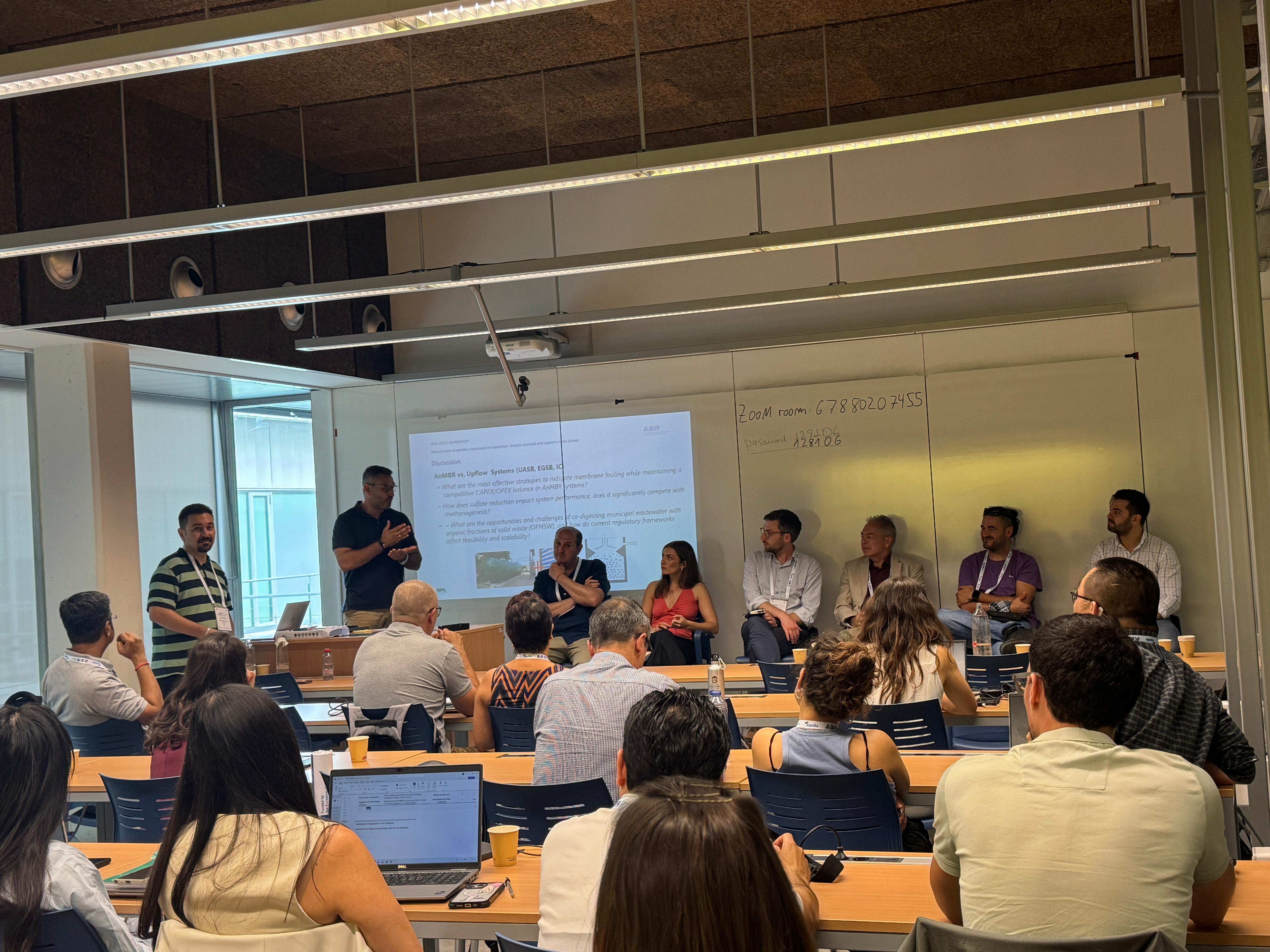
In the debate following the presentations, a number of key aspects were identified to promote the widespread implementation of anaerobic treatment processes in the main treatment stream, such as the mitigation of dissolved methane, ensuring the quality of effluents for reuse, and the management of nutrients when fertigation is not feasible. As a final conclusion of the workshop, it was established that the success of anaerobic treatment in the main treatment stream will depend on the ability of companies and research centres to:
- To integrate technologies in such a way as to create robust hybrid systems.
- To control emissions, particularly of dissolved methane.
- To align treatment processes with reuse and the circular economy, developing designs geared towards the production of products with high commercial value, and
- To adapt to the local context, taking into account factors such as climate, the scalability of processes, the existence of markets for the products generated, as well as social acceptance of these products and the proposed treatment processes.
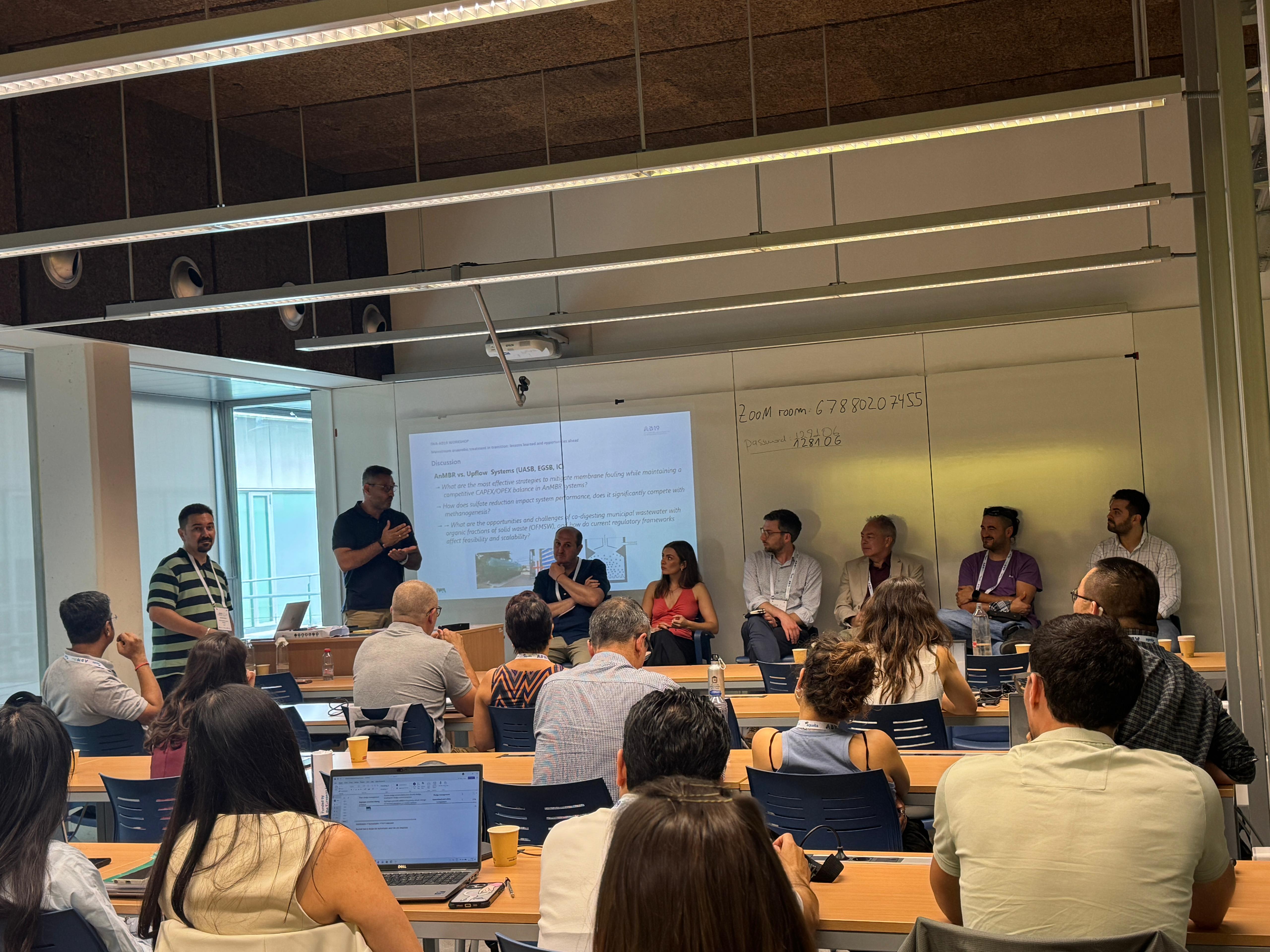
Final workshop discussion
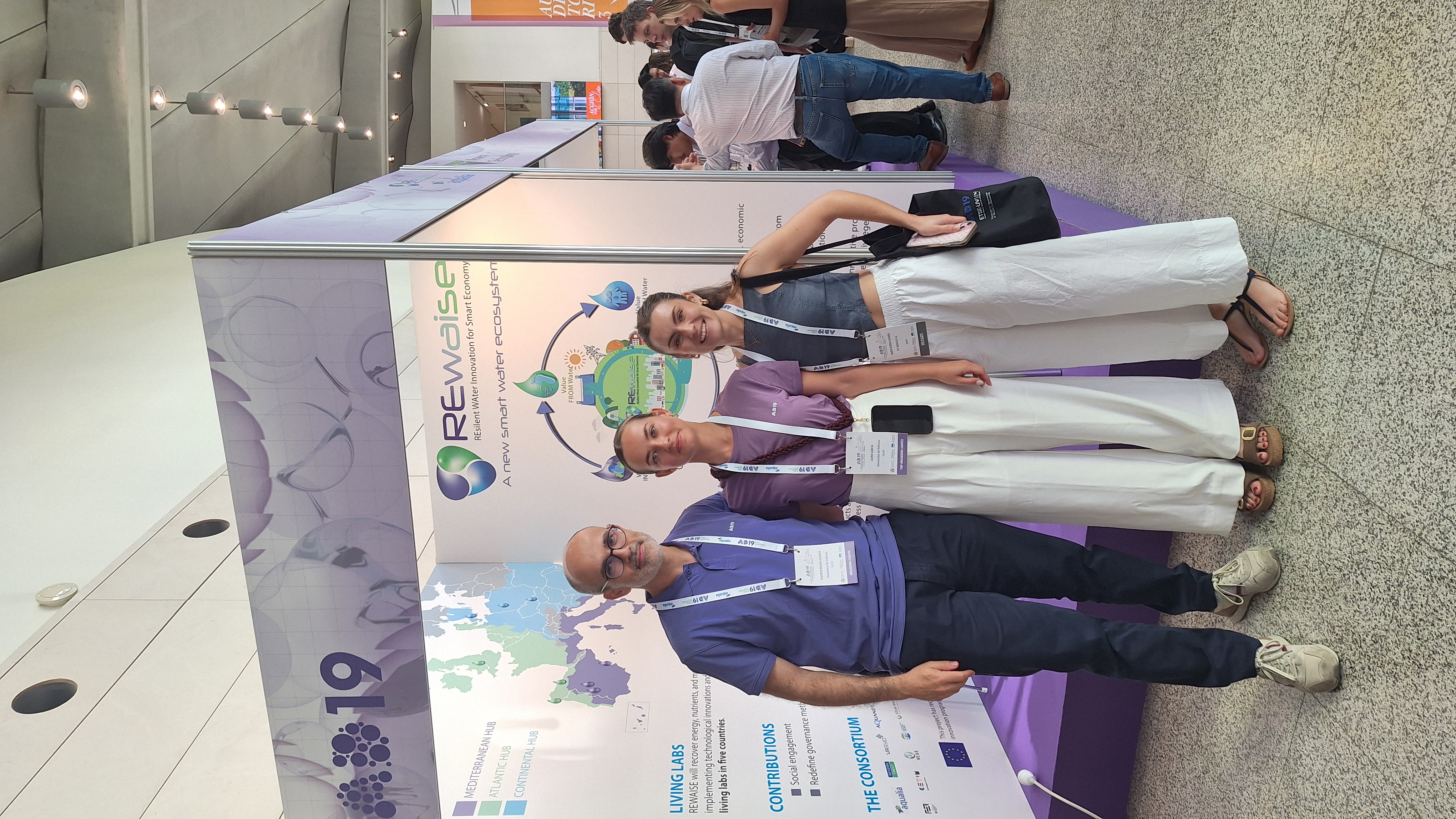
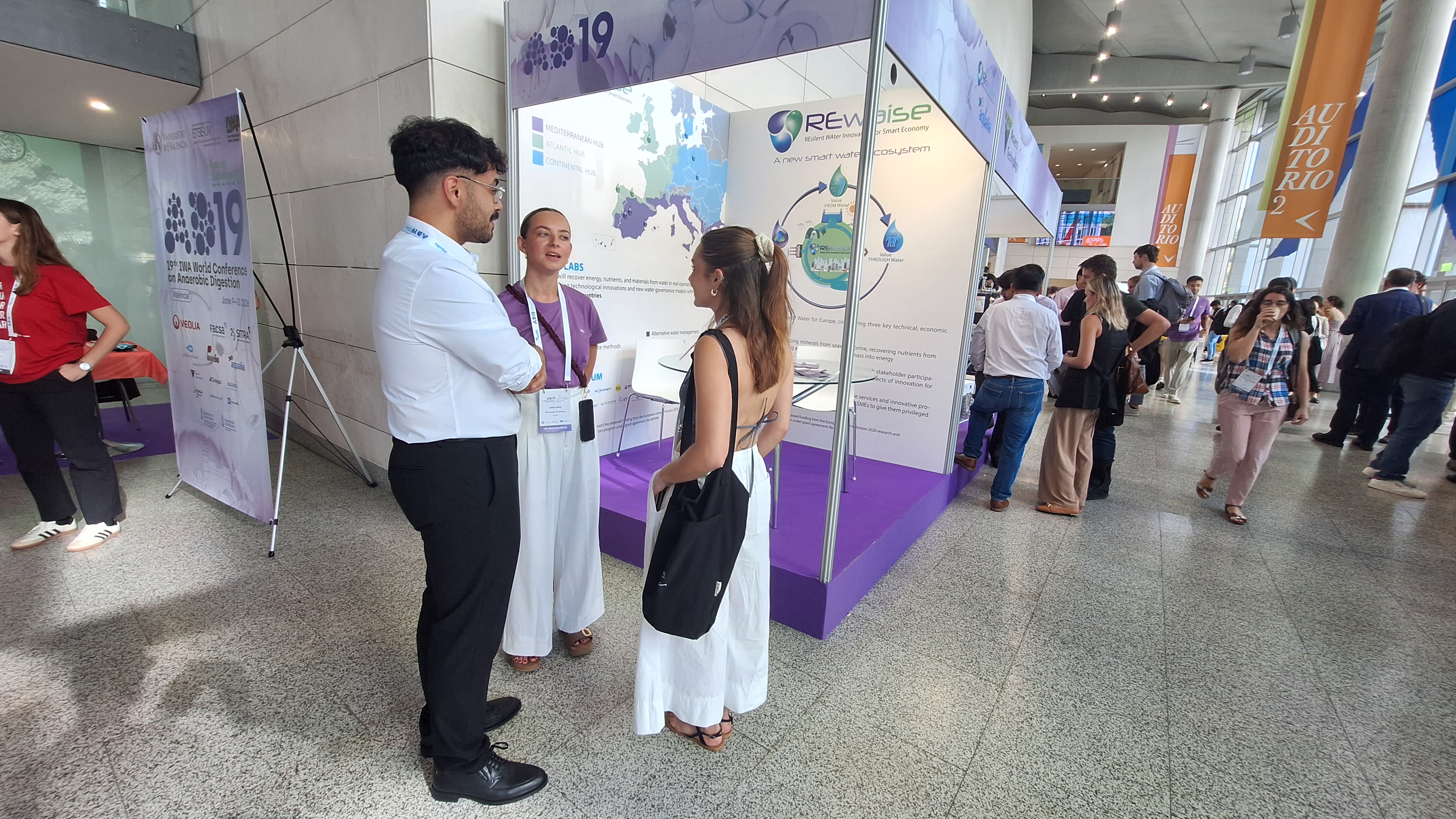
REWAISE’s presence at IWA AD19 continued during the conference sessions held from 10 to 13 June at the Palacio de Congresos in Valencia, which attracted nearly 750 attendees over the three days. REWAISE had a stand there where researchers from Aqualia and the University of Valencia were able to explain the project’s main achievements to conference participants, with particular emphasis on the desalination and treated water reuse studies carried out by Aqualia and the University of Valencia as part of the project.
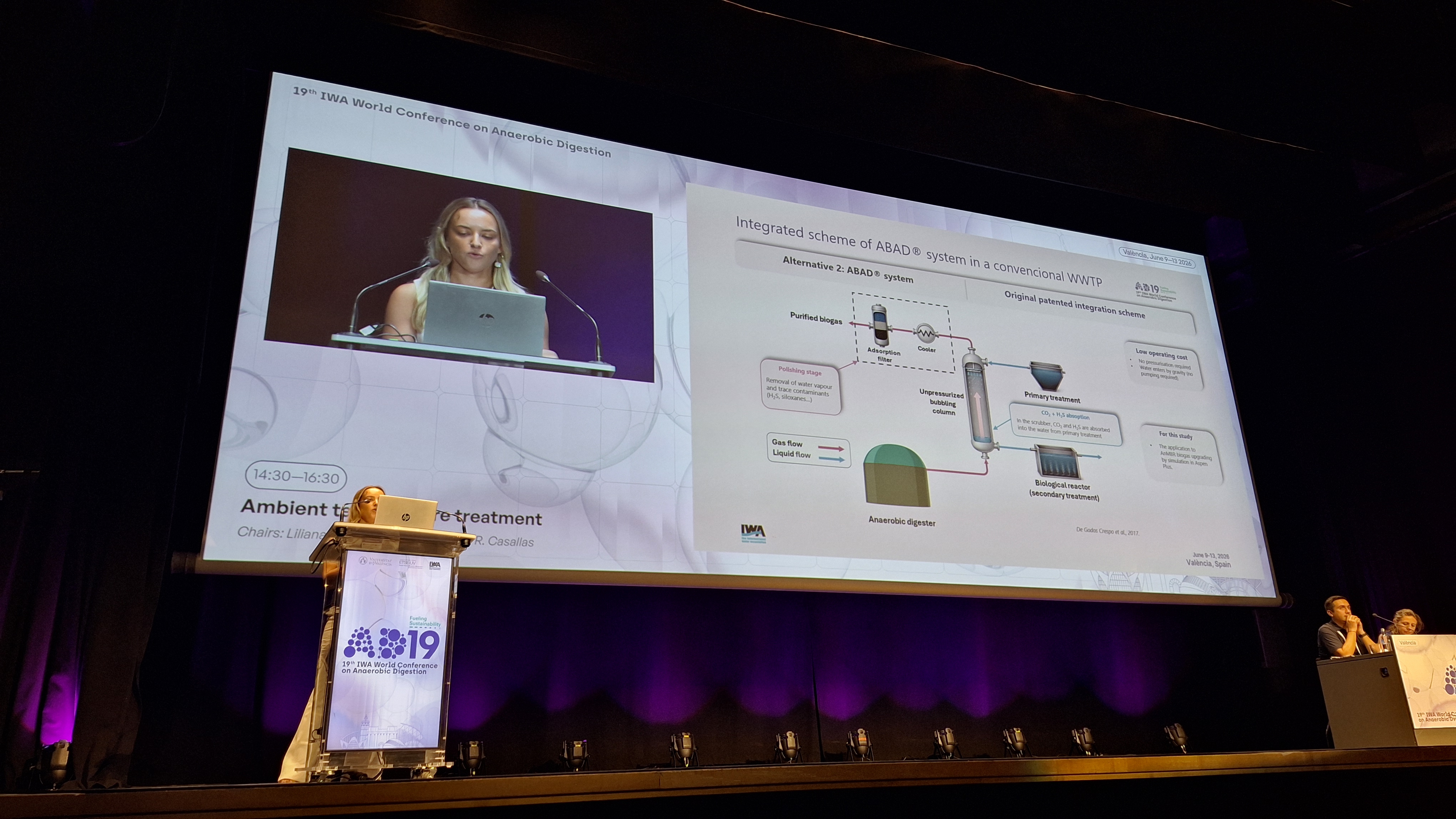
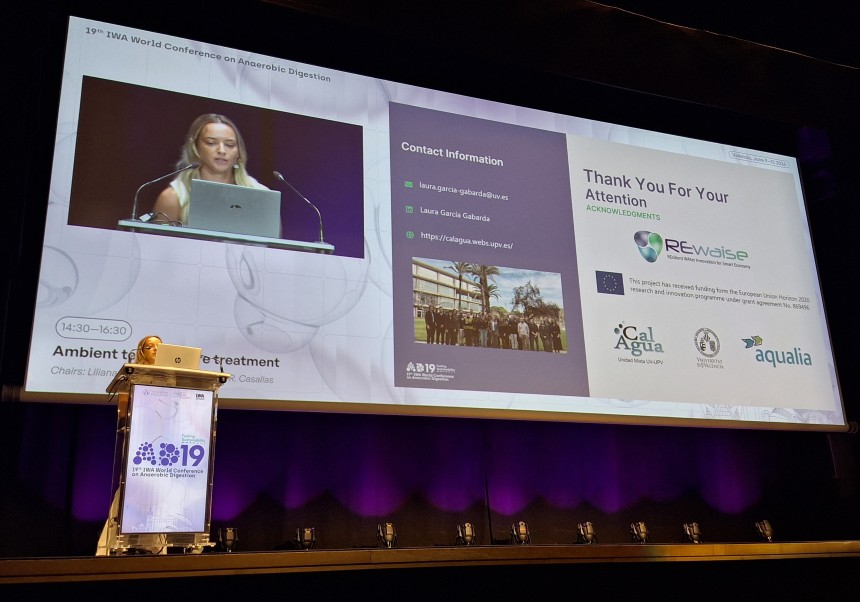
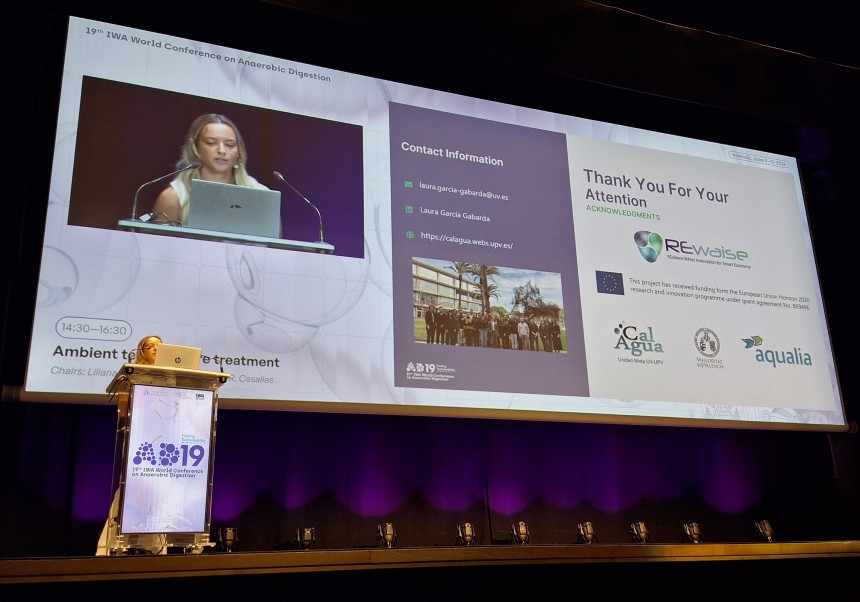
Furthermore, during the conference sessions, the presentation given by researcher Laura García (University of Valencia), entitled “Sewer mining with Anaerobic MBR to mitigate drought and dependence on industrial fertilisers”, presented results relating to an AnMBR process operated at the El Bobar WWTP (Almería, Spain) during the REWAISE project. This study evaluated the AnMBR process for treating urban wastewater, focusing on energy recovery through biogas enrichment and the reuse of water and nutrients. The AnMBR operated at ambient temperature (26.1 ± 5.9 ºC), removing 90% of the organic matter and producing stable biogas with a CH4 content of between 60–70%. To enhance energy recovery, two approaches to biogas enhancement were studied. Direct upgrading using hollow-fibre membrane contactors (HFMC) achieved up to 97% CO2 removal and 87% CH4 enrichment, whilst a hybrid configuration combining an intensive absorption stage (ABAD) with final upgrading via HFMC enabled almost complete CO2 removal. Furthermore, combining this with ultrafiltration membranes enabled the recovery of a high-quality, nutrient-rich effluent suitable for fertigation. Nitrogen and phosphorus balances showed that the use of AnMBR permeate in agriculture can partially replace synthetic fertilizers and reduce freshwater use, thereby lowering operating costs and nutrient discharges compared to the conventional activated sludge (CAS) treatment systems currently in use at most WWTPs.
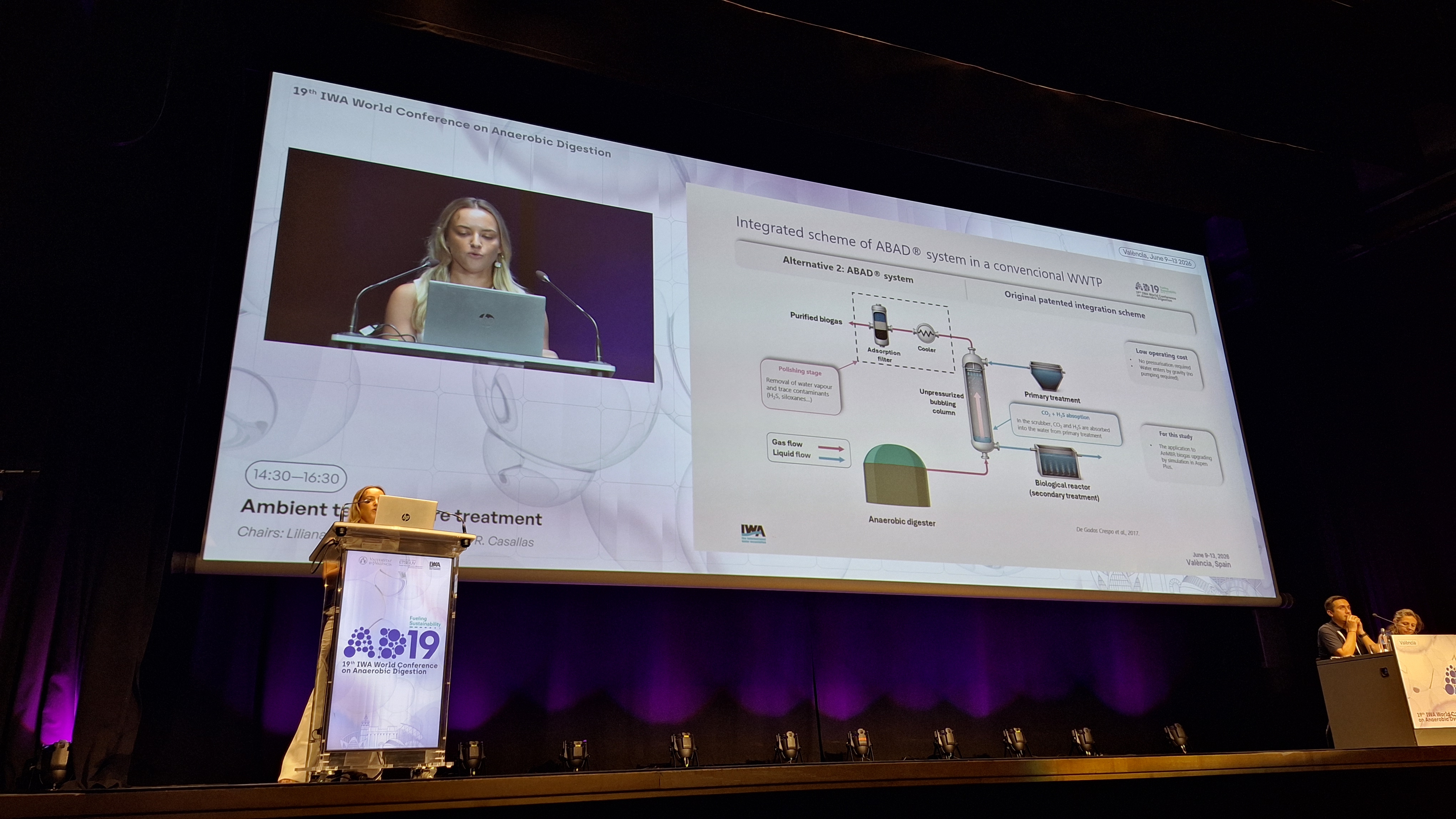
Presentation on the Rewaise project results at the AD19 conference by researcher Laura García of the University of Valencia

Images:

.jpg)