Amparo Oliver, member of Econcult (Universitat de València) and director of the ARMAQoL research group, and cultural manager and researcher Marcia Jadue Boeri took part in Territorio Experimenta V
Econcult · News
Amparo Oliver and Marcia Jadue Participate in Territorio Experimenta V to Reflect on Culture, Cultural Rights and Resilience in Post-Disaster Contexts
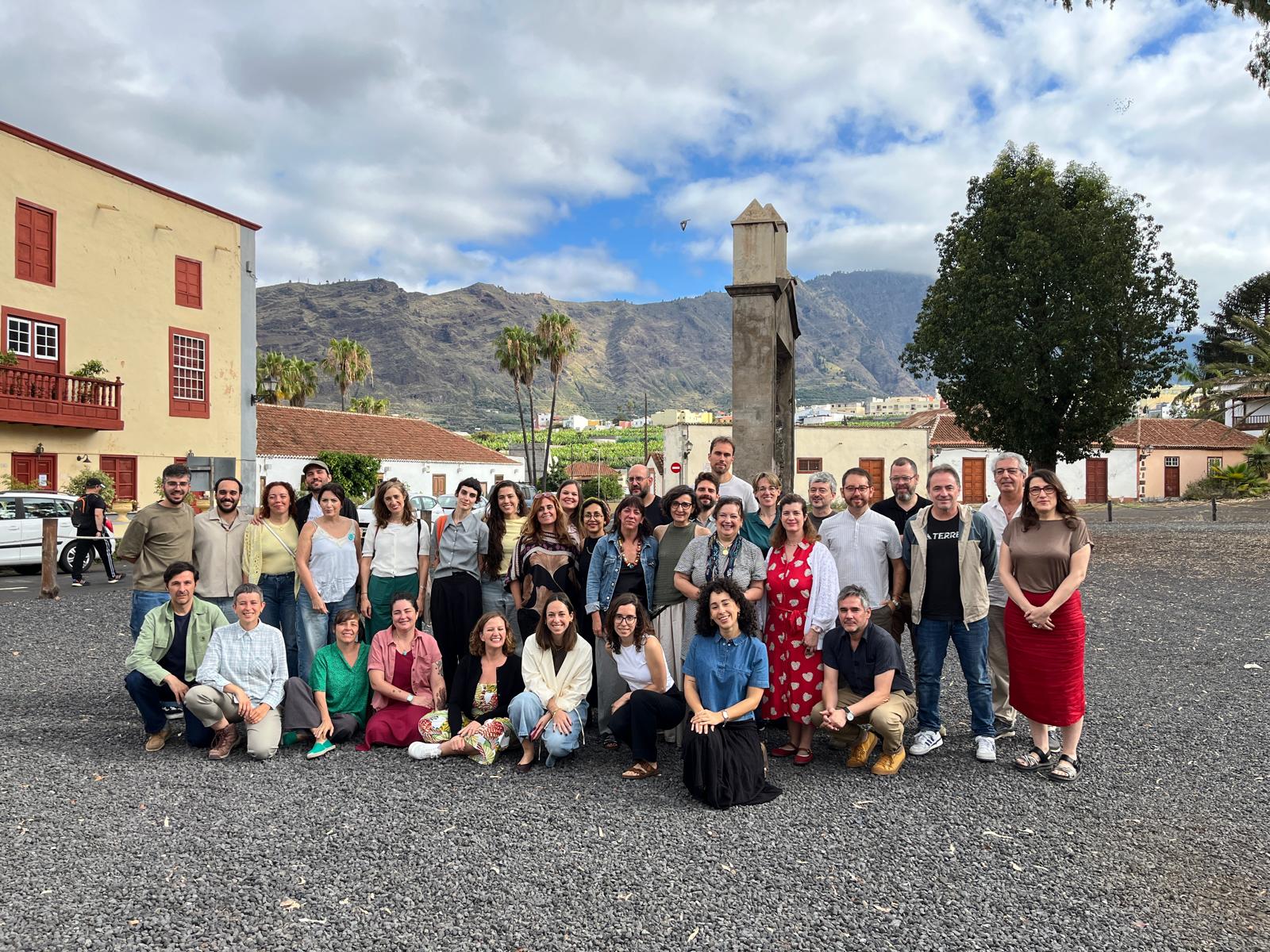
Amparo Oliver, member of Econcult (Universitat de València) and director of the ARMAQoL research group, and cultural manager and researcher Marcia Jadue Boeri took part in Territorio Experimenta V, a laboratory for cultural and social experimentation and innovation held in Los Llanos de Aridane (La Palma) from 15 to 19 June 2026. Organised by the Spanish Ministry of Culture, the initiative focused on the role of culture and the exercise of cultural rights in emergency and post-disaster contexts.
The conceptualisation and methodological design of Territorio Experimenta V were supported by an external advisory committee composed of professionals and researchers from different fields, including Marcia Jadue and Olga Blasco. This committee helped define the laboratory's approaches and lines of work, aimed at analysing the role of culture and cultural rights in contexts of emergency, reconstruction and adaptation to the effects of climate change.
Highlight: The laboratory brought together more than forty participants from different disciplines, professional backgrounds and territories to exchange experiences, knowledge and methodologies concerning the exercise of cultural rights and the role of culture in emergency contexts and in building resilience to the effects of climate change.
Marcia Jadue also participated as the rapporteur of one of the four pillars of the laboratory, contributing to the systematisation of the debates, methodologies and conclusions generated throughout the working sessions. Her professional career combines cultural management, academic research and the evaluation of cultural projects, with particular attention to the performing arts, strategic planning and cultural policies.
For her part, Amparo Oliver, Professor of Behavioural Sciences Methodology, member of Econcult and director of the ARMAQoL research group, contributed her expertise in the study of social capital, quality of life and community resilience. Her participation helped enrich the interdisciplinary discussion on the role of culture in processes of recovery, reconstruction and social cohesion following situations of crisis.
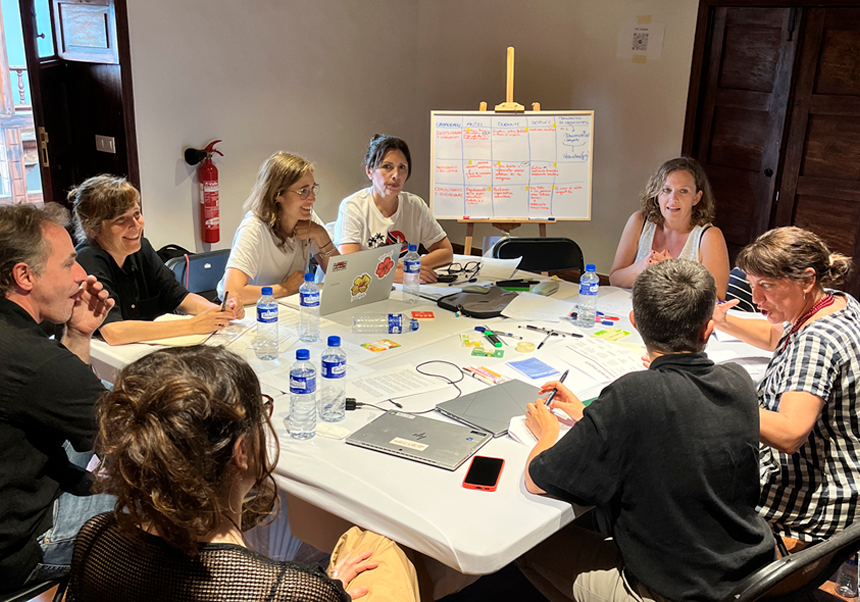
The laboratory brought together more than forty participants from different disciplines, professional backgrounds and territories to exchange experiences, knowledge and methodologies concerning the exercise of cultural rights and the role of culture in emergency contexts and in building resilience to the effects of climate change. The working sessions were organised around four thematic areas: integrating culture into emergency management and reconstruction processes; protecting and reactivating the cultural ecosystem; recognising the role of collective memory in the recovery of affected communities; and building more resilient futures through culture and community participation.
Among the laboratory's main conclusions, participants highlighted the need to incorporate culture as a structural dimension of responses to crises and disasters. Discussions emphasised the importance of developing governance and institutional coordination models capable of guaranteeing the protection of cultural rights and the reactivation of affected cultural ecosystems, while also recognising the role of collective memory in community recovery and reconstruction processes.
Participants also stressed that building more sustainable and resilient futures offers new opportunities when approached through culture and with the active participation of communities. In this regard, the laboratory highlighted the capacity of cultural practices to strengthen social cohesion, foster shared learning and contribute to imagining new ways of engaging with territories affected by emergency situations.
According to Marcia Jadue, the working format designed and promoted by the Ministry of Culture encouraged collaboration among professionals from diverse fields of knowledge and experience. The methodology facilitated the collective development of proposals through a transdisciplinary approach, enabled participants to compare lessons learned, identify shared challenges and strengthen the connection between critical reflection, territorial experience and citizen participation from the perspective of cultural management.
Territorio Experimenta V addressed experiences linked to territories affected by extreme events such as the volcanic eruption on La Palma, the floods caused by the 2024 dana, forest fires, and the impacts of drought and heatwaves. In this context, the participation of Amparo Oliver and Marcia Jadue reinforces Econcult's presence in spaces devoted to reflection, research and knowledge transfer aimed at analysing the role of culture in building more resilient and sustainable communities capable of addressing today's social and environmental challenges.