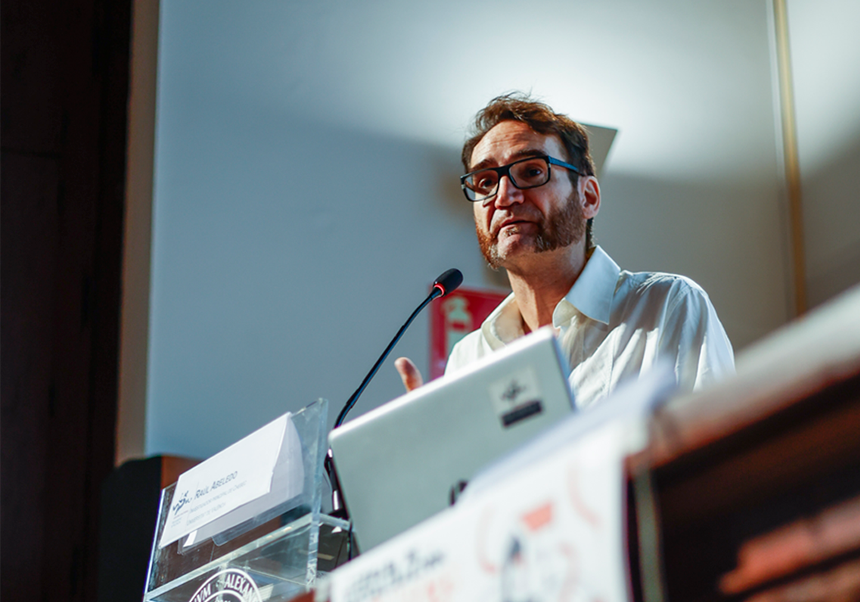
After more than five years of work, Raúl Abeledo is concluding his period as Head of Initiatives at the Cultural Observatory of the University of Valencia, a period marked by the consolidation of the Observatory’s activities, the connection between research and cultural policy, internationalisation, and the strengthening of its role as a space for knowledge transfer to society.
Raúl Abeledo begins a new stage at Econcult after leading the initiatives of the Cultural Observatory
After more than five years of work, Raúl Abeledo is concluding his period as Head of Initiatives at the Cultural Observatory of the University of Valencia, a period marked by the consolidation of the Observatory’s activities, the connection between research and cultural policy, internationalisation, and the strengthening of its role as a space for knowledge transfer to society.
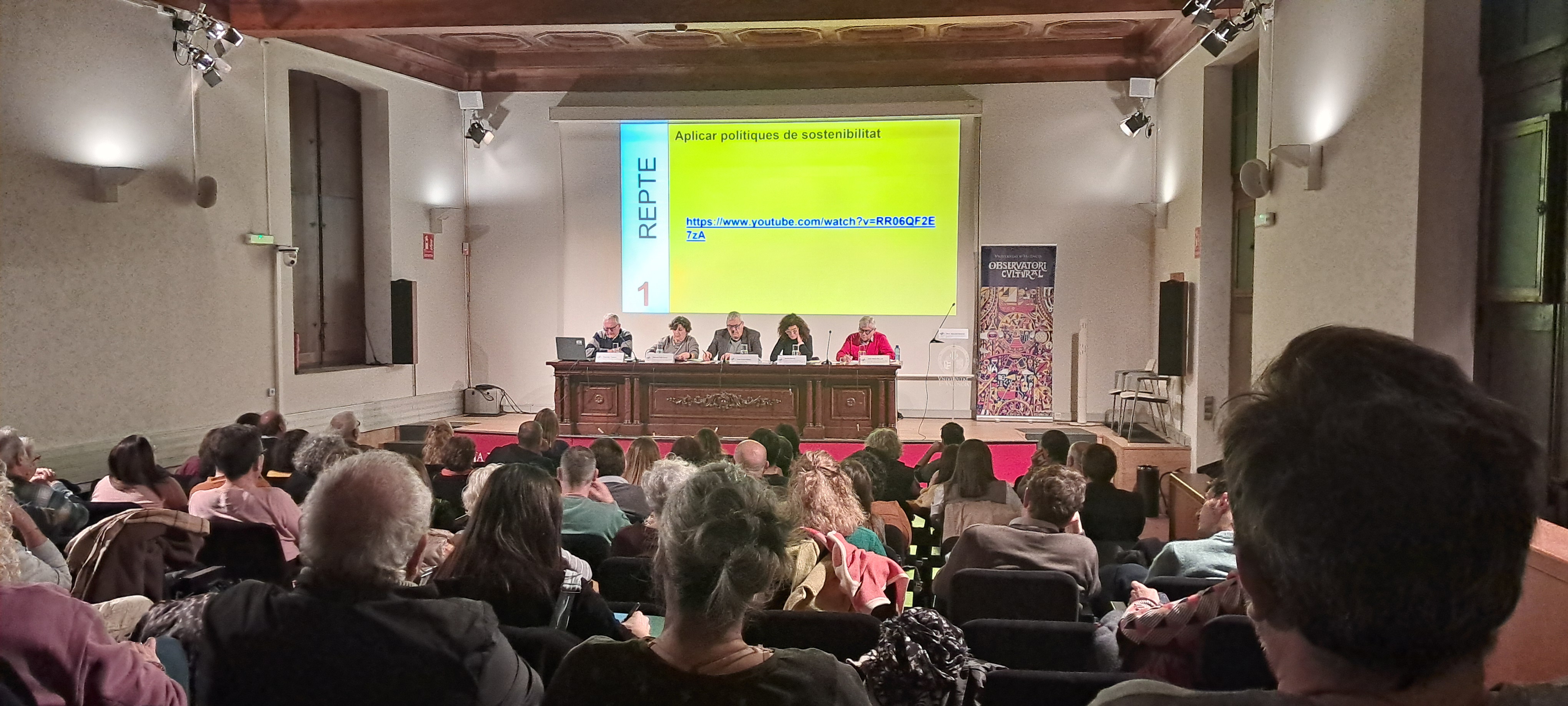
Between March 2021 and July 2026, the Cultural Observatory of the University of Valencia went through a period of consolidation in which one of the main lines of work was to incorporate into the Observatory’s programme design the results of research carried out by Econcult and other European cultural networks over the past 20 years. Particular attention was paid to the relationships between cultural autonomy and territorial development, environmental sustainability, social innovation and cultural rights.
With the essential technical support of Marcia Jadue Boeri (General Foundation of the University of Valencia), this approach has strengthened the Observatory’s role not only as a space for cultural dissemination, but also as a university infrastructure aimed at generating knowledge, connecting research with professional practice and contributing to the debate on cultural policy.
More than 120 activities and 4,600 participants
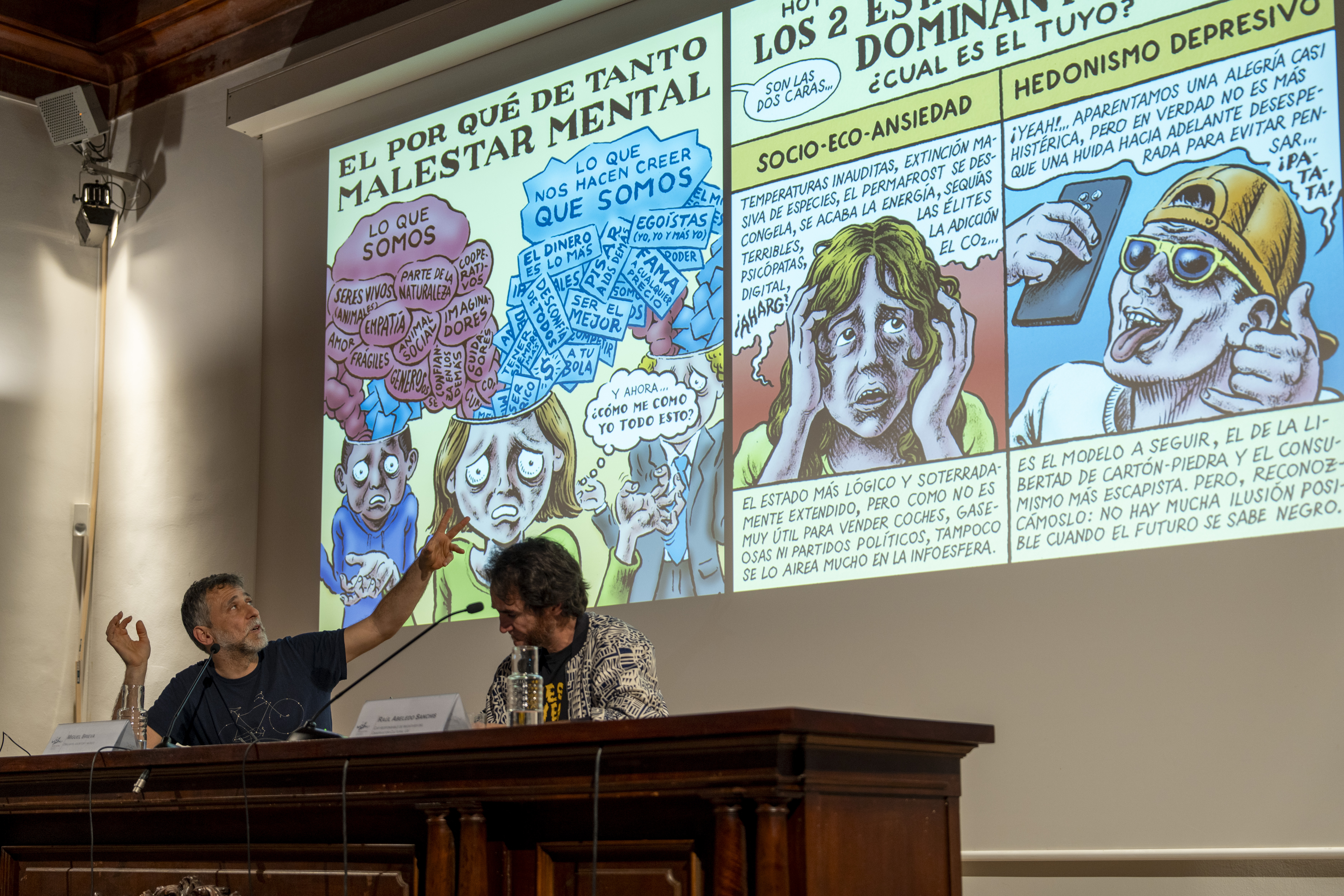
The intensity and scale of the work carried out during this period are also reflected in the figures. Between 2021 and 2026, the Observatory organised more than 120 conferences, seminars and academic activities, with the participation of 431 cultural-sector professionals and a cumulative attendance of more than 4,600 people, both in person and online. This activity also generated a repository of 106 videos available in open access. Documentation and communication have been two of the key areas of the Observatory’s work.
Knowledge production and transfer have also been strengthened through the development of the Observatory’s publishing programme.
During this period, three books were published, two of them in open access, and the editing of a fourth volume was completed, a collective work with Ibero-American cultural observatories. Its publication is planned for the first four months of the 2026-2027 academic year.
A commitment to internationalisation
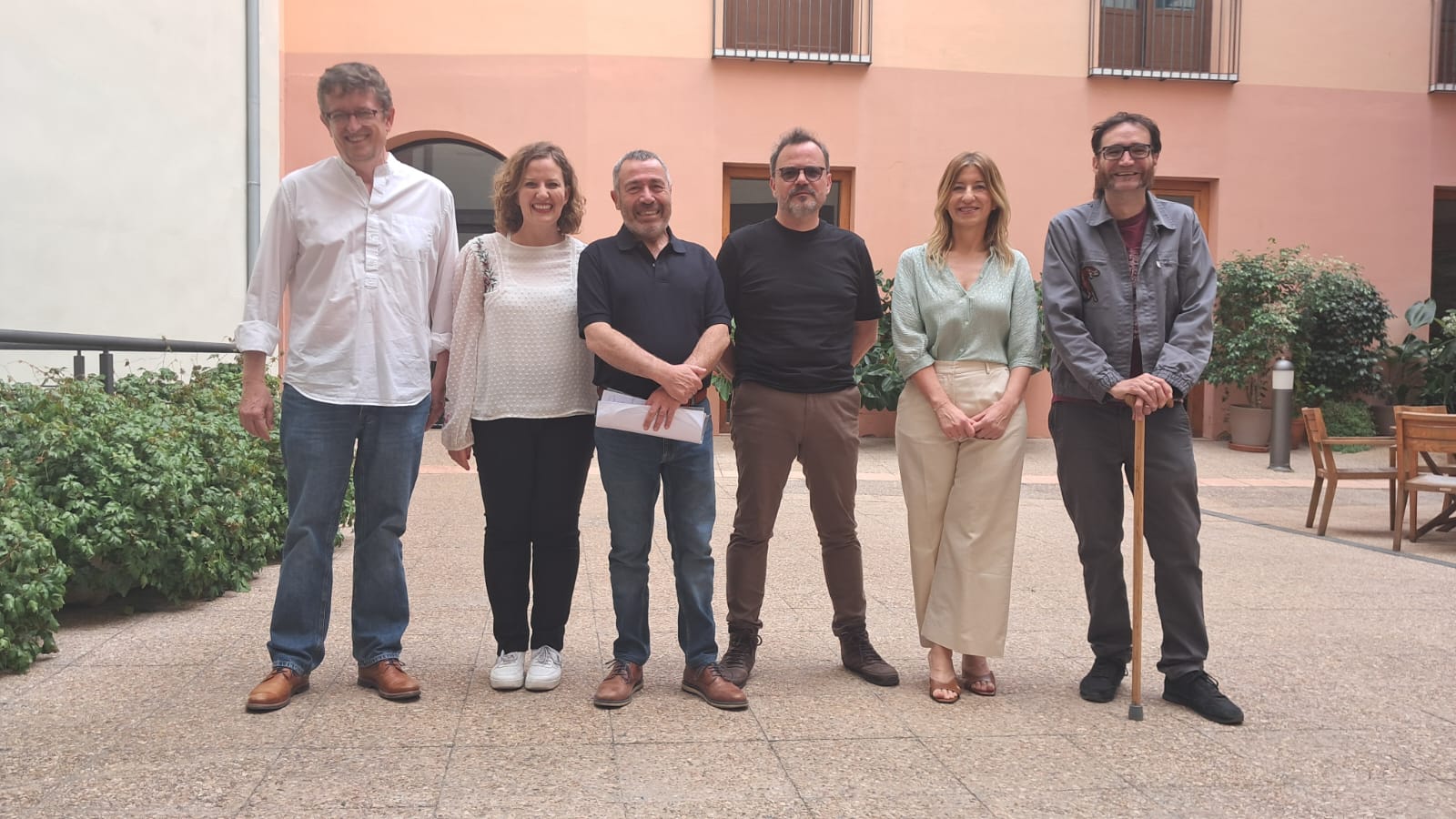
One of the most significant developments during this period has been the Observatory’s international projection. The University of Valencia participated as a founding member of the International Network of Observatories on Cultural Policy and Economics, a cooperation structure comprising 10 observatories from seven Latin American and European universities and four public bodies.
This network has helped broaden the Observatory’s academic and institutional relationships and position it within an international ecosystem dedicated to the analysis of cultural policy, cultural economics and cultural management.
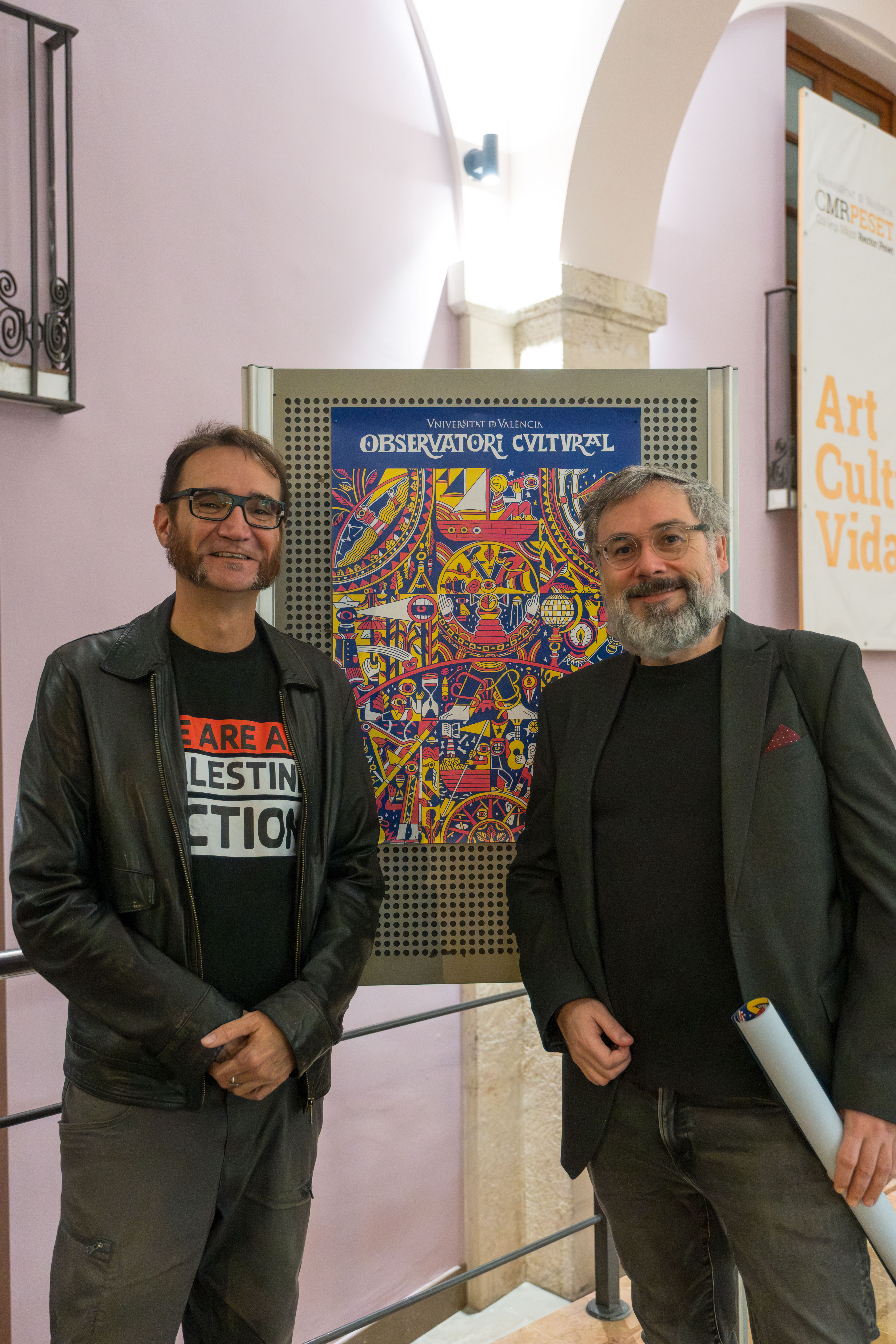
Applied research to understand the university cultural ecosystem
Alongside its public activities and internationalisation, this period also strengthened the Observatory’s research dimension, with projects aimed at generating evidence for the design of public policy. Among these initiatives is the survey on cultural participation at the University of Valencia (2025), conceived as a tool to deepen the diagnosis of the cultural practices, perceptions and needs of the entire university community.
Culture and the climate emergency: working with the Valencian cultural ecosystem
Other relevant activities during this period focused on studying the economic impacts of the climate emergency on the Valencian cultural ecosystem. In this context, the Cultural Recovery Office (ORC) of the Association of Cultural Managers of the Valencian Country commissioned Econcult and the Cultural Observatory to produce an Assessment Report on the Economic Impact and Scale of the Effects of the DANA on the Performing Arts and Other Cultural Sectors (2025). The ORC has made it possible to connect analysis, knowledge generation, institutional cooperation and direct dialogue with the affected cultural actors.
This work has made it possible to advance the identification of profiles, habits, practices and motivations among different university groups and to generate useful information for guiding the planning and evaluation of cultural action. The results of the 2023-2024 participation survey have also been systematised in an interactive data-visualisation tool that facilitates consultation and contributes to strengthening an evidence-based decision-making culture.
This process has helped bring into the cultural-policy debate issues such as precarity and fragility, as well as the importance of cultural organisations and actors in the face of extreme climate events. It also highlights the need for action and governance protocols for humanitarian and ecological crises. In terms of communication, mobilisation, resilience and recovery, the fragile cultural ecosystem is a key element in this context.
There is an urgent need to review the public instruments used to support and recover the cultural sector.
A growing community and knowledge repository
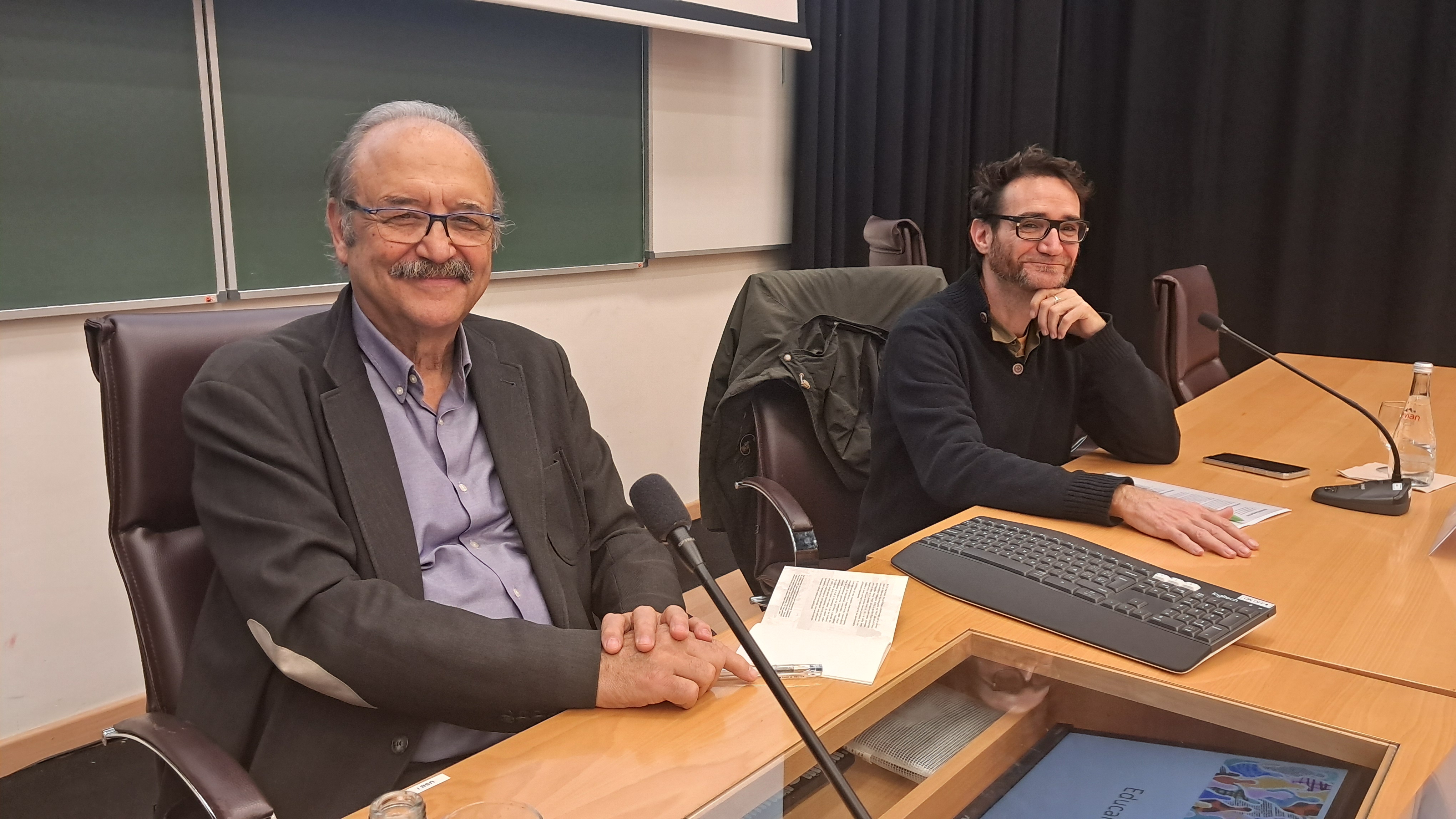
The period has also brought a stronger digital presence for the Observatory. Its specialised website includes a specific section dedicated to cultural observatories as an object of analysis. Meanwhile, its LinkedIn community has surpassed 1,150 organically acquired followers, increasing its visibility among professionals, researchers and cultural institutions.
The end of this period therefore leaves behind a more consolidated, internationalised and research-linked structure, together with an extensive community of professionals and researchers connected to the Observatory’s activities.
At Econcult, the Research Unit in Cultural Economics and Tourism at the University of Valencia, we would like to recognise the work carried out by Raúl Abeledo over these years and his contribution to consolidating the Cultural Observatory as a reference space for reflection, research and knowledge transfer on culture and cultural policy. The conclusion of this period at the Observatory now opens a new stage in Raúl Abeledo’s career within Econcult, of which he has been a member since 2006, now 20 years. This new stage will strengthen his dedication to the unit’s research lines, projects, engagement activities and knowledge-transfer work, continuing the work developed around the relationship between the autonomy of the cultural sector and a more humane and ecological model of development.