

European award for a CSIC scientist for a study showing that climate change has intensified the DANA
-
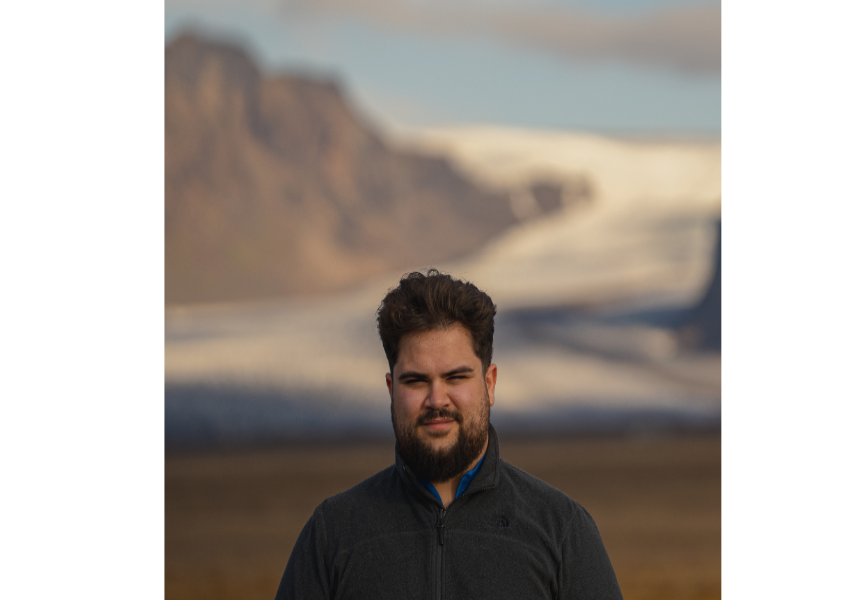
Carlos Calvo Sancho is the second Spaniard to win the EMS Young Scientist Award 2026, one of the most prestigious awards presented by the European Meteorological Society
-
The award recognises a study carried out by a scientist at CIDE (CSIC-UV-GVA) which shows how climate change intensified extreme rainfall during the DANA that affected Valencia
Carlos Calvo Sancho, a researcher at the Spanish National Research Council (CSIC) at the Centre for Research on Desertification (CIDE) – a joint centre run by the CSIC, the University of Valencia and the Valencian Regional Government – has been awarded the EMS Young Scientist Award 2026, one of the most prestigious awards granted by the European Meteorological Society to young researchers for outstanding scientific contributions in the field of atmospheric sciences. The award recognises a study led by the CSIC researcher and published in Nature Communications, which shows how anthropogenic climate change intensified the storms and extreme rainfall caused by the cold drop that affected Valencia on 29 October 2024.
The research was led by the University of Valladolid and the Spanish State Meteorological Agency (AEMET), along with scientists from the Spanish National Research Council (CSIC), including Calvo, currently a postdoctoral researcher at the Climate, Atmosphere and Ocean Laboratory (CLIMATOC-LAB) of the CIDE. Among the aspects valued by the European Meteorological Society are the originality of the research and its potential to contribute to better management of the risks associated with extreme weather events.
The European Meteorological Society also points out that the work constitutes a pioneering physical attribution study that demonstrates how climate change amplified the intensity of storms and extreme rainfall during the 2024 Valencia floods. This was achieved using a very high spatial resolution ‘pseudo-global warming’ (PGW) approach, which allowed for the assessment of the contribution of climate change.
Scientific Basis for Decision-Making
“Receiving the EMS Young Scientist Award is an immense honor that I share with the institutions that have supported this work,” says Carlos Calvo. “This award validates the effort to apply cutting-edge tools such as the very high-resolution pseudo-global warming approach, which has allowed us to robustly demonstrate how anthropogenic climate change modified the internal dynamics of the October 2024 storms, amplifying their torrential nature,” explains the CSIC researcher.
“Beyond academic recognition, what is truly crucial is that these results offer a solid and urgent scientific basis for decision-making,” he continues. “Accurately attributing the impact of global warming is the first step toward improving civil protection, redesigning land-use planning, and building a much more resilient Mediterranean region in the face of climate extremes,” Calvo asserts.
Outstanding Research in Atmospheric Sciences
The awarding of this prize places Carlos Calvo among the most outstanding young researchers in Europe in atmospheric sciences. The EMS Young Scientist Award is granted annually to a single individual in recognition of the excellence of their scientific publications or presentations during the early stages of their career. Scientists under 35 years of age working in European countries are eligible for the award, and applications are evaluated by an EMS expert committee based on criteria including the scientific merit of the submitted publication, its innovative nature, and the candidate's track record.
Previous recipients include researchers who have subsequently established leading careers at European universities, meteorological services, and research centers. Until now, researcher Raquel Nieto (EPhysLab group at the University of Vigo and member of the CSIC's Interdisciplinary Thematic Platform on Climate and Climate Services) was the only Spanish woman to have received this award.
The CSIC in the DANA
The award-winning research is part of the CSIC's efforts to improve the understanding of the impacts of climate change on extreme weather events and to strengthen the scientific basis necessary for developing effective adaptation and resilience strategies. In this context, the work aligns with the objectives of the CSIC's Climate and Climate Services Technology Park (PTI), an initiative that promotes collaboration between research centers and scientific disciplines to comprehensively address the challenges associated with climate change.
Furthermore, on October 30, 2024, the CSIC activated the Disaster and Emergency Advisory Group (GADE) to offer and provide technical and scientific advice on response and reconstruction efforts following the DANA storm. This was achieved through the creation of various expert groups in key areas such as hydrogeology, flooding, pollution, waste management, impact on the marine environment, health risks, landslides, damage to infrastructure and buildings, as well as social and health risks. In total, the CSIC mobilized some 200 people from about thirty centers and institutes out of the 124 integrated into the institution.
Reference:
Calvo-Sancho, C., Díaz-Fernández, J., González-Alemán, J.J. et al. Human-induced climate change amplification on storm dynamics in Valencia’s 2024 catastrophic flash flood. Nat Commun 17, 1492 (2026). https://doi.org/10.1038/s41467-026-68929-9
More information about the award:
https://www.emetsoc.org/ems-young-scientist-award-carlos-calvo-sancho/
CIDE Comunication



