The exhibition project that analyses the reflect of a nation that wished to be free, without being it.
Programme within the fifth edition of the ACTIVA CULTURA awards
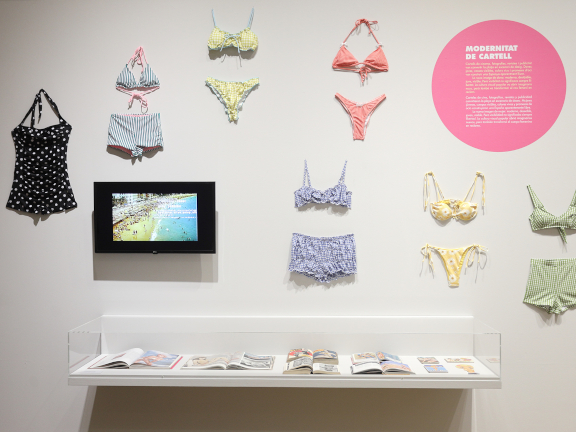
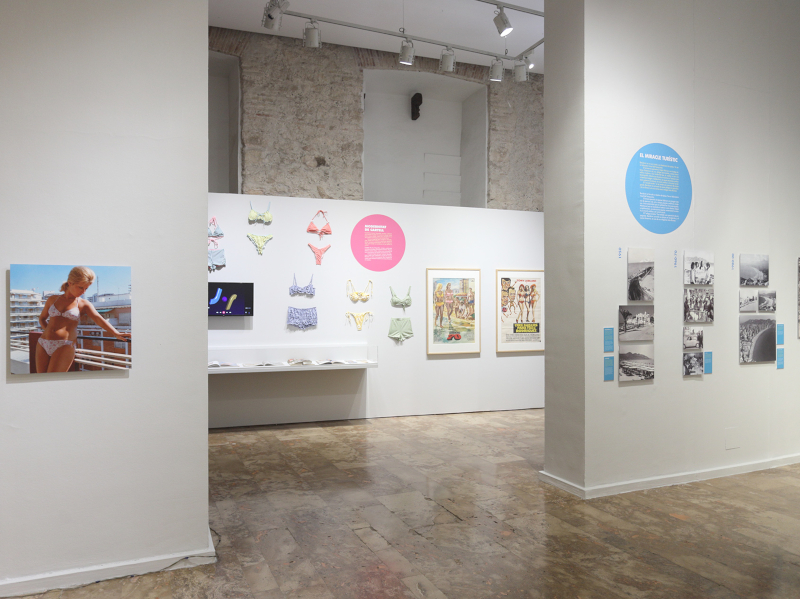
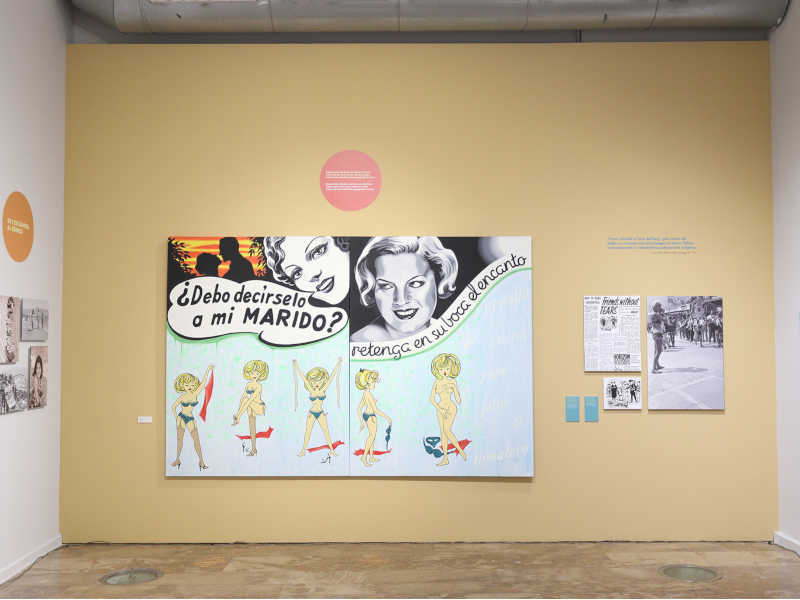
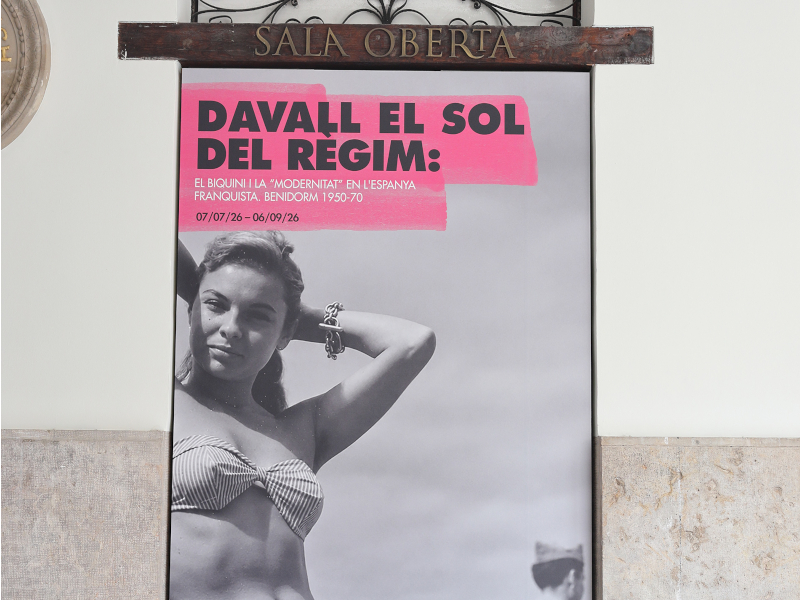
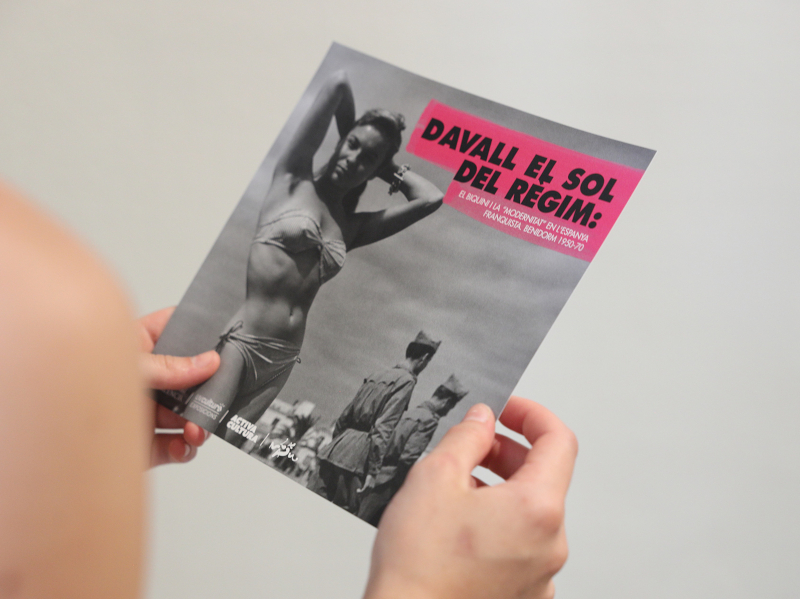
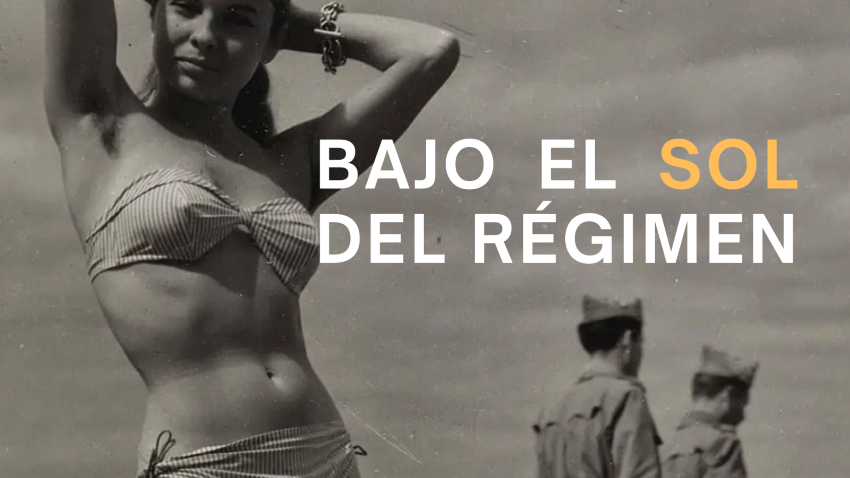
Bajo el sol del Régimen: El bikini y la “modernidad" en la España franquista. Benidorm (1950-1970) (Under the regime’s sun. Bikinis and “modernity” in Francoist Spain. Benidorm) is an exhibition project that goes through the visual construction of the touristic myth of the Francoist Spain from the paradigmatic case of Benidorm. The exhibition proposes a reading of the “modernity” story projected by the regime, disclosing their contradictions and double morality between female body control and the apparent openness to Europe. This way, bikini turned into a tolerated symbol of ambiguity and modernity, but morally persecuted at the same time. This simple swimwear encapsulated the tension between censorship and openness that characterised the period of Developmentalism in Spain.
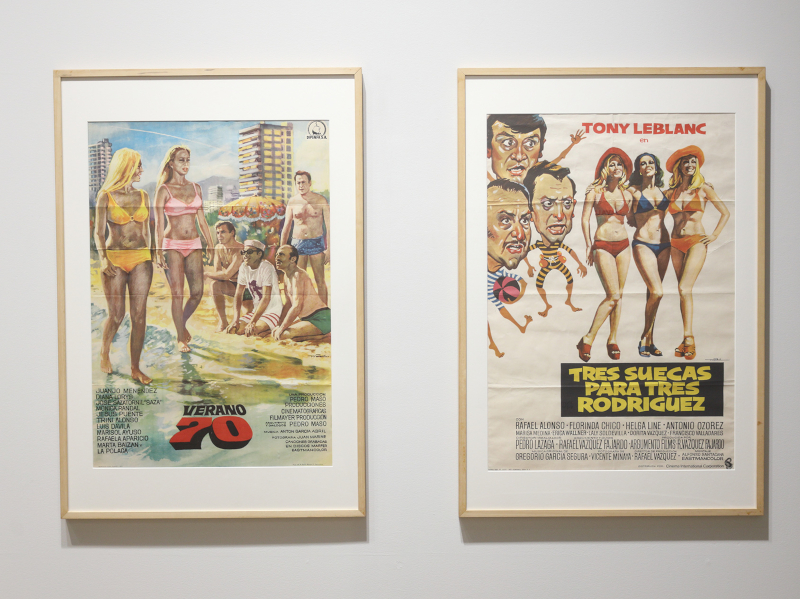
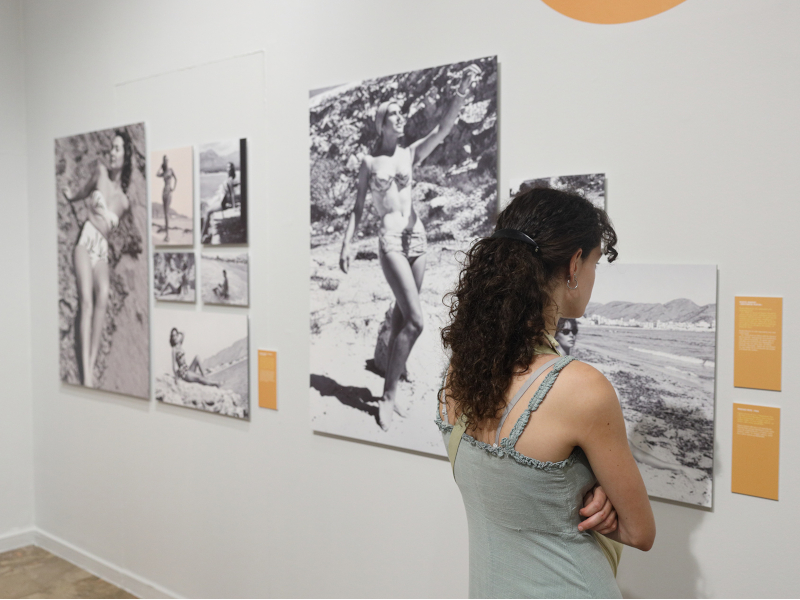
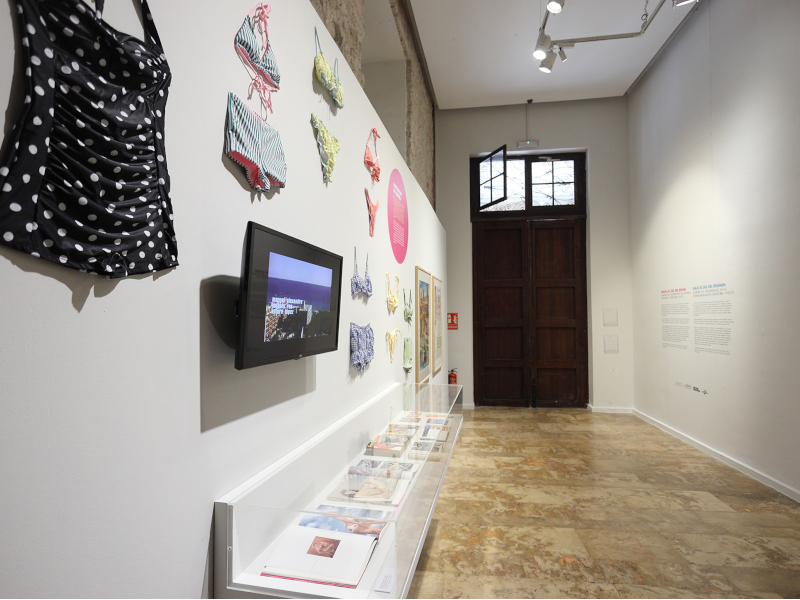
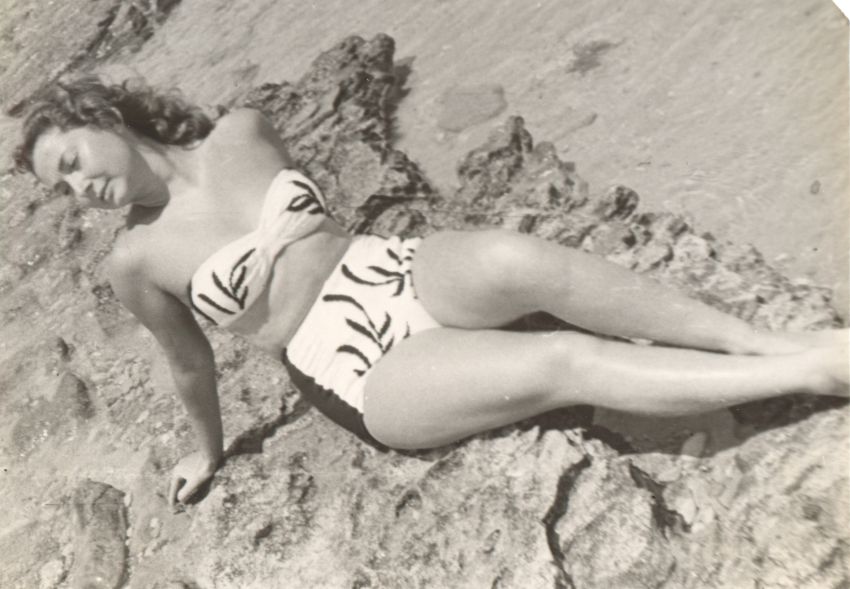
The exhibition will show –through press, archival photos, and recovered clothing– this official story and real impact of the female body in a bikini at the beaches from Alicante. From the moral context and censorship, the touristic miracle and the episodes of fascination and scandal linked to the arrival of the first European female tourists, the exhibition explores how the regime used the “sun and beach” imaginary to project abroad an image of a modern and open-minded country, while strong control mechanisms were still kept.
This way, the exhibition turns Benidorm into a space where one can reflect upon the leisure culture, gender discourses and the construction of a new image of the most recent Spain. This project, proposed by Lucía Sellés Calvillo –graduated from History of Art at the Universitat de València and current PhD student of this university– was awarded within the sixth edition of the Activa Cultura call of the Office of the Vice-Principal for Culture, Sports, and Social Bond of the Universitat de València.