

The 8th Innovation Rooms Conference will once again serve as a meeting point for sharing teaching innovation experiences at the Faculty of Philology, Translation and Communication of the University of Valencia.
This year's edition, which will take place on 16 June in a hybrid format from the Faculty's Cultural Space, is entitled Teaching Innovation with and without Generative AI: New Learning Scenarios for an Evolving University Teaching Environment. It is conceived as a space for exchange, critical reflection, and the sharing of experiences on the current challenges facing higher education and the opportunities offered by educational innovation.
The conference will open with the keynote lecture "A Faculty with a View: Ethics, Creativity and Quality as Alternative Drivers of Innovation", delivered by Rosa Agost Canós (Universitat Jaume I, directora IIFV-UJI). Drawing on the metaphor of an open and transparent classroom, the speaker will reflect on the kind of degree programmes, faculty, and university we wish to build, highlighting ethics, creativity, human competencies, and educational quality as key pillars for fostering teaching innovation.
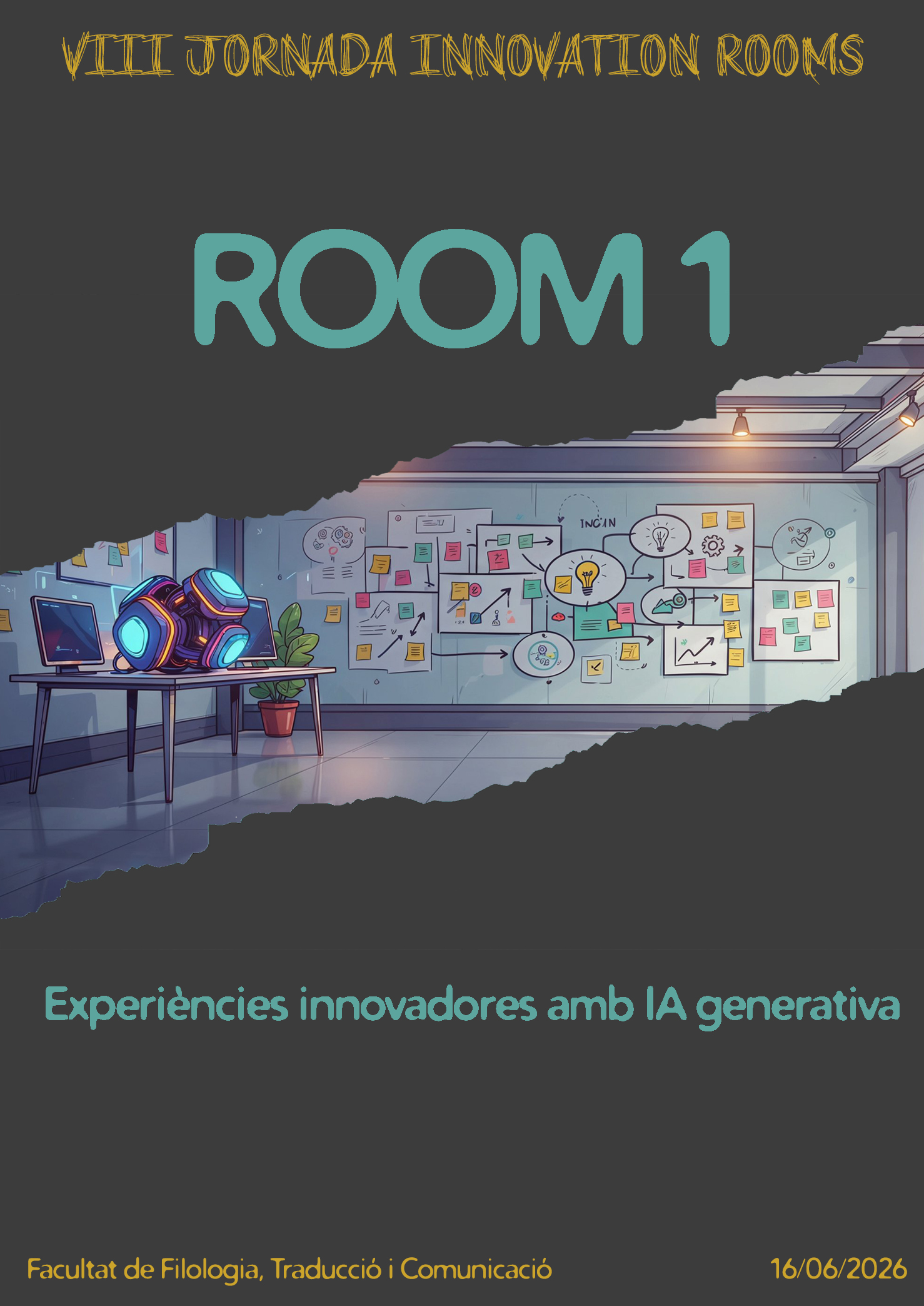
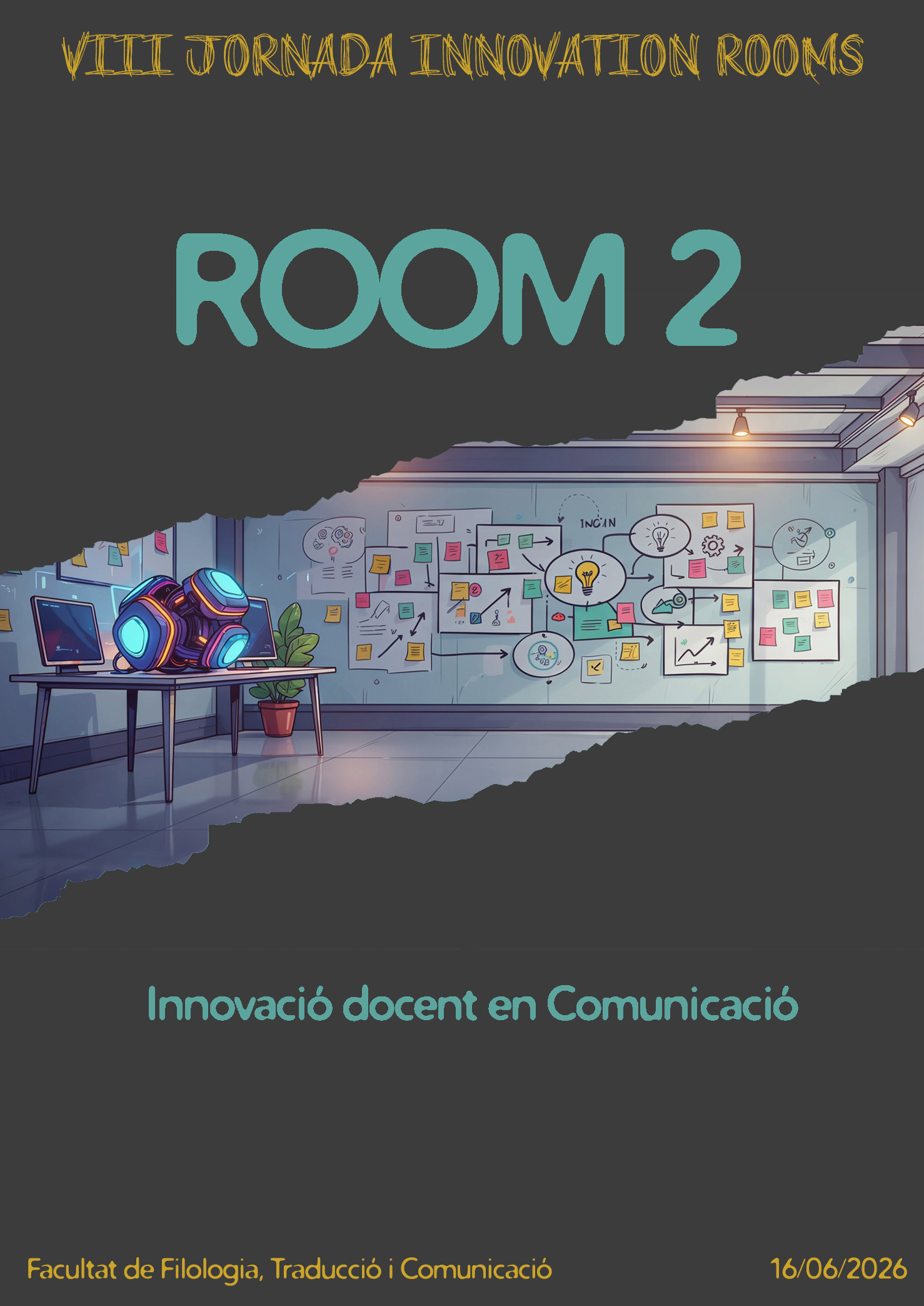
Throughout the day, faculty members will share experiences and projects organised into different thematic rooms. Room 1 will focus on innovative experiences with generative AI applied to teaching, materials design, assessment, and learning support. Room 2 will be devoted to teaching innovation in Communication Studies, featuring proposals related to new methodologies, digital resources, sustainability, and knowledge transfer to professional contexts.
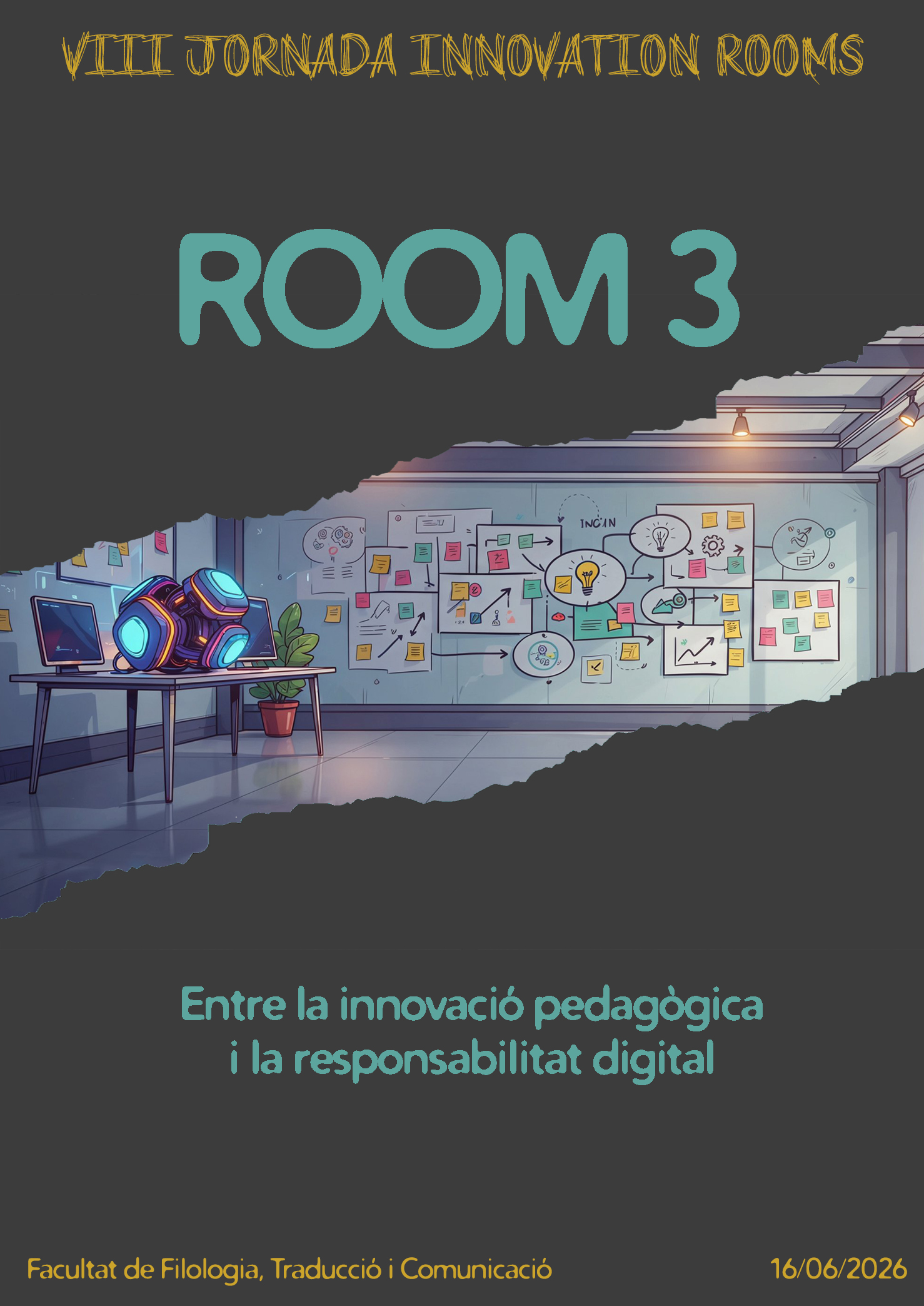
Room 3 will explore the relationship between pedagogical innovation and digital responsibility, offering reflections on the critical use of AI, student autonomy, digital ethics, and education aimed at preventing risks and inappropriate behaviour in digital environments. Finally, Room 4 will address the challenges and opportunities that artificial intelligence presents for translation, languages, and literary studies.
The conference will also include the Talk-Inn spaces, meeting points for the Faculty's established and emerging teaching innovation groups, where ongoing projects and initiatives will be shared in an open and participatory format.
Innovation Rooms thus continues to consolidate its role as a forum for showcasing innovative experiences, exchanging good practices, and collectively reflecting on the future of university teaching.
ABSTRACTS:
|
|
|
|
|
|
|
Download:



