- Microscopy
Nikon Eclipse E800 Optical Microscope
Nikon Eclipse E800 Optical Microscope

The Nikon Eclipse E800 is an optical upright research microscope in the Eclipse series. Based on the CFI60 (infinity) optical system, it provides high resolution images, contrast and resolution. Its modular design allows it to be adapted for different applications and observation techniques.
The equipment is set up for transmitted light and epifluorescence, making it particularly appropriate for biological and histological work and for the display of fluorescent marks. Moreover, it incorporates DIC/Nomarski (differential interference contrast), which is an ideal technique for transparent orlittle stained samples, since it noticeably increases the contrast and the apparent relief without the need for intense staining.
Leica Z16/DFC Microscope
Leica Z16/DFC Microscope
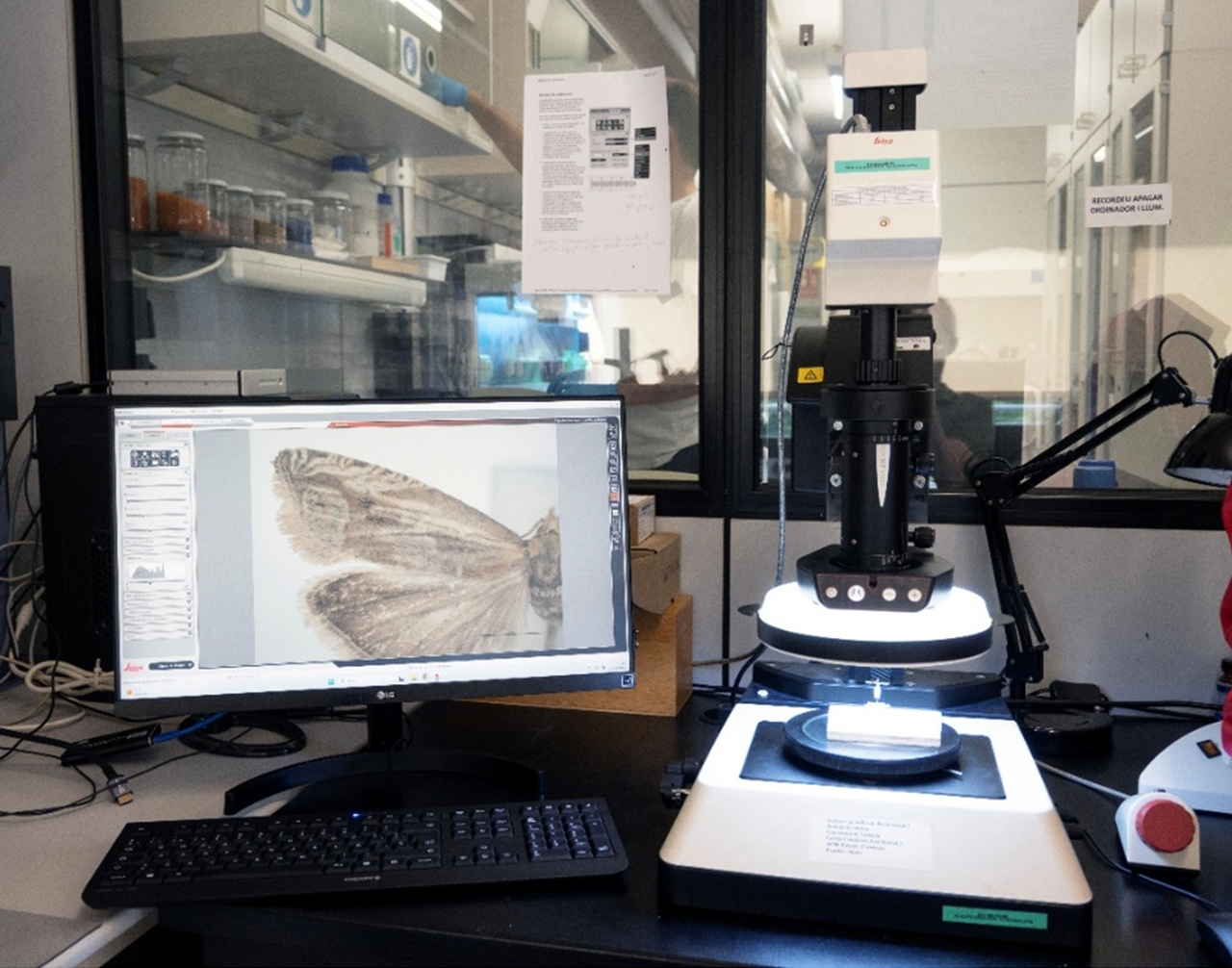
The Leica Z16/DFC microscope is a zoom macroscopy system (zoom microscope), oriented towards inspection, documentation, and measurement of low and medium magnifications. The Leica Z16 APO incorporates a 16:1 zoom with an apochromatic optical system for high colour fidelity and rich detail, and an optical path length that provides a parallax-free image, especially useful for documentation.
It is equipped with a Leica DFC digital camera for capturing images and videos.
- Spectrophotometric analysis
Hitachi F-7000 Fluorescence Spectrophotometre
Hitachi F-7000 Fluorescence Spectrophotometre
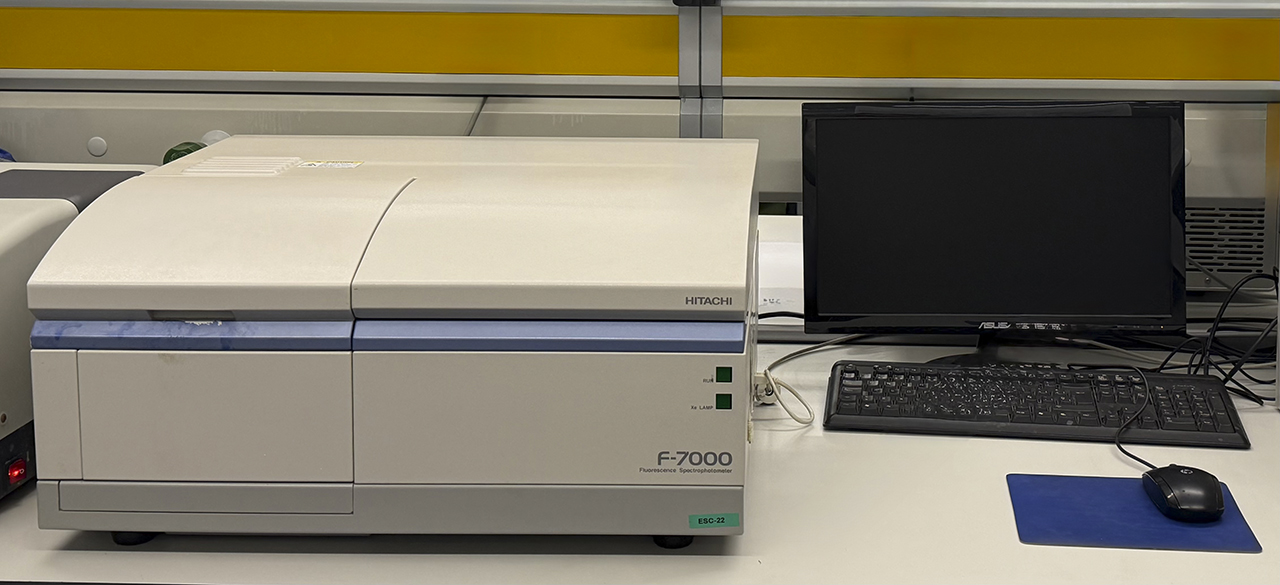
The Hitachi F-7000 is a high performance spectrofluorometer designed for precise measurement of fluorescence in research applications and analytical control. It incorporates a 150 W xenon lamp and an optical system that enables registration of wavelength excitation and emission in a broad range of wavelengths (200-750 nm).
It stands out for its high sensitivity (high signal and noise relation for measurements at low concentration) and for its high-speed scan, capable of tracing spectra very fast (up to 60,000 nm/min; and in fast mode it can cover the spectral range around 1 second).
Important features:
- Wide spectral range (Ex/Em): 200–750 nm.
- Excitation source: 150 W xenon (self-deozonating lamp house).
- High sensitivity/ low noise, suitable for traces and quantification.
- Fast scan and kinetic/monitoring functions.
- Low volume sample: up to 0.6 mL with a 10 mm standard tray.
PG Instruments Ltd T90+ UV/Vis Spectrometrer
PG Instruments Ltd T90+ UV/Vis Spectrometrer
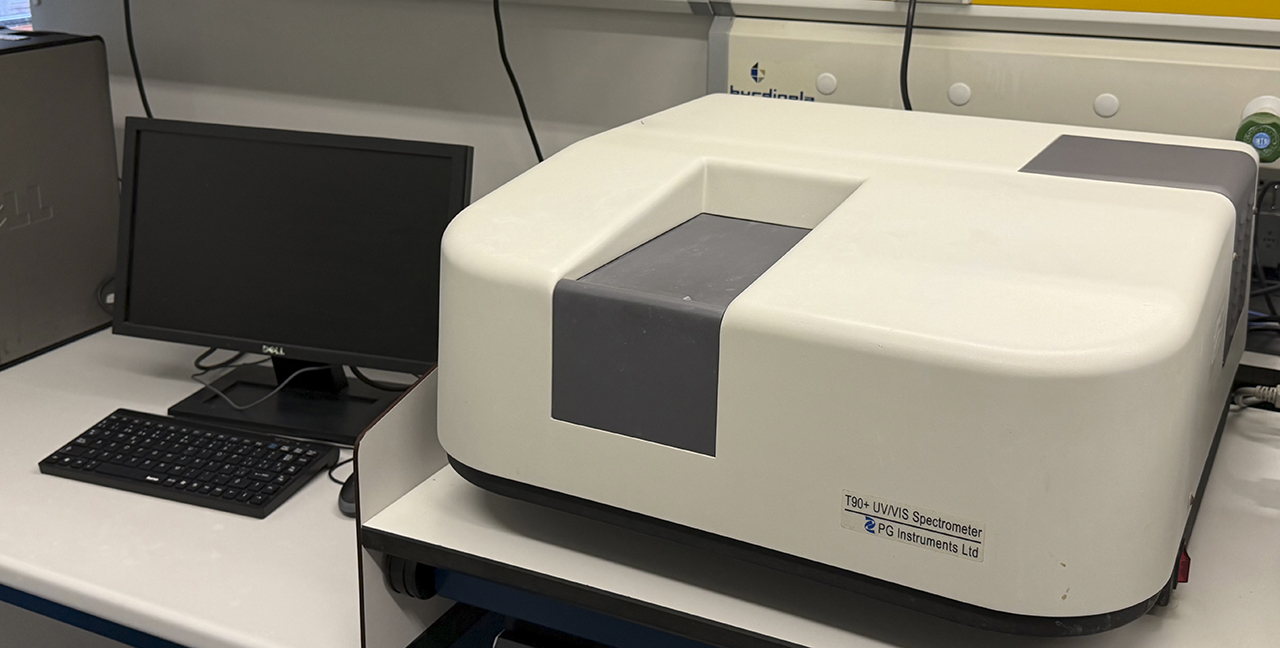
The PG Instruments T90+ is an UV/Visible true double beam spectrophotometer, thought for precise measurements that are absorbance and transmittance stable in routine and research applications. Its double beam design improves the baseline stability and reduces drift, providing accurate quantifications.
The system operates within a spectral range of 190–900 nm and offers a variable spectral bandwidth (up to 0.1 nm), which allows the optimization of the resolution and the sensitivity according to the application. It incorporates a Czerny-Turner monochromator with a holographic grating (minimum stray light) and a photomultiplier detector (PMT) for high sensitivity.
Important features:
- True double beam optical system for high stability and low noise.
- Wavelength range: 190–900 nm.
- Variable bandwidth: 0.1 / 0.2 / 0.5 / 1 / 2 / 5 nm (selectable).
- Czerny-Turner monochromator with a holographic grating and a PMT, oriented towards good resolution and high sensitivity.
- Little laboratory equipment
Little laboratory equipment
Little Laboratory Equipment
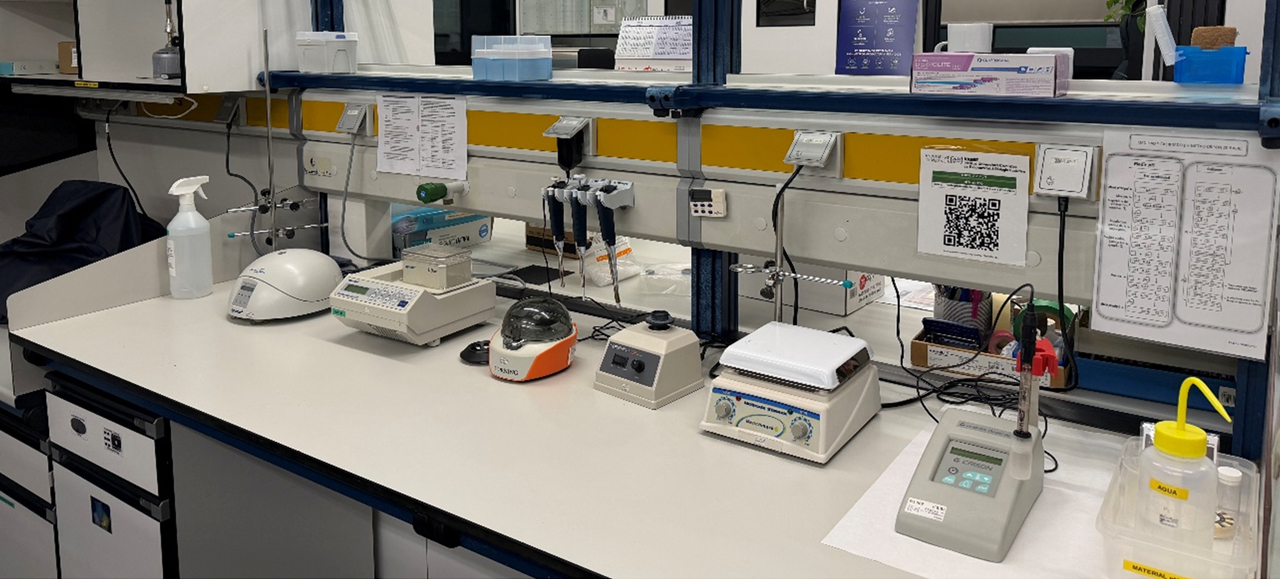
Bench equipped with automatic pipettes and support, refrigerated microcentrifuge, mini centrifuge, refrigerated centrifuge, vortex mixer, thermoblock with incubation, scales, water purifier, deep freezers, ice machine and a pH meter with electrodes, as well as auxiliary materials especially for the preparation of reagents and molecular biology and daily analysis samples.
- Molecular biology equipment
Molecular biology laboratory
Molecular biology laboratory
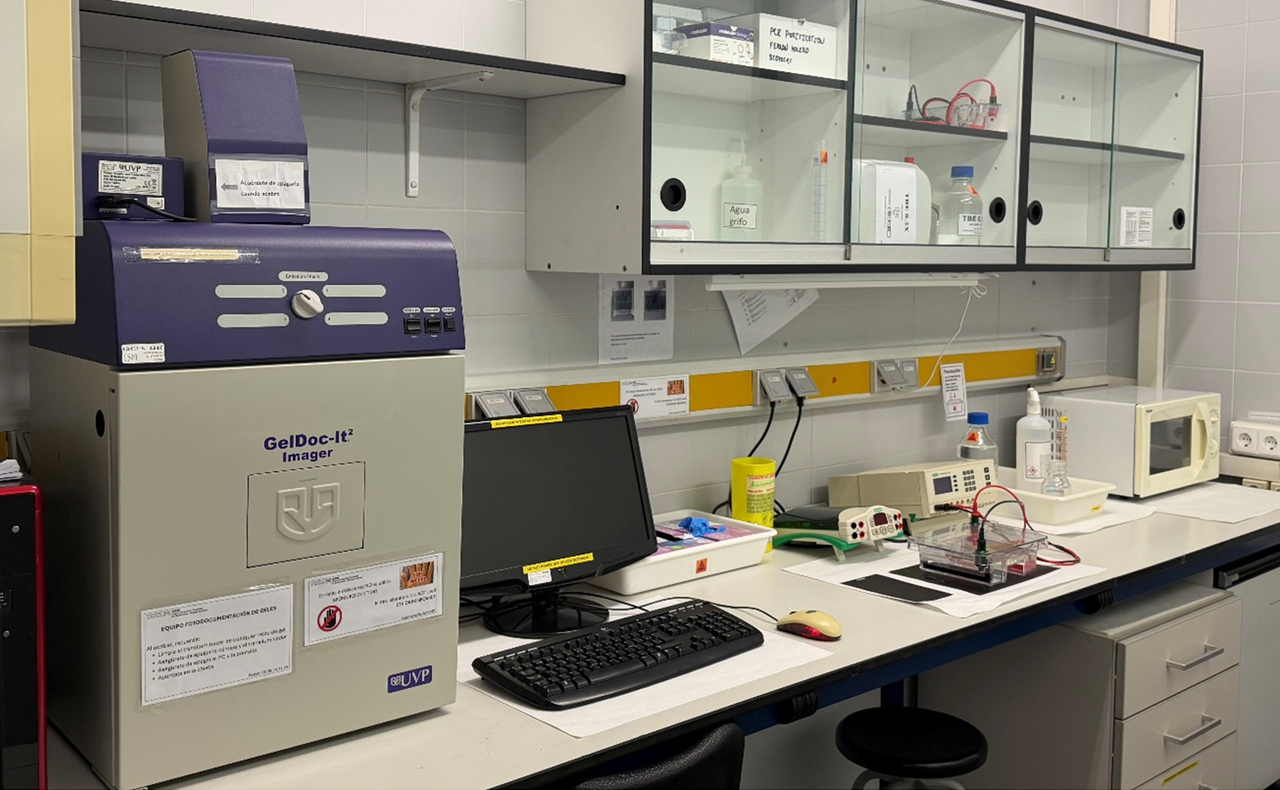
Basic molecular biology laboratory equipped for the DNA/RNA analysis and verification of amplifications by gel elecrophoresis. It has a work area with useful instrumentation, gel running systemsand power source, and a gel documentation/display system (GelDoc) for the registration and analysis of results, as well as auxiliary materials for sample and reagents preparation.
QuantStudio™ 5 Real-Time PCR System
QuantStudio™ 5 Real-Time PCR System

The QuantStudio™ 5 (Applied Biosystems / Thermo Fisher Scientific) is a real-time PCR (qPCR) system designed for the detection and quantification of nucleic acids by fluorescence. It includes an interface and an analysis software oriented towards a simple workflow with options of security and access control and compatibility with data management connectivity.
Important features:
- OptiFlex optical technology with fluorescent channels for multiplexing (up to 6 targets in systems with disconnected filters).
- Independent VeriFlex temperature zones (in a 96-well block) to improve test uniformity and optimisation.
- Typical applications: relative/absolute quantification, genotyping/endpoint (depending of the trial) and melt curves.
- Range of measured fluorophore work and possibility of personalised dyes within the ranges of compatible excitation/emission.
Mastercycler Nexus Gradient (Eppendorf)
Mastercycler Nexus Gradient (Eppendorf)
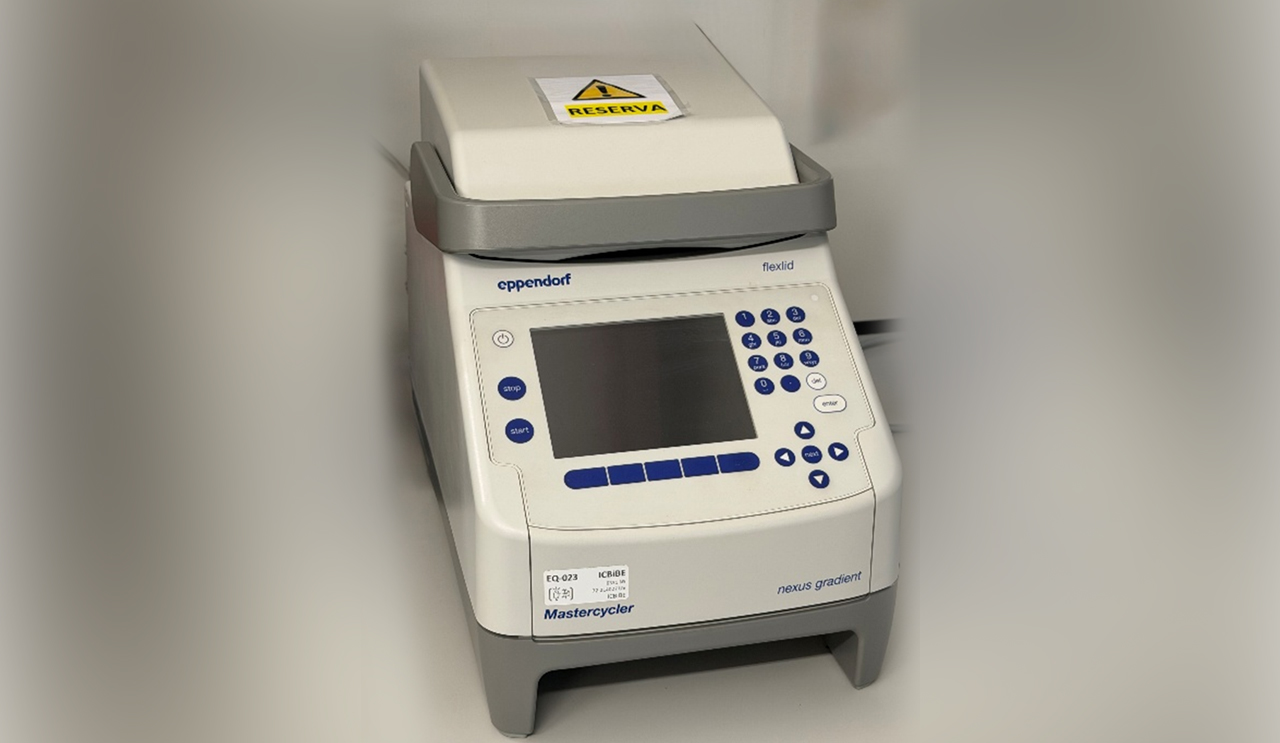
PCR thermal cycler equipped with thermal gradient technology and designed for the amplification of DNA by conventional PCR reactions. It allows the optimisation of the amplification conditions using different annealing temperatures in the same run, providing the development and validation of molecular biology protocols. It is a fundamental tool for applications of genetics, genomics, molecular diagnosis and biodiversity analysis.
Eppendorf Mastercycler® Personal Thermocycler
Eppendorf Mastercycler® personal termocycler
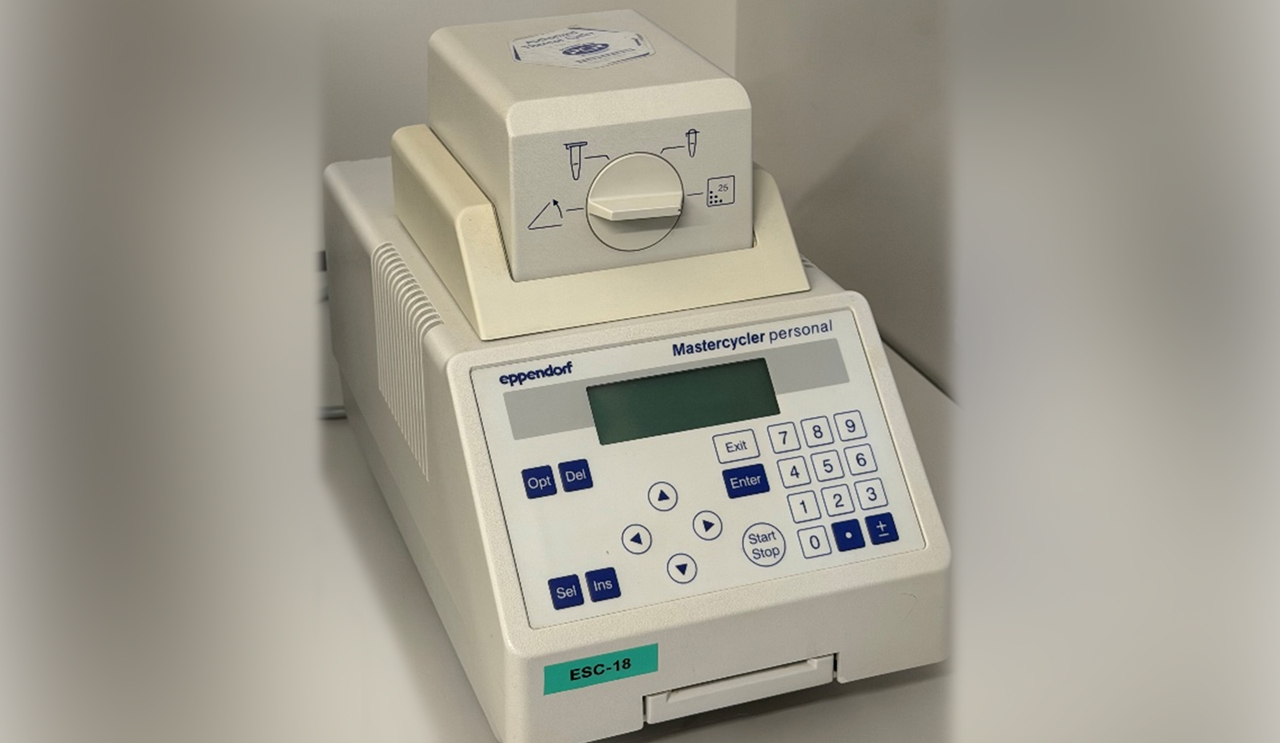
The Eppendorf Mastercycler® personal is a compact thermocycler for PCR, designed for the amplification of DNA by temperature cycles programmes (denaturation, annealing, and elongation). It is a robust equipment made for conventional PCR routines, optimisation of conditions and preparation of products for post-analysis (e.g. electrophoresis). It incorporates a heated lid to avoid condensation and to provide an easy control via the screen and the keyboard, facilitating programming and protocol repetition.
NanoDrop One (Thermo Scientific)
NanoDrop One (Thermo Scientific)
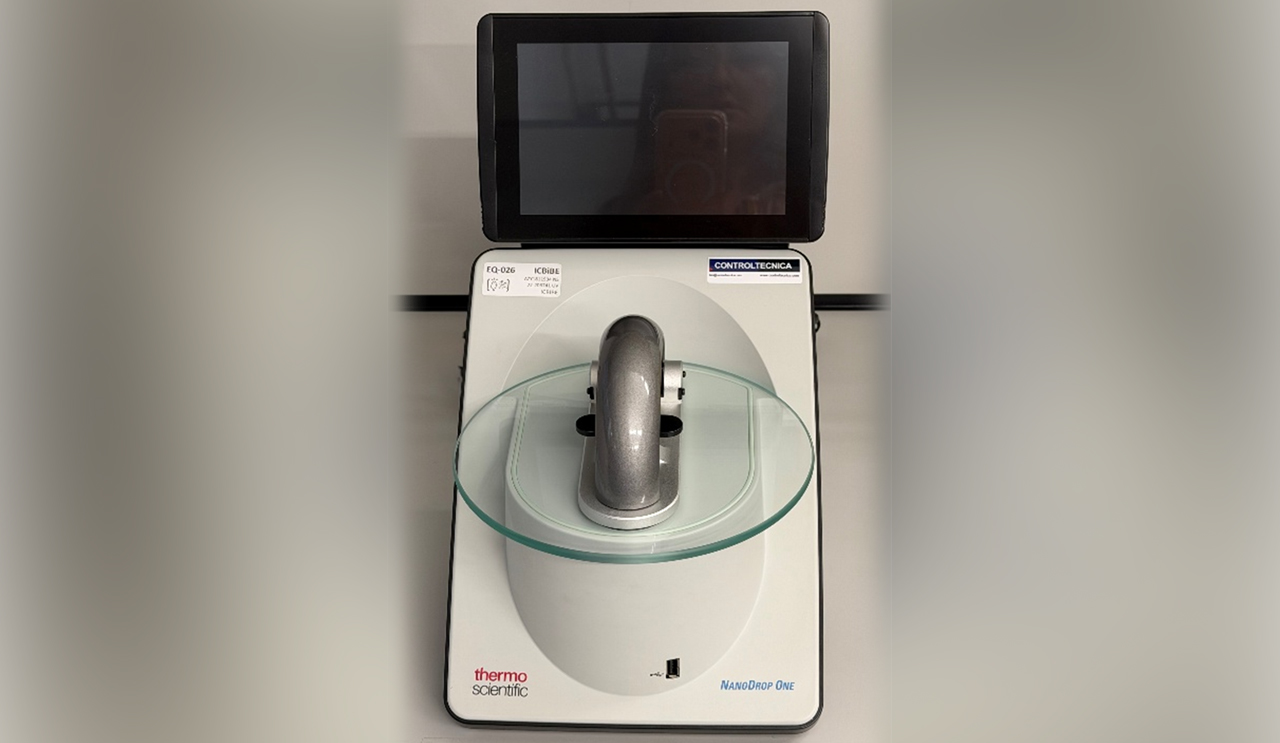
Micro volume UV-Visible spectrophotometer that allows the quantification and evaluation of the purity of DNA, RNA, and proteins using only 1–2 µL samples. It supplies quick and precise results without the need of trays, because it is an essential tool for molecular biology, genetics, microbiology and biotechnology applications.