Search result71 results
-
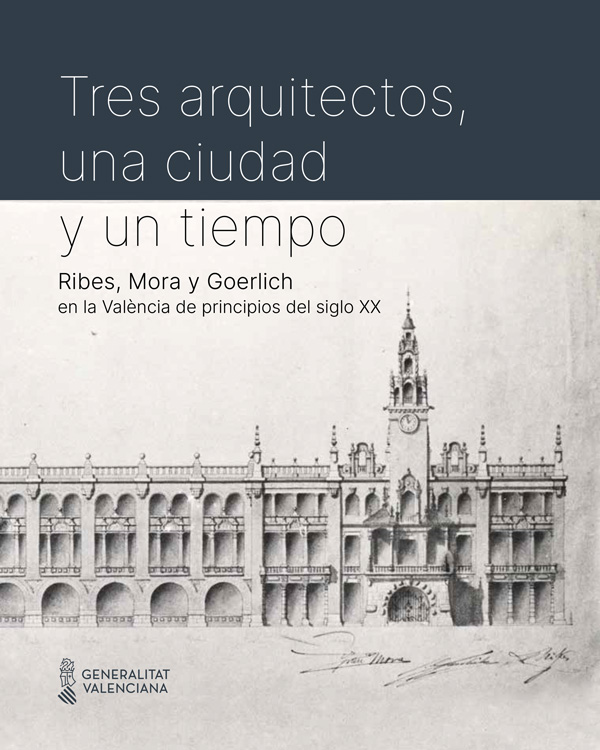
Three Architects, a City and an Era. Ribes, Mora and Goerlich in the València of the First Half of the 20th Century
ARCINIEGA, Luis (coord.)
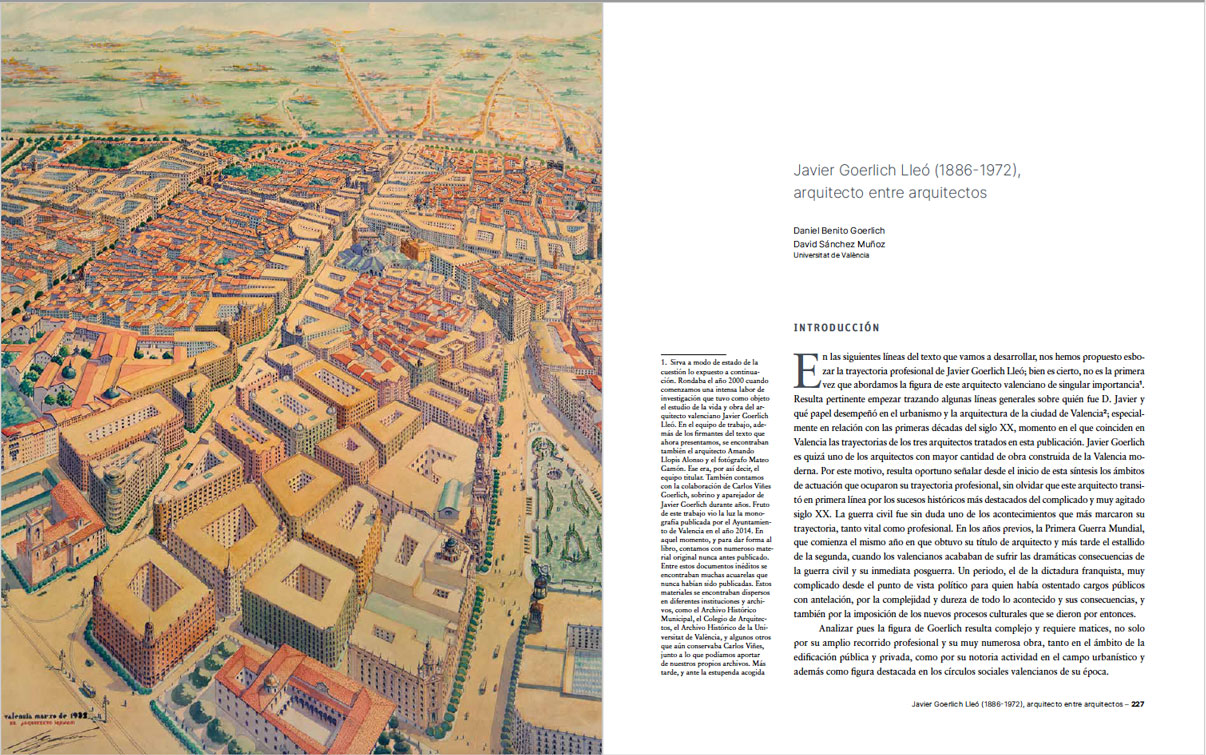
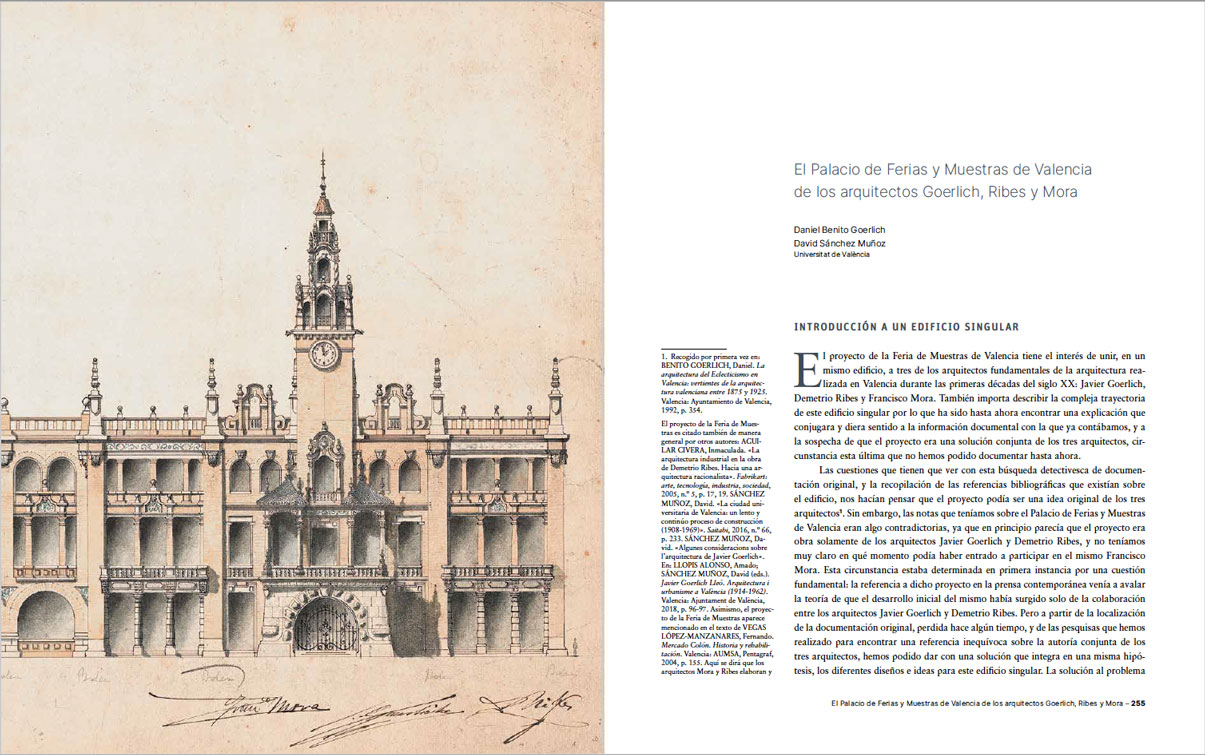
València: Ministry of Territory Policies, Public Works and Mobility , 2022. LlibreThis joint work where several specialists on heterogeneous disciplines intervene narrates one of the most important architectural moments of the city in a key moment for the configuration of a renewed urban image reflecting modernity and progress. The concatenation of two ephemeris as important as the centenary and fiftieth anniversary of the deaths of *Demetrio Ribes (1921) and Javier Goerlich (1972), they serve as a pretext to vindicate two figures which, accompanied by Francisco Mora, took the leadership of the transformation of València in the first half of the last century. The book combines very specialised texts with others linked to more general aspects. A wide perspective that...
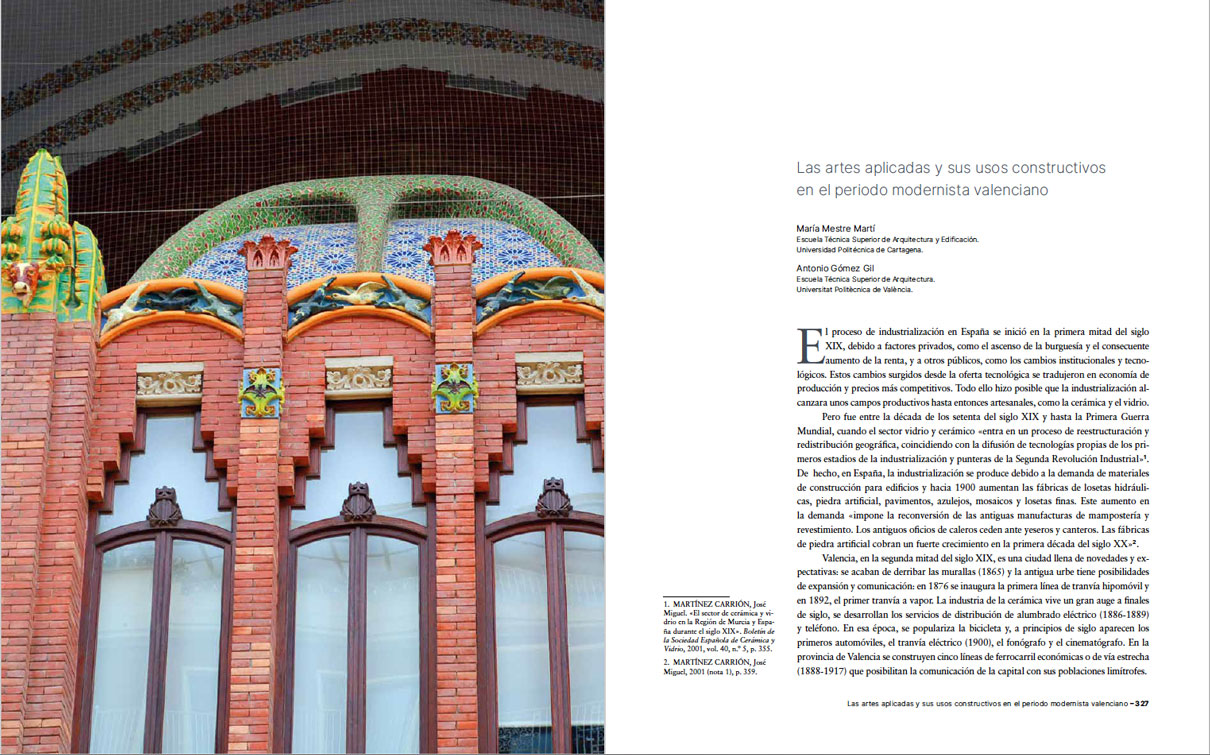
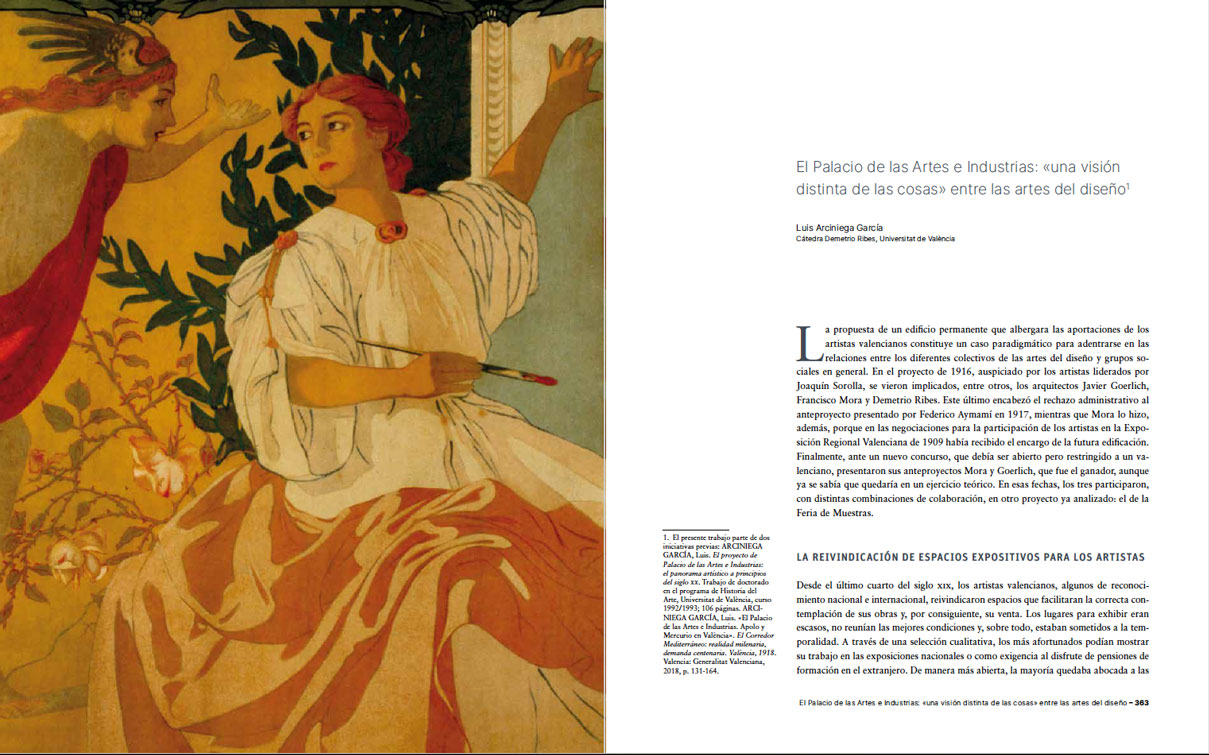
This joint work where several specialists on heterogeneous disciplines intervene narrates one of the most important architectural moments of the city in a key moment for the configuration of a renewed urban image reflecting modernity and progress. The concatenation of two ephemeris as important as the centenary and fiftieth anniversary of the deaths of *Demetrio Ribes (1921) and Javier Goerlich (1972), they serve as a pretext to vindicate two figures which, accompanied by Francisco Mora, took the leadership of the transformation of València in the first half of the last century. The book combines very specialised texts with others linked to more general aspects. A wide perspective that offers from a vision of the city through the press of that time untildetailes studies on the expansion district, the weight of the expositions in the usual architectural languaje, associationism in the construction sector, the use of applied arts or projects which connected the three protagonists of the work, without neglect monografic research for each one of them.
Read more HideChapters
1. Organising the city. València in the first half of the 20th century
- Vaència in the first half of the century through the public image the press offered. Óscar Calvé Mascarell
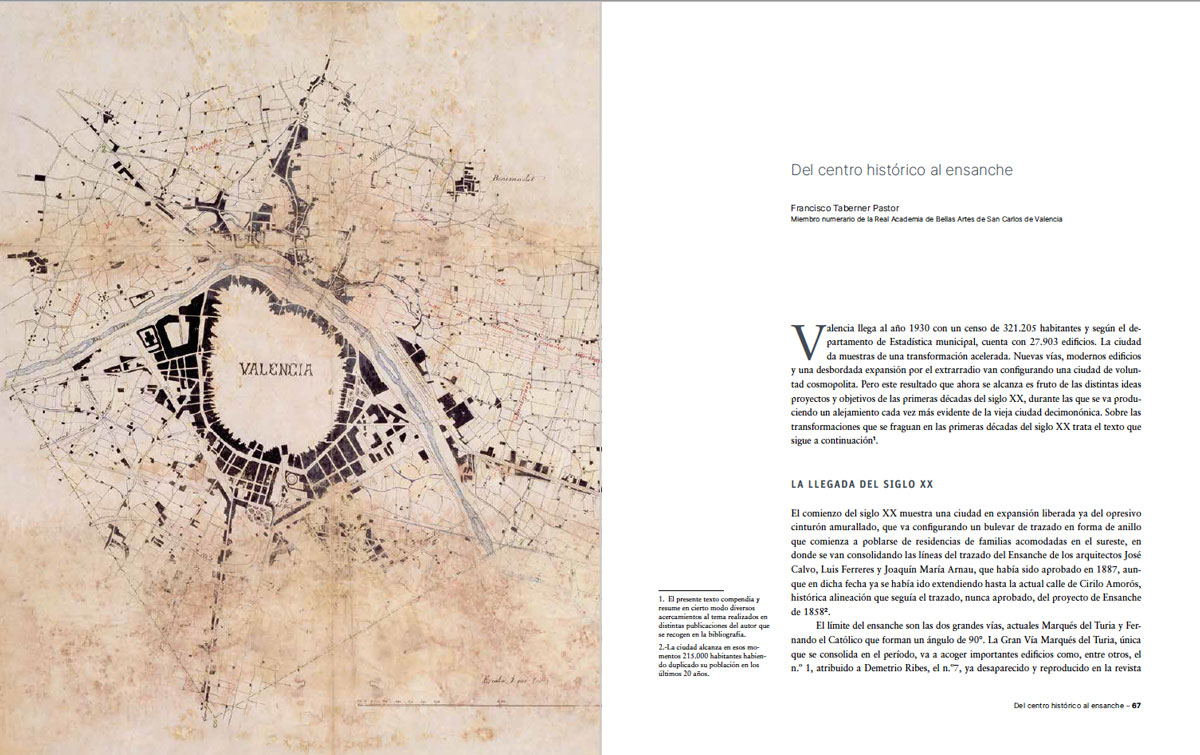
- From the Ciutat Vella to the Ensanche. Francisco Taberner Pastor
- The exhibition of the architecture of Mora, Goerlich and Ribes. Fernando Vegas López Manzanares, Camila Mileto
2. Three architects, three protagonists
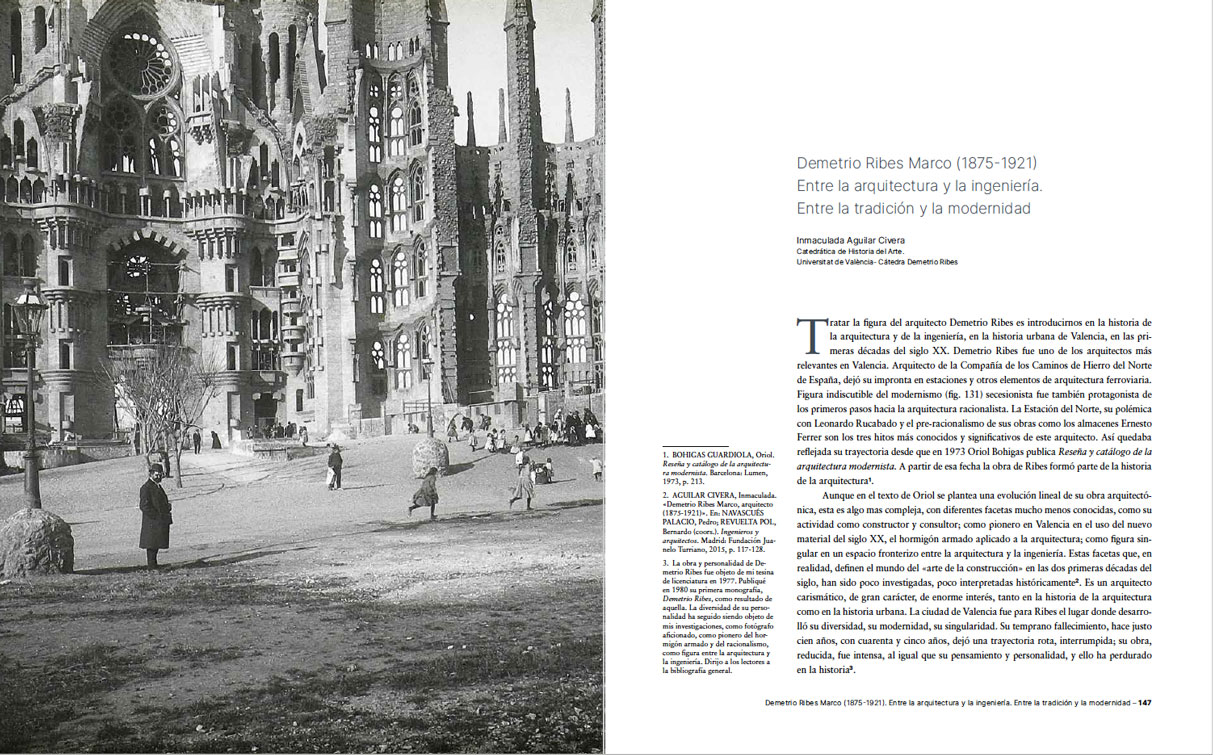
- Demetrio Ribes Marco (1875-1921). Between architecture and engineering. Between traduition and modernity. Inmaculada Aguilar Civera
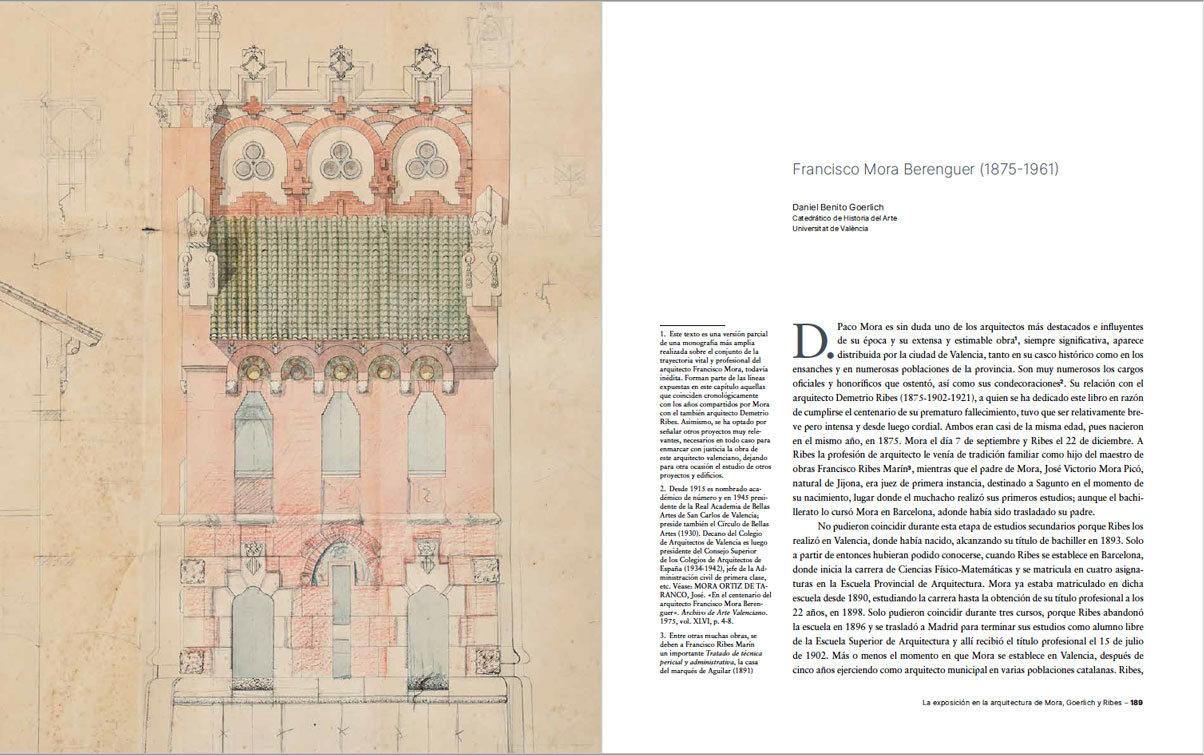
- Francisco Mora Bereguer (1875-1961). Daniel Benito Goerlich
- Javier Goerlich Lleó (1886-1972), an architect among architects. Daniel Benito Goerlich, David Sánchez Muñoz
- The Palacio de Ferias y Muestras of Valencia of the architects Goerlich, Ribes and Mora. Daniel Benito Goerlich, David Sánchez Muñoz
3. Meeting spots
- The 'Ramo de la construcción'. Valencia, an enclosed market, 1918-1923. Susana Climent Viguer, Óscar Calvé Mascarell
- Applied arts and its constructive uses in the Valencian Modernist period. María Mestre Martí, Antonio Gómez Gil
- The Palace of Arts and Industries: 'a different perspective of things' among design arts. Luis Arciniega García
Details

[Read more] [Hide] ISBN: 978-84-482-6648-6 -
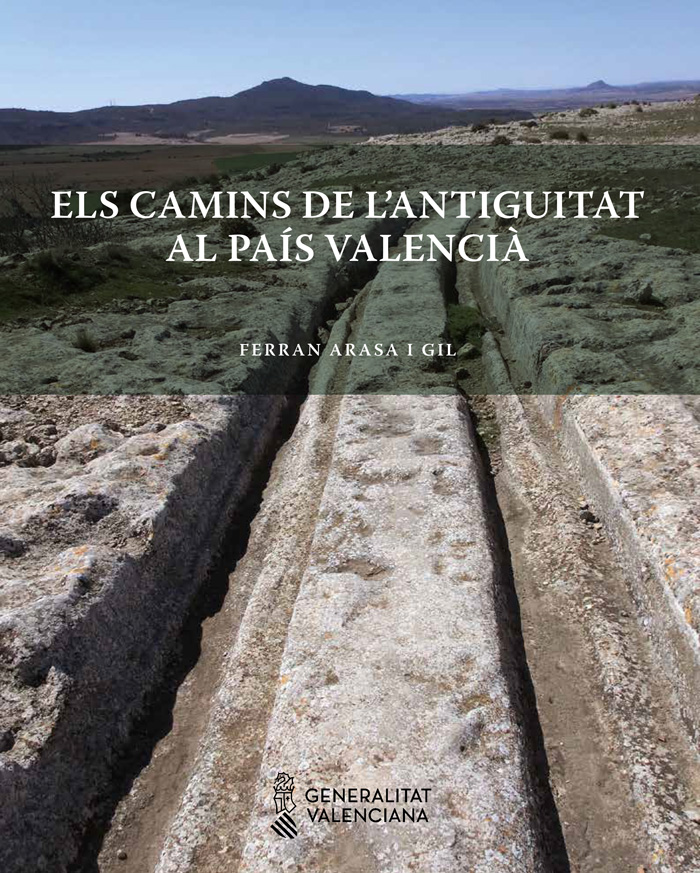
The País Valencià's Roads of Antiquity
ARASA i GIL, Ferran
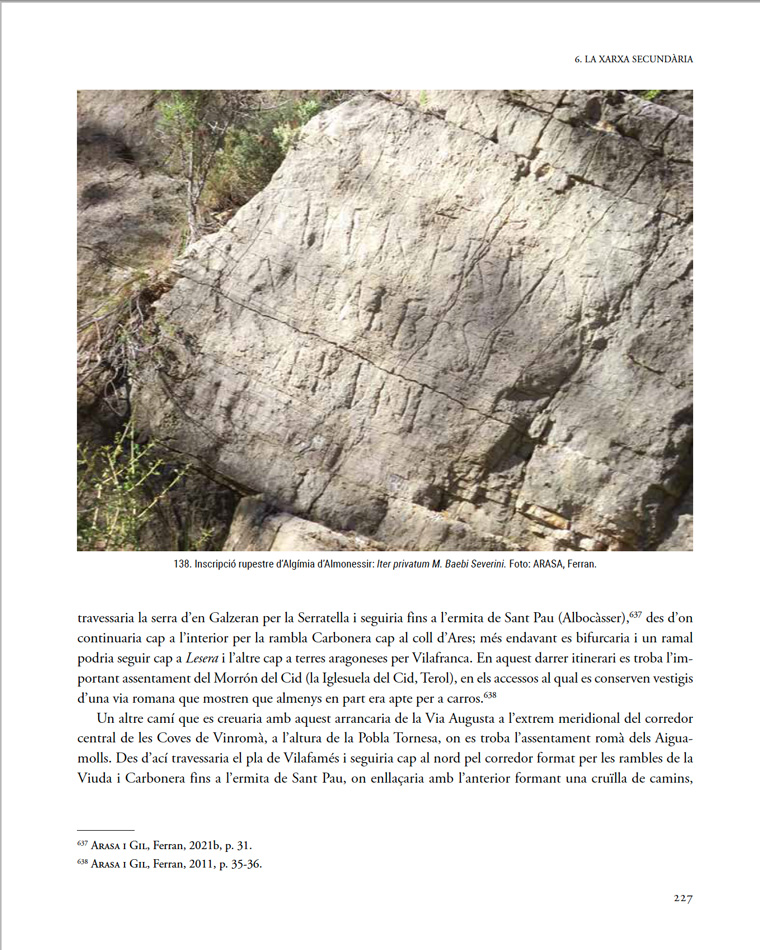
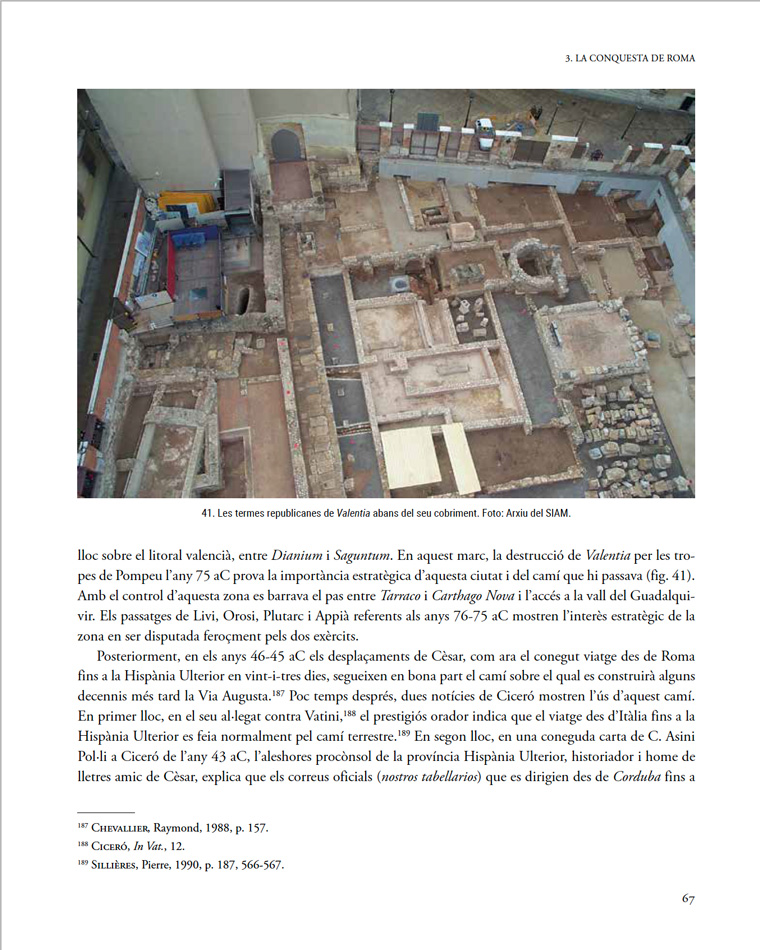
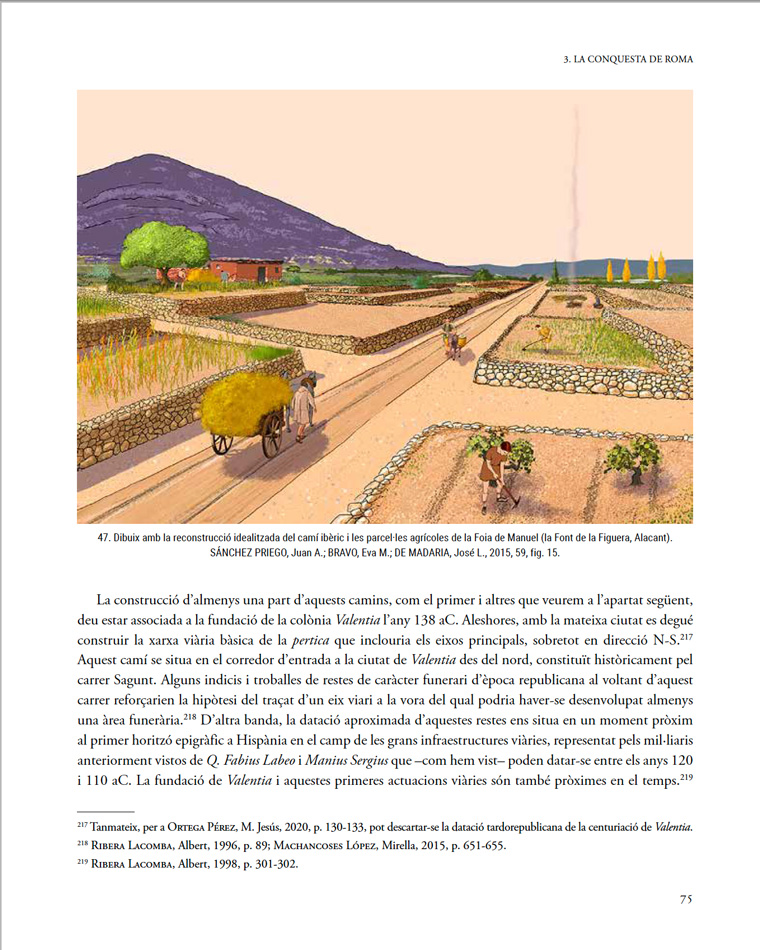
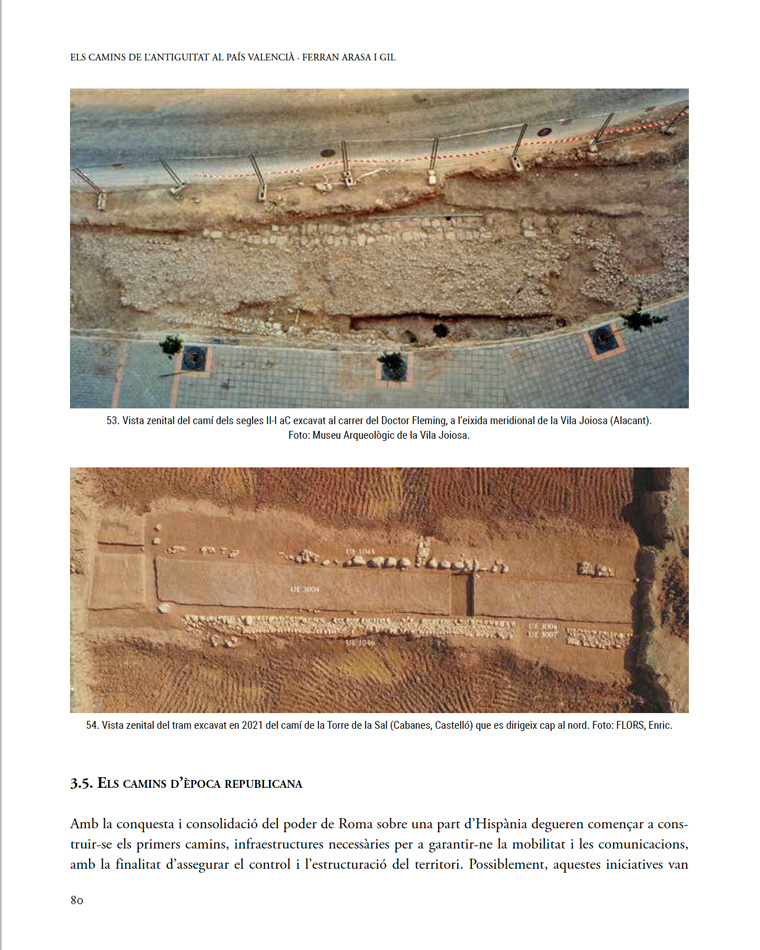
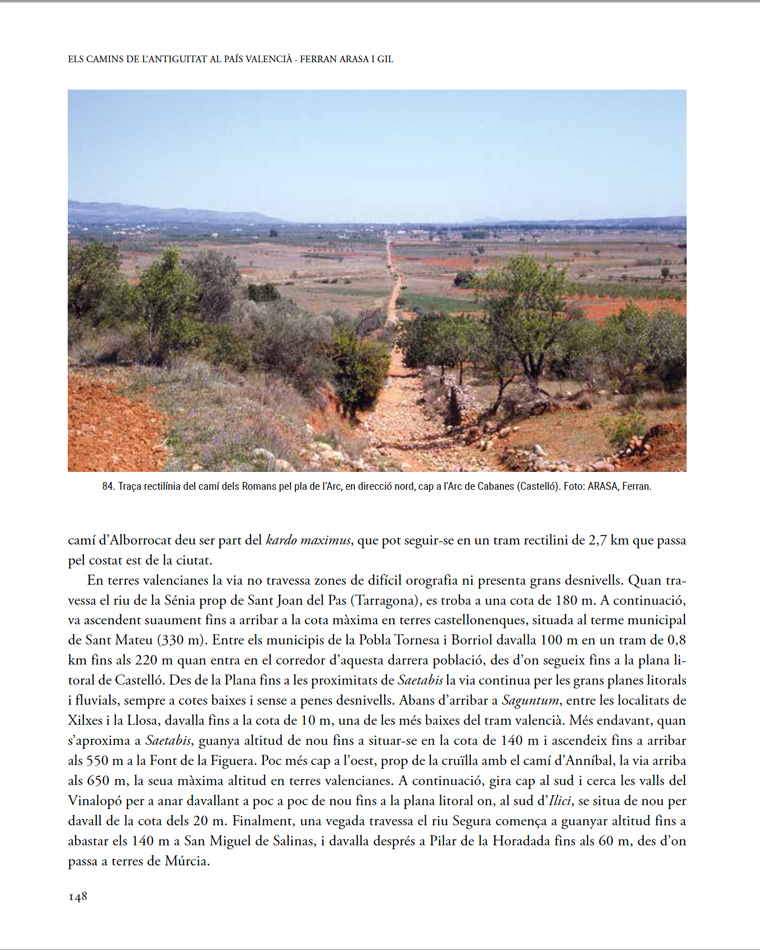
València: Ministry of Territory Policies, Territory and Mobility , 2022. LlibreFor archaeology, roads are a specific category of remains produced by human activity as a result of communication needs. In their most developed form, that of communication channels suitable for wheeled vehicles, they have been well identified at least since the Iberian period, and their construction became widespread in Roman times. The form they take as archaeological sites is peculiar, different from others with larger surfaces and concentrated development, such as settlements or necropolises. Roads are linear, narrow and very long sites, and as such present a particular problem for their study and also pose different protection needs. The construction of roads became widespread with...
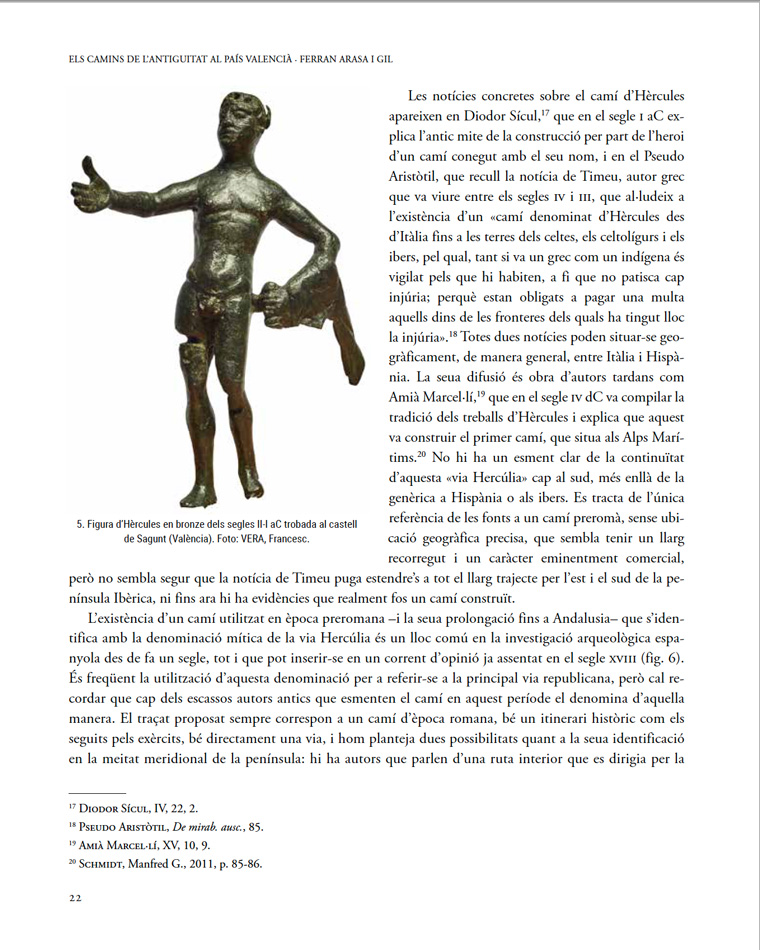
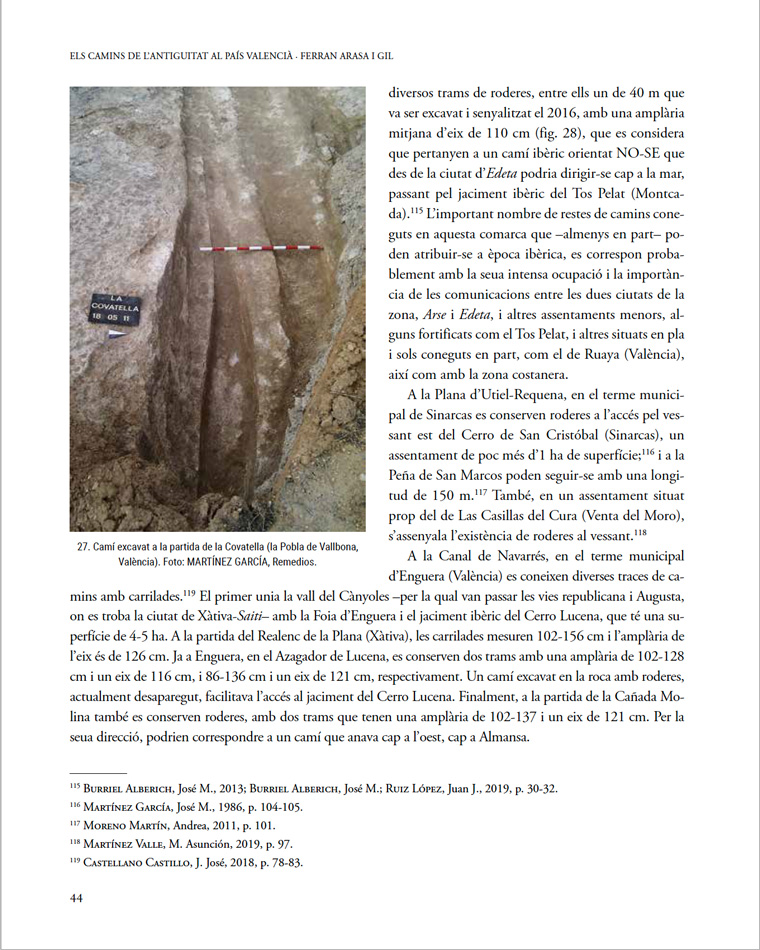
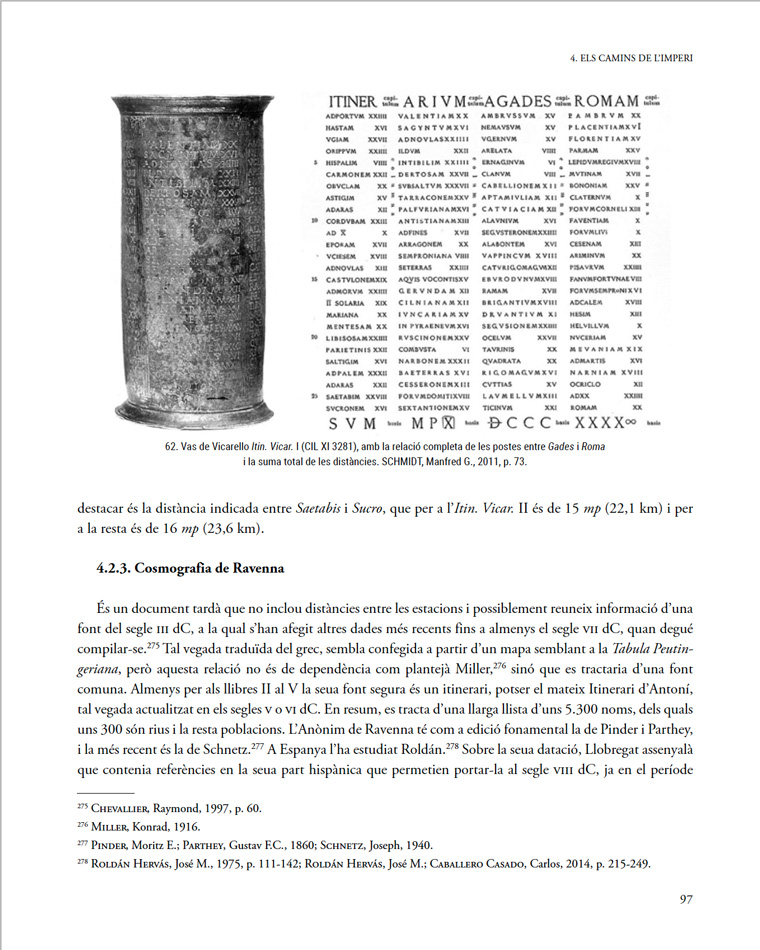
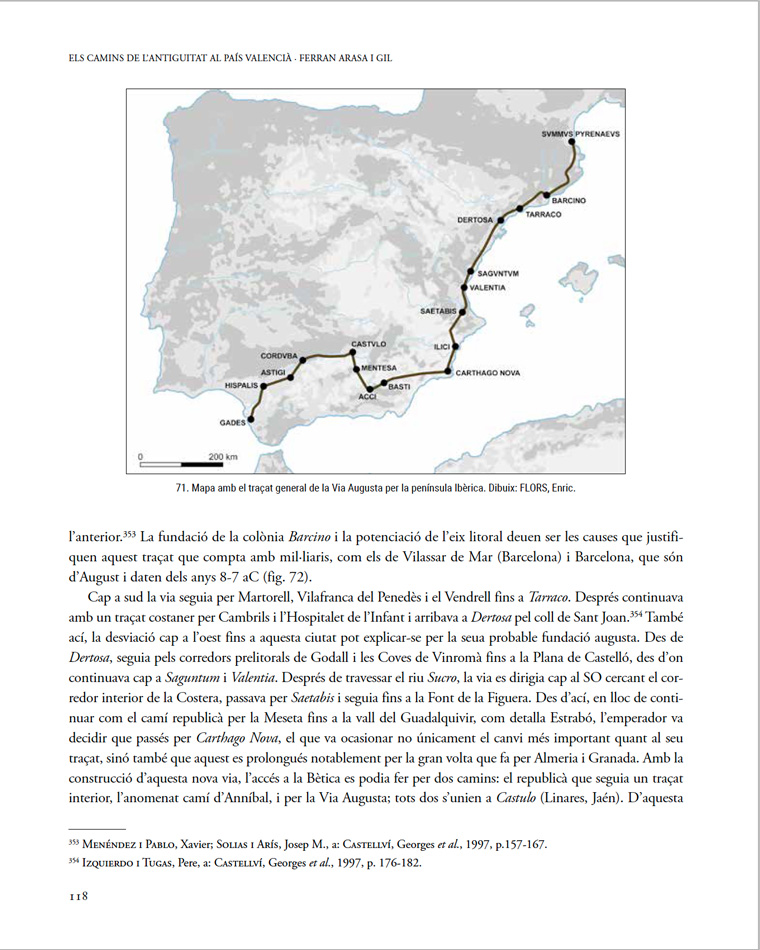
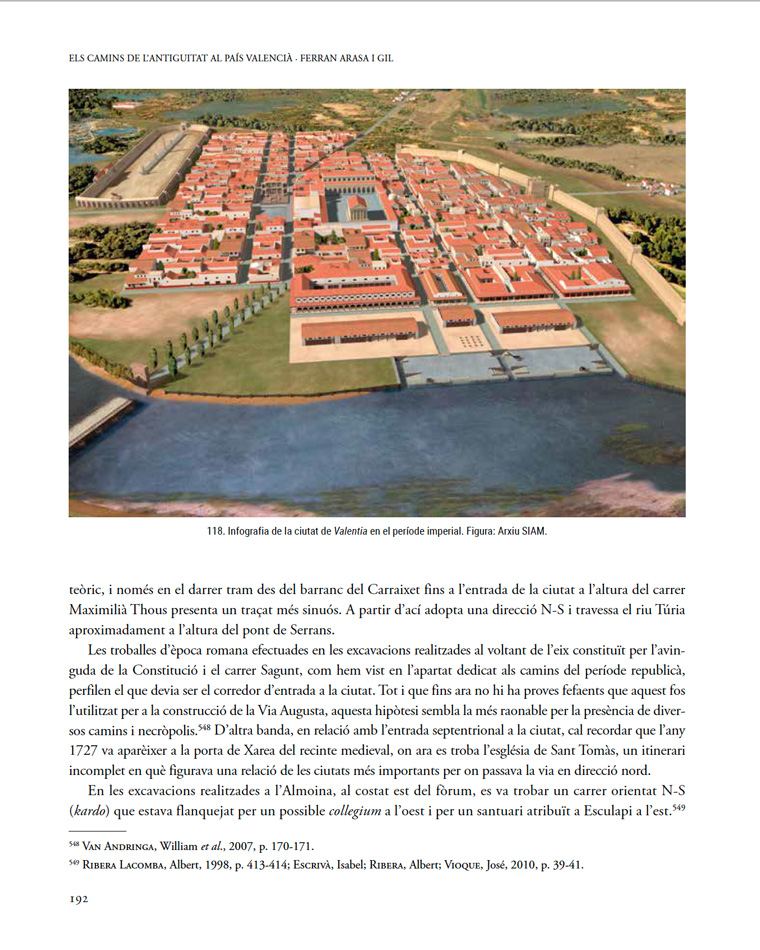
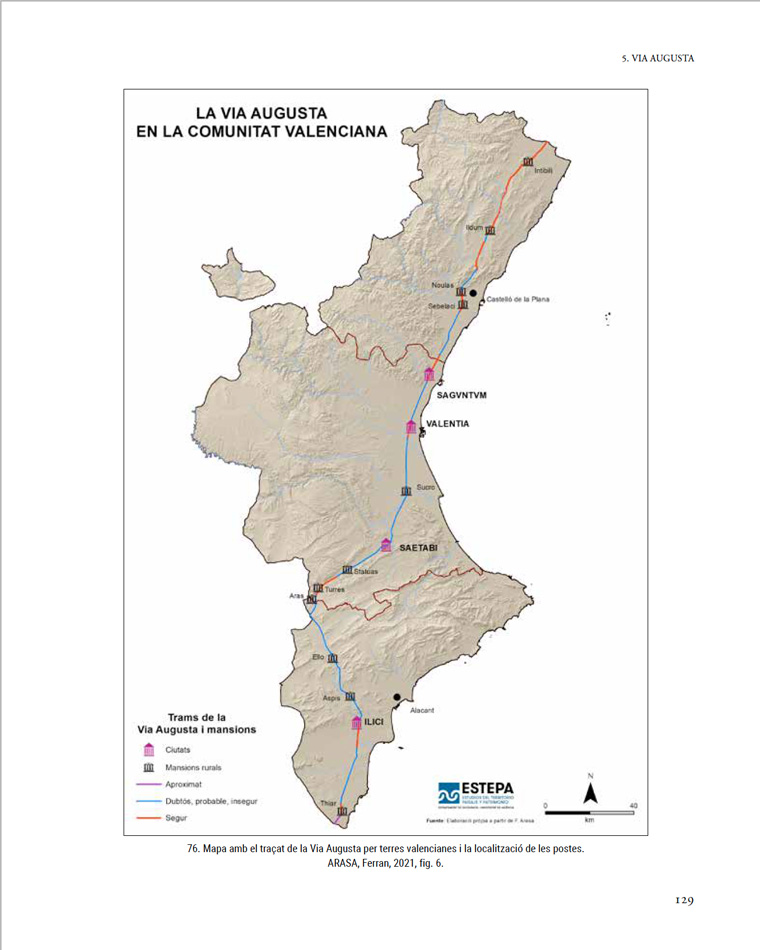
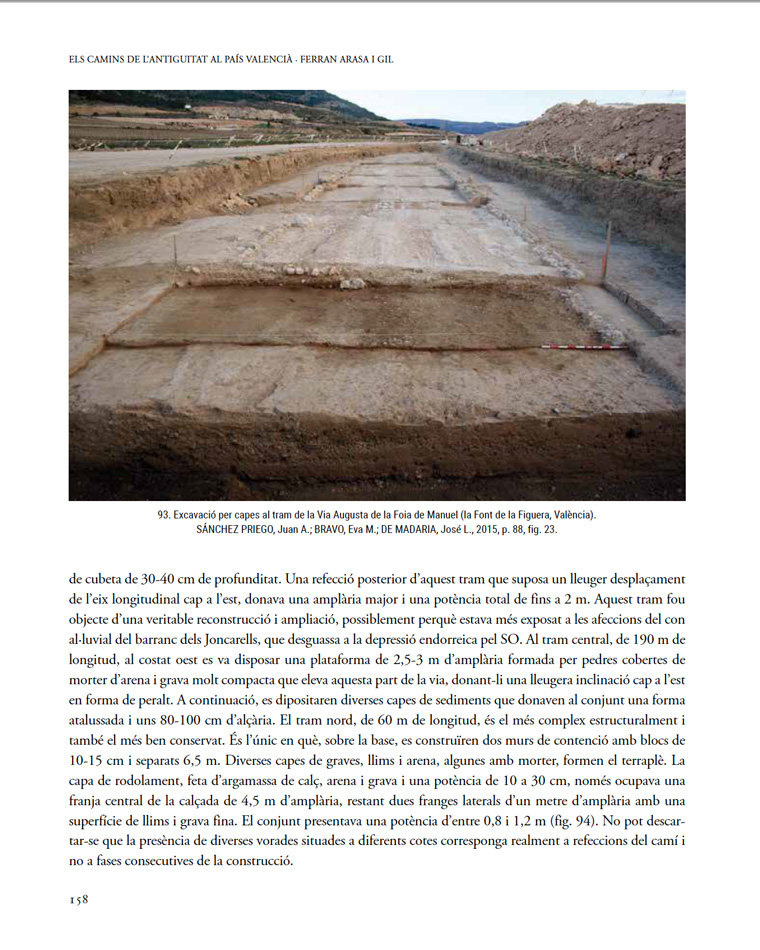
For archaeology, roads are a specific category of remains produced by human activity as a result of communication needs. In their most developed form, that of communication channels suitable for wheeled vehicles, they have been well identified at least since the Iberian period, and their construction became widespread in Roman times. The form they take as archaeological sites is peculiar, different from others with larger surfaces and concentrated development, such as settlements or necropolises. Roads are linear, narrow and very long sites, and as such present a particular problem for their study and also pose different protection needs. The construction of roads became widespread with the Roman conquest and constituted one of the fundamental pillars of the great territorial reorganisation programmes set in motion at the beginning of the Empire, such as that begun by Augustus in Hispania. This basically consisted of the construction of a series of major strategic axes which - in a highly centralised state - guaranteed communication with the capital, Rome. The far-reaching nature of this programme meant that it continued throughout the 1st century AD, under the reign of different emperors, with the intervention of all the administrations. The work presented here is intended as a state of the art on the history of roads in Antiquity. This work aims to question the history of the pathways of Anquity in the Valencian Country, the Iberian world and the Roman period throughout nine centuries. A relevant novelty is taking a closer look in details that allow to go back the history of some centuries ago to the Iberian era and the first findings of Republican era roads and the transition phase between these two great Mediteranean cultures that interacted with the Valencian lands.
Read more HideChapters
Introduction
- Physical environment and terrestrisl communication
- Iberian culture
2.1. Source news
2.2. Iberian paths - Conquest of Rome
3.1. Sources: from the 2nd century b.C. to the end of the republic
3.2. First railway action
3.3. Republican life. The archaelogical evience
3.4. Other roads
3.5. Republic era paths - Empire path
4.1. Vehiculatio or cursus publicus
4.2. Itineraries
4.3. Constructive techiques
4.4. River passages - Via Augusta
5.1. Sources
5.2. Posts
5.3. Milestone
5.4. Via Augusta building
5.5. Trace through País Valencià - Secondary network
6.1. Northern regions
6.2. Central regions
6.3. Southern regions
Conclusions
Details
[Read more] [Hide] ISBN: 978-84-482-6751-3 -
Baeza-Utiel Railway
ALABAU MONTOYA, José and LATORRE ZACARÉS, Ignacio
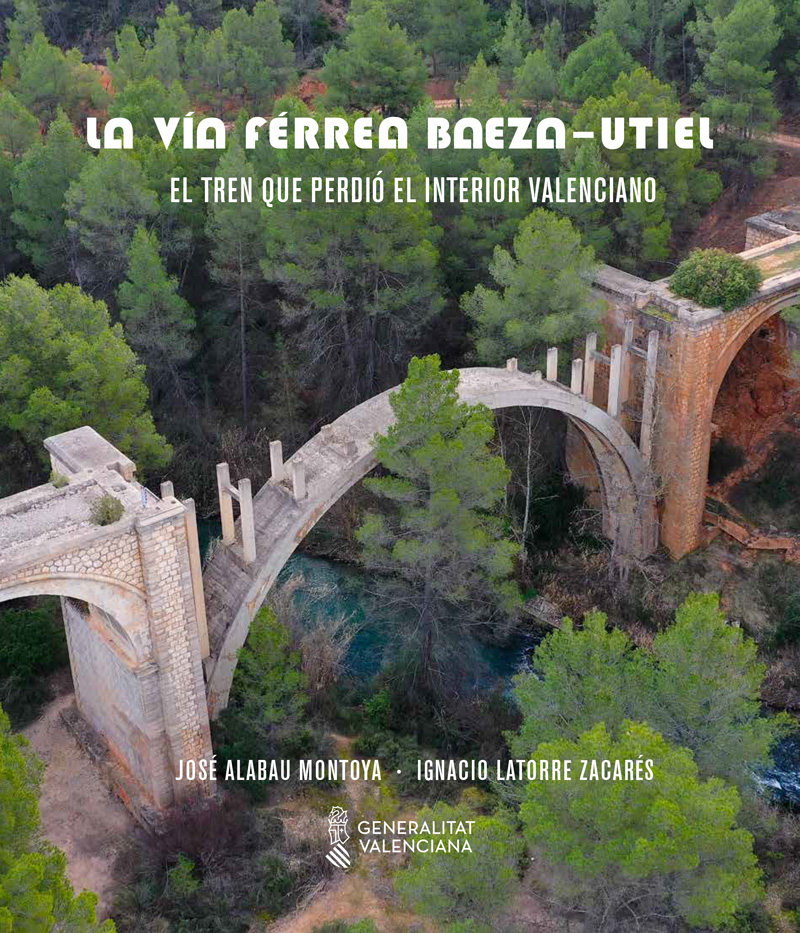
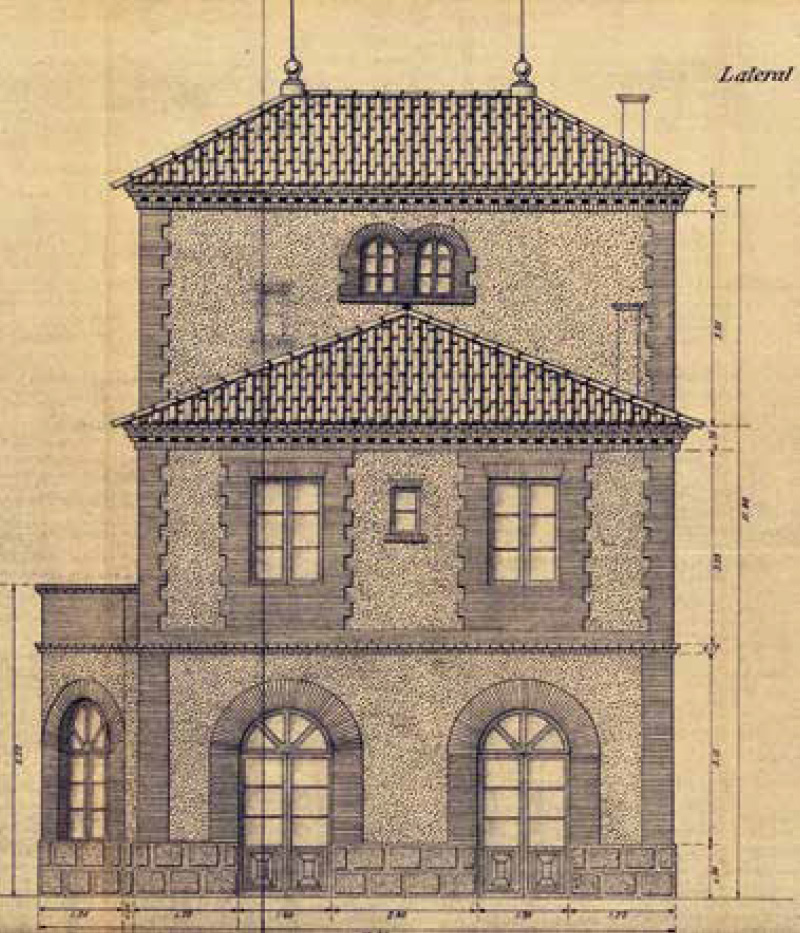
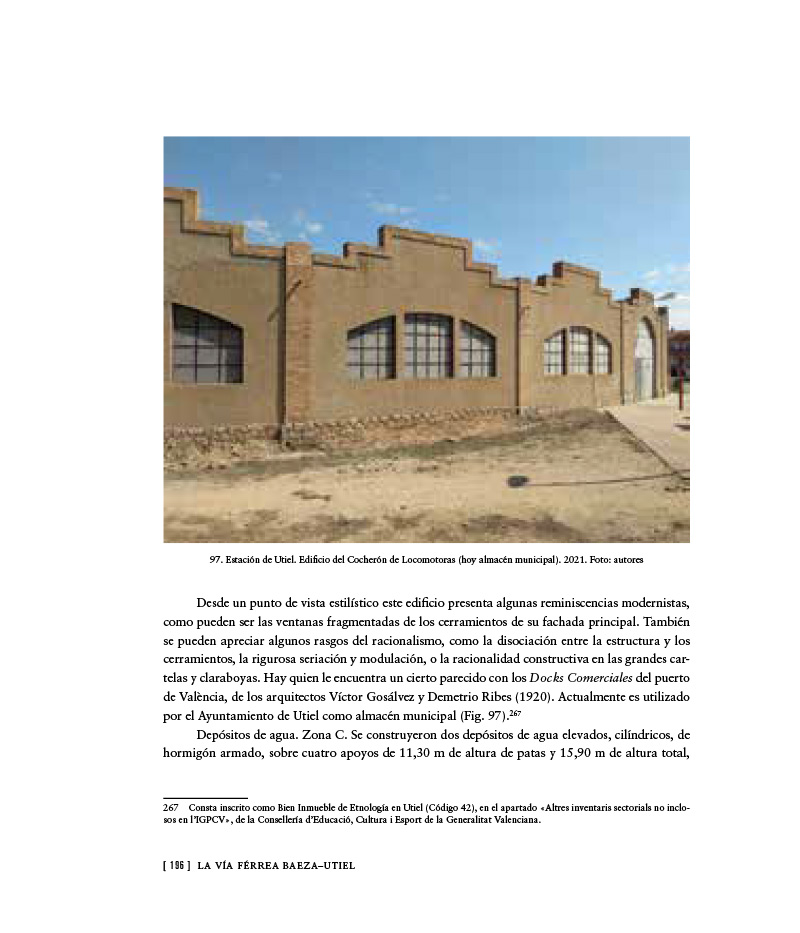
València: Council of Territory Policies, Public Works and Mobility , 2022. LlibreThe idea of linking France and Africa with a railway system that would go through Spain from North to South to form a possible connection with the Spanish and French protectorates in nothern Africa came to the mind of Spanish and French politicians of the 19th century. One of these projects was approved during the Primo de Rivera dictatorship (1926): a transversal line from Baeza (Jaén) up to Saint Girons in souther France that went through Jaén, Albacete, Valencia, Teruel and Lleida as an alternative to the system of the moment. This study focuses on the BaezaUtiel railway, which was the first line of this marcoproject and covered 370 km, with specia attention to the Valencian part...
The idea of linking France and Africa with a railway system that would go through Spain from North to South to form a possible connection with the Spanish and French protectorates in nothern Africa came to the mind of Spanish and French politicians of the 19th century. One of these projects was approved during the Primo de Rivera dictatorship (1926): a transversal line from Baeza (Jaén) up to Saint Girons in souther France that went through Jaén, Albacete, Valencia, Teruel and Lleida as an alternative to the system of the moment. This study focuses on the BaezaUtiel railway, which was the first line of this marcoproject and covered 370 km, with specia attention to the Valencian part (its 4th section) going from Albacete to Utiel.
Read more HideChapters
- The railway. Symbol of progress
- Justification of the Baeza-Utiel line. First projects
- The strategic railway Baeza-Requena.
- From yearnings to realities
- The definitive Baeza-Utiel project
- Spatial structure and characteristics of the Baeza-Utiel line
- The fourth section: Albacete-Utiel
- The railway complex of Utiel station
- The biggest railway waste in the world
- The Utiel-Teruel line
- The impact on the rural society of the construction of a railway that was not: When hope reaches the deepest interior
- Railway heritage and industrial archaeology
- What the Baeza-Utiel railway has left us
- State of the infrastructures, potential and possible future uses
- Conclusions
- Cartography
- Geographical inventory of the inventoried elements of the built railway heritage of the Baeza-Utiel line in the province of Valencia (Venta del Moro-Utiel section)
- Chronology
Details

[Read more] [Hide] ISBN: 978-84-482-6721-6 -
Unborn Section of Teruel-Alcañiz
VERDEJO GIMENO, Pedro
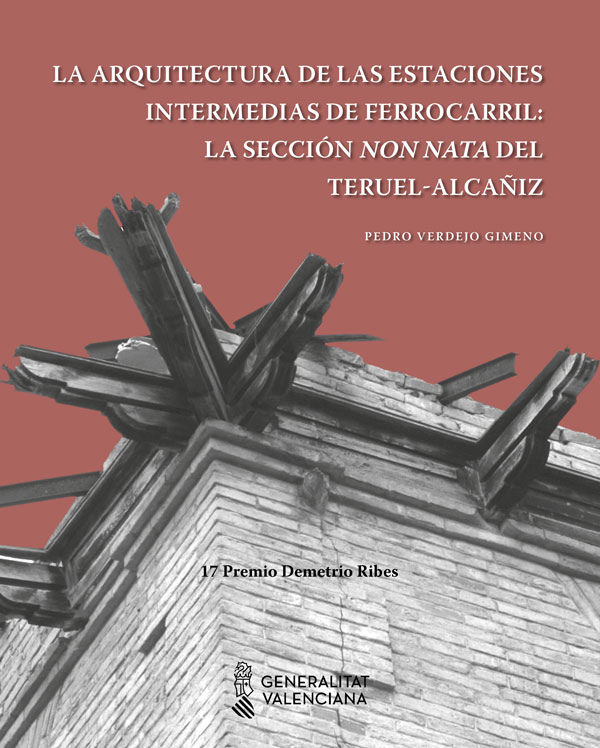
València: Council of Territory Policies, Public Works and Mobility , 2022. LlibreThe publication of 'La arquitectura de las estaciones intermedias de ferrocarril: la sección non nata del Teruel-Alcañiz', by Pedro Verdejo Gimeno, won the 17th Edition of Demetrio Ribes Award.
The book awarded in this edition presents the case of the railway from Baeza to Saint Girons, a great transversal axis that crossed the Iberian Peninsula connecting France with the port of Algeciras and that, after years of work and vicissitudes, would never be put into operation.
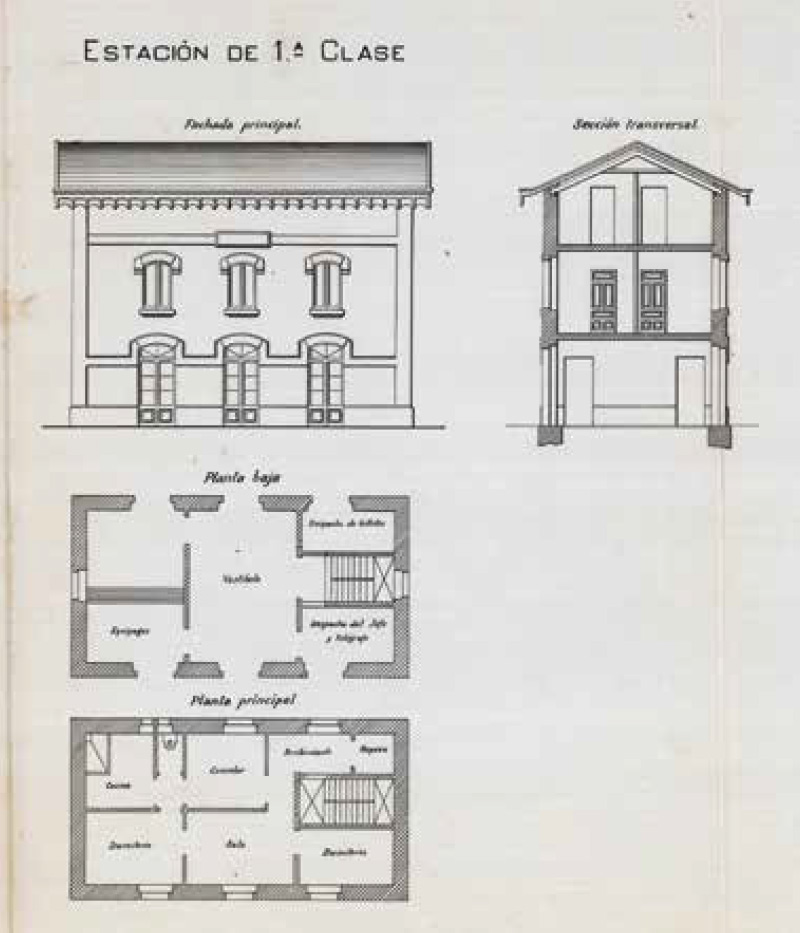
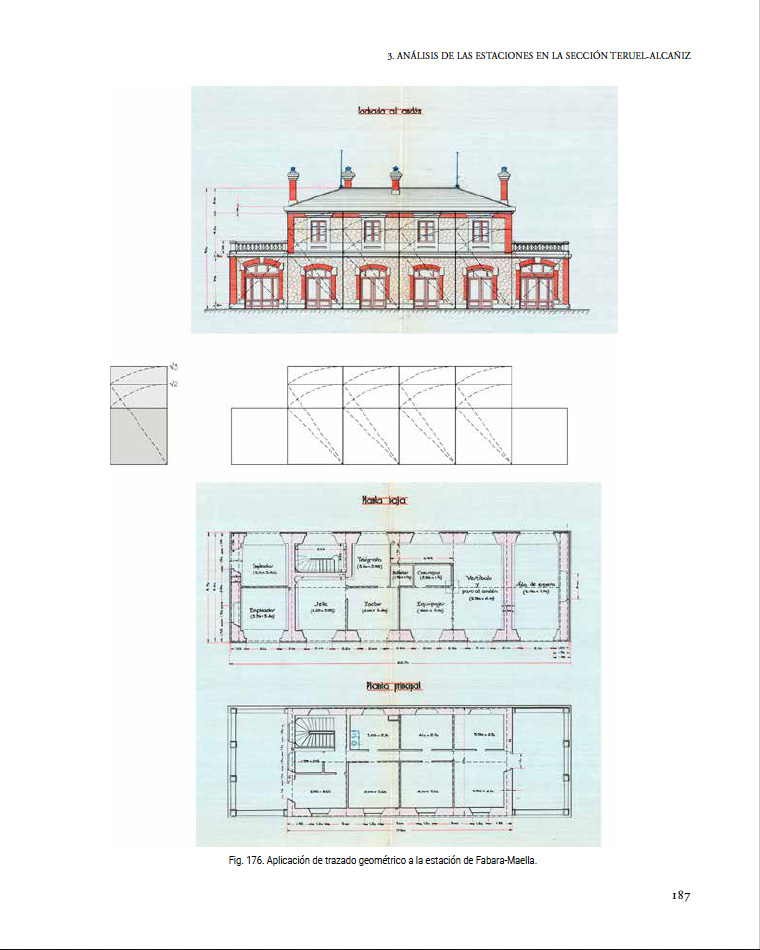
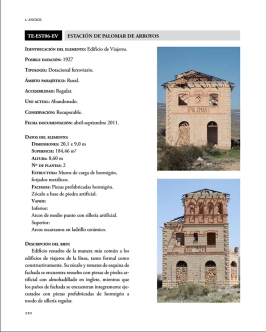
The aim of the research is to promote and disseminate the architecture of intermediate railway stations as identifiable pieces of our railway history. We have taken as witnesses the existing buildings on the ‘non nata’ railway line that runs between the towns from Teruel to Alcañiz.
In their buildings, as well as responding to new approaches that break with the previously executed railway architecture, they are configured as a lamp of experimentation among a varied range of materials produced by industry, in coexistence with traditional techniques and materials.
The synthesis of the research takes the form of a catalogue which, in a legible and orderly manner, provides a complete and identifiable view of the entire group of buildings in number and extension, indicating their location, characteristics and state of conservation.
- Bookstore of the Generalitat Valenciana
- Demetrio Ribes Award Collection, nº18
Details
[Read more] [Hide] ISBN: 978-84-482-6650-9
-
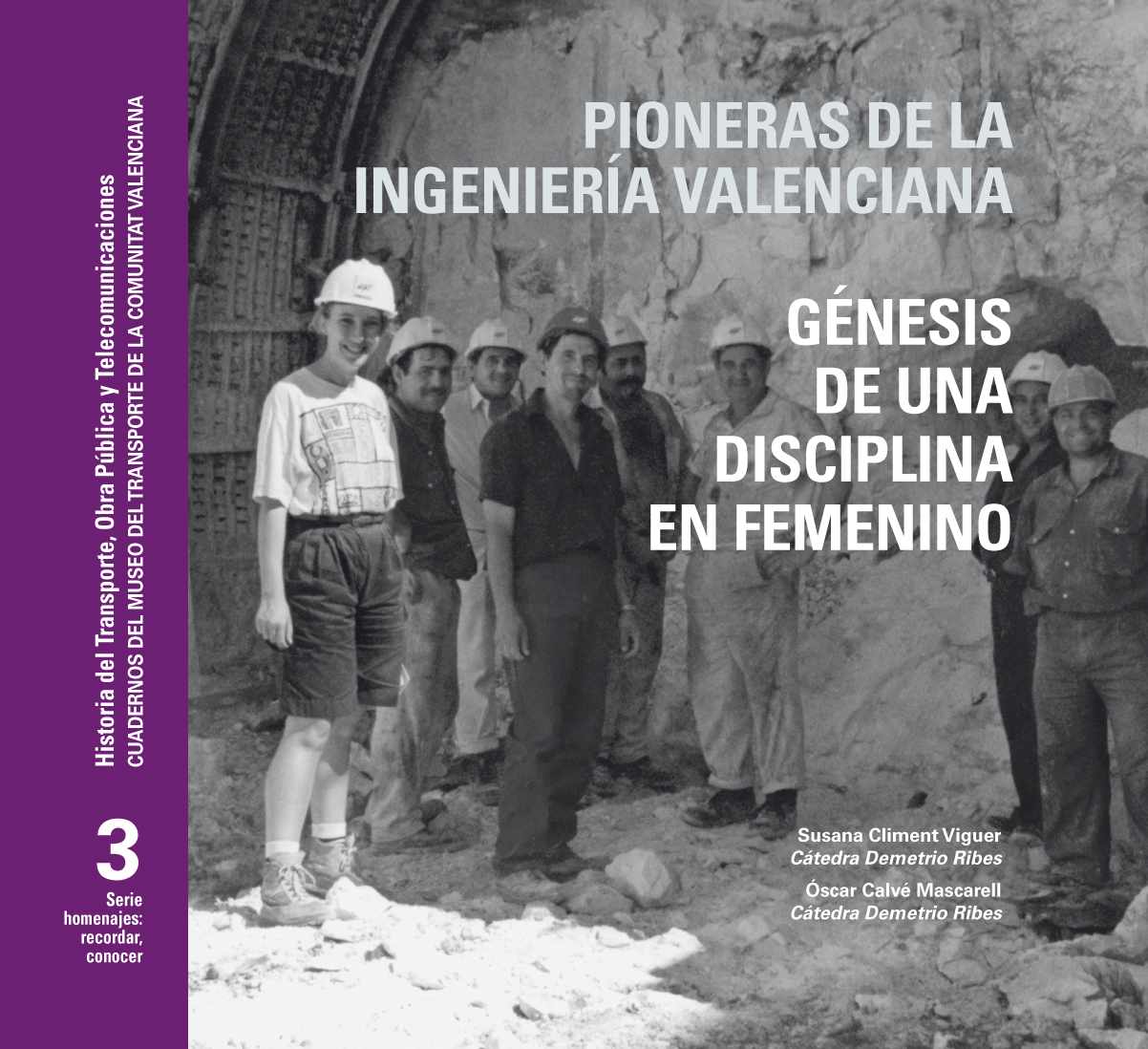
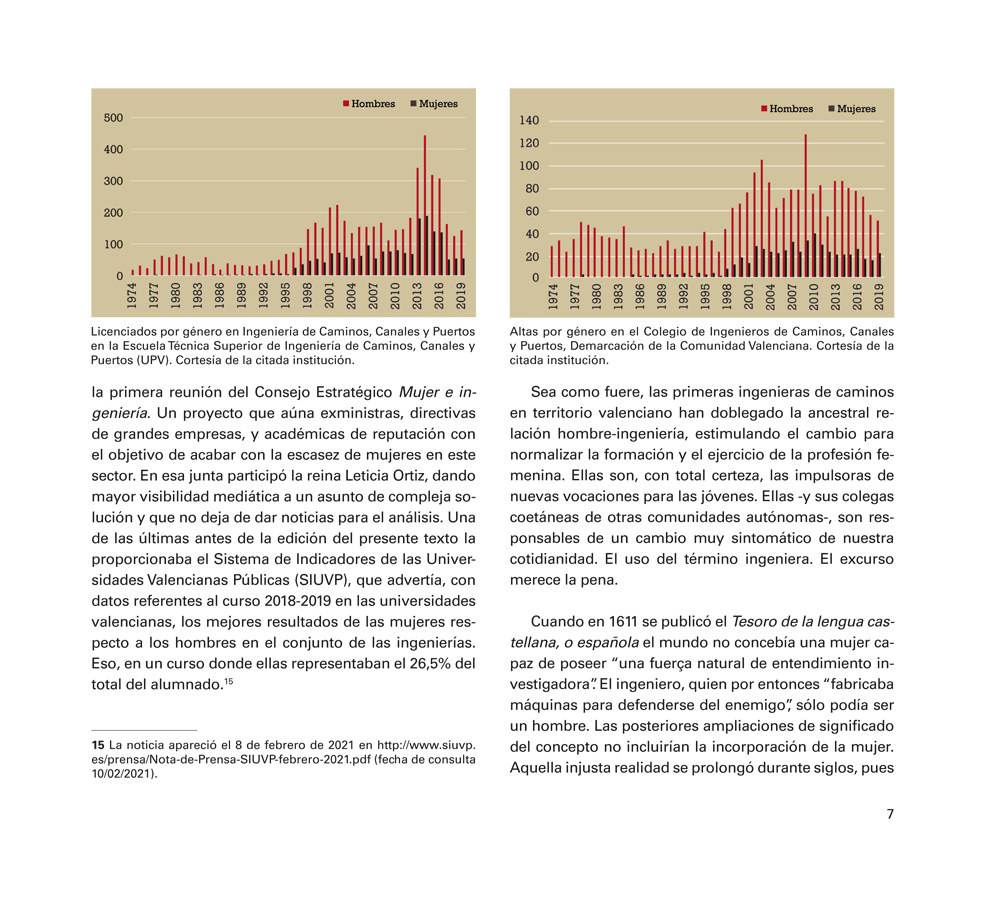
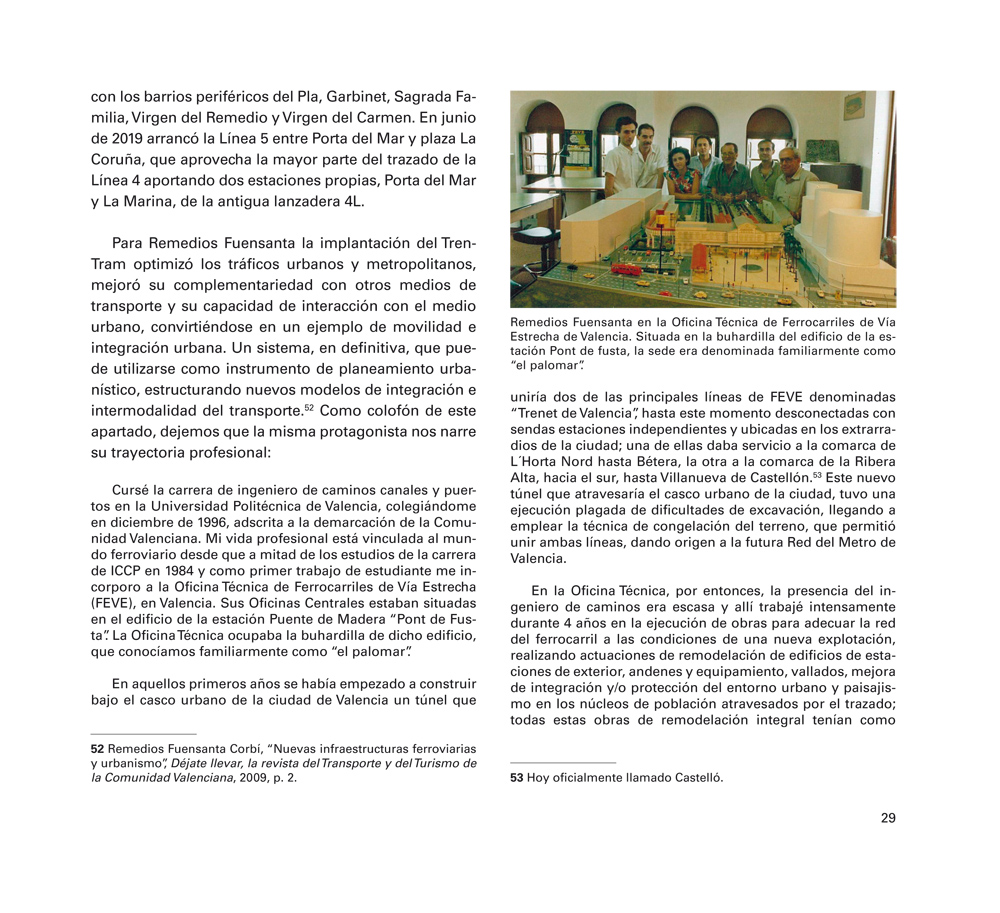
Female Pioneers in Valencian Engineering. A Femenine Discipline Genensis
CLIMENT VIGUER, Susana; CALVÉ MASCARELL, Óscar
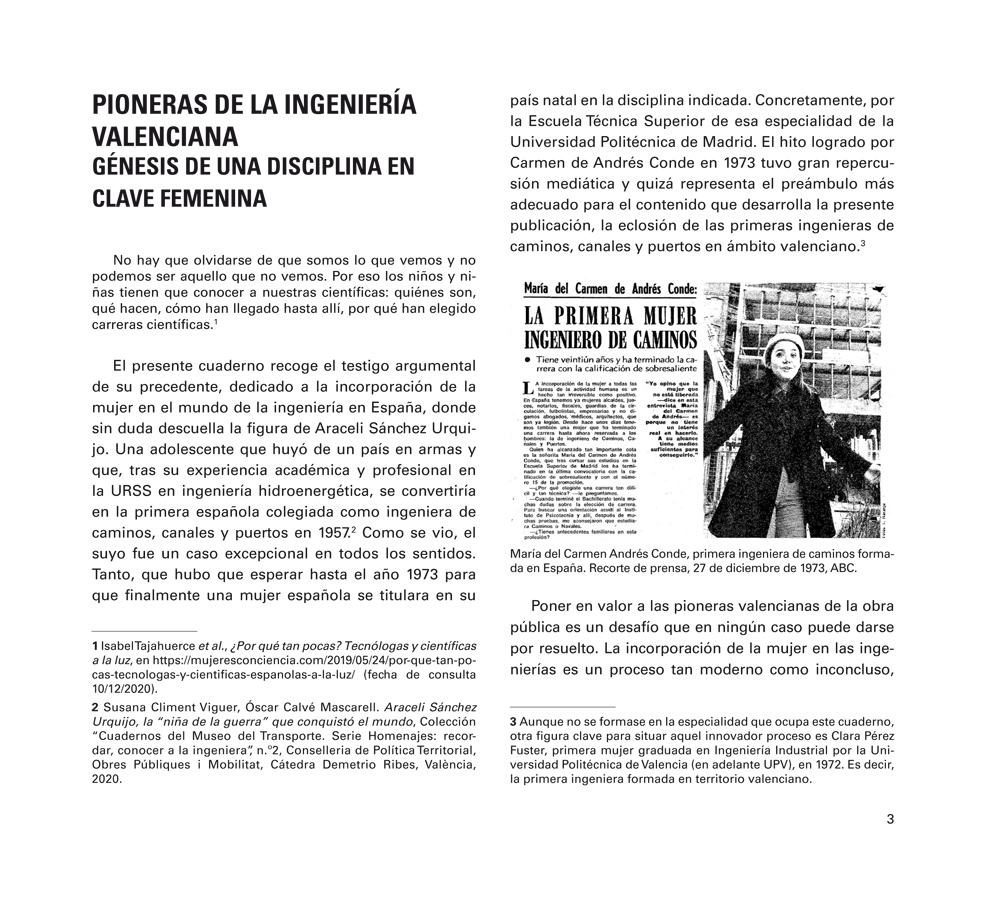
València: Council of Housing, Public Work and Territory Planning , 2021. LlibreThis volume brings to light the career of eleven of the first roads, channels and docks female engineers who studied at Universitat Politècnica de València and the career of a female technical engineer, all of them graduated after 1978.
Our pioneers. Teaching, research, school administration, public administration and private business were their field of expertise in such a broad discipline as engineering.
Years of change. The configuration of the Valencian autonomy and the start of the territory development, the first steps of the Valencian College of Roads, Channels and Docks Engineers and the inclusion of women in universities as professors and researchers. They opened the path for future generations to make engineering a 'femenine discipline'.
This publication is included in the third part of the series 'Tributes: Remember and Meet' of the Transport Museum Booklet Collection.
 [Read more] [Hide] ISBN: 978-84-482-6532-8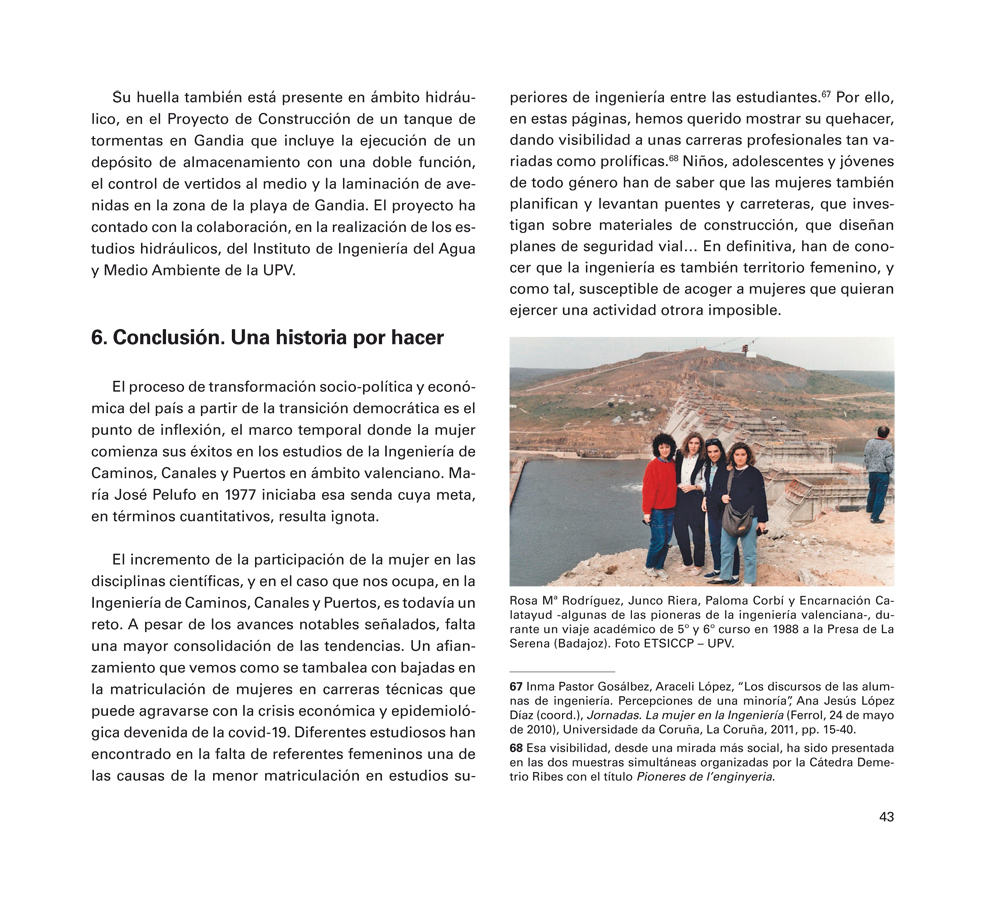
-
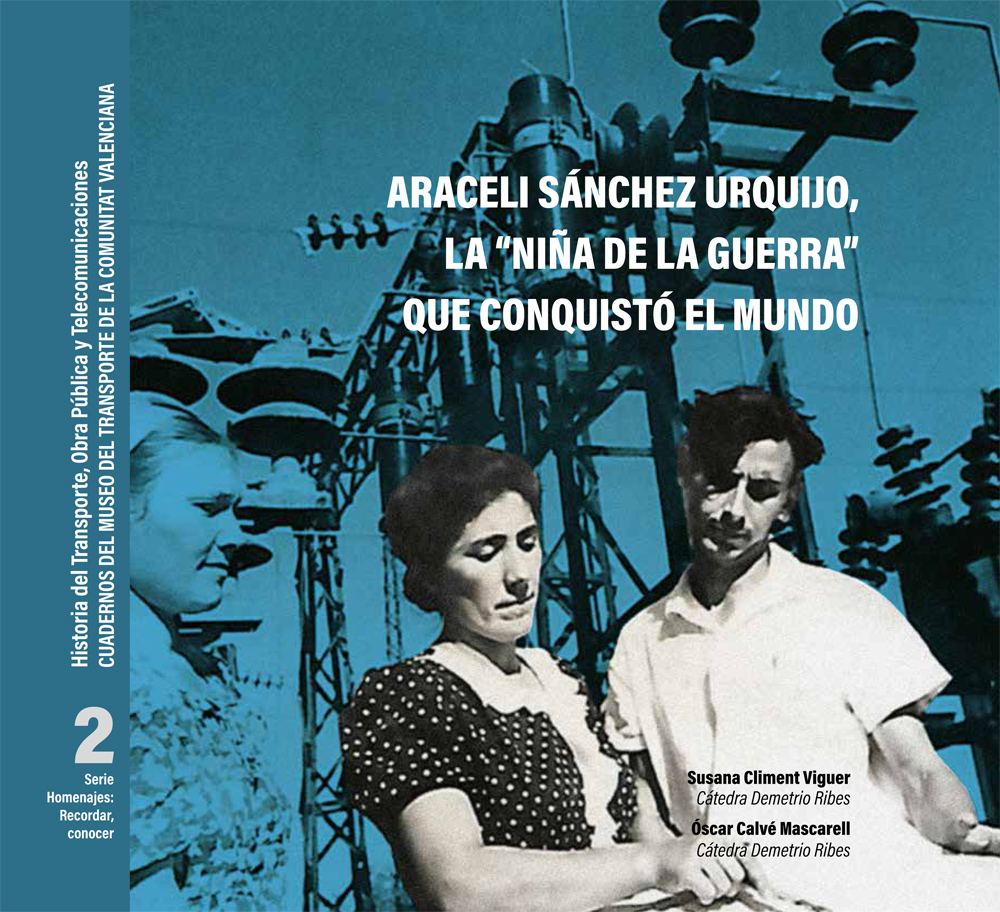
Araceli Sánchez Urquijo, the 'Warchild' Who Conquered the World
CLIMENT VIGUER, Susana; CALVÉ MASCARELL, Óscar
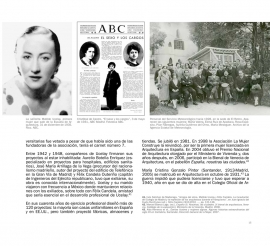
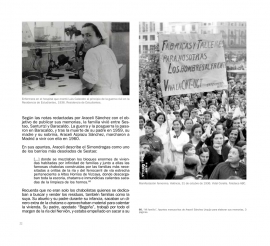
València: Council of Housing, Public Works and Territory Planning , 2021. LlibreThis publication is dedicated to the unknown Araceli Sánchez Urquijo, the first woman to graduate in Roads, Channels and Docks Engineering in 1957.
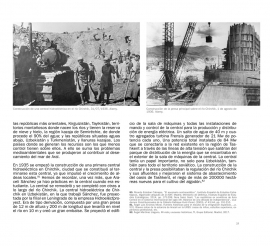
Sánchez was a Basque warchild of poor upbringing who overcame both gender and class barriers. She got her license in the Moscow Energy Institute's Facculty of Hydroenergetics in 1949 and began her projects and direction of great dams in Centre Asia. She came back to Spain in 1956 and was hired as head engineer for the Isolux projects in 1957 of the Isodel Spprecher-Isolux-Electro Mesura group.
One of her remarked works was the Vandellós I central, the Puertollano refinery, the Juan Vigón nuclear reactor facilities or the Valenciana de Cementos control charts.
This publication is included in the second part of the series "Tributes: Remember and Meet" within the Transportation Museum Booklet Collection.
 [Read more] [Hide] ISBN: 978-84-482-6531-1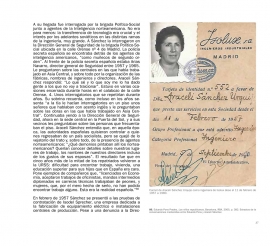
-
Report 2021. Ars Longa 30
Department of Art History. Universitat de València
(2021). InformesThis document compiles teaching and management aspects, and academic activities and its dissemination throught the 2020-2021 academic year.
-
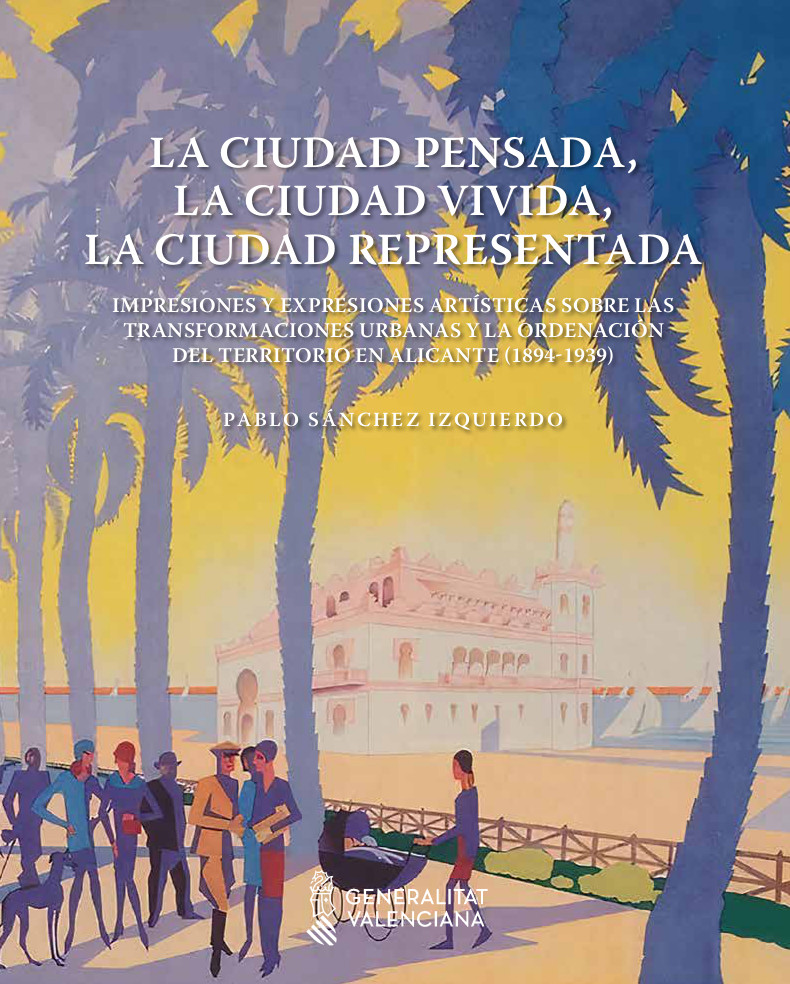
Thought City, Lived City, Represented City
SÁNCHEZ IZQUIERDO, Pablo
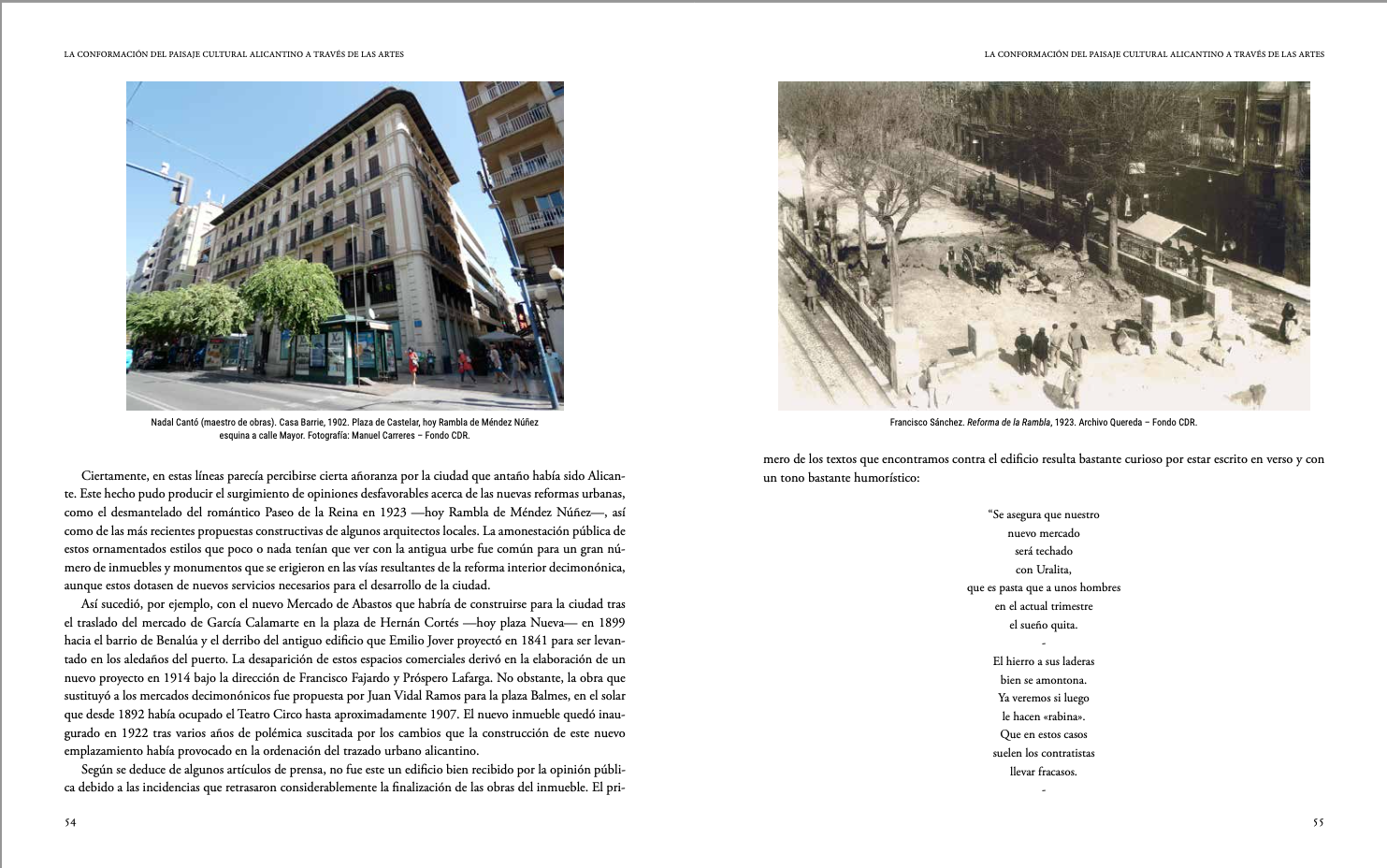
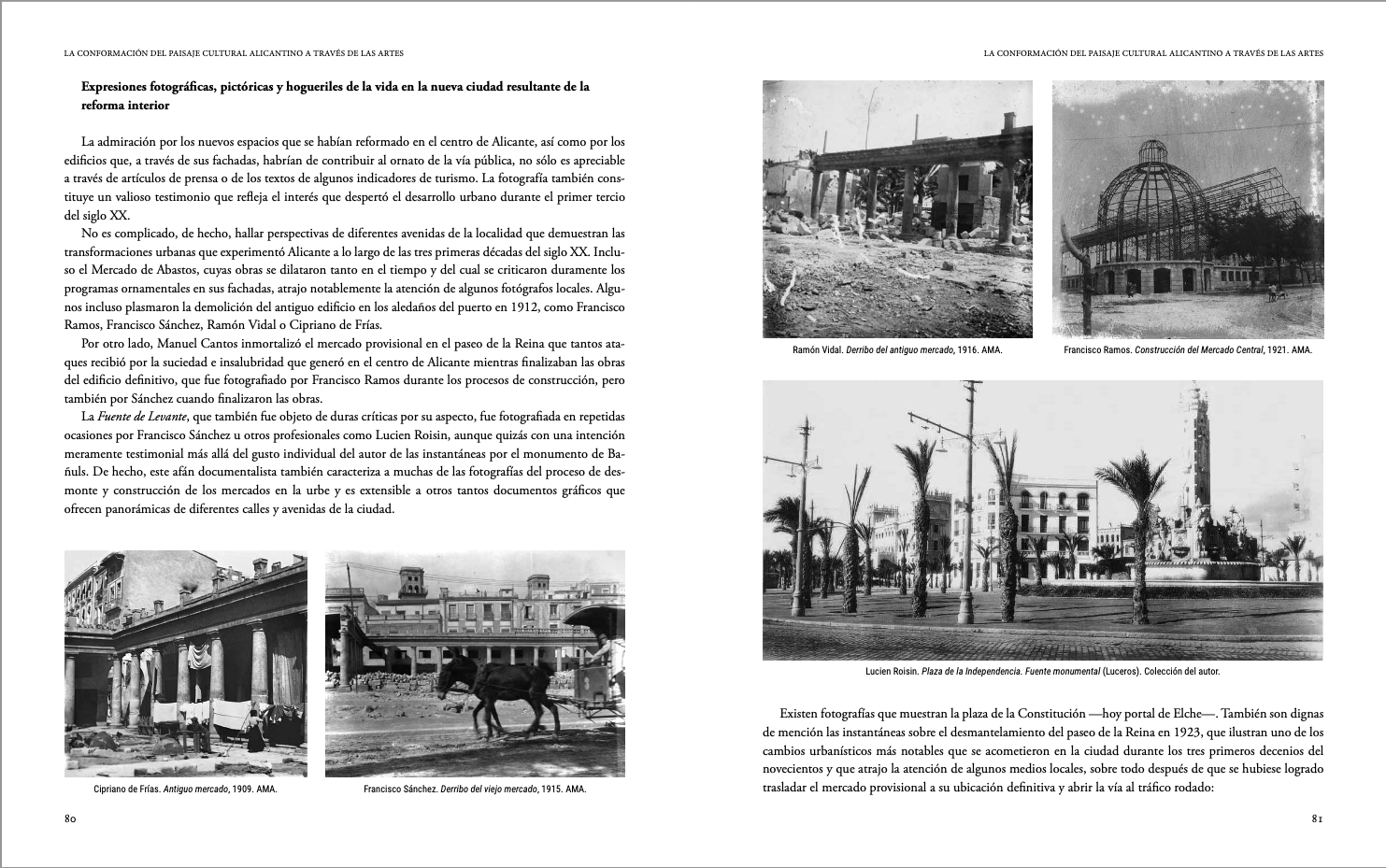
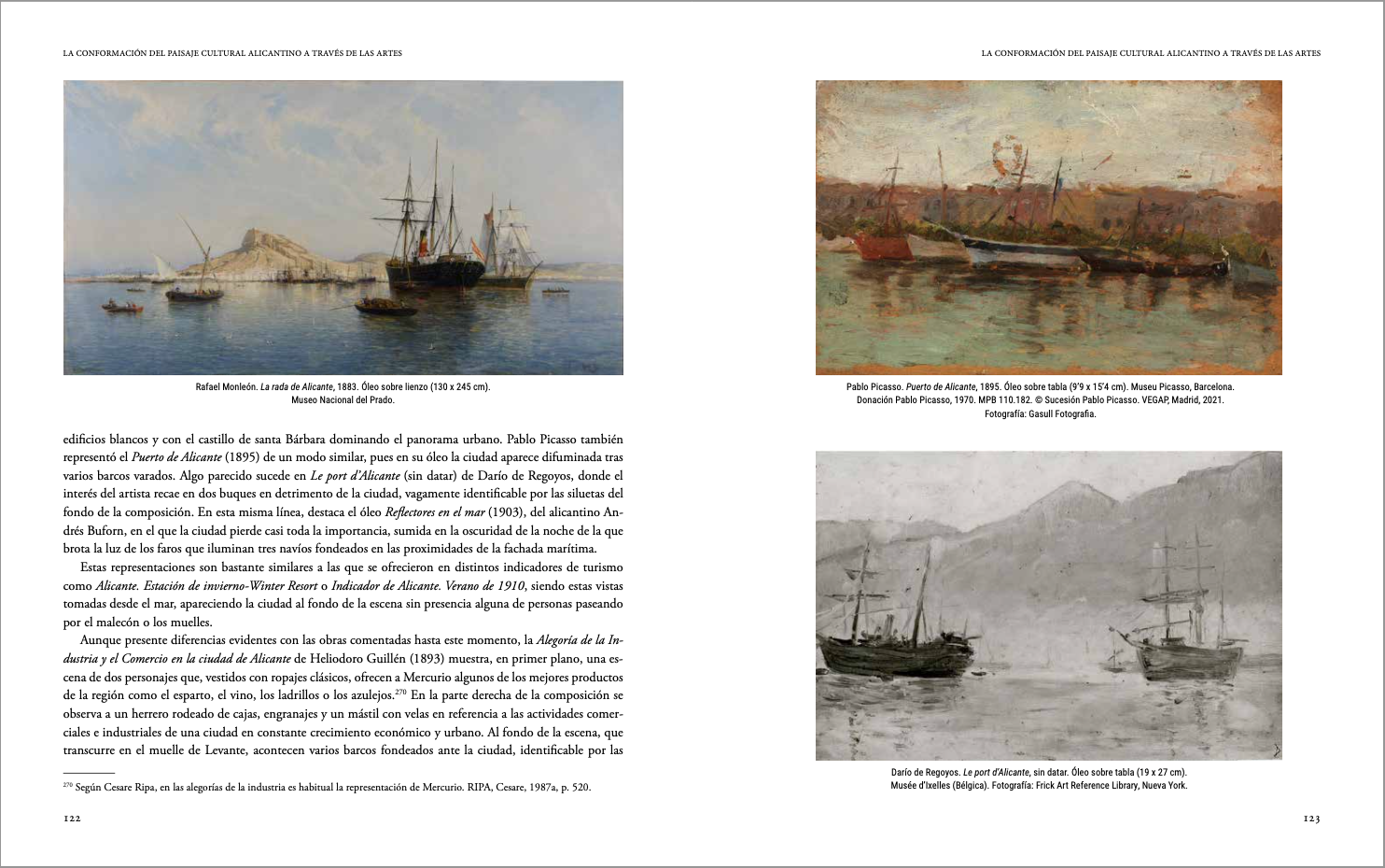
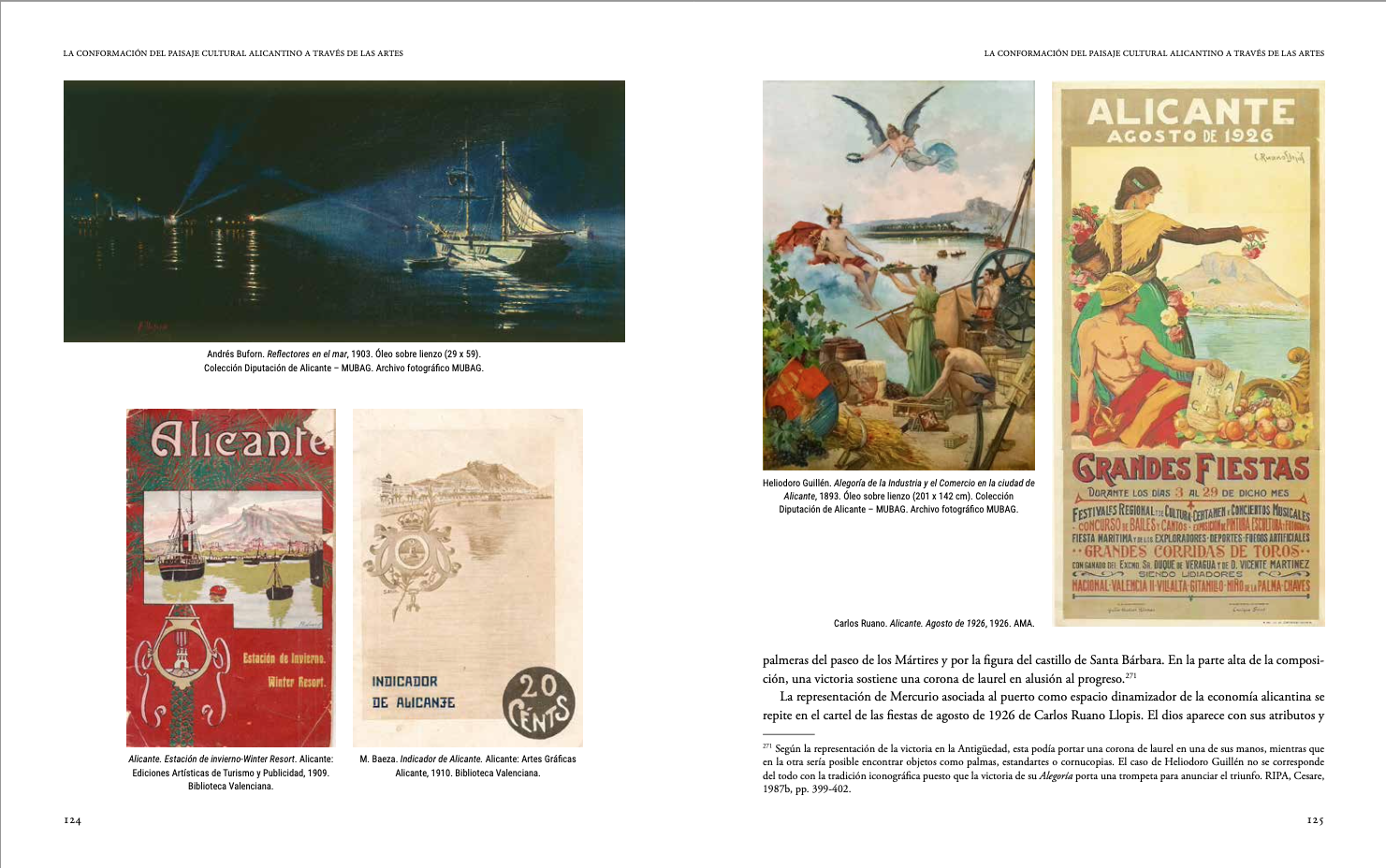
València: Ministry of Territory Policies, Public Works and Mobility , 2021. LlibreThis study offers a search of artistic expressions that help see how writers musicians, painters, scultors, architects and artists perceived the city of Alicante in a similar way, comforming its image and contributing with art to the identity tthat unified urban refurbishment and territory ordenance with the inhabitants feelings. It is a journey from the city's inside to its outside throughout its streets and avenues in the urban centre and districts. It is also a walk through the sea view, from the Mediterranean to the natural scenery of Alicante. A return to the province's capital, not to study its characteristic image of late 19th century and early 20th century, but to see how it was...
This study offers a search of artistic expressions that help see how writers musicians, painters, scultors, architects and artists perceived the city of Alicante in a similar way, comforming its image and contributing with art to the identity tthat unified urban refurbishment and territory ordenance with the inhabitants feelings. It is a journey from the city's inside to its outside throughout its streets and avenues in the urban centre and districts. It is also a walk through the sea view, from the Mediterranean to the natural scenery of Alicante. A return to the province's capital, not to study its characteristic image of late 19th century and early 20th century, but to see how it was destroyed and rebuilt during the Civil War and how relations appeared between urban space, inhabitants and artists who went from pride to fear, to political committment and humanity.
Read more HideChapters
- Introduction. Towards the definition of a theme
- About the transformation of Alicante between the 19th and 20th centuries
- Population growth. Health, development and proliferation of new urban services
- Recognition and gratitude. Politics and the city
- The demands of the forgotten. The workers' movement in the provincial capital.
- Longing for culture. The promotion of school groups
- The press and the development of Alicante
- The bourgeoisie, participants in the changes in the city
- The shaping of Alicante's cultural landscape through the arts. Impressions and expressions of the perceived environment
- In search of the modern city: the expansion and interior reform of Alicante
- The Benalúa neighbourhood, an exemplary residential area
- Housing, leisure and tourism on the shores of the Mediterranean
- The city on the fringes of the city
- The impact of tourism and the transformation of San Juan beach
- ‘So ours, so of our land’. Artistic appreciations of Alicante's surroundings
- The city under siege. The transformation of Alicante during the Civil War in the eyes of the artists
- Conclusions
Bibliography and sources
Details
[Read more] [Hide] ISBN: 978-84-482-6649-3 -
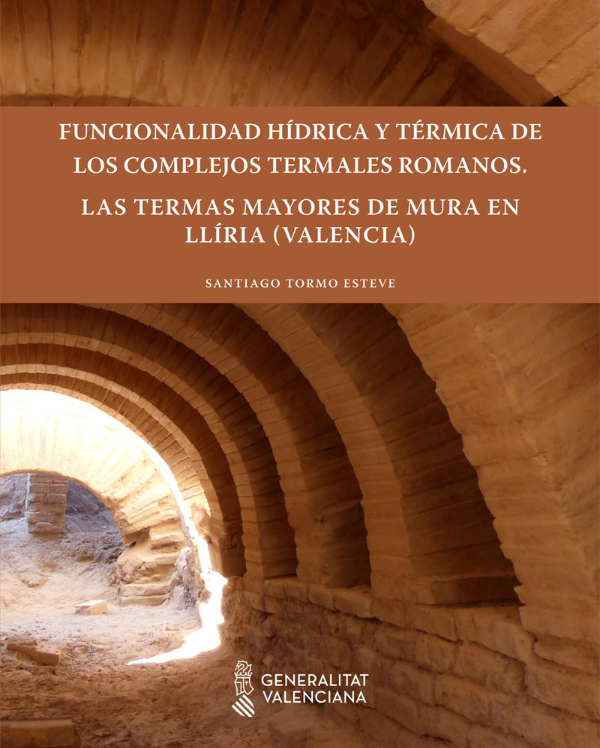
Roman Springs in Mura, Lliria
TORMO ESTEVE, Santiago
València: Council of Territory Policies, Public Works and Mobility , 2021. LlibreThis publication won the 16th Edition of Demetrio Ribes Research Award in November 2020.
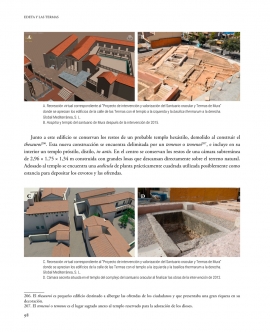
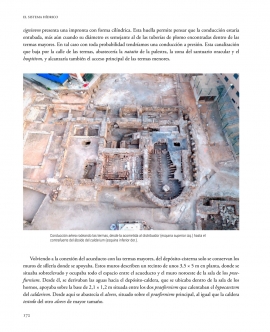
The award-winning text Water and thermal functionality of Roman thermal complexes. Las Termas mayores de Mura in Llíria (Valencia), by Santiago Tormo Esteve, presents the thermal baths of ancient Edeta (Llíria), one of the largest and most unique Valencian examples of the expertise of Roman engineers and architects.
The wisdom with which they designed the entrances to the ovens, the materials chosen for the transmission of heat inside the rooms, the complex hydraulic network that allows the hot and cold water to enter and exit. A whole compendium where the four elements, fire, water, air and earth, are mixed with the architectural designs in the most efficient way to make the most of the functionality of buildings created to accommodate the population in their time of relaxation.
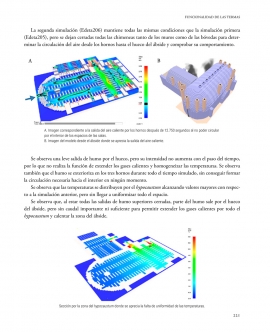
The book uses computational engineering to explain the actual functioning of the building. It concludes with the hypotheses of materials, the ducts through which the air circulates, the design of the shapes of the rooms and the dynamics of the start-up, elements that define it as one of the most important thermal examples of Roman Hispania.
.
- Bookstore of the Generalitat Valenciana
- Demetrio Ribes Award Collection, nº18
Details
[Read more] [Hide] ISBN: 978-84-482-6533-5
-
Report 2020. Ars Longa 29
Department of Art History. Universitat de València
(2020). InformesThis document details the most relevant teaching aspects related to the Art History Department of the Universitat de València throughout the 2019-2020 academic year, as well as the research contributions of its members in 2019 and other important aspects on the dissemination and management of said university department.