Search result71 results
-
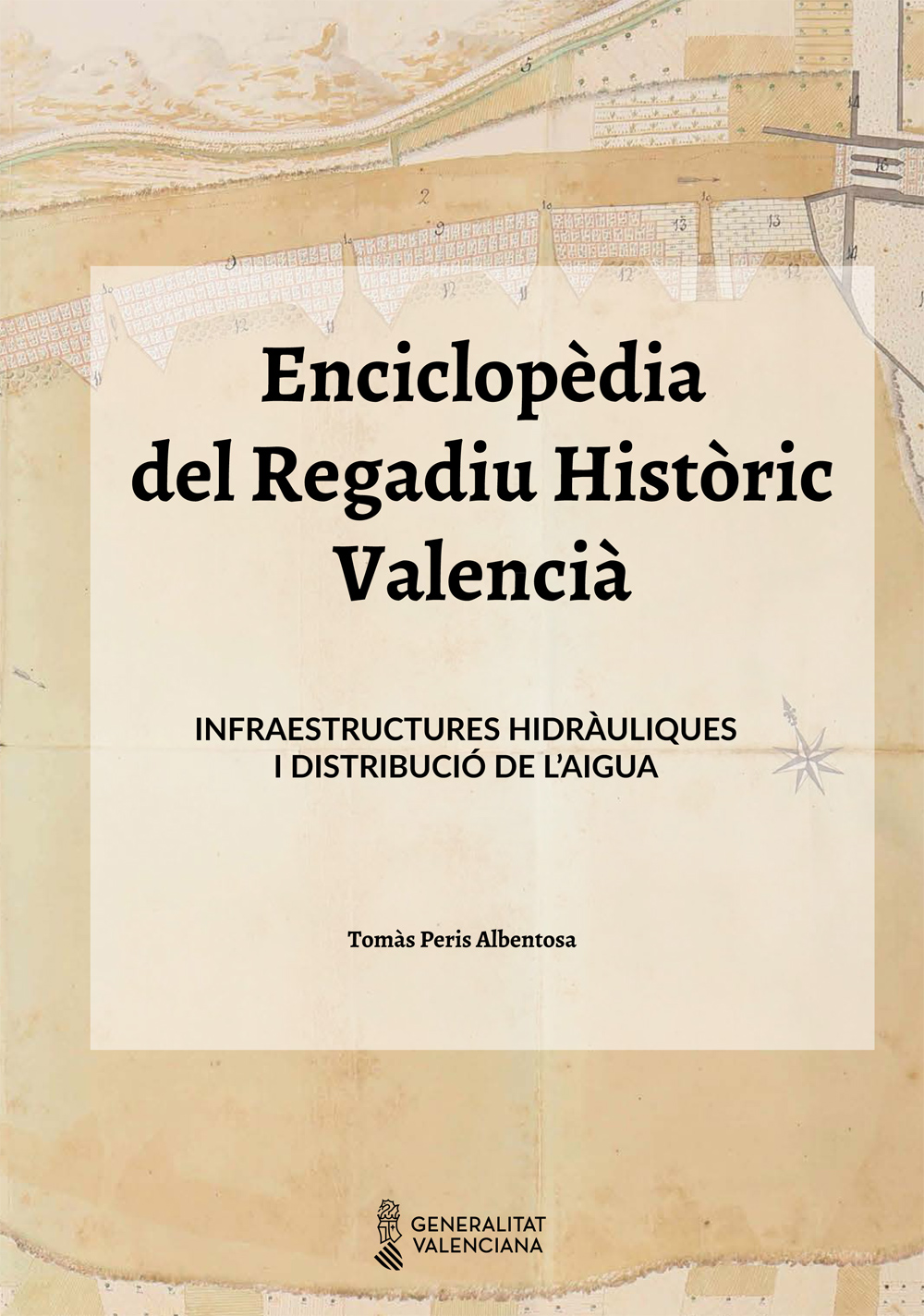
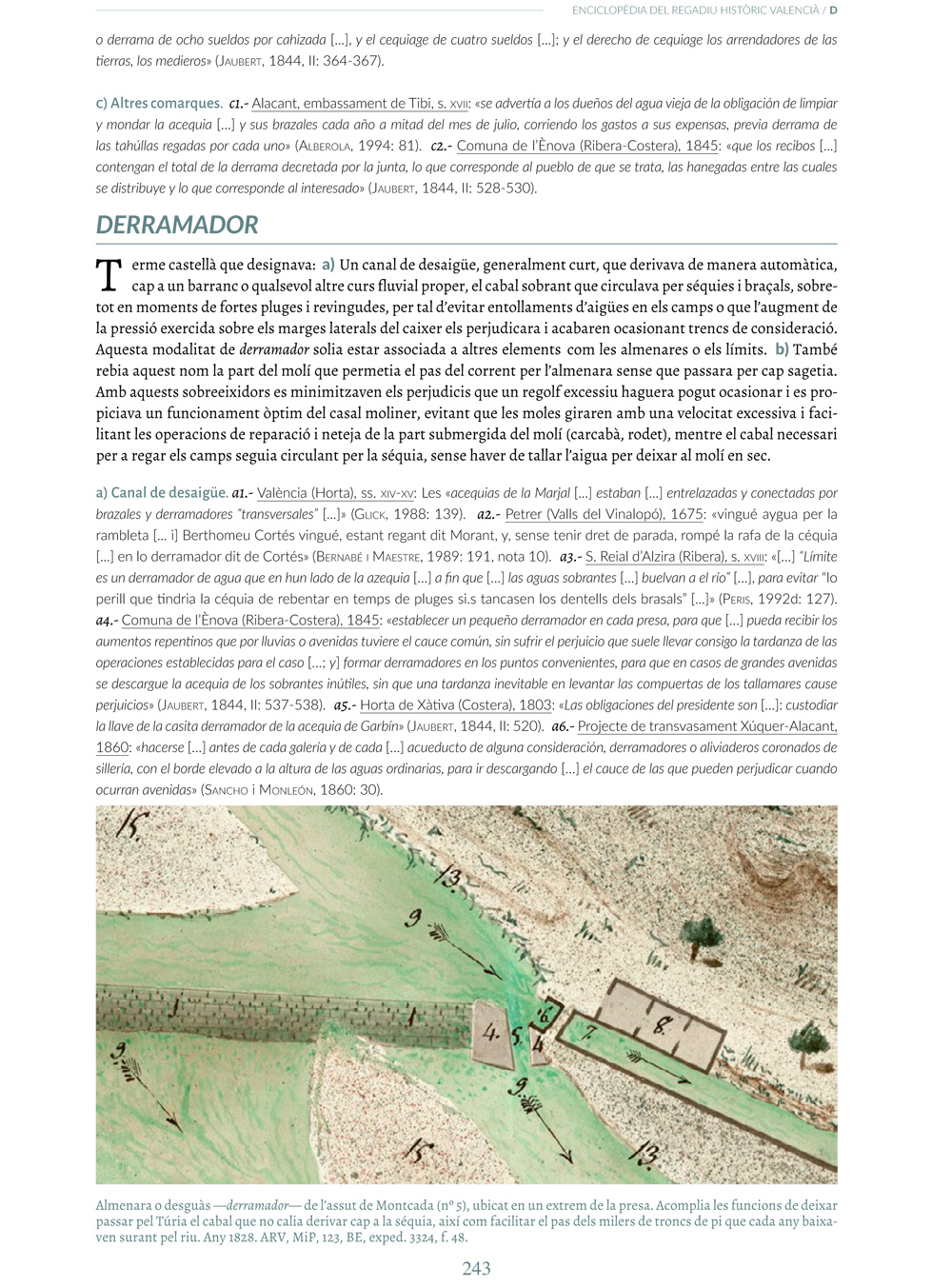
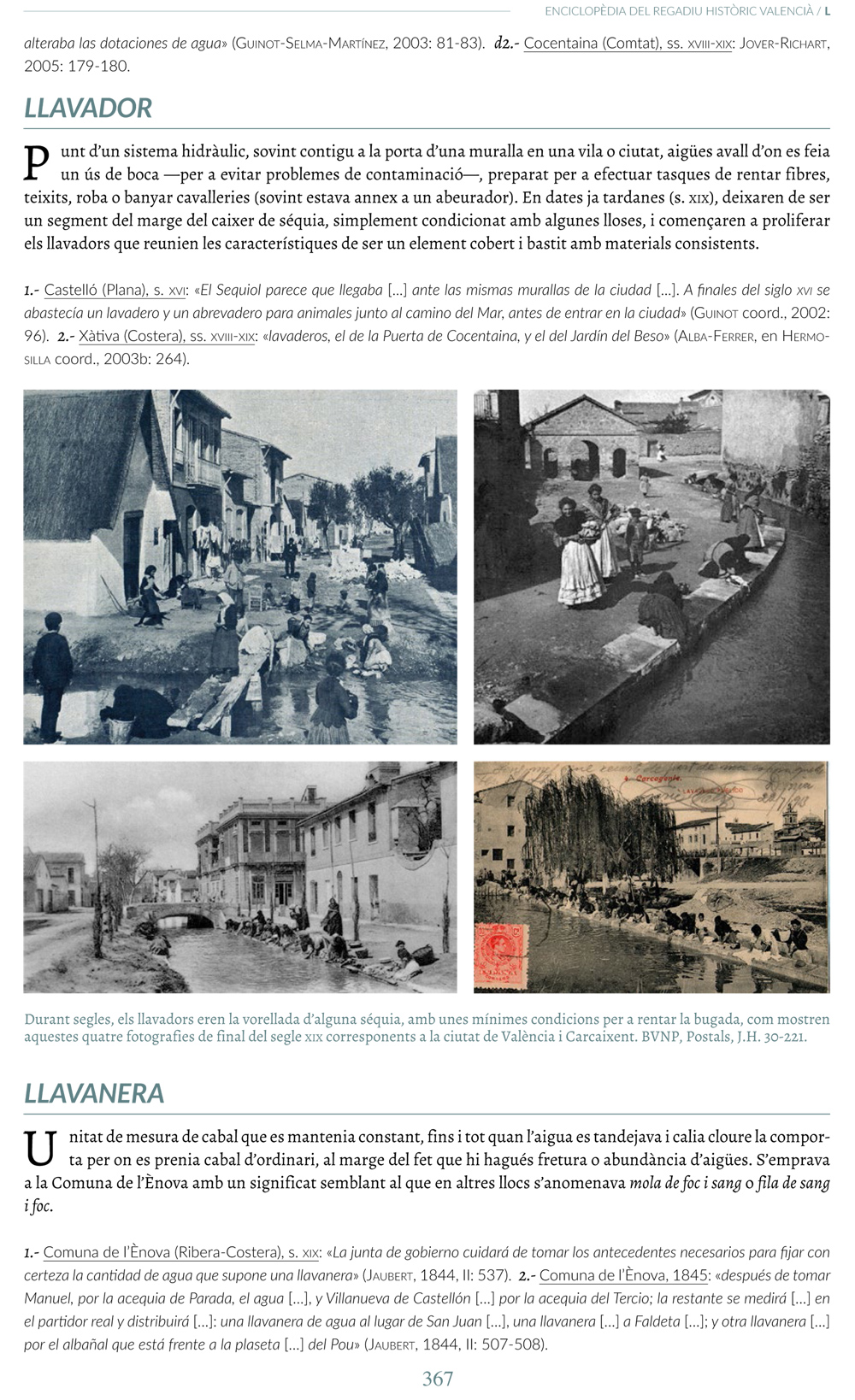
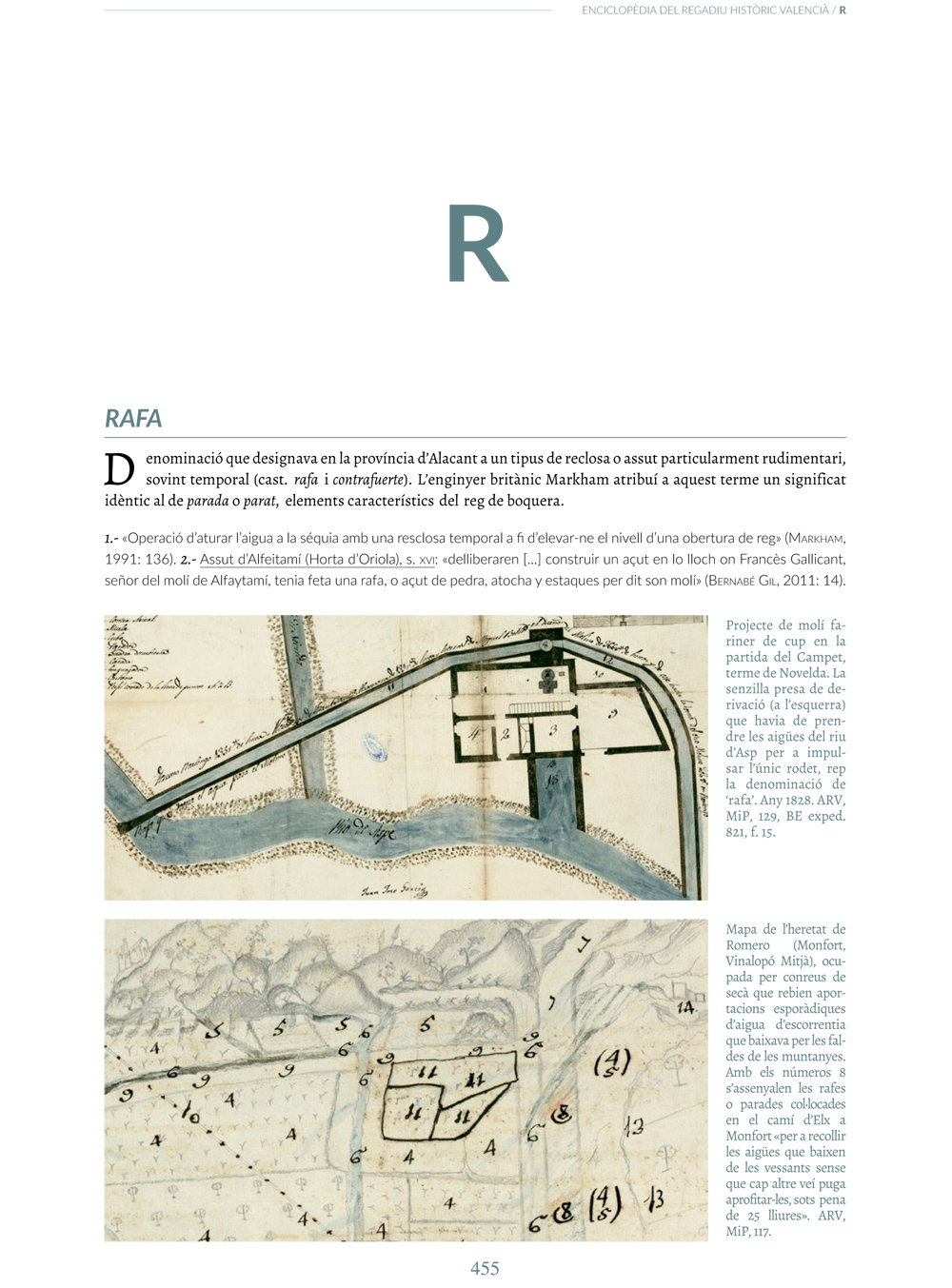
Valencian Historical Irrigation Enciclopedia. Hydraulic Infrastructure and Water Distribution
PERIS ALBENTOSA, Tomàs
València , 2020. LlibreThis work aims to promote the study on traditional irrigation methods to drop the linguistic walls between them and to showcase a part of the immense information baggage not so well known. Another aim is to help Valencian society to gain conscience of its valuable linguistic, historical, anthroological, scenery and more heritage born from water usage in Mediterranean countryside.
A great work with more than 500 entries, accompanied by plans and photographs, and a documentary appendix on Valencian historical irrigation make this edition a reference work for the study of hydraulic heritage.
[Read more] [Hide] ISBN: 978-84-482-6421-5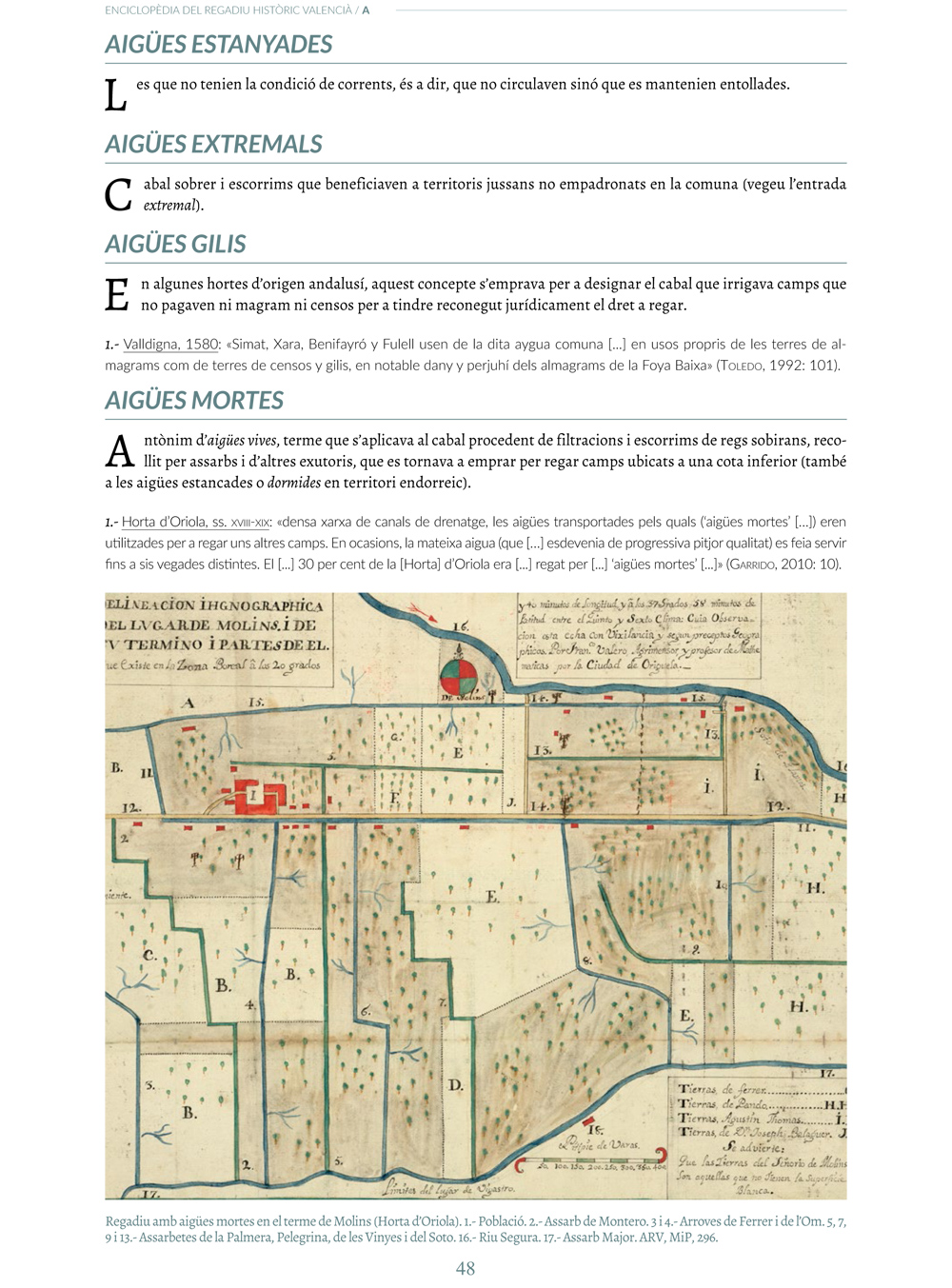
-
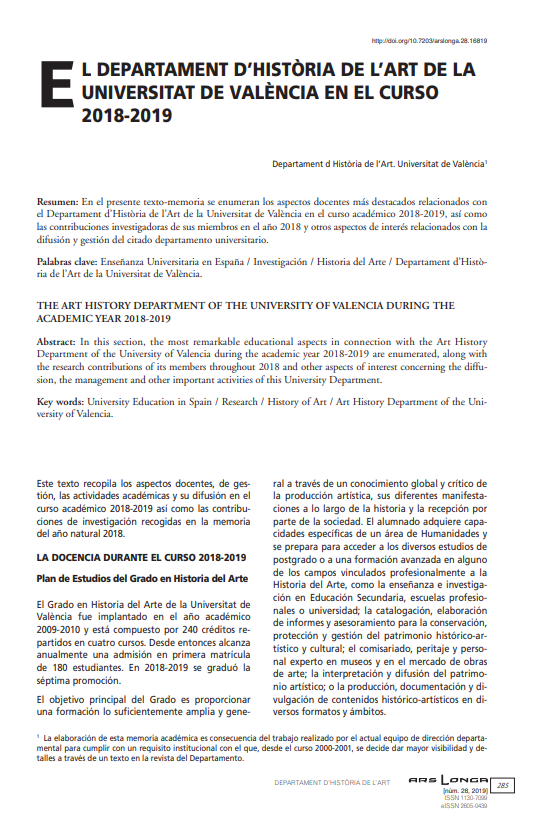
Report 2019. Ars Longa 28
Department of Art History. Universitat de València
(2019). InformesThis document details the most relevant teaching aspects related to the Art History Department of the Universitat de València throughout the 2018-2019 academic year, as well as the research contributions of its members in 2018 and other important aspects on the dissemination and management of said university department.
-
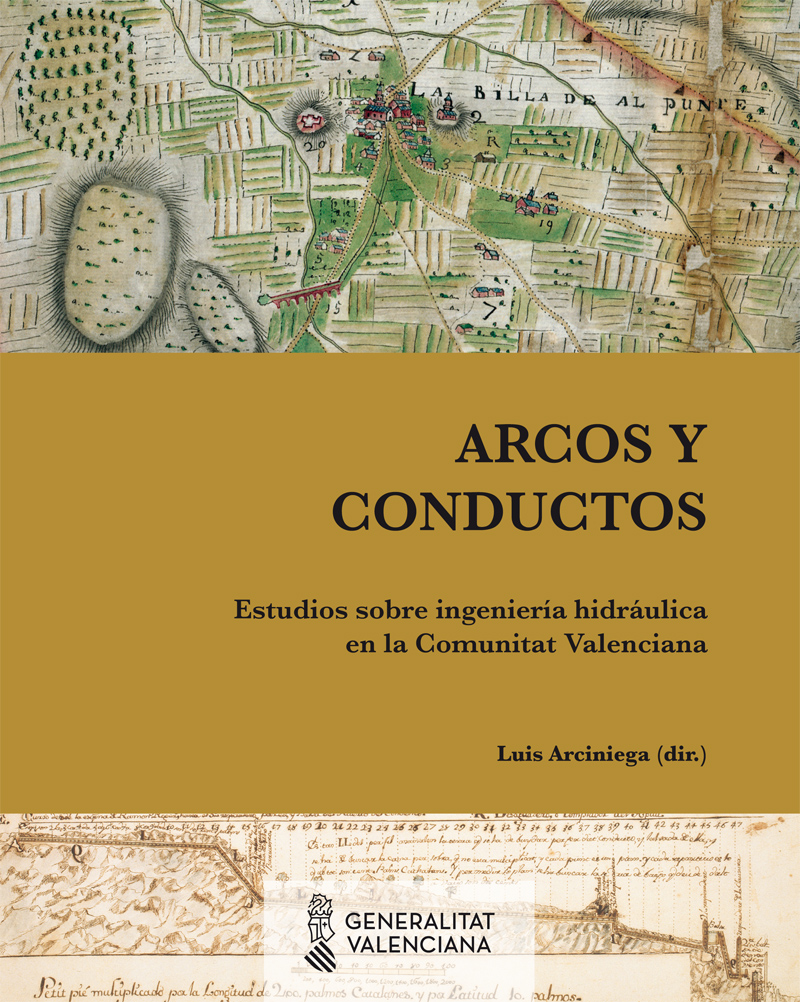
Arches and ducts. Hydraulic Engineering Studies in the Valencian Community
ARCINIEGA GARCÍA, Luis
València , 2019. LlibreTransport can occurr on the water. In fact, water transports itself in an eloquent manner which gives the subterraean channels under the city used to secure supplies. 'water journeys'. It's in the etymology for aqueduct: aqua (water) and ductus (a derivation of the verb ducere, meaning to guide). A word we analyse in the last chapter, one that bring complexity with its birth, evolution and use. The word manifests the synecdoche, referring to the water's duct and the specific element that transfers it using arches and bridges.
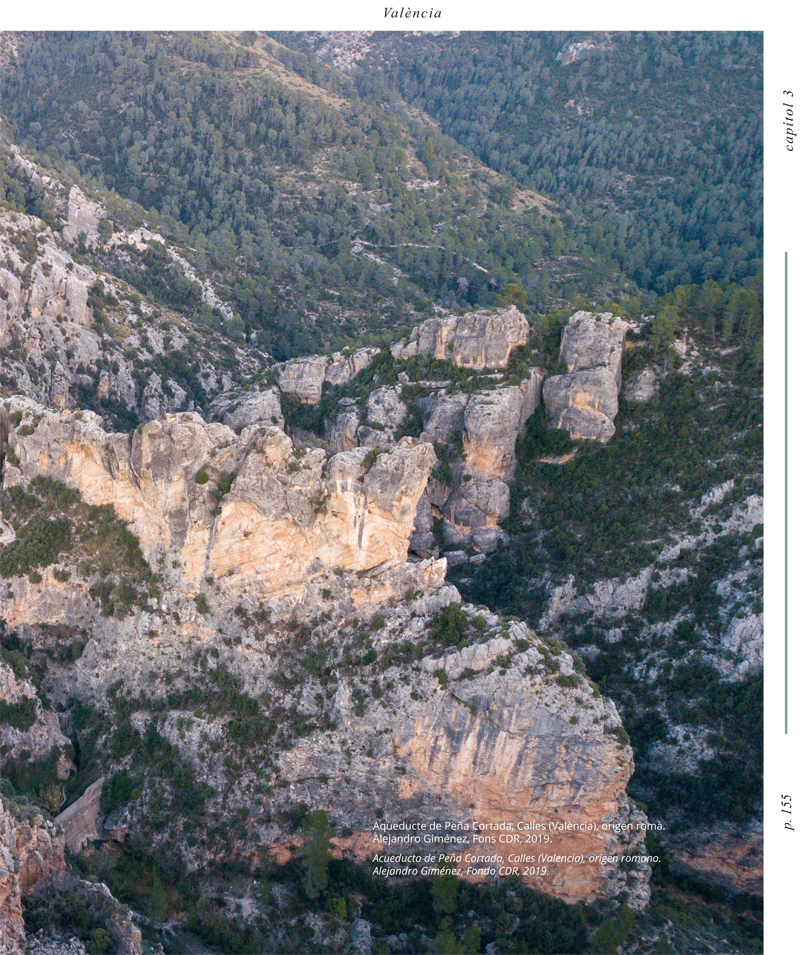
Valencia History Museum head, Javier Martí, speaks about water supply in Valencia from the Roman era to the Middle Ages with a special focus on open hypotheses about archeological vestiges. Universitat de València full-time professor of Archeology, José Luís Jiménez and Chelva Museum head, Juan José Ruiz López analyse in minute detail the literary references and physical reality of Peña Cortada's Roman aqueduct. Archeologist and historical landscape and architecture archeology expert Víctor M. Algarra Pardo focuses on the Calicanto aqueduct in the Gestalgar municipality, which is unfinished and a pprivileged laboratory for the technical and construction analysis. Its study is an example of the broad cultural landscape born from the Turia river. Tamara Peñalver Carrascosa tackles on the hydraulic supply in Roman urban domestic spaces of the Valencian territory. Architect snd Doctor of Art History Pablo Camarasa Balaguer speaks about the importance of the Middle Ages aqueduct using the case of Xàtiva. In the end, Principal of Demetrio Ribes Chair, Luís Arciniega García goes deeper in the receiving of these elements through the studies of textual references and the images they have generated.
Chapets:
- MARTÍ OLTRA, Javier, 'El ciclo del agua en València desde la Antigüedad a la época islámica'.
- PEÑALVER CARRASCOSA, Tamara, 'Sistemas de abastecimiento hidráulico en los espacios domésticos urbano-romanos del territorio valenciano'.
- JIMÉNEZ SALVADOR, José Luis; RUIZ LÓPEZ, Juan José, 'El acueducto de Peña Cortada (la Serranía, Valencia): una muestra singular de la ingeniería romana en tierras valencianas'.
- ALGARRA PARDO, Víctor M., 'El acueducto de los Calicantos. Una capa del paisaje cultural del agua del Turia en el territorio de Gestalgar'.
- CAMARASA BALAGUER, Pablo, 'Las arquitecturas del agua en Xàtiva y su huerta. Casos de arquerías'.
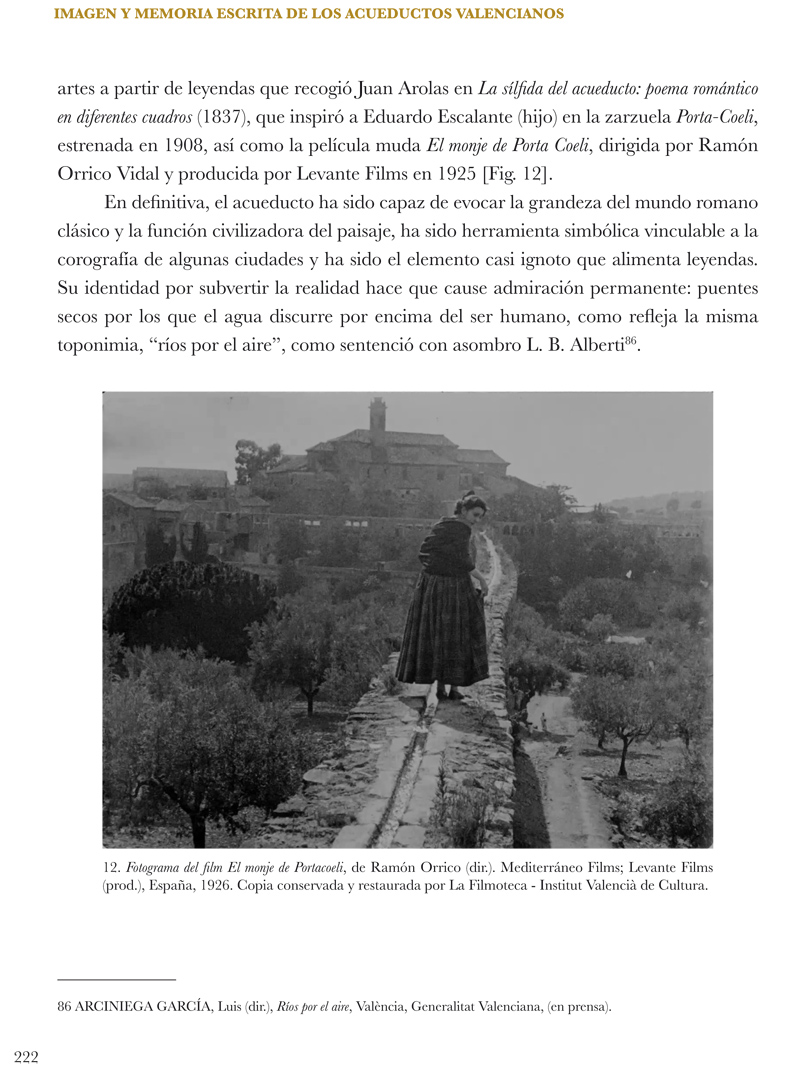
- ARCINIEGA GARCÍA, Luis, 'Imagen y memoria escrita de los acueductos valencianos'. [pdf]
[Read more] [Hide] ISBN: 978-84-482-6351-5 -
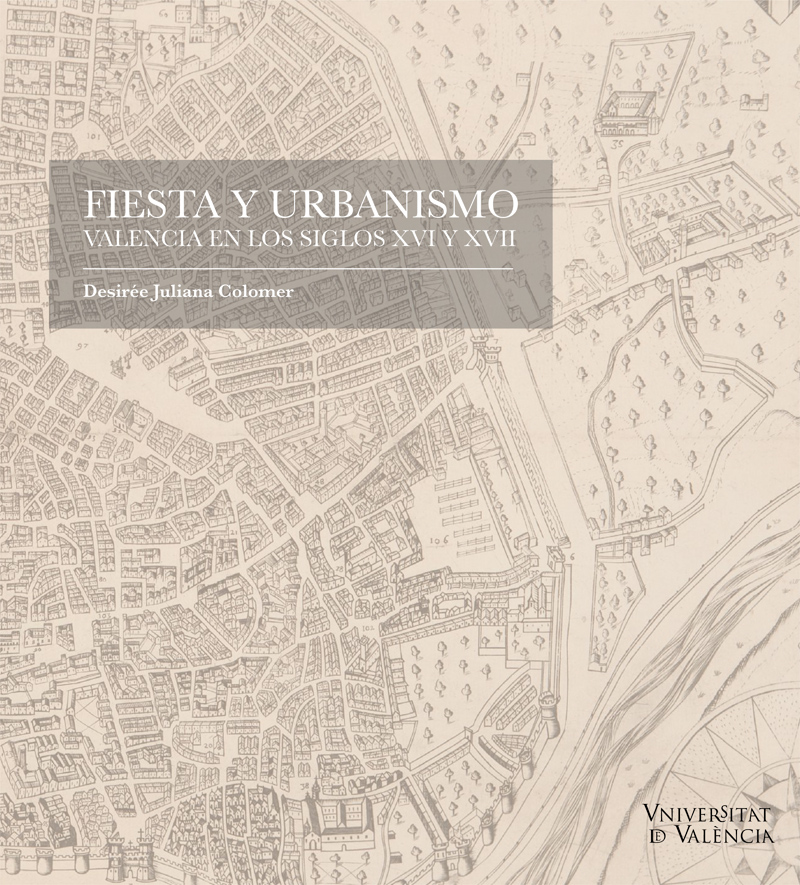
Party and Urbanism. Valencia in the 16th and 17th Centuries
JULIANA COLOMER, Desirée
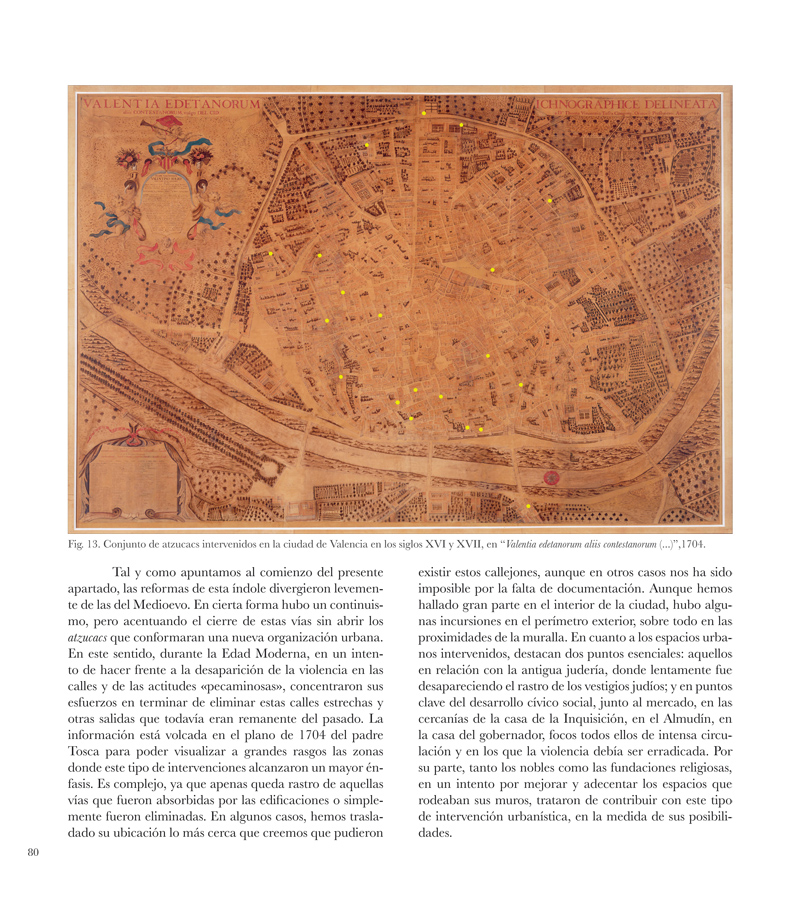
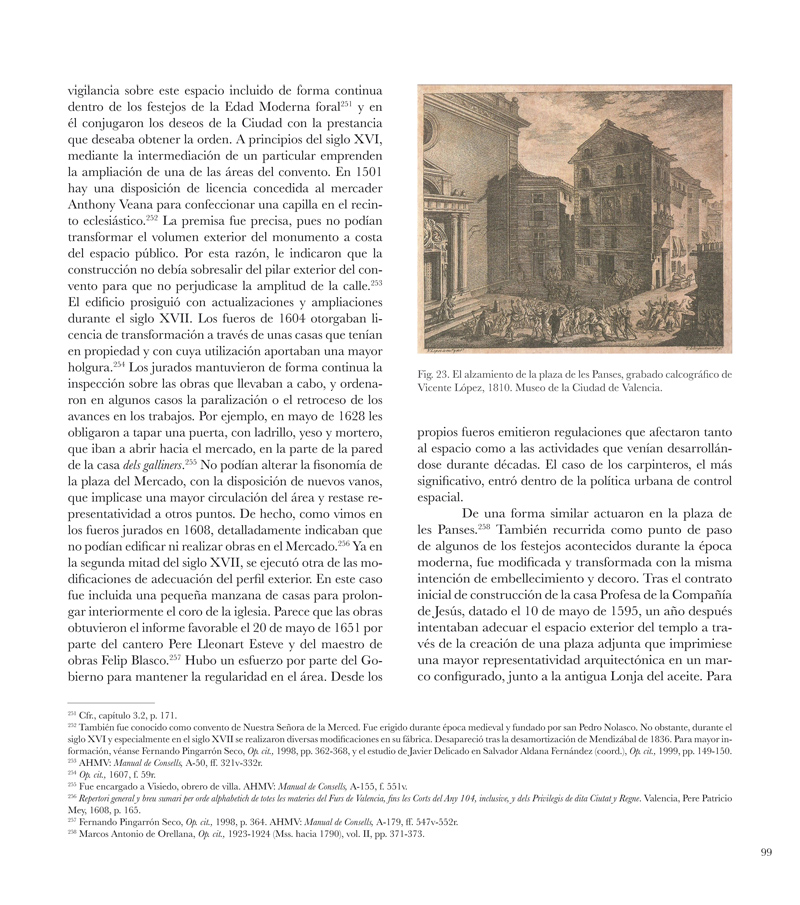
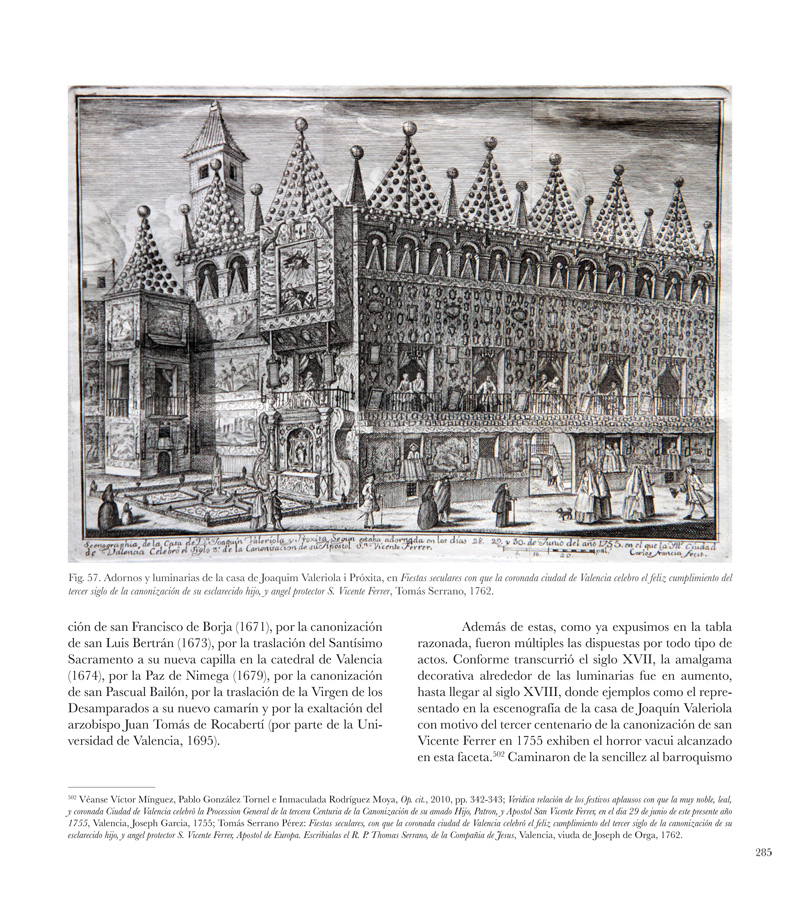
València , 2019. LlibreA great work with more than 500 entries, accompanied by plans and photographs, and a documentary appendix on the historical Valencian irrigation system make this eThe culture and heritage of a city are distinctive signs that give it uniqueness, define its identity and condition its future. Sometimes, such an obvious thing is forgotten when interventions are made on the architecture and urban morphology of the past, so that we lose an important part of the roots of certain places. Architectural works that were designed with a very definite objective, alter their meaning after renovations in which spatial reorganisation prevails. For example, the space next to the baroque façade of the cathedral of Valencia changed significantly after the opening of the space now known as Plaza de la Reina; and the demolition of the city wall in 1865 completely transformed the urban image of the city and, with it, its historical perception. The work presented here proposes to analyse the shaping of the cities in the different stages as a means of recording, conserving and understanding.dition, a reference work for studies of hydraulic heritage.
[Read more] [Hide] ISBN: 978-84-482-6421-5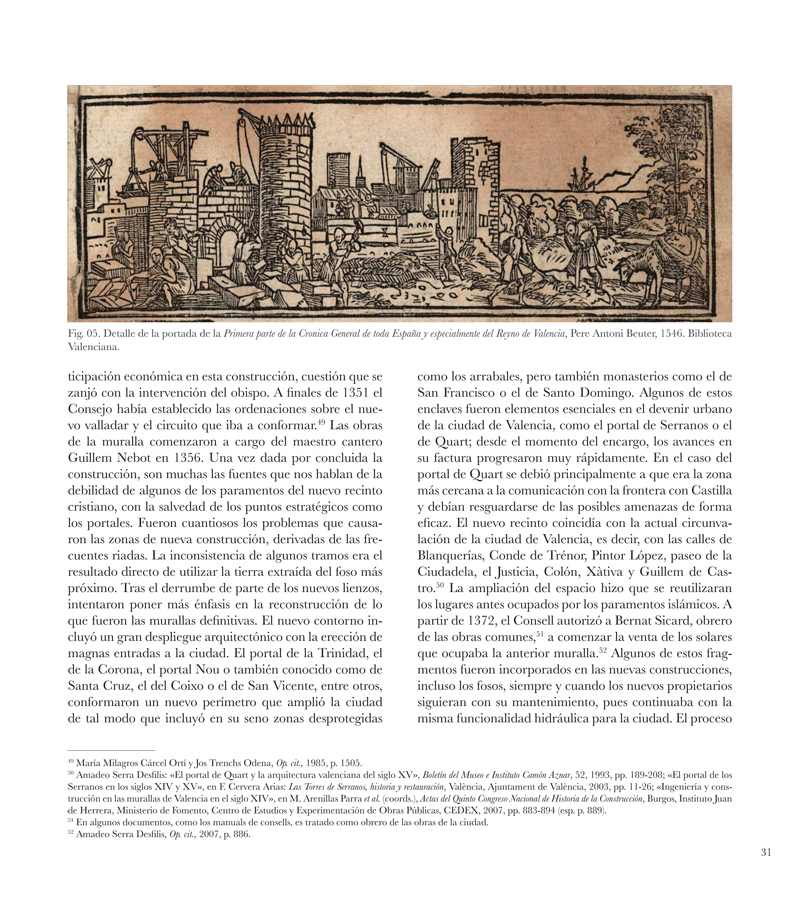
-
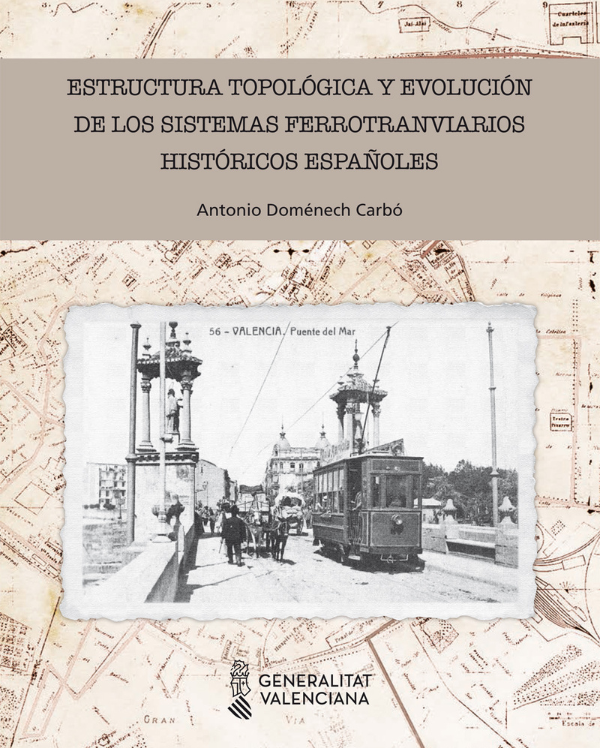
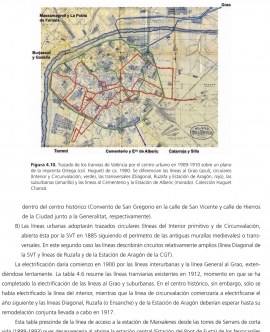
Topological Structure and Railway Tramway Systems
DOMÉNEC CARBÓ, Antonio
València: Council of Territory Policies, Public Works and Mobility , 2019. LlibreThe publication of "Estructura topológica y evolución de los sistemas ferrotranviarios históricos españoles", by full-time professor of the Department of Chemistry in UV Antonio Dómenech Carbó won the 15th Demetrio Ribes Research Award in November 2019.
The winning book aims to present the railway tramway progress in national territory in an innovative perspective of mathematics and topology. Its original application is the main focus of the study along with the discourse of the author and its visual repetoire, which conform a new refence in the research field of railway tramway system evolution.
- Bookstore of the Generalitat Valenciana
- Demetrio Ribes Award Collection, nº18
Details
[Read more] [Hide] ISBN: 978-84-482-6455-0
-
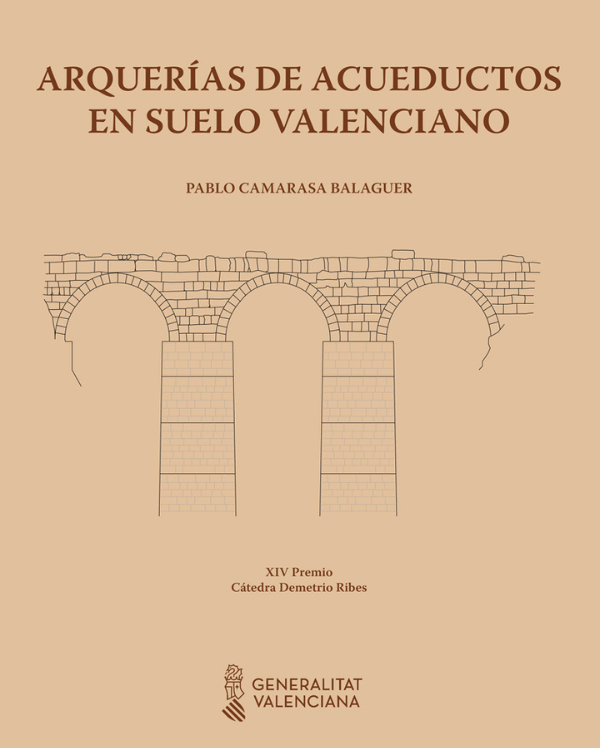
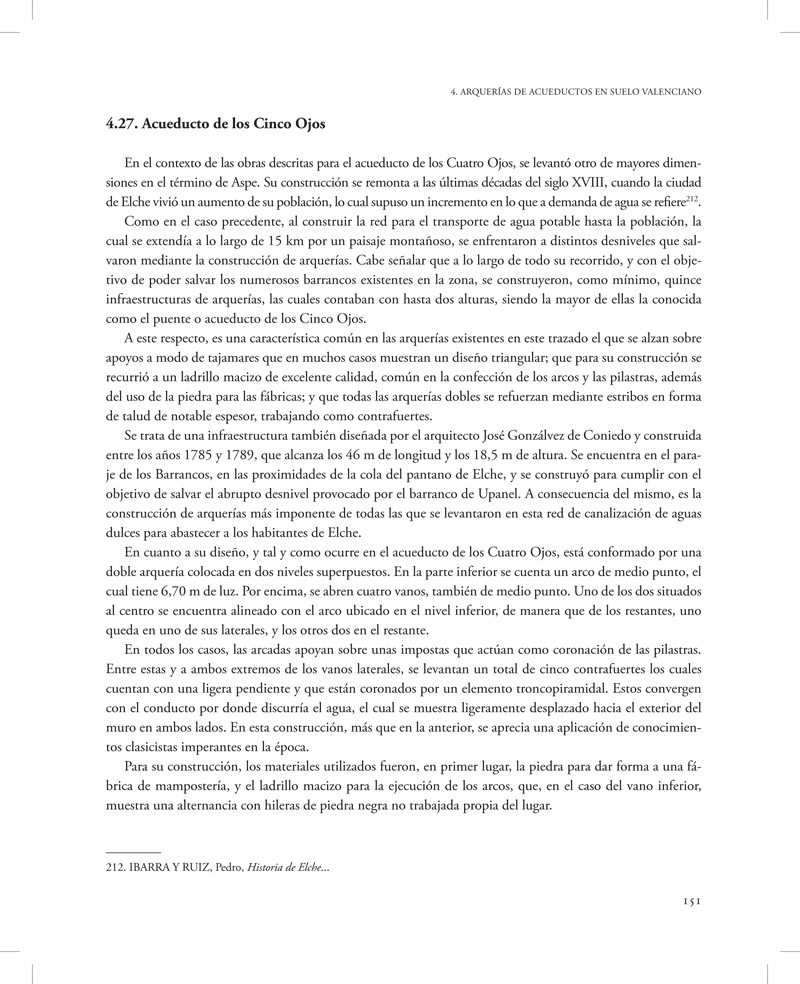
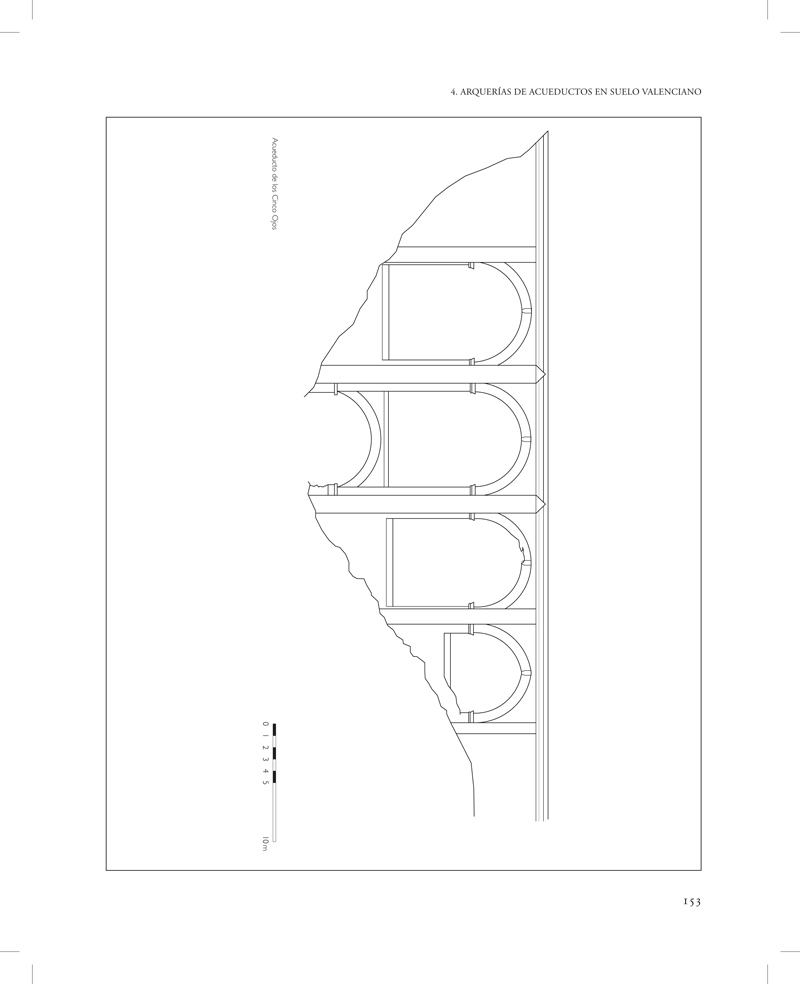
Aqueduct Arcades
CAMARASA BALAGUER, Pablo
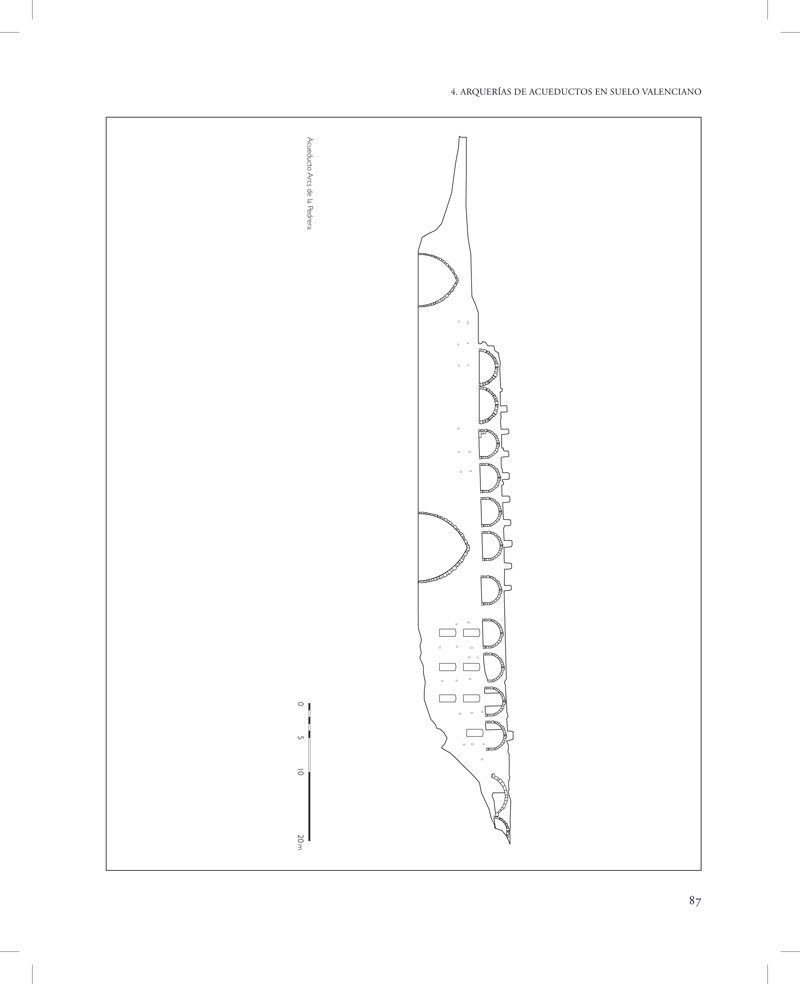
València: Council of Territory Policies, Public Works and , 2019. LlibreThis publication, awarded with the 14th Demetrio Ribes Research Award, is an interesting work which delves into the study of water allocation for city and irrigation supply in the Valencian Community, whose rational and sustainable planning of the water resources has been an essential constant in the future of the Valencian territory and a key piece in the developing of its personal identity. Of its study we deduce an evolutionary analysis of the social, economic and politic organisation active in each period. If every public work serves for developing the landscape, this characteristic increases when the water infrastructures in general are involved and specially to the aqueduct arcades.
The author has faced the study of the aqueduct arcades from two points of view: through a chronologic classification of the arcades and carrying on a graphic comparative analysis, which intends to preserve the hydraulic heritage, witness of the technical, cultural and socioeconomic history of a territory which has always been related to water culture.
- Bookstore of the Genralitat Valenciana
- Demetrio Ribes Award Collection, no.18
Details
[Read more] [Hide] ISBN: 978-84-482-6391-1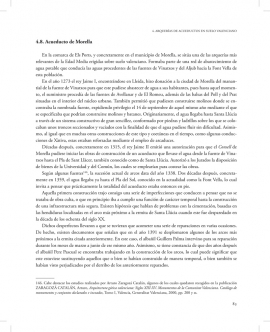
-
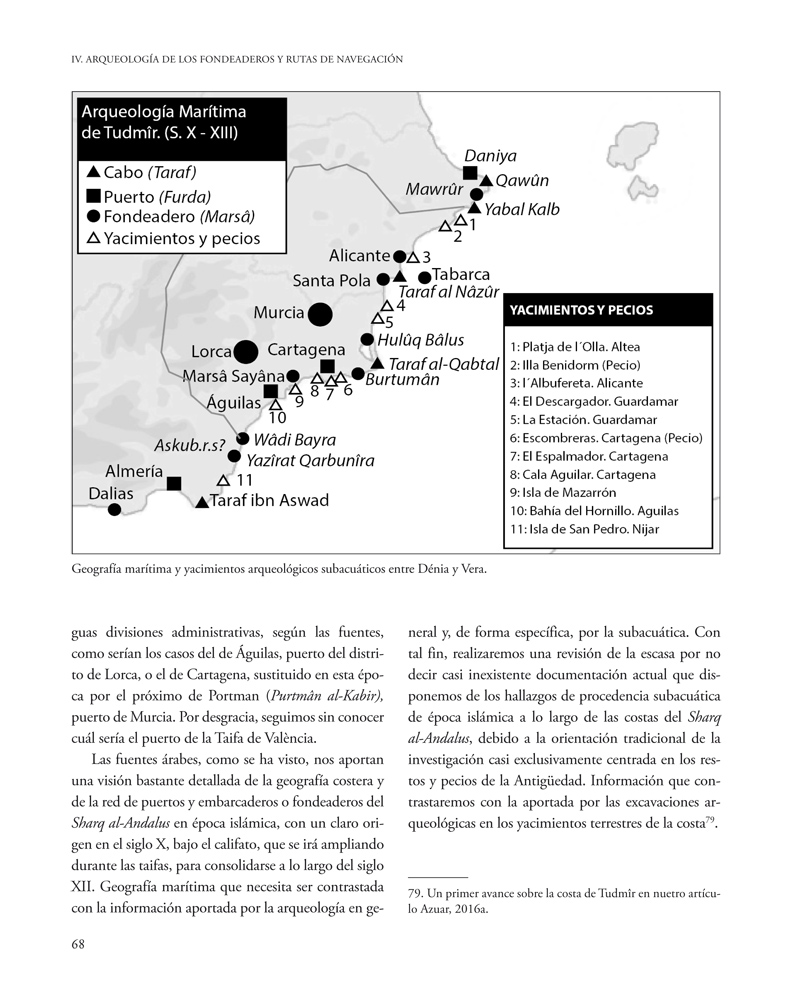
The Taifas of the Sharq Al-Andalus on the Mediterranean Routes and Market in the 11th Century
AZUAR RUIZ, Rafael
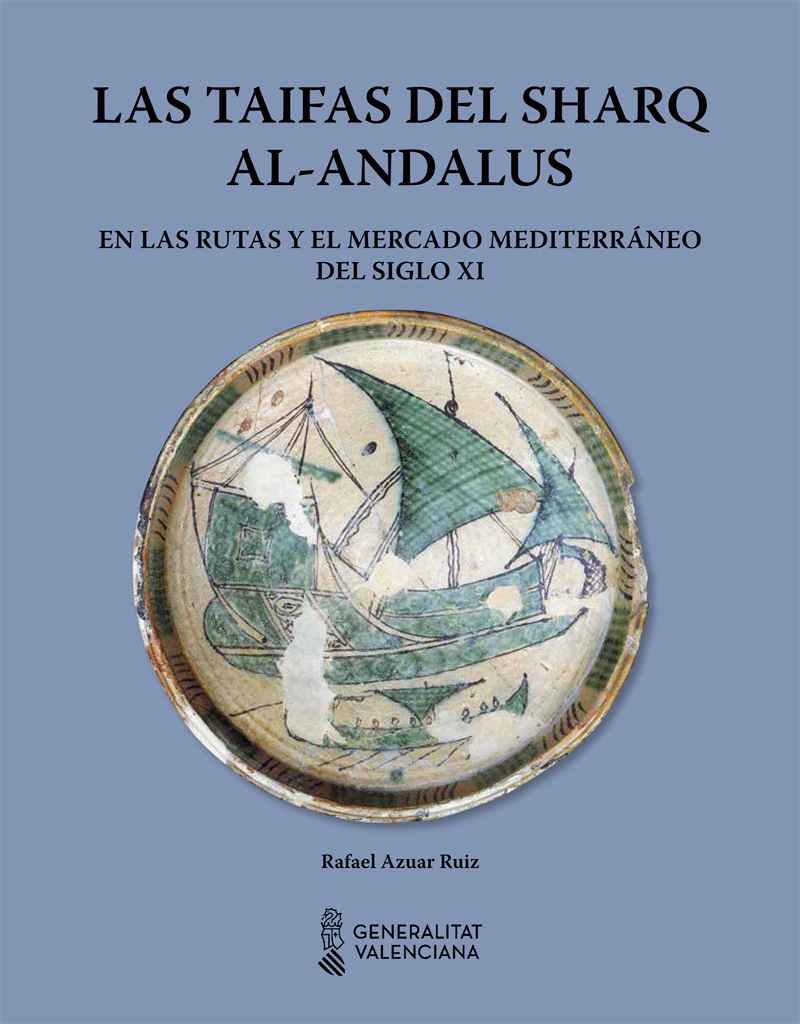
València: Ministry of Territory Policies, Public Works and Mobility , 2019. LlibreThis work on the taifas of the sharq al-Andalus and the Mediterranean offers a different view, not from within al-Andalus but from the context of the Mediterranean described by Christophe Picard in his La mero das Califas (2014). History from the sea, which starts by analysing the narrow strip of land that constitutes the sharq al-Andalus. A territory defined in the sources as the area where the rivers flow into the Mediterranean, with their mouths forming a coastal profile dominated by wetlands and extensive lagoons such as those of Valencia and Elche. In addition, inland seas such as the Mar Menor in Murcia and very important and valuable natural salt marshes such as that of La Mata de...
This work on the taifas of the sharq al-Andalus and the Mediterranean offers a different view, not from within al-Andalus but from the context of the Mediterranean described by Christophe Picard in his La mero das Califas (2014). History from the sea, which starts by analysing the narrow strip of land that constitutes the sharq al-Andalus. A territory defined in the sources as the area where the rivers flow into the Mediterranean, with their mouths forming a coastal profile dominated by wetlands and extensive lagoons such as those of Valencia and Elche. In addition, inland seas such as the Mar Menor in Murcia and very important and valuable natural salt marshes such as that of La Mata de Guardamar del Segura were formed along the coast. Coasts open to the dreaded easterly winds and dominated by the currents of the Strait of Gibraltar, which forced vessels to follow the coast as far as Denia, from where they set sail for the western Mediterranean via the route of the Balearic Islands, described by Arab geographers, the backbone of the itineraries and navigation routes between the Islamic coasts of the south and the Christian coasts of the north. Maritime geography and navigation routes are analysed in this book not only from Latin chronicles and Arab sources but also, and in a new way, from the information provided by archaeological methodology, both terrestrial and underwater.
Read more Hide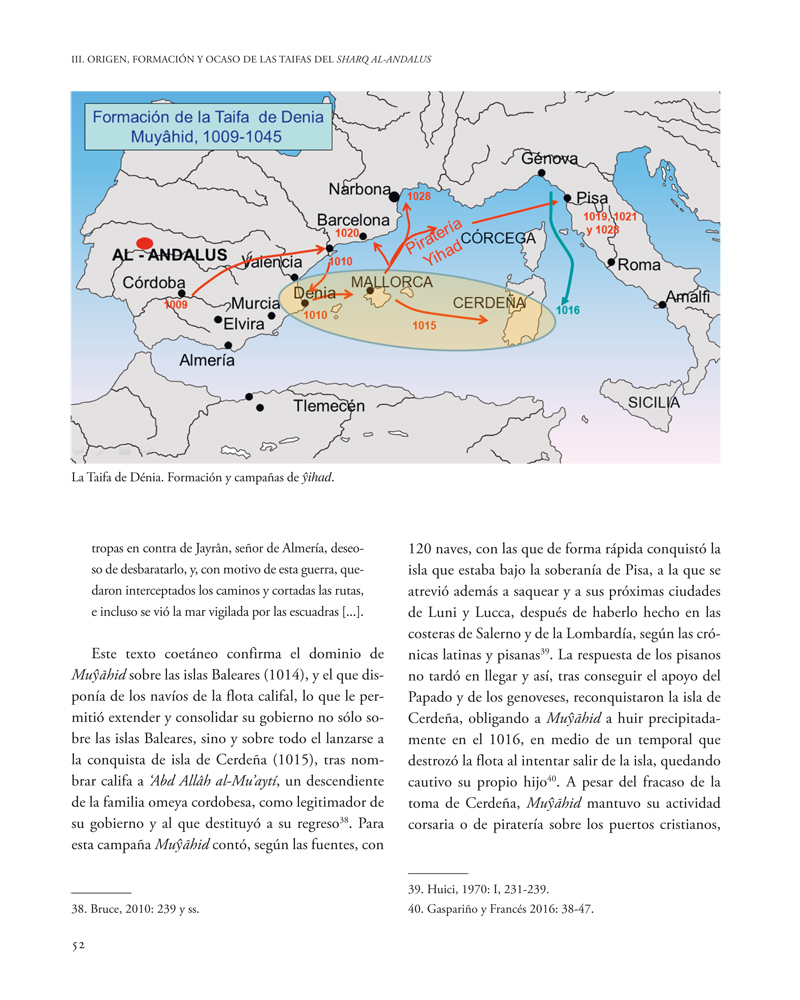
[Read more] [Hide] ISBN: 978-84-482-6332-4 -
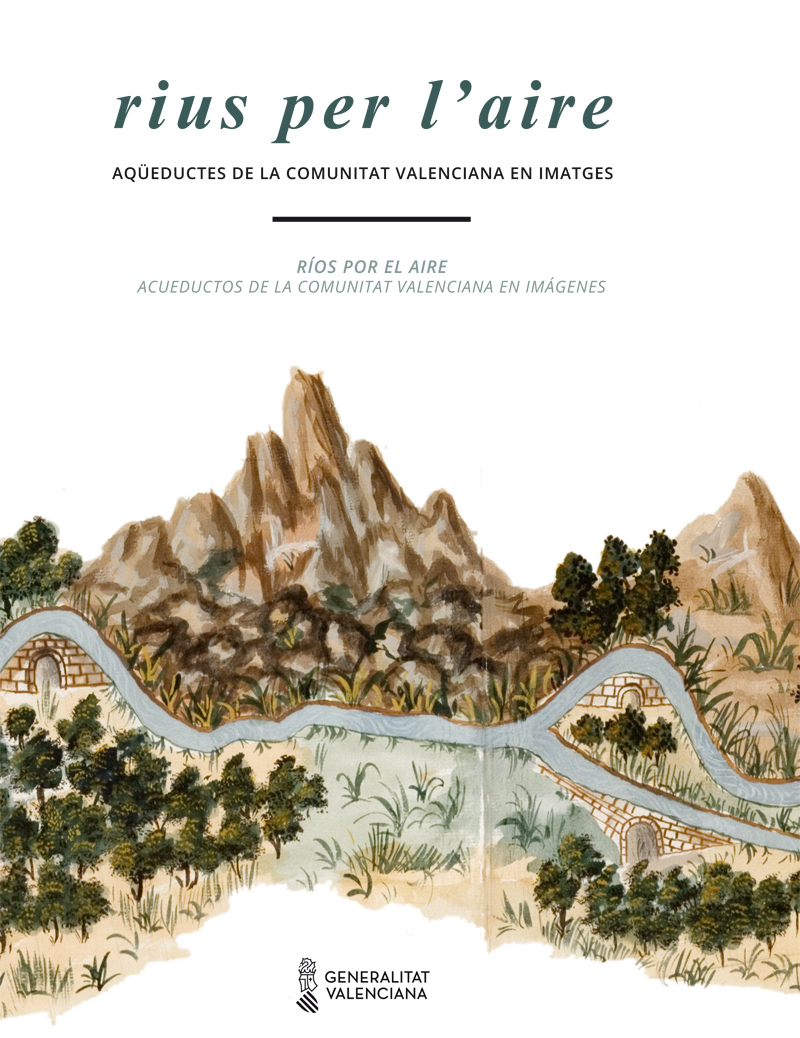
Rivers in the Air. Valencian Community Images of Aqueducts
ARCINIEGA GARCÍA, Luis (dir.)
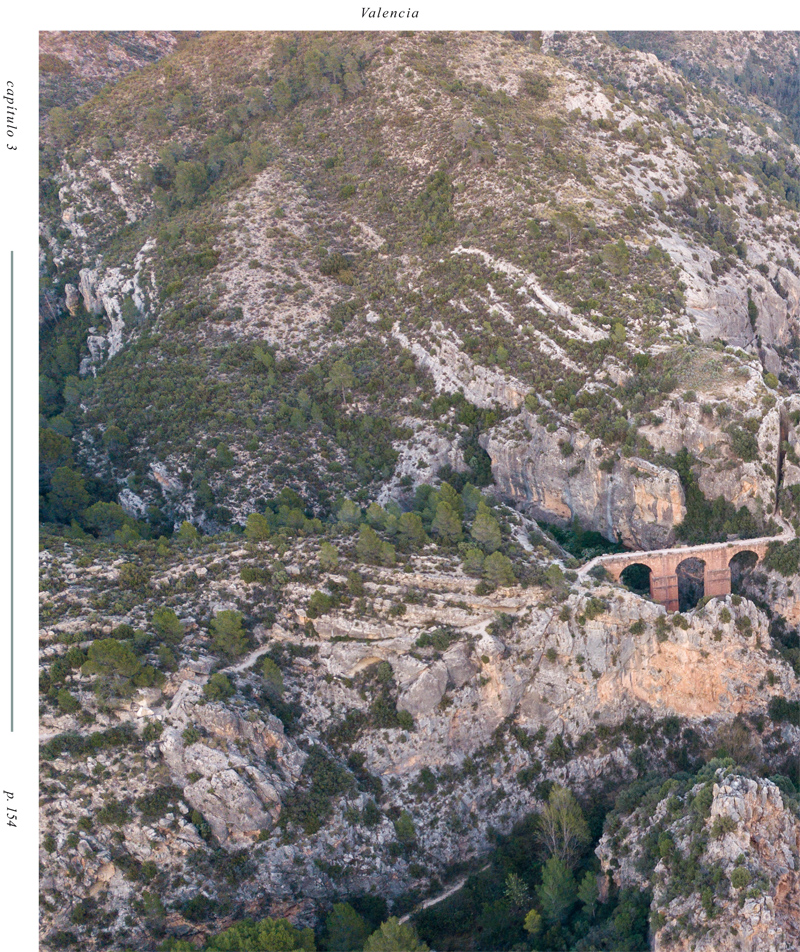
València: Ministry of Housing, Public Works and Territory Planning , 2019. LlibreThe exhibition catalogue of Rivers in the Air. Aqueducts of Valencian Community is a visual repertoire of all the aqueducts and materials represented in the sample of the same name that took place in the Museum of the City of Valencia in April 2019. This edition, with a big format, presents historical and current pictures, carthography, relief and descriptiv designs made for the ocassion that is sure to satisfy the most demanding reader with its visual quality. Through its 250 pages, the reader is provided with short ibntroductory texts aiming togive them context of the imatges.
[Read more] [Hide] ISBN: 978-84-482-6353-9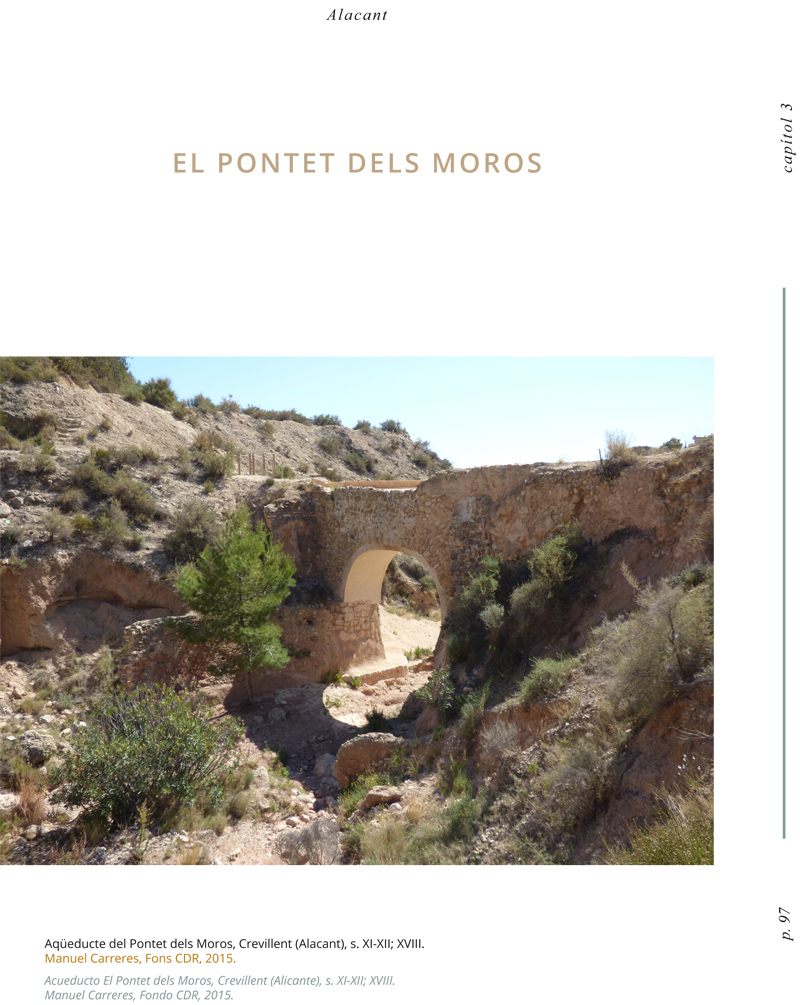

-
A Railway Across the Mediterranean Coast
ARCINIEGA GARCÍA, Luis (dir.)
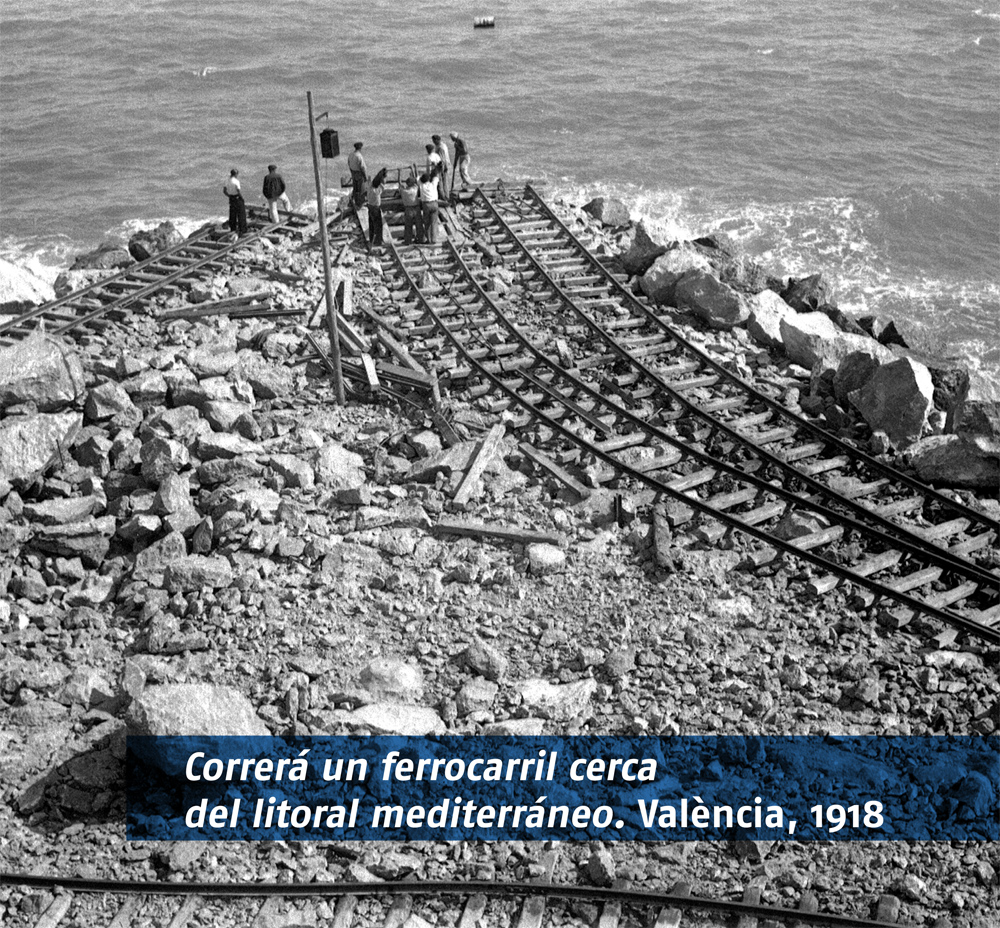
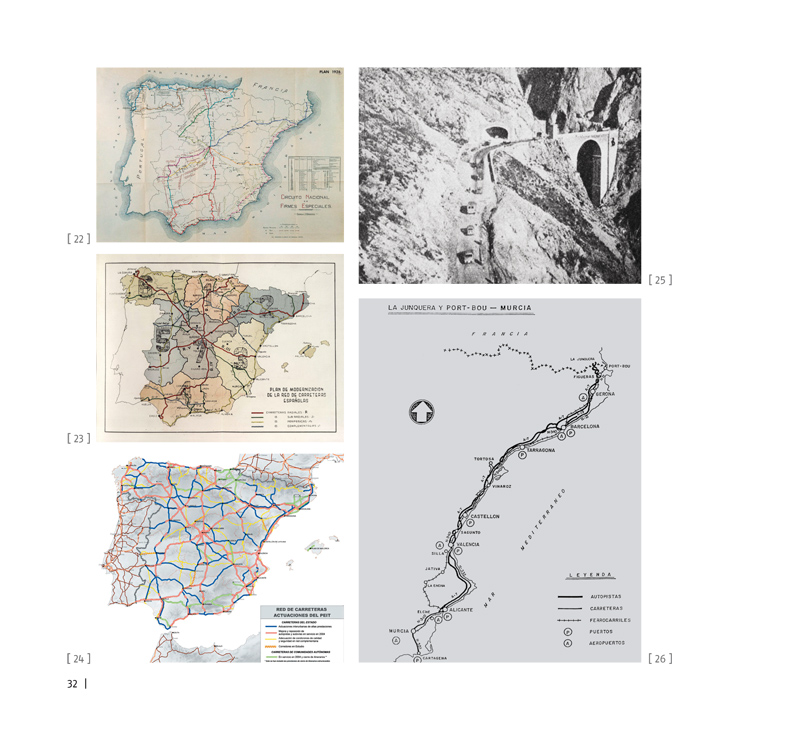
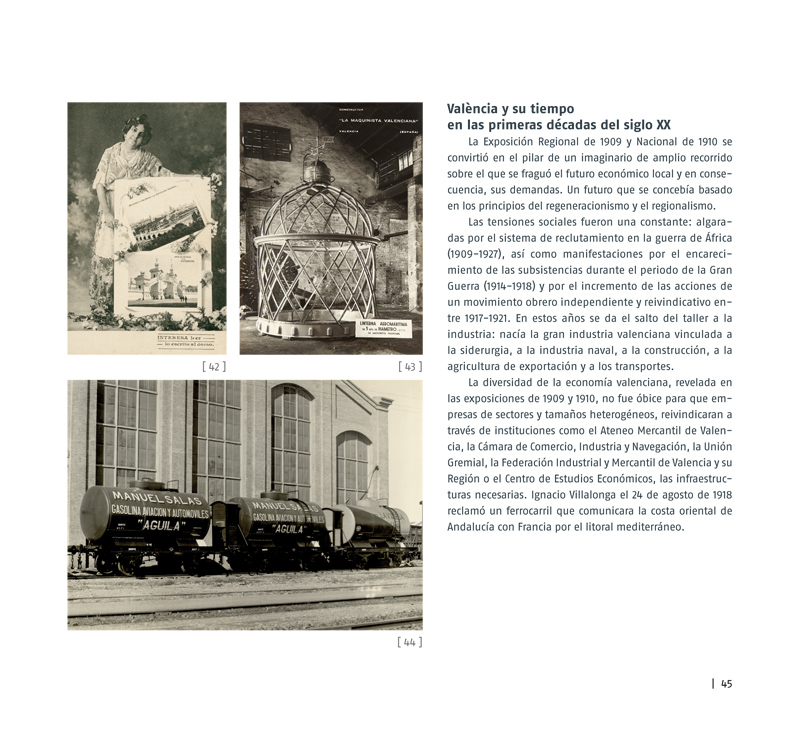
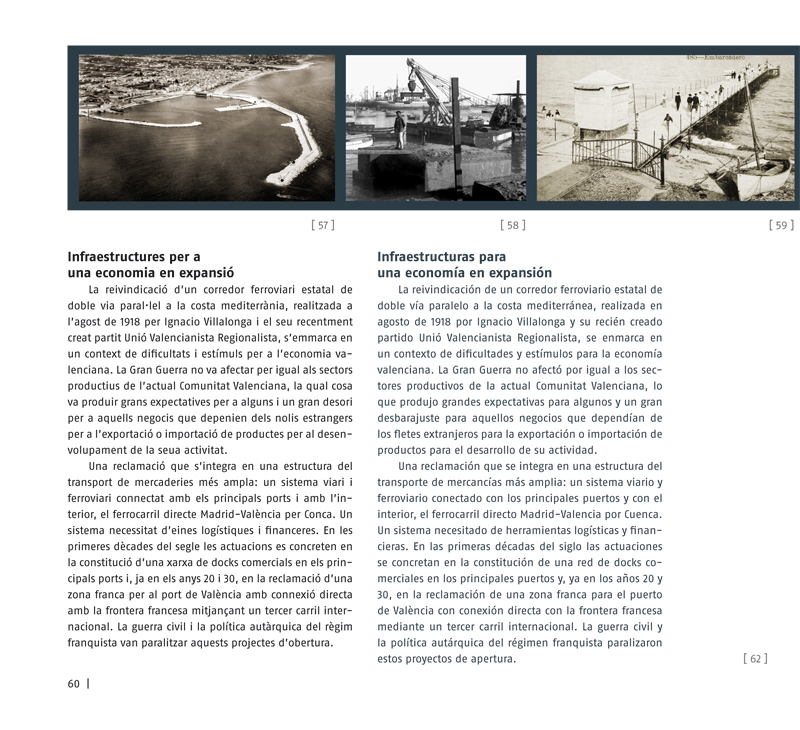
València: Ministry of Housing, Public Works and Territory Planning , 2019. LlibreThis book and exhibition's title represent the millenary importance of communication in the Mediterranean arc, since the Roman road Via Augusta followed the peninsular coastline from Cádiz to the Pirineos and served as the grounding base for the railway network of nowadays that is planned to be completed. Saying it's unfinished comes from a lack of coordination in the policies of middle and modern ages. When it arrived in the 18th century, it had a radial disposition from Madrid and in the 21st century, we still discuss its possibilities within the Transeuropean Transportation Network. Much archive documentation was needed for this project in order to understand the social, cultural and...
This book and exhibition's title represent the millenary importance of communication in the Mediterranean arc, since the Roman road Via Augusta followed the peninsular coastline from Cádiz to the Pirineos and served as the grounding base for the railway network of nowadays that is planned to be completed. Saying it's unfinished comes from a lack of coordination in the policies of middle and modern ages. When it arrived in the 18th century, it had a radial disposition from Madrid and in the 21st century, we still discuss its possibilities within the Transeuropean Transportation Network. Much archive documentation was needed for this project in order to understand the social, cultural and economic context to sparked the specific demands for infrastructure improvementin a vibrant moment of agriculture exportation, growing industry and tourism. The social, economic and political reality prevented and pushed back most of the proposals. For our current time, the demands were important, but also discovering the cause of failure in advancing and adapting to new realities and needs in a constantly-changing world. The Corredor Mediterráneo (Mediterranean Runner) defended by people like Ignacio Villalonga over a hundred years ago runs now within the top european priority runners network as a chance for a future, solid, united and connected Europe.
Read more Hide
[Read more] [Hide] ISBN: 978-84-482-6350-8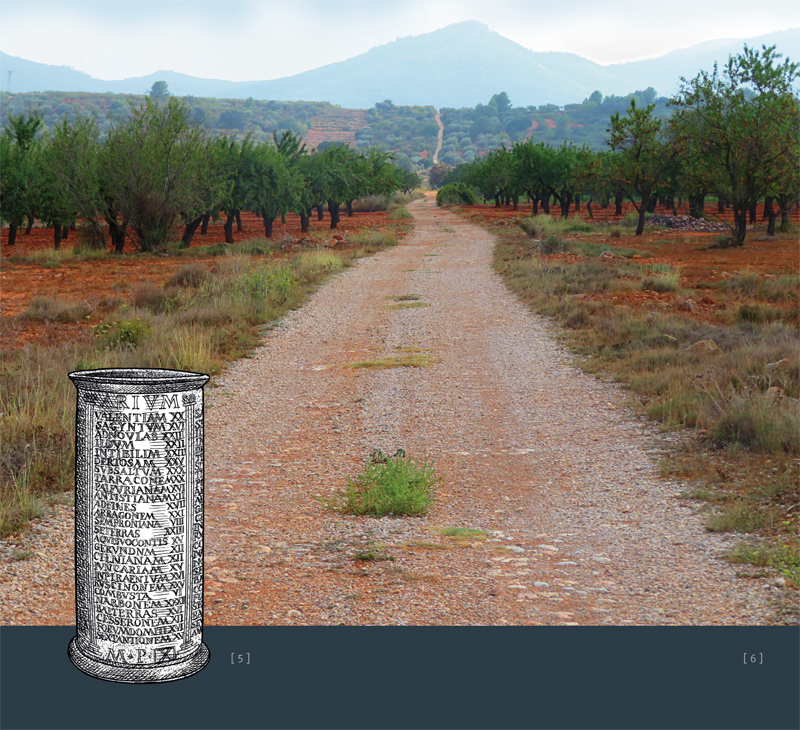
-
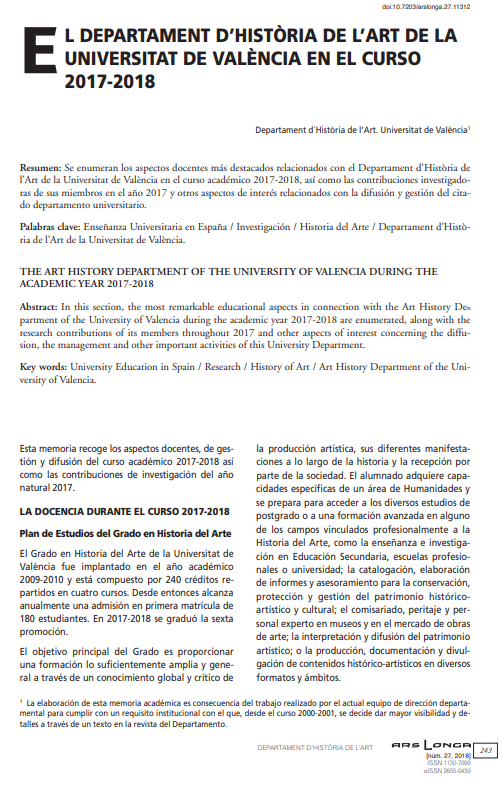
Report 2018. Ars Longa 27
Department of Art History. Universitat de València
(2018). InformesThis report compiles teaching, management and dissemination aspects of the 2017-2018 academic year, as well as the research contributions of the year 2017.