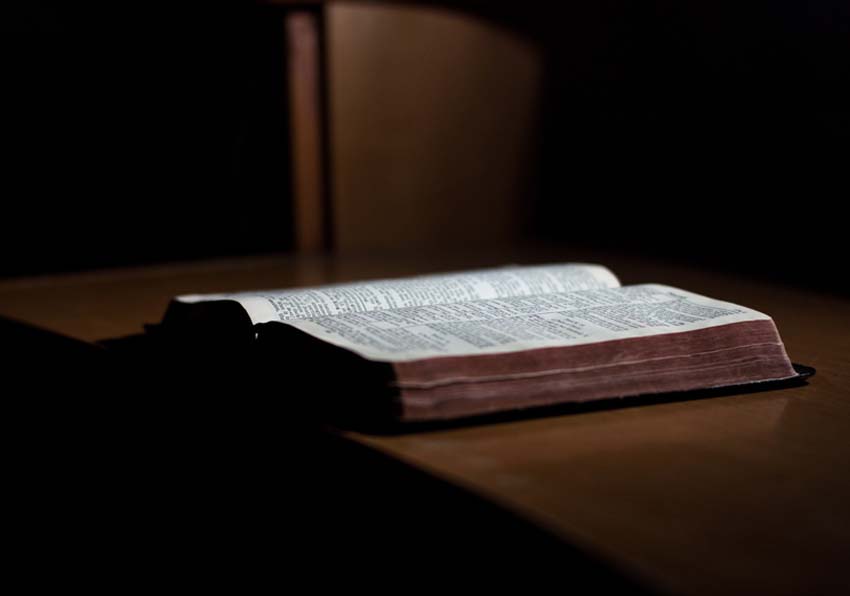
Forging modernity
Face-to-face
Conference by Rosa M. Gregori and Roig. EEPLLV. La Nau Cultural Centre
Escuela Europea de Pensamiento Lluís Vives
(European School of Thought Lluís Vives)
Lecture series El mundo clásico en la realidad occidental (The classical world in the Western reality).
Lecture
Forging modernity –printing as a new way of transmission of the written culture– from the expansion of humanism to the spiritual renovation of Christianity.
Rosa M. Gregori and Roig
Deputy director of the Archive of the Crown of Aragon
Coordinator of the series
Marco Antonio Coronel Ramos
Professor of Classical Philology of the Universitat de València
Rosa Maria Gregori Roig (1975)
https://orcid.org/0000-0001-9494-6777
Graduated in History (1998) and doctor in Geography and History by the Universitat de València (2008), she is the member of the Cuerpo Facultativo de Archiveros del Estado since 2001. She works at the Archive of the Crown of Aragon (Barcelona), Ministry of Culture, where she is currently the deputy director. She has managed particularly description and conservation tasks of medieval and modern historical collections. She has taught training courses and seminars about standardization and treatment of the ancient archival and bibliographic heritage. She has collaborated in research projects in university institutions. She has published an epigraphy essay, Cuando las paredes hablan; the introductory study to the printed edition of 1557 of the Chronicles of King Jaume I; she has transcripted and edited one of the books of the Justicia de Valencia, from the 1283 year. Moreover, she has transcripted and published a corpus that compilates about 300 documents related with the "aljama sarracena" from Uxó in the Valencian Kingdom, between the 1372 and the 1396 years, from real registers of the Archive of the Crown of Aragon. The Valencian Library has published her doctoral thesis: La impresora Jerónima Galés y los Mey (Valencia, siglo XVI). She has coordinated and edited, along with the Diputación de Castellón, De la invisibilidad a la creación. Las mujeres en la imprenta de Valencia y Castellón (siglos XVI a XX). In 2024 she was co-curator of the Trobes exhibition: 550 años de la imprenta en Valencia, tribute to the anniversary of the arrival of typographic art in 1474, and has published in the Recerques magazine the unpublished document of the Bookshellers school from Valencia, discovered in the Archive of the Valencian Kingdom: Regulación del trabajo y corporativismo en el mundo del libro en la Valencia (y la Corona de Aragón) de la época moderna.
Obras o trovas en loor de la Virgen María.
[Valencia]: [Lambert Palmart], [no antes del 25 de marzo de 1474].
Universidad de Valencia. Biblioteca Histórica. BH CF/1.
Furió, A. [Antoni] & Gregori Roig, R. M. [Rosa M.] & Viciano, P. [Pau] (2024). TROBES: 550 años de la imprenta en Valencia. Universidad de Valencia.
Book in open access
https://roderic.uv.es/items/817b1f18-a0c4-4bf2-967c-1e88357c3e5d
Synopsis
The printing was a cultural revolution. The printing invention broadens the use of private lecture and public writing. The quick reproduction of printed books, making texts more accessible, guaranteed the dissemination of the writing among the society as it had never been seen before. It is used for academic lessons, for administration, for predication and for entertainment. The classical and Christian tradition were being reoriented and reconsiderated in the 15 and 16 centuries. Printing will facilitate the transmission of the writing culture and will set a new republic of the universal letters, that will impact in the intellectual work, in the access methods to knowledge and in the way of establishing communication connections throughout Europe. The printed book is useful for the new scientific disciplines, since it tries to revive classics in reeditions of medicine, astronomy, natural sciences or maths texts, which means that it broadens to modern knowledge, distancing it from ignorance or superstition. Even so, Church understood that printing should be associated to the mission of expanding the gospel. A great number of religious texts are printed: sacred writings, liturgical books, and praying books, pious or mystics, published in vulgar language, and had a great number of readers, both clerics and laypeople.
Free entrance, limited capacity
Date 17 april 2026 at 18:00 to 20:00. Friday.
Place
Aules Seminari. Centre Cultural La Nau
Carrer de la Universitat, 2
València (46003)
Escola Europea de Pensament Lluís Vives, Servei de Cultura Universitària UV
Col: Generalitat Valenciana. SEEC C. Valenciana.