An international research team led by the University of Valencia (UV) has overturned interpretations that had stood for decades regarding two contexts associated with the ritual known as Capacocha of the ancient Inca Empire in what is now Chile: the Boy of Cerro El Plomo and the young women of Cerro Esmeralda. The study, published in Science Advances, unravels two longstanding mysteries in recent archaeology.
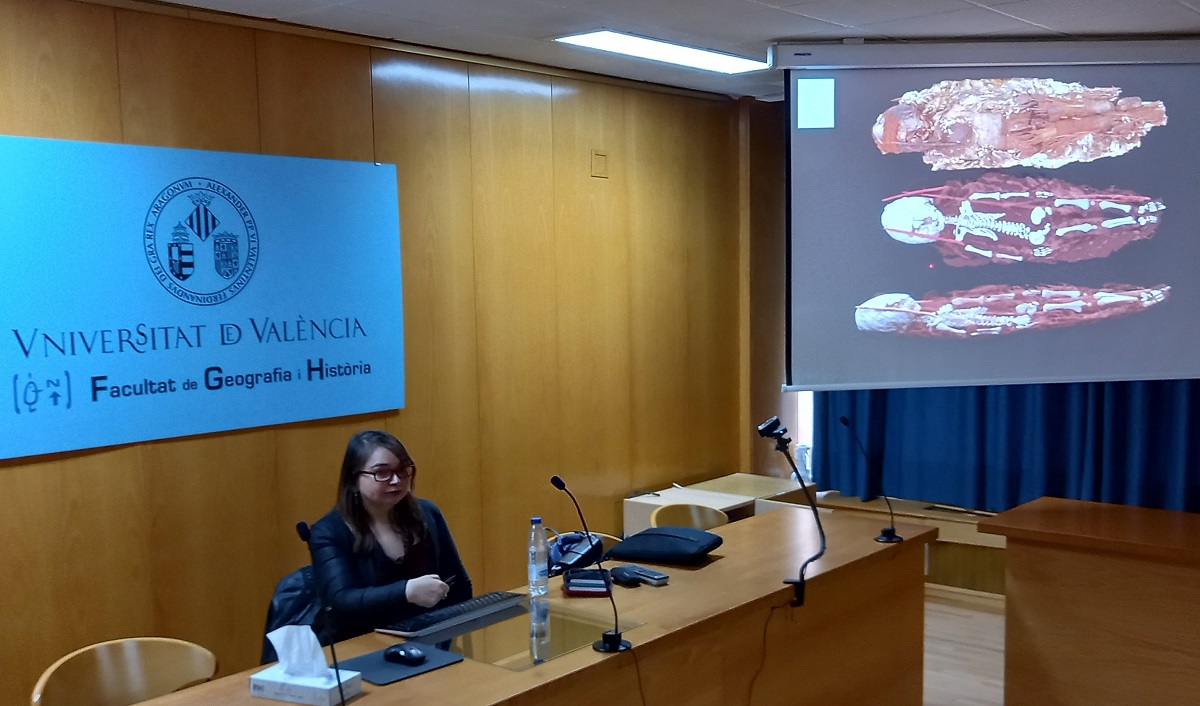
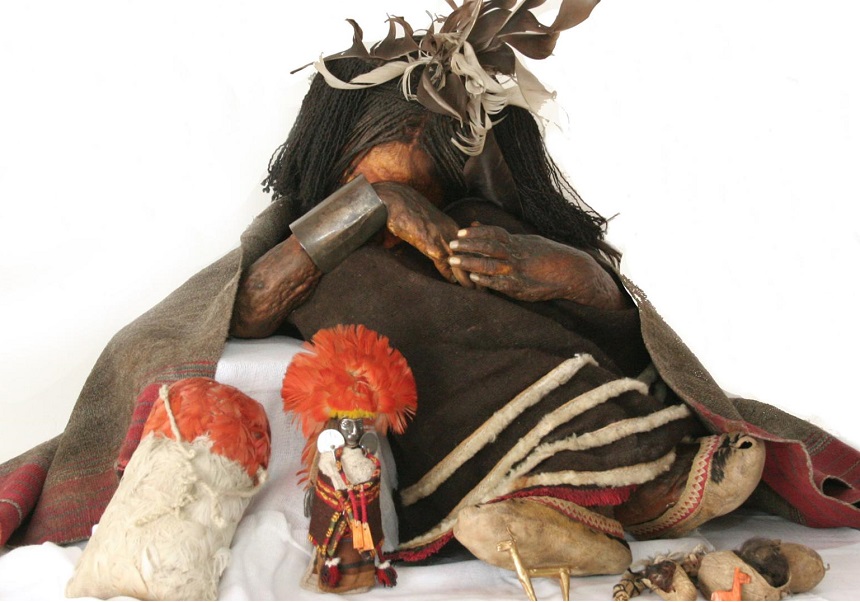
Since the discovery of the Boy of Cerro El Plomo in 1954 at an altitude of more than 5,400 metres, his death had largely been attributed to hypothermia during a high-altitude Inca ceremony. However, computed tomography (CT) scans and forensic analyses identified evidence consistent with cranial trauma sustained in the context of a Capacocha ritual sacrifice.
Capacocha was one of the most important ceremonies of the Tawantinsuyu, the Quechua name for the Inca Empire. During these ceremonies, children and young women were selected to be offered to the sacred mountains, or apus, as part of a process that intertwined sacrifice, pilgrimage, political power, religion and imperial expansion.
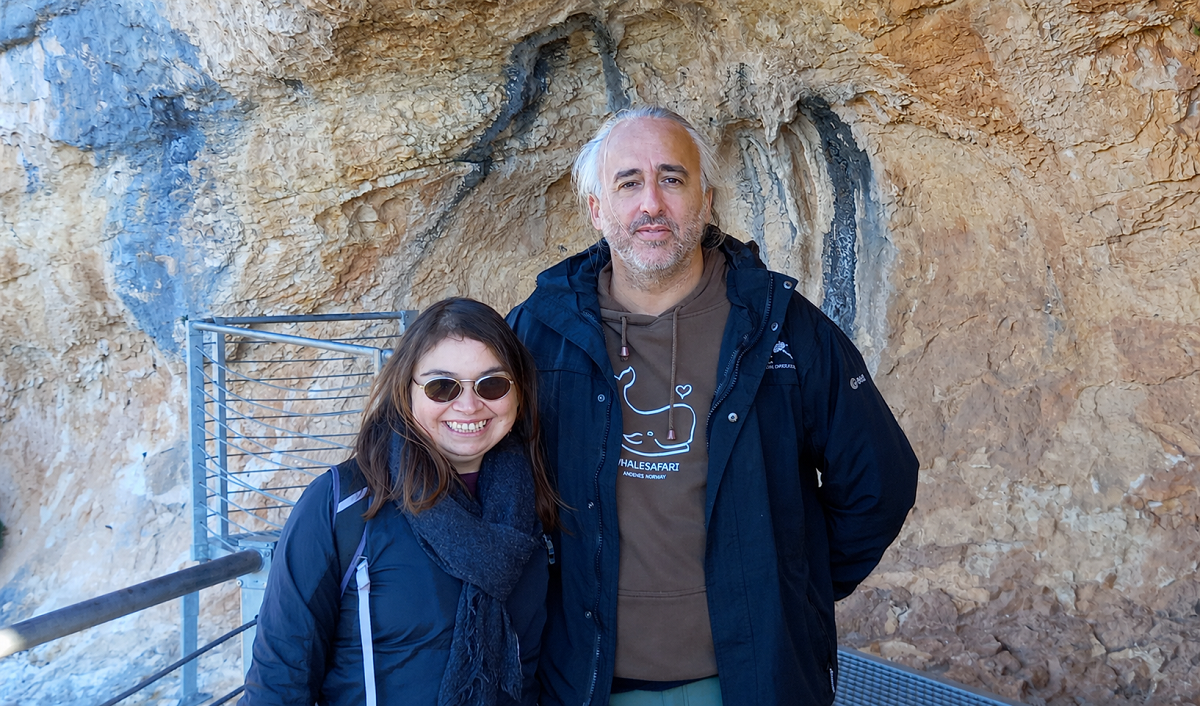
The research, led by Verónica Silva Pinto, a doctoral researcher in the Department of Prehistory, Archaeology and Ancient History at the University of Valencia, and Domingo C. Salazar-García, a senior lecturer in the same department and supervisor of Silva Pinto's doctoral thesis, reconstructs ritual pilgrimages lasting several months, dates the three individuals to the fifteenth century and demonstrates that Capacocha was not merely a high-mountain ceremony but a long-term state ritual closely linked to the political and symbolic expansion of the Tawantinsuyu across the southern Andes.
"This study enabled us to re-examine exceptionally important heritage contexts applying new research questions, new technologies and ethical conservation criteria. In the case of the Boy of Cerro El Plomo, the evidence prompted us to reassess an interpretation that had been accepted for decades and to propose a different explanation for the circumstances surrounding his death", says Verónica Silva Pinto, first author of the paper.
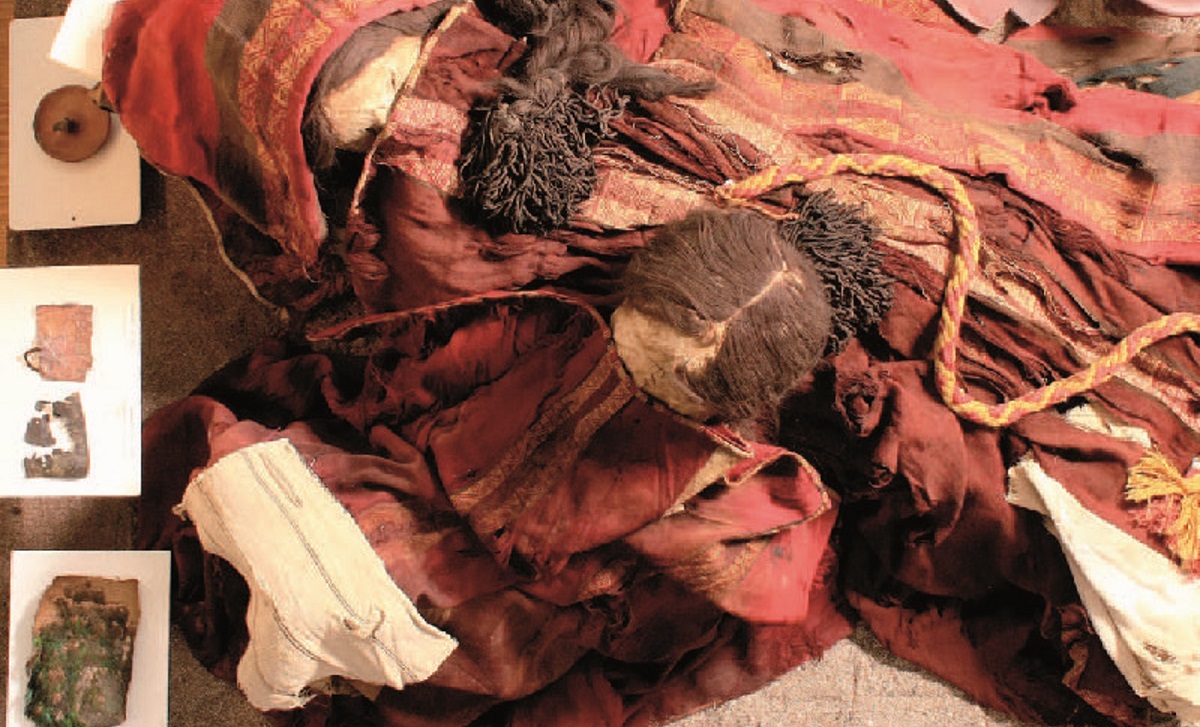
The article also reassesses the case of Cerro Esmeralda, where previous research had suggested that the two young women died by strangulation. The new analyses do not support this hypothesis. The marks observed on their necks are more consistent with compression caused by textiles or clothing, while CT scanning showed that the hyoid bones were intact, remained in their anatomical position and exhibited neither fractures nor displacement. At the same time, the study acknowledges that the exact cause of death cannot be established conclusively owing to alterations that occurred following the discovery of the remains, subsequent autopsies and the loss of certain anatomical structures.
The research combined computed tomography, bioanthropological and forensic analyses, dermatology, histology, biomechanical modelling, finite element analysis, stable isotope analysis and radiocarbon dating. According to Domingo C. Salazar-García, supervisor of Silva Pinto's doctoral research, one of the study's key contributions is its use of isotopic analysis: "Stable isotopes provide exceptionally detailed information about people's lives in the past, particularly regarding diet, mobility and changes that occurred during the final months of life".
In addition to the University of Valencia, the research was funded by the Heritage Research Support Fund (FAIP) of Chile's National Cultural Heritage Service, through the National Museum of Natural History of Chile, and involved scientific collaboration with a number of national and international institutions, including Clínica Alemana in Santiago, the Max Planck Institute for Evolutionary Anthropology in Germany and the University of Bradford in the United Kingdom.
Article reference: Silva-Pinto et al. "Pilgrimage to sacrifice: mechanisms, causes and time of death of the Western Andean Capacocha of the Southern Tawantinsuyu." Science Advances 12, eadz9055 (2026). https://doi.org/10.1126/sciadv.adz9055
Additional photo captions
- The young women of Cerro Esmeralda. Credit: Administrative Archive, Regional Museum of Iquique–CORMUDESI.
- Verónica Silva Pinto, doctoral researcher in the Department of Prehistory, Archaeology and Ancient History of the University of Valencia.
- Verónica Silva Pinto and Domingo C. Salazar-García.