

-
Special 20th Aniversary Booklet
Demetrio Ribes Chair
(2024). InformesWe leave at your disposal a booklet specially prepared for the 20th aniversary of activities of the Chair, 2003-2023.
-
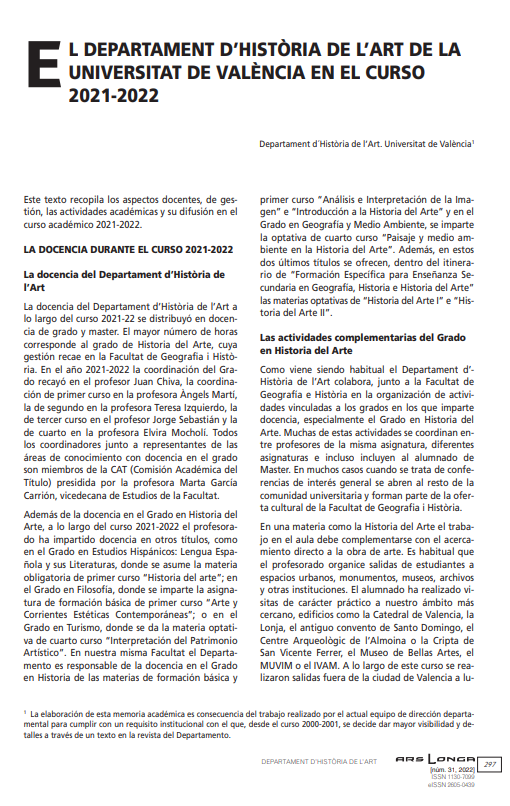
Report 2023. Ars Longa 32
Department of Art History. Universitat de València
(2023). InformesThis document compiles teaching and management aspects, and academic activities and its dissemination throught the 2021-2022 academic year.
-
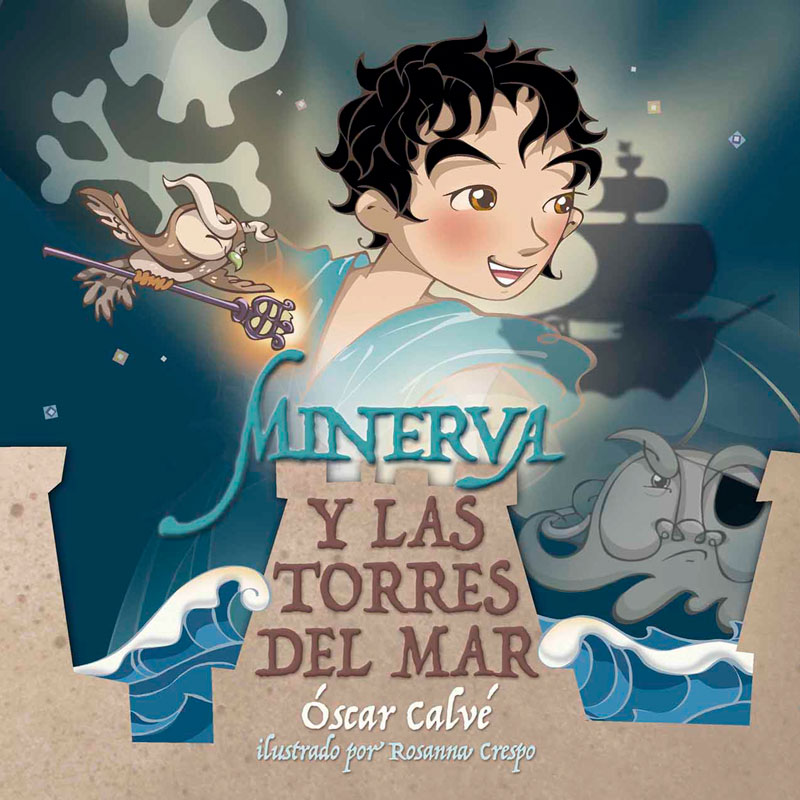
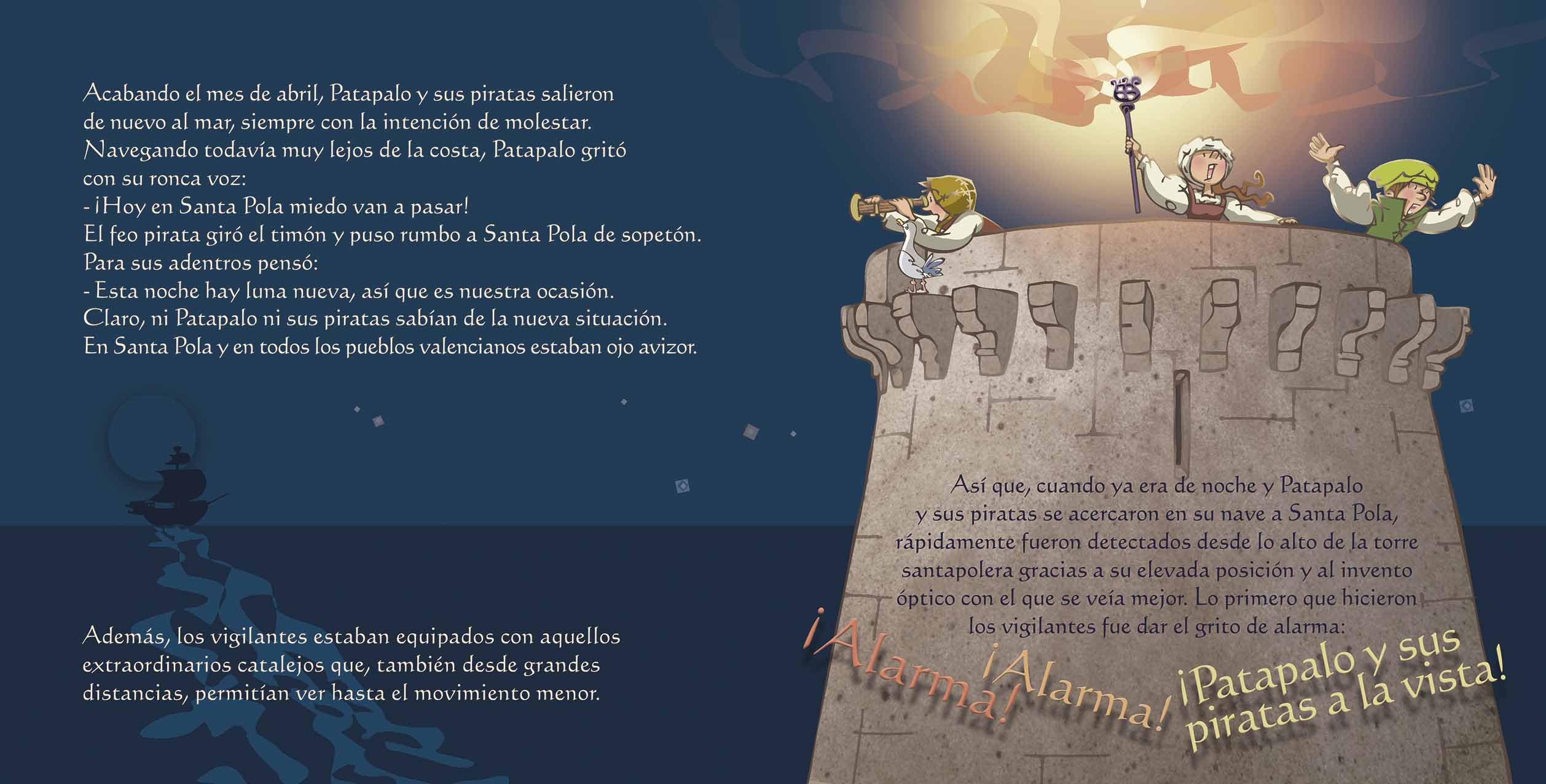
Minerva and the Sea Towers
Calvé, Óscar (text) and Crespo, Rosanna (illustration)
València , 2023. LlibreMinerva is a young and brilliant inventor, able to speak different languages, play instruments and build monuments. Over 500 years ago, she answered the call of the Valencian coast towns who were suffering from pirate attacks, specially from the evil and feared Patapalo. Minerva came up with an incredible solution. She built many towers with a secret and magic connection.
"Minerva and the Sea Towers" is a tale for those who light up our life. The breathtaking "Watchtowers" in the story which served as a defensive system in the 16th century for the Valencia kingdom against pirate attacks. It lets children learn about their cultural heritage they can still visit in several Valencian locations. In fact, "Minerva and the Sea Towers" can serve as a touristic guide for children. The book comes from the Demetrio Ribes Chair's new exposition project "Of Fear and Silk: Watchtowers in the Valencian Coast".
[Read more] [Hide] ISBN: 978-84-482-6913-5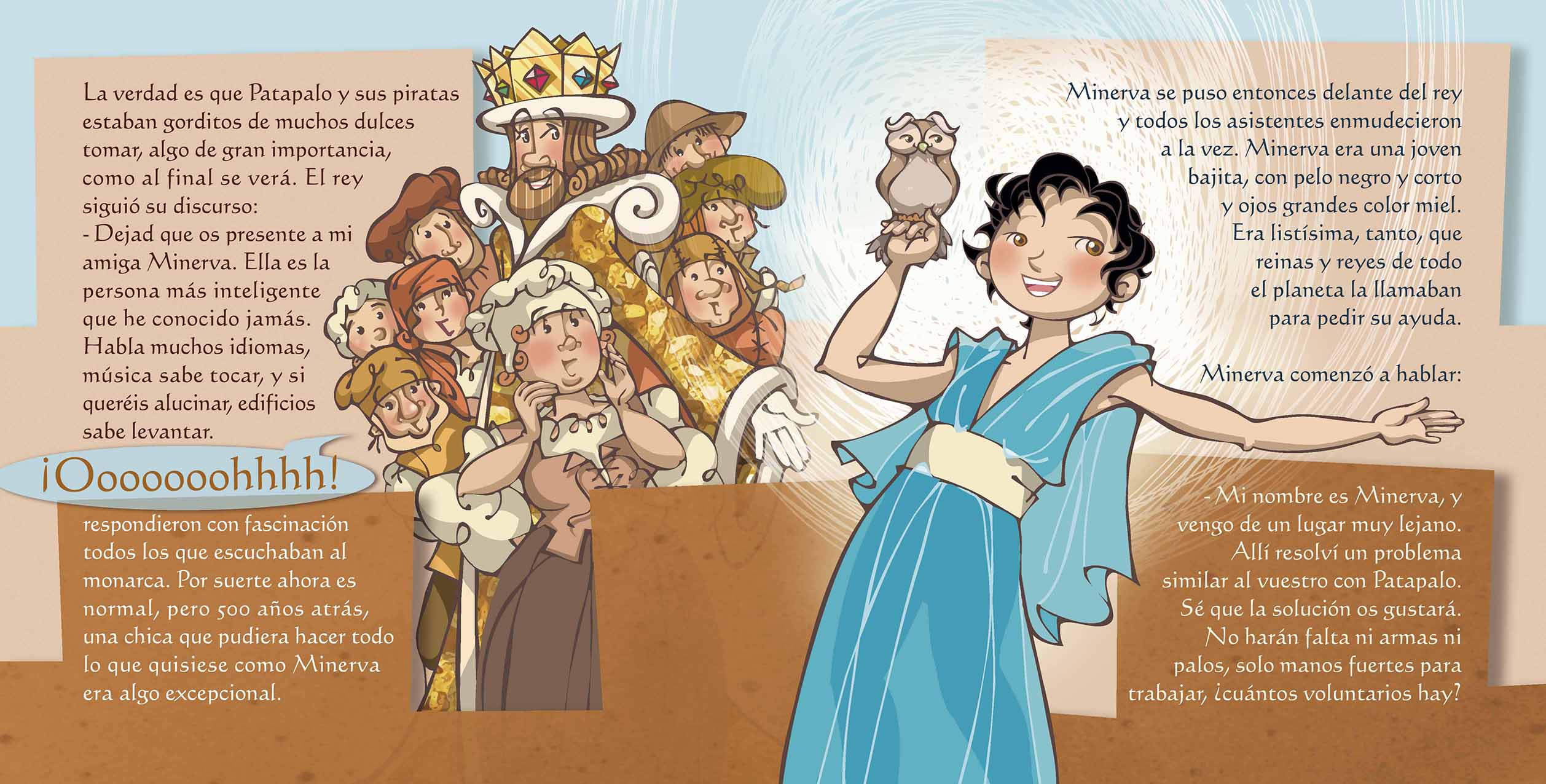

-
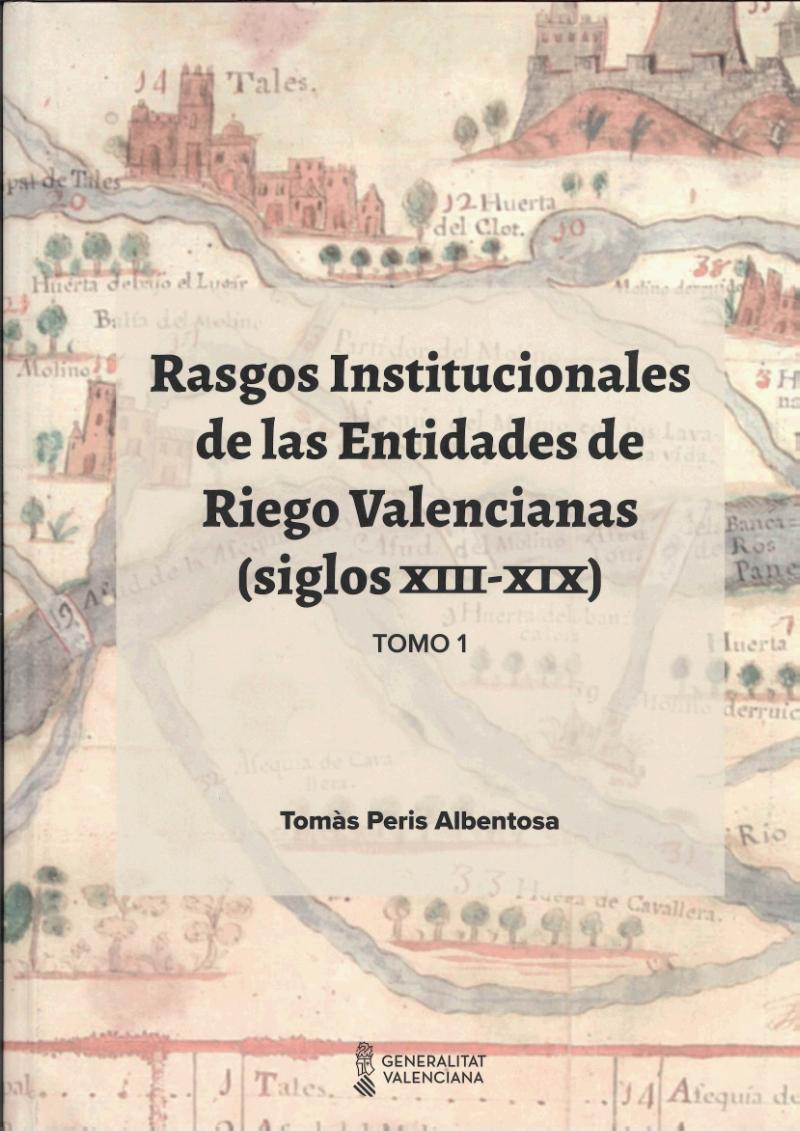
Institutional Traits of Valencian Irrigation Entities (from the 13th to the 19th century)
PERIS ALBENTOSA, Tomàs
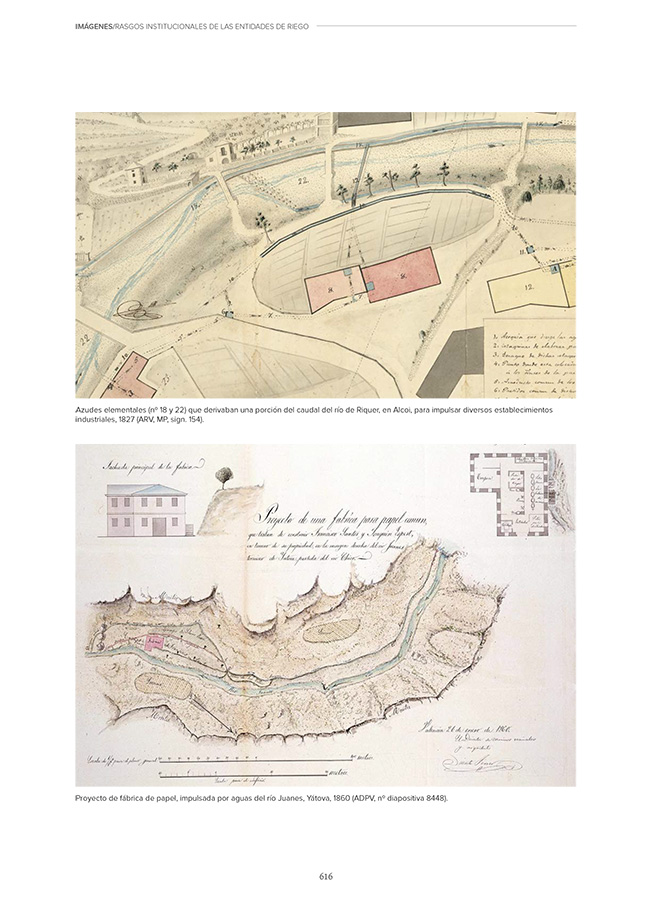
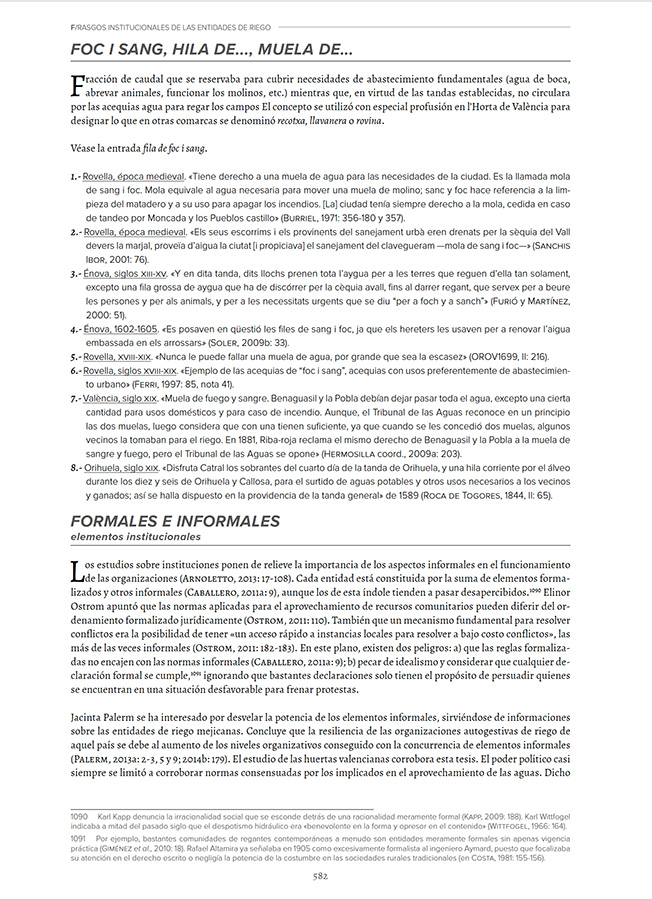
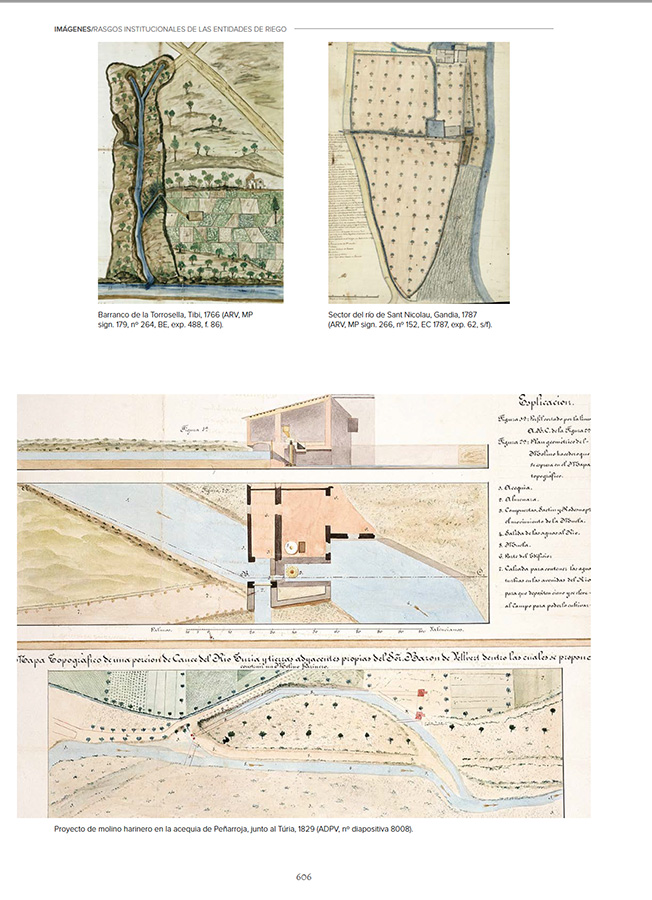
València , 2023. LlibreSecond part of 'Enciclopedia del Regadío Histórico Valenciano'. The first part analysed the characteristics of hydraulic infrastructure and operative mechanisms to distribute the caudal. This part (also within the Valencian territory from the 13th to the 19th century) focuses on the organisatin formulae for the daily functioning. To that end, the same methods from the first part are followed: theme entries in alphabetical order.
Almost every entry has an argumented espose of the concept along with a series of texts. The expositive part offers a synthesis about the topic combining empiric data and theoretical debates. Each aspect's interpretation holds the proper references in their bibliography.
The texts serve multiple purposes. They uphold and credit the exposed ideas in the synthesis and (due to the heterogeneity of Valencian irrigation bound to a continuous dynamic evolution) try to provide chronological and geographical details for the reader without overloading the expositive part. They also contain a more precise and deep information on the analysis.
[Read more] [Hide] ISBN: 978-84-482-6775-9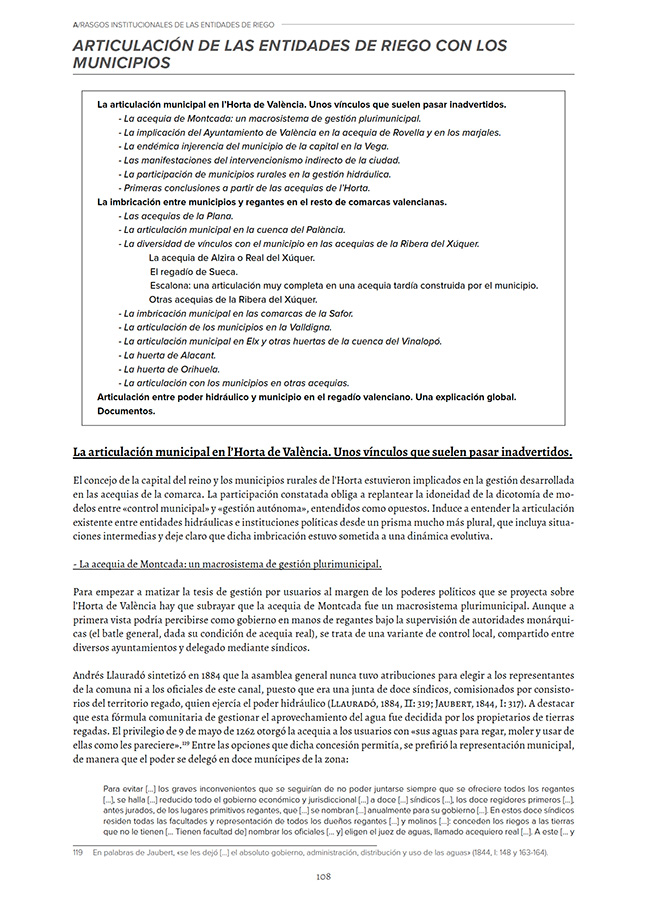
-
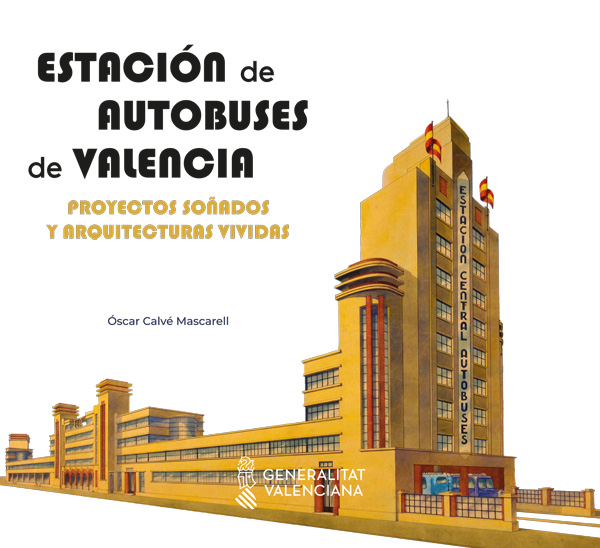
Valencia Bus Station.
CALVÉ MASCARELL, Óscar
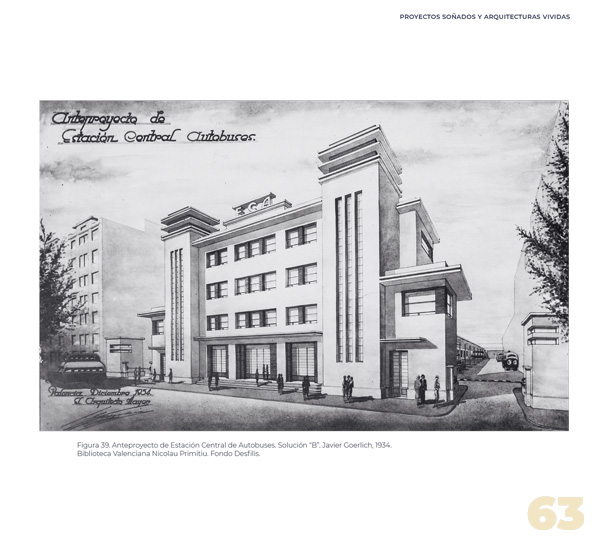
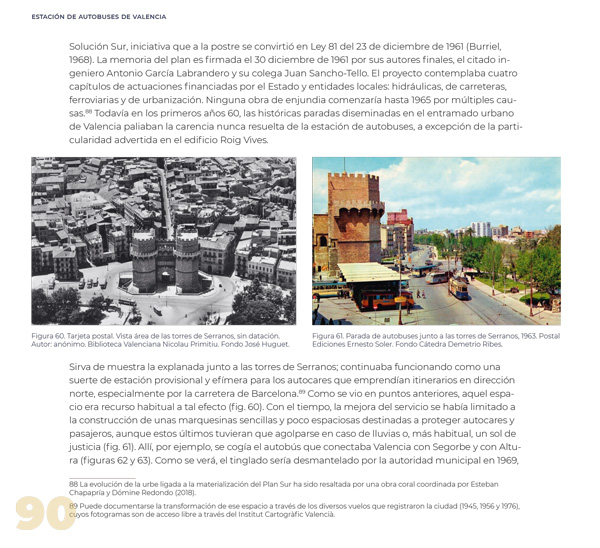
València: Council of Environment, Water, Infrastructure and Territory , 2023. LlibreThe publication of the book 'Estación de autobuses de Valencia. Proyectos soñados y arquitecturas vividas' highlights an aspect that has scarcely been dealt with: the history of the city's longing for an infrastructure capable of reorganising the chaos derived from the appearance of the intercity bus. A circumstance that emerged precisely in the 1920s and which, as the title anticipates, stimulated the imagination of famous architects who drew up projects that were almost never executed, but also the efficiency of notable engineers. The latter was manifested in two infrastructures that met with very different fates. All of this is covered in this small but comprehensive volume which, above...
The publication of the book 'Estación de autobuses de Valencia. Proyectos soñados y arquitecturas vividas' highlights an aspect that has scarcely been dealt with: the history of the city's longing for an infrastructure capable of reorganising the chaos derived from the appearance of the intercity bus. A circumstance that emerged precisely in the 1920s and which, as the title anticipates, stimulated the imagination of famous architects who drew up projects that were almost never executed, but also the efficiency of notable engineers. The latter was manifested in two infrastructures that met with very different fates. All of this is covered in this small but comprehensive volume which, above all, offers the reader a journey back in time through facilities corresponding to a specific function and typology.
Read more HideIndex
State of the matter
- The emergence of the bus in the city
- A first station project for Valencia in 1929
- The ephemeral pretension in 1931 of a group of architects: Tejero, Sedano and De la Mora
- 1934, a prolific year in initiatives
- The halt of the Santonja building
- The project by Luis Basset Badía
- Goerlich at the service of the ambitious municipal aspiration
- The return of ideas in the post-war period. Goerlich's role
- Another unsatisfied municipal project
- The private hand and ‘the first station’ in Valencia
- Two stations for the reborn city
A look back as epilogue
Details
[Read more] [Hide] ISBN: 978-84-482-6928-9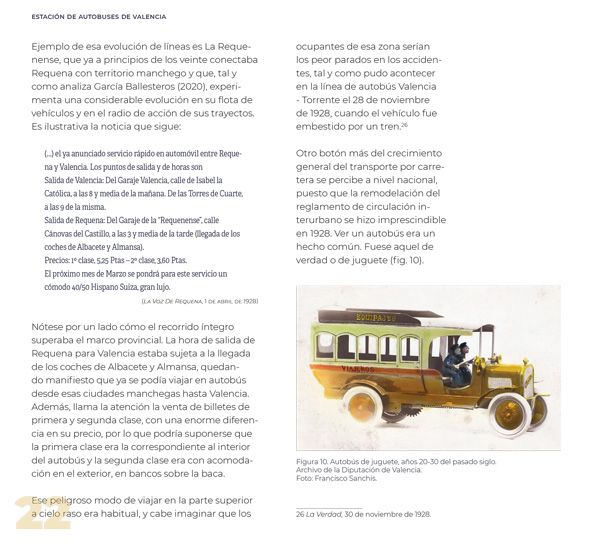

-
Valencia-Tarragona Railway Line Timeline
CALVÉ MASCARELL, Óscar
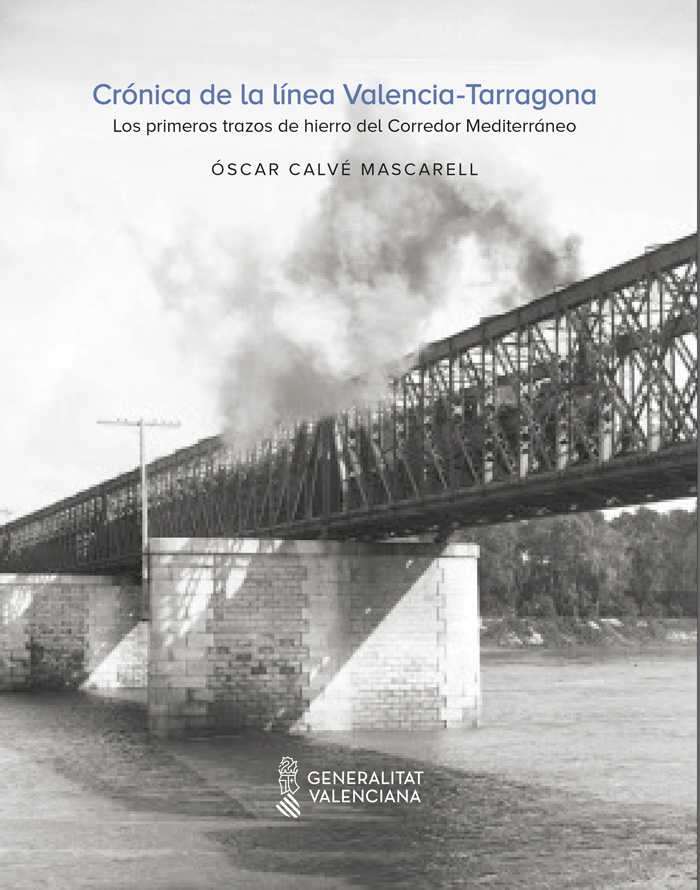
València: Ministry of Territory Policies, Public Works and Mobility , 2023. LlibrePromoted by the controversial figure of José Campo, the construction of the Valencia-Tarragona railway line (1862-1868) was the starting point of the Mediterranean Corridor in the Contemporary Age. Not in vain, already in its nineteenth-century conception, the section dealt with in this book was contemplated as part of the connection between Malaga and Naples. The volume selects more than a hundred press reports from the period and of varying ideological bias in order to address, with sufficient historical perspective, heterogeneous aspects relating to the creation of this line: the engineering challenges (where the construction of the bridges over the Turia in Valencia and over the Ebro...
Promoted by the controversial figure of José Campo, the construction of the Valencia-Tarragona railway line (1862-1868) was the starting point of the Mediterranean Corridor in the Contemporary Age. Not in vain, already in its nineteenth-century conception, the section dealt with in this book was contemplated as part of the connection between Malaga and Naples. The volume selects more than a hundred press reports from the period and of varying ideological bias in order to address, with sufficient historical perspective, heterogeneous aspects relating to the creation of this line: the engineering challenges (where the construction of the bridges over the Turia in Valencia and over the Ebro in Tortosa stand out), the controversies over the route associated with the feverish desire to reap the benefits of the new transport system, the uses and abuses of the promoters (with José Campo defined by some as a ‘champion of modernity’ and by others as a ‘criminal’) and the diversification of the workforce employed (from highly specialised English engineers to underprivileged children who acted as cheap labour). A material then intrinsically associated with modernity for its innovative use in construction and in the flamboyant presses of the newspapers that are the subject of this publication, but above all, for making possible and even giving a name, also in its Castilian meaning - the railway - to a mode of transport hardly dreamt of by mankind for millennia.
Read more HideChapters:
- The birth of the railway and the ‘Campoamor Law’
- The Valencia-Tarragona railway, a historical link between the Via Augusta and the Mediterranean Corridor
- Two paths destined to meet: The formation of the AVT Company and the gestation of the Valencia-Tarragona line
- Let's get down to work.
- From Valencia to Murviedro and the micro-history of an emblematic bridge
- From Murviedro to Nules
- The event of the first section: From Nules to Castellón de la Plana
- From Castellón de la Plana to Benicàssim and an ostentatious inauguration in Valencia
- Two large sections opened on 12 March 1865 in two sections: Benicàssim-Ulldecona and Amposta-Tarragona.
- From Ulldecona to Les Ventalles and from Tortosa to Amposta, the stagecoach section of the line.
- Les Ventalles - Tortosa: the last stage before the bridge over the Ebro.
- The bridge over the Ebro and the crowning of the line
- A troubled service
- Conclusions
-
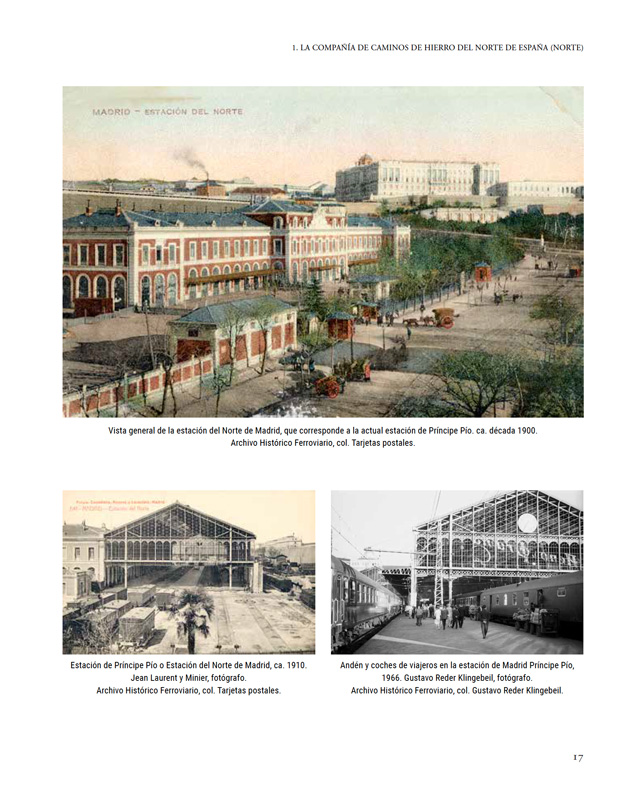
The Company of the Iron Roads in the North of Spain
MARCO DOLS, Pablo
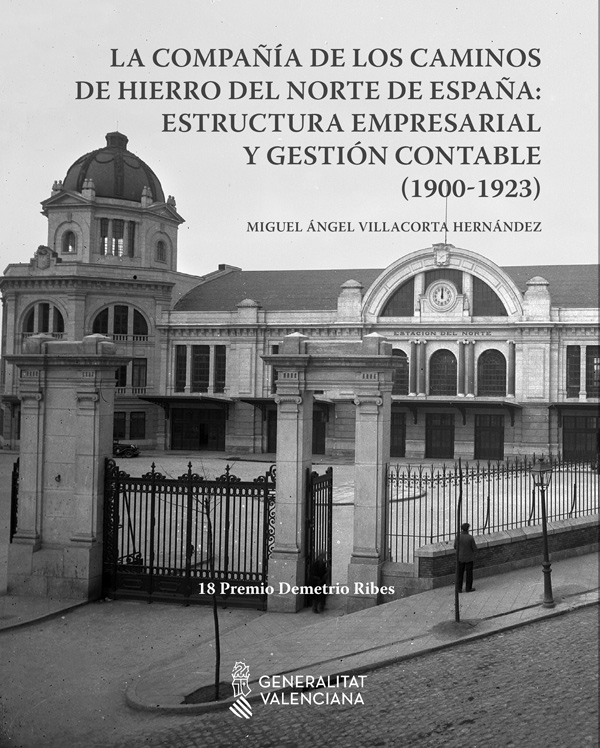
València: Ministry of Territory Policies, Public Works and Mobility , 2023. LlibreThe publication of 'La Compañía de los Caminos de Hierro del Norte de España: estructura empresarial y gestión contable (1900-1923)', by the 18th Demetrio Ribes Award winner, Miguel Ángel Villacorta Hernández, focuses on the most important areas of the economic discipline in the territory formation from its birth in the 19th century: railway. The Spanish railway sector has been throroughly studied for its relevant role in the economic progress and the territory vertebration. However, the organisation, management and accounting of railway companies has been left aside, something strange given the sector's contribution to the organisation, business and accounting sciences. This study on...
The publication of 'La Compañía de los Caminos de Hierro del Norte de España: estructura empresarial y gestión contable (1900-1923)', by the 18th Demetrio Ribes Award winner, Miguel Ángel Villacorta Hernández, focuses on the most important areas of the economic discipline in the territory formation from its birth in the 19th century: railway. The Spanish railway sector has been throroughly studied for its relevant role in the economic progress and the territory vertebration. However, the organisation, management and accounting of railway companies has been left aside, something strange given the sector's contribution to the organisation, business and accounting sciences. This study on the Compañía de los Caminos de Hierro del Norte de España (NORTE), which became the most important company in Spain and the tenth in Europe, aims to analyse the accounting information from an amount and quality perspective, as well as the organisation structure from different points of view dynamically. The analysis goes through the whole lifetime of the company, but focuses economically on the first quarter of the 20th century, its golden era and because finance data manipulation practices unknown until now have been identified.
Read more HideMiguel Ángel Villacorta Hernández has been a lecturer in the Department of Financial Administration and Accounting at the Complutense University of Madrid since 1999. Since 2004 he holds a PhD in Accounting and Auditing from the Complutense University of Madrid. Since 2011 he holds a PhD in Law from the Universidad Carlos III de Madrid.
Since 2018 he holds a PhD in History from the University of the Basque Country and the University of Valladolid. In this line of research he has published articles in leading journals.
- Bookstore of the Generalitat Valenciana
- Demetrio Ribes Award Collection, nº18
Details
[Read more] [Hide] ISBN: 978-84-482-6851-0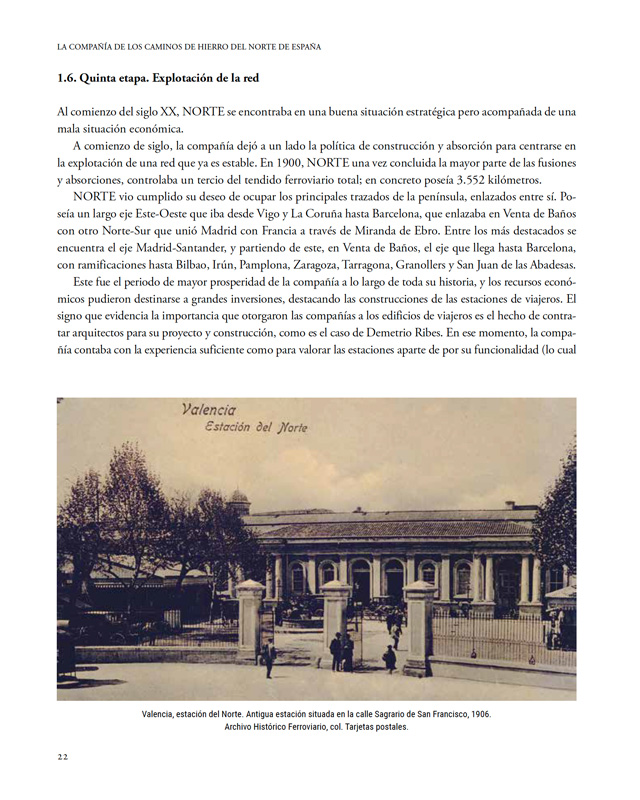

-
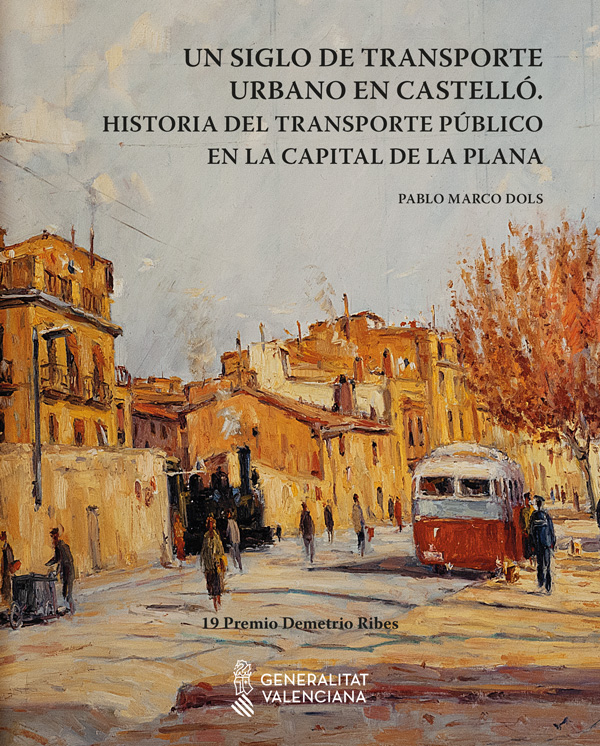
A Century of Urban Transportation in Castello: La Plana's Capital City Public Transportation History
MARCO DOLS, Pablo
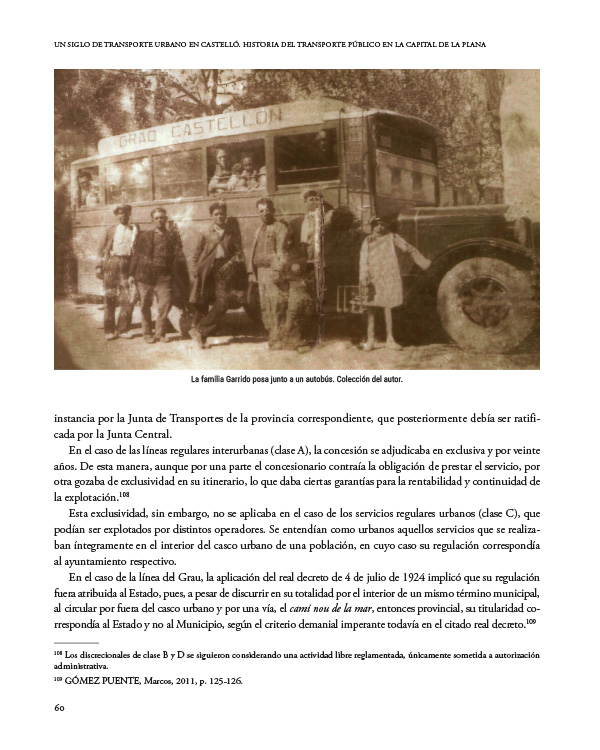
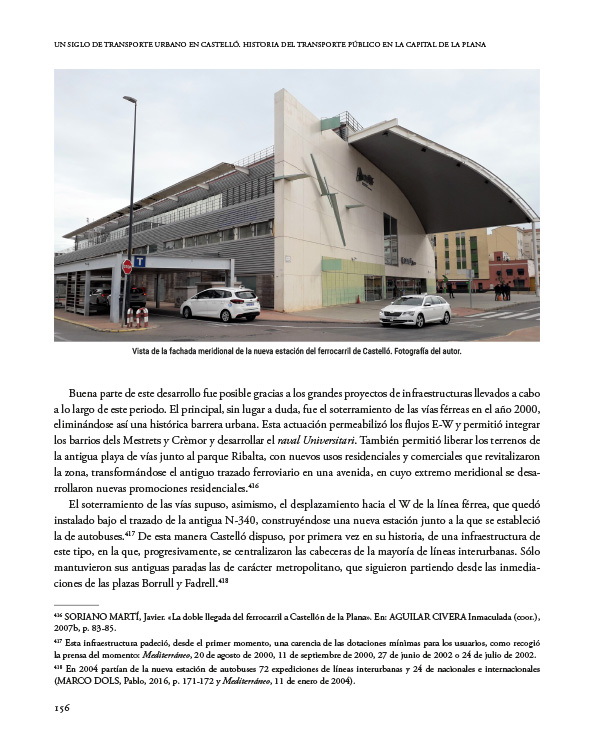
València: Ministry of Environment, Water, Infrastructure and Territory: Demetrio Ribes Chair , 2023. LlibreThe publication of the book 'Un siglo de transporte urbano en Castellón: Historia del transporte público en la capital de la Plana' (A century of public transport in Castellón: History of public transport in Castellón de la Plana), by Pablo Marco Dols, winner of the 19th edition of the Demetrio Ribes Award, addresses a very relevant question on the configuration of the territory: public transport in the city and between the city and its neighbour regions. The book analyses the creation and evolution of public transport in Castellón de la Plana and its maritime district since the installation of the first steam tram until today, including the companies which have managed it through the...
The publication of the book 'Un siglo de transporte urbano en Castellón: Historia del transporte público en la capital de la Plana' (A century of public transport in Castellón: History of public transport in Castellón de la Plana), by Pablo Marco Dols, winner of the 19th edition of the Demetrio Ribes Award, addresses a very relevant question on the configuration of the territory: public transport in the city and between the city and its neighbour regions. The book analyses the creation and evolution of public transport in Castellón de la Plana and its maritime district since the installation of the first steam tram until today, including the companies which have managed it through the years and the salvaged heritage. The evolution of transport had, and has, a great influence in urban development. Transport and urban growth have influence each other, thus the study of the evolution of mobility in Castellón de la Plana is essential for the analysis of the historical growth of the city and its current configuration. Today as in the past, public transport is key for urban mobility, in addition to be a fundamental element for transforming the cities in kinder spaces. Its analysis will allow development in stablishing plans to favour a more sustainable urban mobility, as well as affect the growth of the city.
Read more HidePablo Marco Dols (Castellón de la Plana, 1983) is a high-level specialist in the automotive industry, graduate the Degree of Humanities, the Master’s degree of Secondary Education Teacher Training, speciality of Geography and History. He is also a doctor in History and Contemporary Studies at the Universitat Jaume I and a member of the Interuniversity Institute of Geography. As of today, he works as Adjunct Professor on the area of Regional Regional Geographical Analysis at the Universitat Jaume I and as geography teacher-tutor in the UNED in Vila-real.
- Bookstore of the Generalitat Valenciana
- Demetrio Ribes Award Collection, no. 19
Details
[Read more] [Hide] ISBN: 978-84-482-6927-2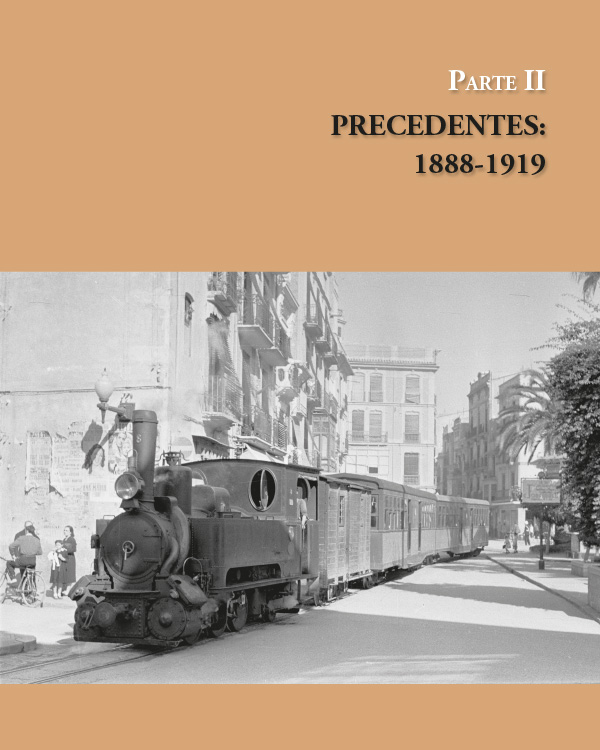


-
Report 2022. Ars Longa 31
Department of Art History. Universitat de València
(2022). InformesThis document compiles teaching and management aspects, and academic activities and its dissemination throught the 2021-2022 academic year.
-
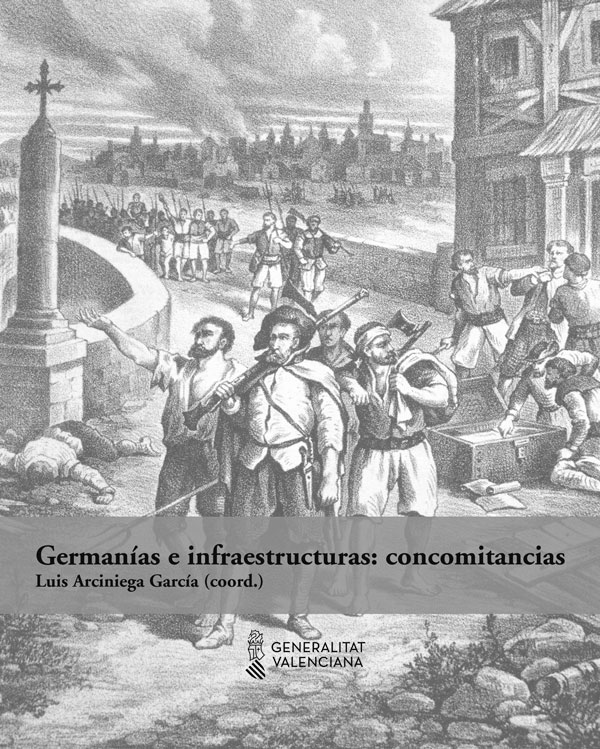
Brotherhoods and Infrastructures: Concomitance
ARCINIEGA GARCÍA, Luis (coord.)
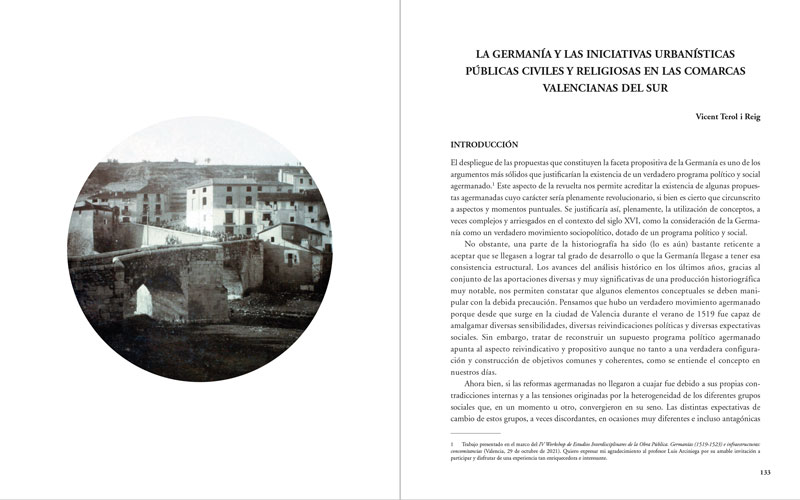
València , 2022. LlibreThis book contains the last contributions of experts from different disciplines that were discussed on the 4th Interdisciplinary Studies Workshop on the History of Public Works: Brotherhoods (1519-1523) and Infrastructures: Concomitances", which took place in UV's Faculty of Geographys and History's Conference Room and as organised by Demetrio Ribes Chair.
This book contains the last contributions of experts from different disciplines that were discussed on the 4th Interdisciplinary Studies Workshop on the History of Public Works: Brotherhoods (1519-1523) and Infrastructures: Concomitances", which took place in UV's Faculty of Geographys and History's Conference Room and as organised by Demetrio Ribes Chair.
Construction, destruction, transformation, strategic relevance or symbolic value during the Brotherhood conflicts of the Valencia and Mallorca Kingdoms. Those are some of the concepts within the content of this book.
Chapters:
- Introduction. Luis Arciniega García
- Valencian communication infrastructures in the Brotherhoods century. Luis Arciniega García
- In concordance. Defensive infrastructures of the Valencia Kingdom revious to the Brotherhood war (1509-1520). Juan Francisco Pardo Molero
- Bortherhoods war and hydraulic infrastructures. Tomàs Peris Albentosa
- The Brotherhood and public and religious urban nitiatives in southern Valencian regions. Vicent Terol i Reig
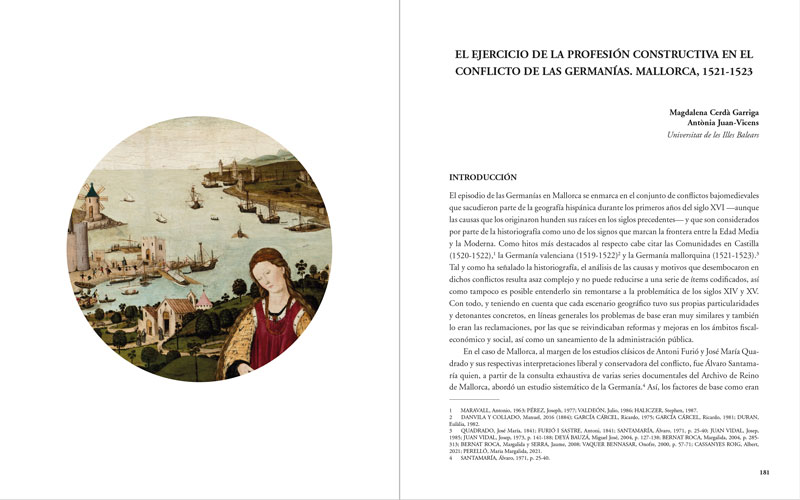
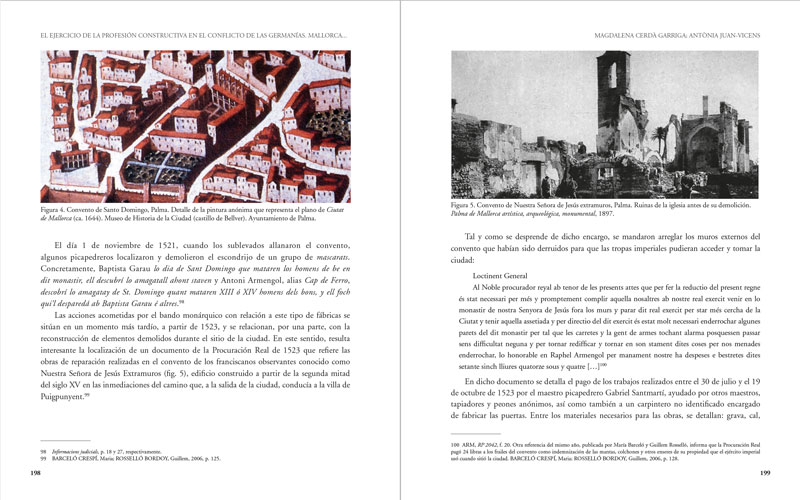
- Construction work during the Brotherhoods conflict. Mallorca, 1521-1523. Magdalena Cerdà Garriga and Antònia Juan-Vicens
 [Read more] [Hide] ISBN: 978-84-482-6770-4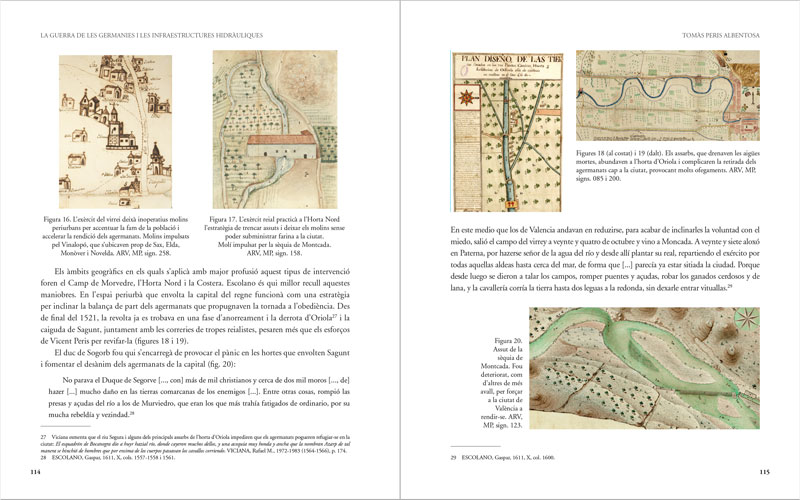


© 2026 UV. - C/ Hugo de Moncada, 4B 46010 València (València). Catedradr@uv.es. Universitat de València